The Girl Who Kicked the Hornet's Nest
"The girl with the dragon tattoo strikes back."
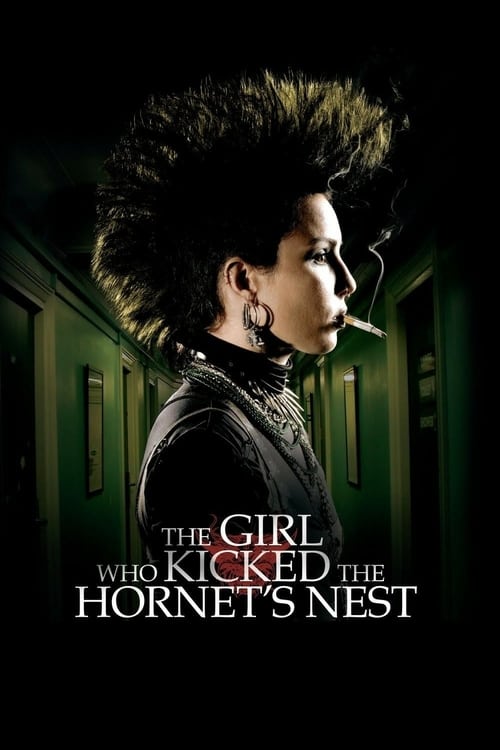
I remember exactly where I was when the Millennium fever broke in the late 2000s. I was sitting in a cramped studio apartment, nursing a lukewarm cup of coffee and a bag of salt-and-vinegar chips that were way too acidic for my tongue, yet I couldn't stop eating them. That feeling—of being slightly uncomfortable but completely unable to look away—is exactly how I felt watching Noomi Rapace conclude her journey as Lisbeth Salander.
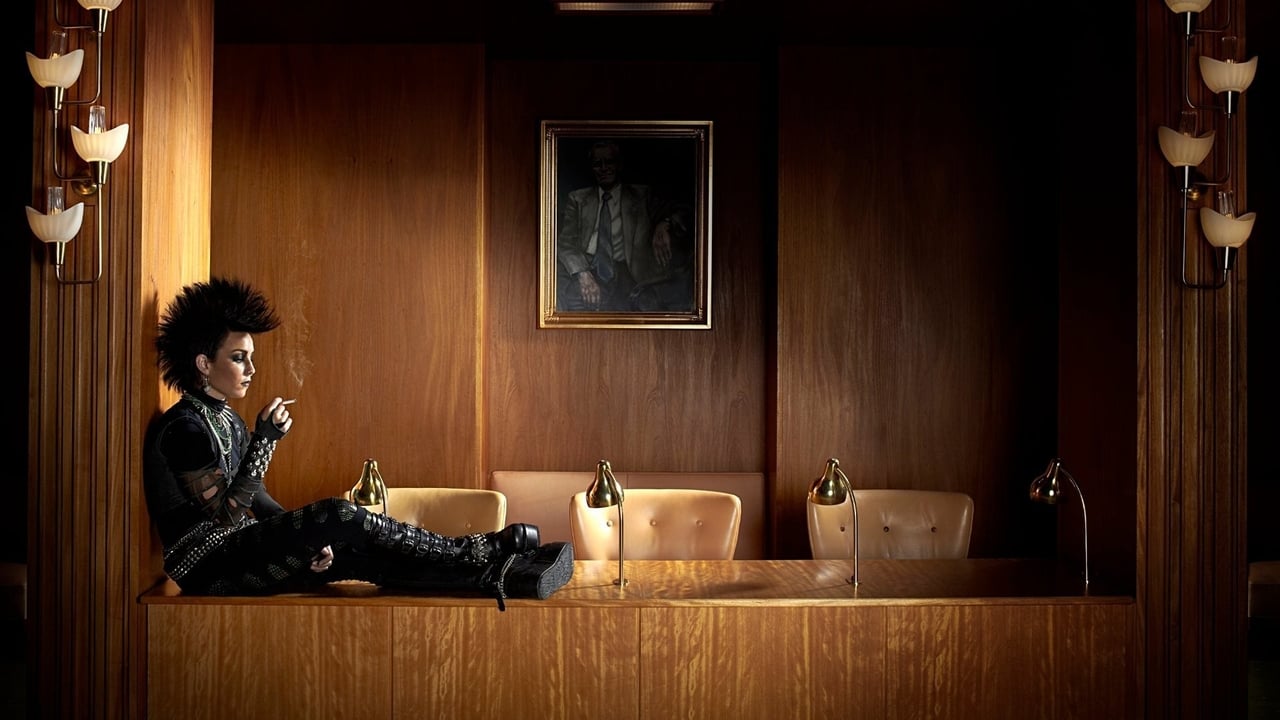
The Girl Who Kicked the Hornet’s Nest (2009) is the final chapter in the original Swedish trilogy, and it’s a fascinating beast to look back on. Coming off the high-octane chase energy of The Girl Who Played with Fire, this film shifts gears entirely. It isn't a pulse-pounding action flick in the traditional sense; it’s a cold, calculated, and deeply satisfying procedural that finally lets the light into the dark room of Lisbeth’s past.
The Mohawk in the Courtroom
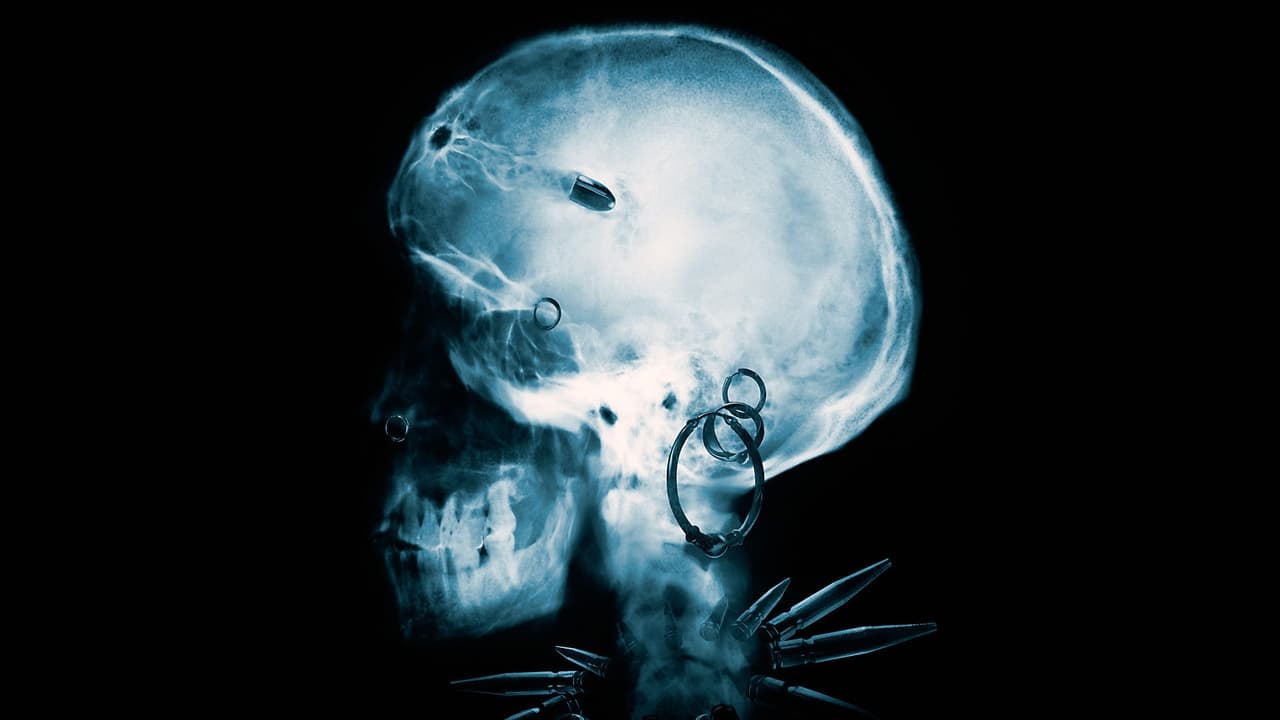
The film picks up exactly where the second one left us: Lisbeth has a bullet in her brain, her monstrous father is in the hospital down the hall, and the Swedish secret service is panicking. While the first film was a locked-room mystery and the second a fugitive thriller, Hornet’s Nest is essentially a legal battle royale.
The action here isn't found in car chases or explosions. Instead, the choreography is intellectual. It’s in the way Michael Nyqvist’s Mikael Blomkvist weaponizes the truth. I’ve always found Nyqvist’s portrayal of Blomkvist to be the definitive one; he has this rumpled, tired-out-journalist energy that feels authentic. He doesn’t look like a movie star playing a reporter; he looks like a guy who spends too much time looking at spreadsheets and eating convenience store sandwiches.
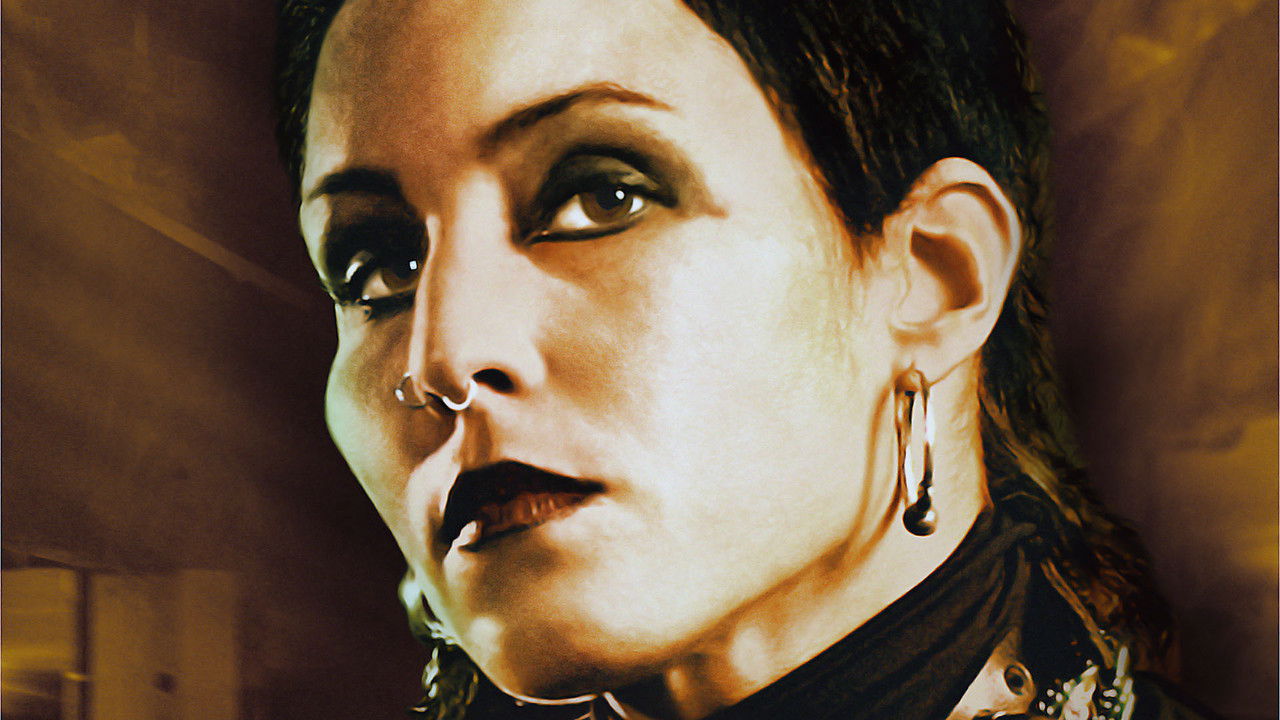
But the real draw is, and always will be, Noomi Rapace. For most of the film, she’s confined to a hospital bed or a prison cell. Yet, her presence is overwhelming. When she finally marches into that courtroom—sporting a leather jacket, a mohawk, and enough facial piercings to set off every alarm in Stockholm—it’s one of the most triumphant moments in 2000s cinema. Lisbeth Salander makes Batman look like a pampered toddler. She doesn't need a utility belt; she just needs a laptop and a complete lack of fear.
Nordic Noir on a Budget
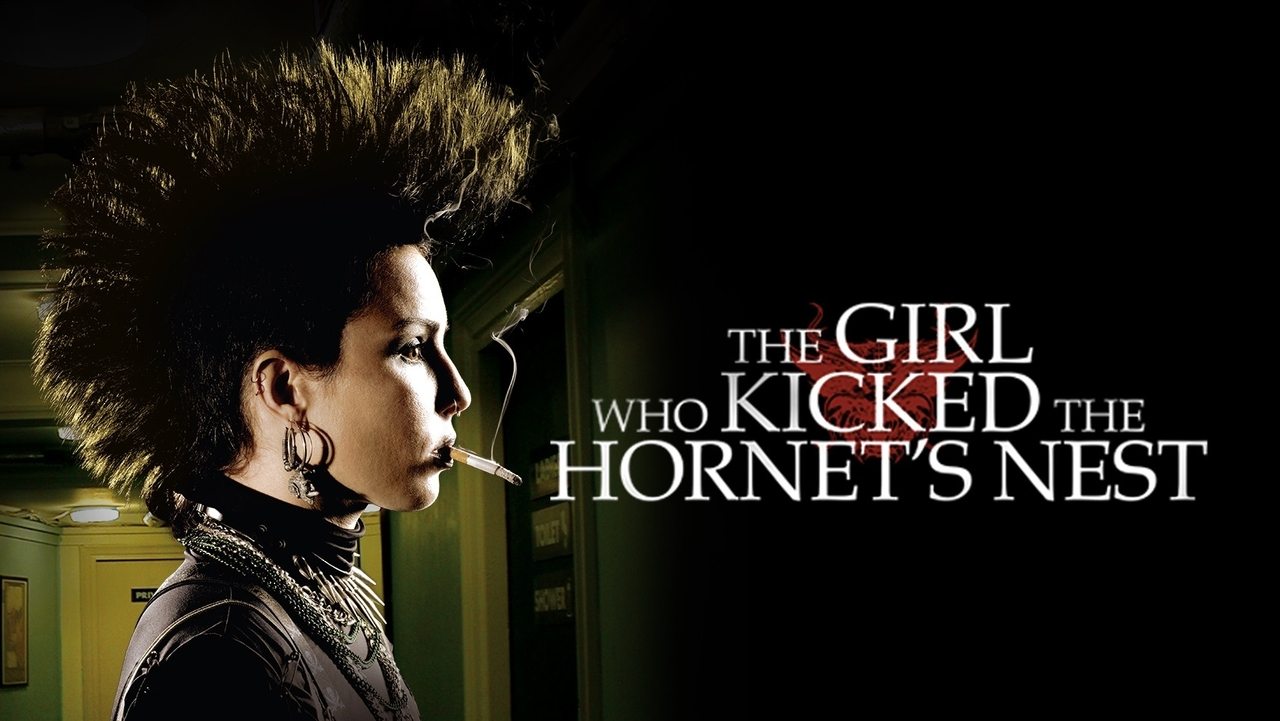
Looking back at this era of "Modern Cinema," it’s easy to forget that this was a relatively small-scale Swedish production. With a budget of only $4 million, director Daniel Alfredson couldn't rely on the digital wizardry that was beginning to swallow Hollywood at the time. There are no CGI-heavy set pieces here. Instead, the film leans into the "Nordic Noir" aesthetic: harsh fluorescent lights, grey skies, and a sense of institutional rot.
This lack of polish actually works in its favor. In an age where we were seeing the birth of the MCU and the polish of David Fincher (who would later direct the American remake), there’s something wonderfully gritty about the Swedish original. The violence feels "heavy" because it’s practical. When someone gets hit, they don’t fly across the room in a digital blur; they just fall down hard. The sound design by Jacob Groth emphasizes this—every door slam and keyboard click feels weighted with consequence.
I’ve always felt that the American remake missed the point by making Lisbeth too "cool." In the Swedish films, especially this finale, she’s often awkward and deeply traumatized. The triumph isn’t that she becomes a superhero; it’s that she survives a system designed to erase her.
The Legacy of the "Section"
The plot involving "The Section"—a shadow group within the Swedish government—can feel a bit dense at times. It’s a lot of old men in suits talking in wood-paneled rooms. If you’re watching this five minutes before your bus arrives, you might find the political maneuvering a bit dry. However, the stakes are what keep it afloat. This is a story about the "Deep State" before that term became a common political buzzword, and the film captures that turn-of-the-millennium anxiety about how much our governments are hiding from us.
It’s also a great example of the DVD culture of the time. This was a movie people "discovered" on disc or through word-of-mouth. It felt like a secret you were sharing with friends. The pacing is deliberate—some might say slow—but it earns its 147-minute runtime by making sure every villain gets exactly what's coming to them. There's a particular satisfaction in watching a group of entitled, powerful men get outmaneuvered by a "girl" they dismissed as mentally unstable.
Does it hold up? Absolutely. While the technology (the bulky laptops and early 2000s internet interfaces) has aged, the central theme of a woman reclaiming her narrative from a corrupt patriarchy feels more relevant than ever. It’s a somber, heavy, and ultimately soaring conclusion to one of the best trilogies of its decade.
The film is a bit more "talky" than its predecessors, and the direction by Daniel Alfredson lacks some of the stylistic flair of the first film, but it’s the necessary closing of a circle. It’s the sound of a very loud nest finally being kicked over, and the buzzing that follows is pure cinematic justice. If you’ve followed Lisbeth this far, you owe it to yourself to see her finish the fight. It’s the kind of ending that makes you want to go out and buy a leather jacket—even if you know you could never pull it off like Rapace does.

Keep Exploring...
-
The Girl Who Played with Fire
2009
-
The Girl with the Dragon Tattoo
2009
-
Felon
2008
-

The Chaser
2008
-

Blood and Bone
2009
-

The Man from Nowhere
2010
-
Undisputed III: Redemption
2010
-
The Raid
2012
-
Marshland
2014
-
The Raid 2
2014
-
Hard Boiled
1992
-

Sherlock Holmes: A Game of Shadows
2011
-
Batman: The Dark Knight Returns, Part 1
2012
-

Batman: The Dark Knight Returns, Part 2
2013
-

The International
2009
-
The Losers
2010
-

Kill Bill: Vol. 2
2004
-
Kiss Kiss Bang Bang
2005
-
The Protector
2005
-
Lucky Number Slevin
2006