The Girl with the Dragon Tattoo
"Vengeance has a name, and she’s wearing black leather."
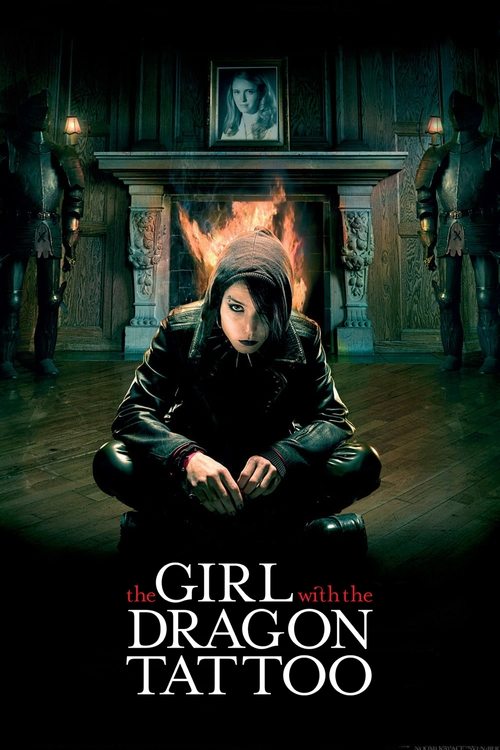
Sweden has a distinct way of making sunlight look like an interrogation lamp. In The Girl with the Dragon Tattoo (2009), the snow isn't picturesque; it’s a shroud covering decades of buried filth. Long before David Fincher brought his glossy, industrial precision to the story, director Niels Arden Oplev delivered this grim, rain-slicked piece of Nordic Noir that felt less like a movie and more like a cold-case file bleeding onto the screen. I watched this for the third time recently on a laptop with a dying battery while sitting in a drafty kitchen, and honestly, the slight shivering felt like the intended 4D experience.
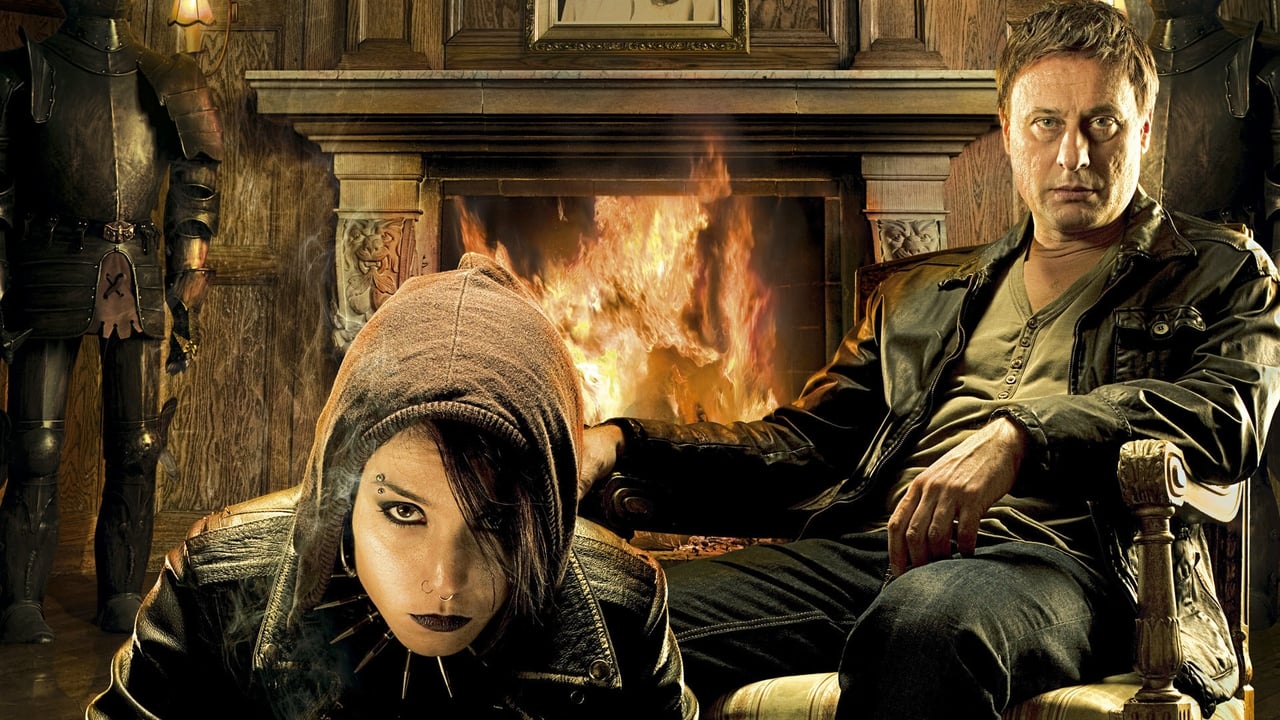
The film arrived at the tail end of the 2000s, right as the "Millennium" book trilogy was becoming a genuine global contagion. It’s easy to forget now, but this wasn't just a movie—it was a cultural event that made reading subtitles "cool" again for the mass market. It took a $13 million budget and turned it into over $100 million at the box office, proving that audiences were starving for adult thrillers that didn't treat them like children.
The Punk and the Publisher
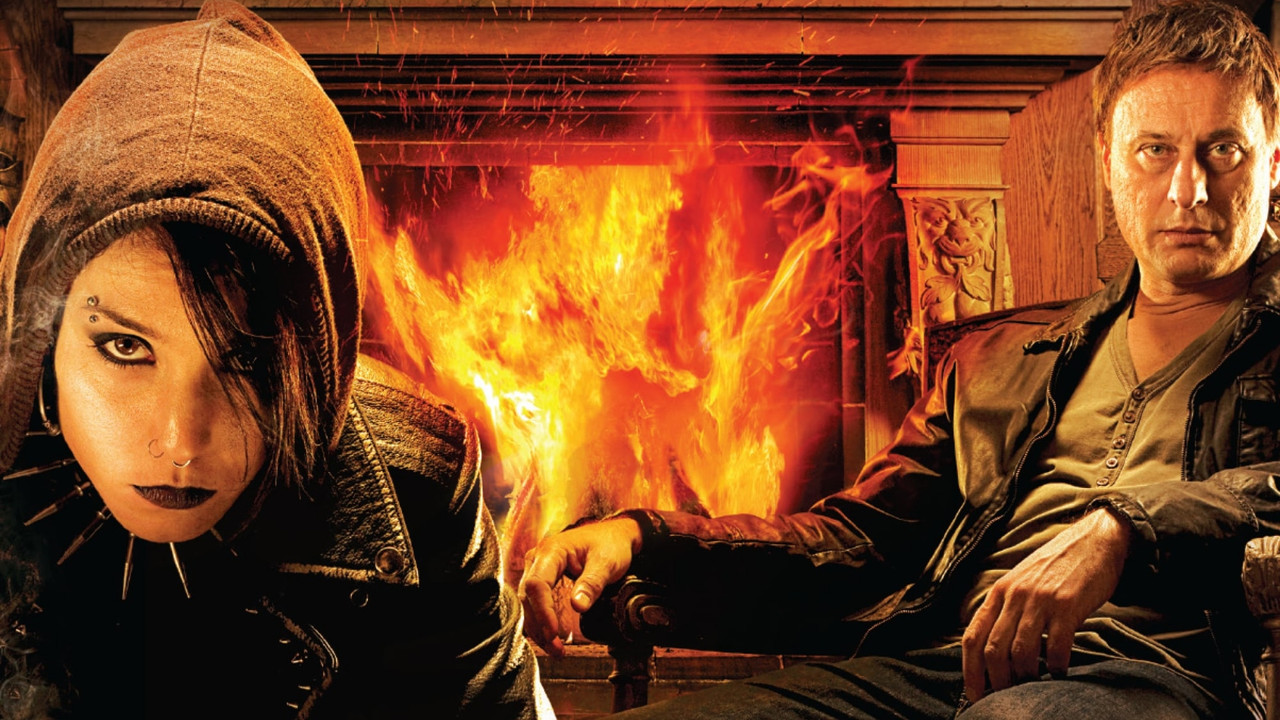
At the center of the storm is Lisbeth Salander, played by Noomi Rapace in a performance that didn't just launch her career; it scorched the earth behind her. While Rooney Mara would later offer a more ethereal, alien interpretation of the character, Rapace gives us a Lisbeth who is pure, concentrated scar tissue. She is feral, defensive, and incredibly sharp. When she’s on screen, you aren't just watching a "hacker"—you’re watching someone who has survived the worst of humanity and decided to hack back. Rapace reportedly spent seven months preparing for the role, which included getting her own motorcycle license and several real piercings, and it shows in the way she carries herself—like a coiled spring.
Opposite her is Michael Nyqvist as Mikael Blomkvist. Nyqvist brings a weary, rumpled dignity to the role of the disgraced journalist. He’s the perfect foil to Salander’s jagged edges; he’s a man who still believes in the system even after it’s kicked him in the teeth. Their chemistry isn't about romance—it’s about two people realizing they are the only ones in the room with a moral compass that still points north. Nyqvist plays Blomkvist with such relatable vulnerability that you genuinely fear for him when he starts poking around the Vanger estate. He’s a guy who looks like he needs a nap and a very strong coffee, not a confrontation with a serial killer.
A Legacy Written in Blood
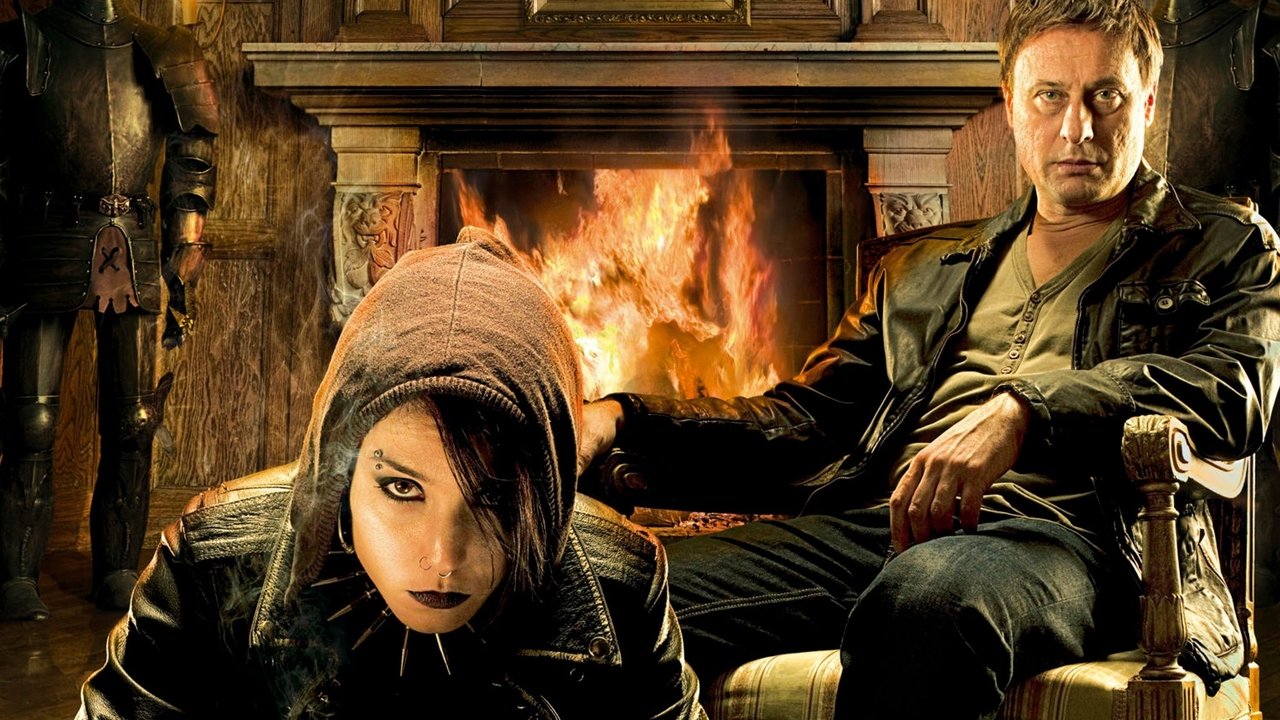
The plot kicks off when Henrik Vanger (Sven-Bertil Taube), an aging patriarch of a wealthy industrial family, hires Blomkvist to solve the 40-year-old disappearance of his niece, Harriet. It’s a classic "closed-circle" mystery—think Agatha Christie, but with much more misogyny and Nazi skeletons in the closet. The original Swedish title, Män som hatar kvinnor (Men Who Hate Women), is far more descriptive of the film’s actual soul. This is a story about the systemic abuse of women and the monsters who hide behind corporate logos and high-end mahogany furniture.
The film's pacing is deliberate, reflecting the era's transition from the frantic "shaky-cam" edits of the mid-2000s toward a more stolid, atmospheric drama. Eric Kress’s cinematography captures the Swedish landscape with a muted, desaturated palette that makes everything feel slightly damp. There’s a sequence where Blomkvist is analyzing old photographs from a 1966 parade, and the way the film handles this digital detective work is surprisingly gripping. It’s a reminder of a time when "research" in movies still felt tactile, even when it involved a computer screen.
The Cost of the Truth
One of the most striking things about looking back at this 2009 version is how tactile and "real" the production feels. Before the era of over-sanitized digital effects took over every genre, this film relied on grim, practical locations. The Vanger estate feels like a tomb. The basement scenes—which I won’t spoil if you’re a newcomer—possess a weight that CGI can’t replicate. It’s a film that earns its "R" rating not through spectacle, but through a refusal to look away from the ugly parts of the human condition.
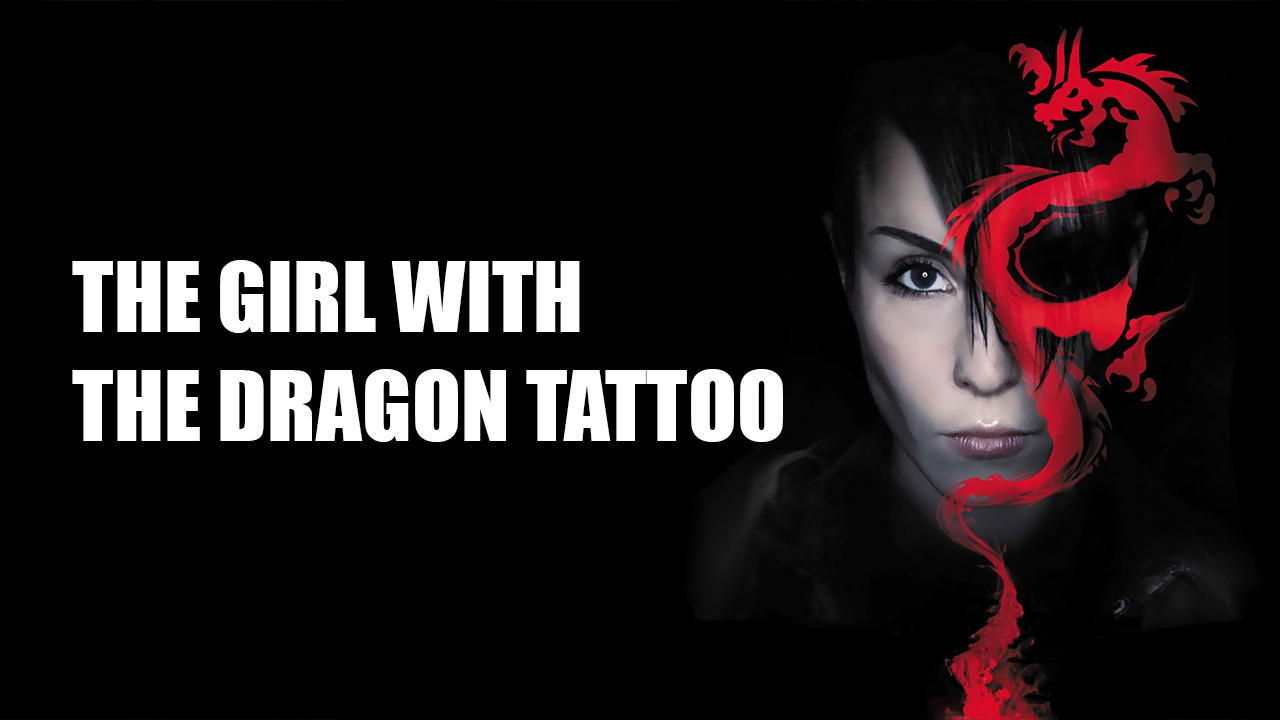
Apparently, the film was initially intended for a Swedish television miniseries, which explains the generous 152-minute runtime. However, the production quality was so high and the early buzz so deafening that they pivoted to a theatrical release. It was a gamble that paid off, sparking a "Nordic Noir" boom that gave us everything from The Bridge to a dozen different crime procedurals with "The" and a noun in the title. Fincher’s remake was prettier, but this version has more dirt under its fingernails.
The film also captures a specific technological anxiety of the late 2000s. Lisbeth’s "god-mode" hacking skills felt like magic at the time, but in retrospect, they represent the early internet's promise: that a single person with a keyboard could actually topple the powerful. It’s a bit of wish-fulfillment that still tastes good today.
This is a film that demands your full attention and rewards it with a persistent sense of dread. It handles its difficult themes with a heavy hand, but that heaviness is appropriate for the subject matter. It isn't "fun" in the traditional sense, but it is deeply satisfying to watch two broken people systematically dismantle a corrupt hierarchy. If you can stomach the brutality, it remains one of the most effective thrillers of the 21st century. Just make sure you turn the heat up in your house before you start—you're going to feel the chill.

Keep Exploring...
-
The Girl Who Played with Fire
2009
-
The Girl Who Kicked the Hornet's Nest
2009
-
Primal Fear
1996
-
Mystic River
2003
-
Lucky Number Slevin
2006
-
Tell No One
2006
-

Inside Man
2006
-
The Town
2010
-
L.A. Confidential
1997
-
Arlington Road
1999
-
Infernal Affairs
2002
-
In the Line of Fire
1993
-
Collateral
2004
-
The Bourne Ultimatum
2007
-

The Dark Knight Rises
2012
-
I'm Not Scared
2003
-
Dead Man Down
2013
-
Ghost
1990
-
Cape Fear
1991
-
A Perfect World
1993