The Hangover
"The definitive morning-after mystery that turned a stag party into a global phenomenon."
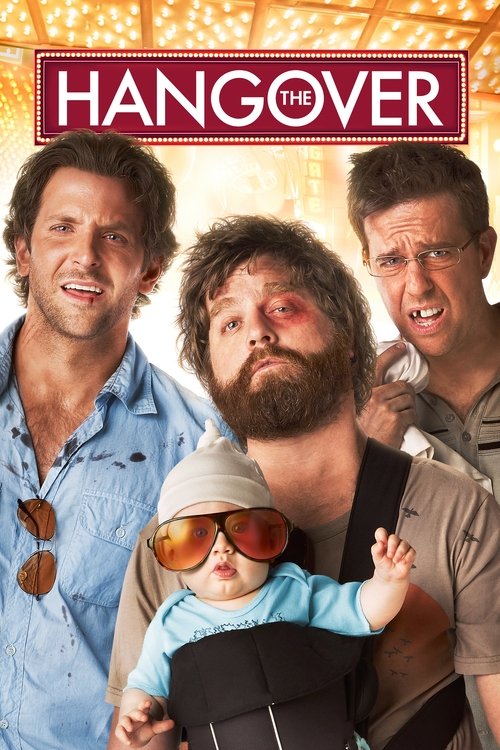
There is a specific, agonizing silence that only occurs when the adrenaline of a bad decision finally wears off and the sunlight starts hitting the carpet. It’s the sound of a brain trying to reassemble a jigsaw puzzle where half the pieces have been eaten by a tiger. When I first sat down to watch The Hangover in a theater where the air conditioning was cranked so high I had to pull my arms inside my t-shirt like a turtle, I didn't expect a revolution. I expected a few dick jokes and a standard Vegas romp. Instead, I got what is essentially the cinematic equivalent of finding a twenty-dollar bill in a pair of pants you haven’t washed since college.
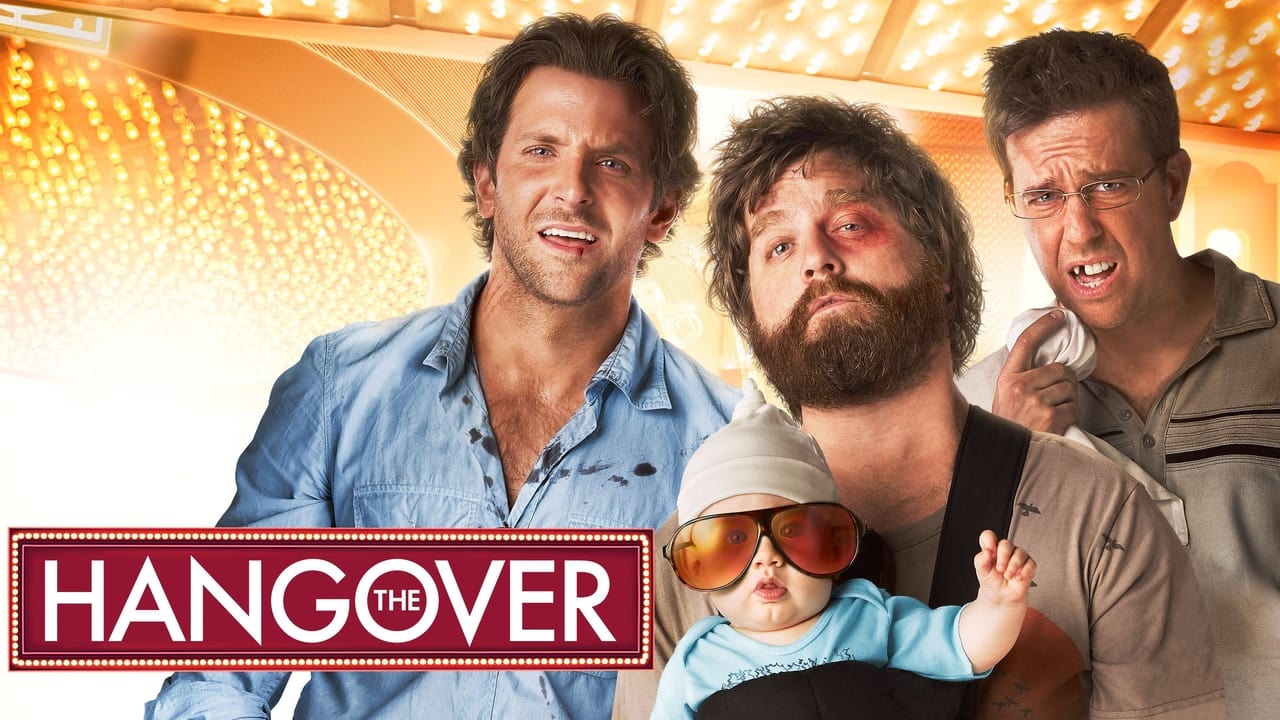
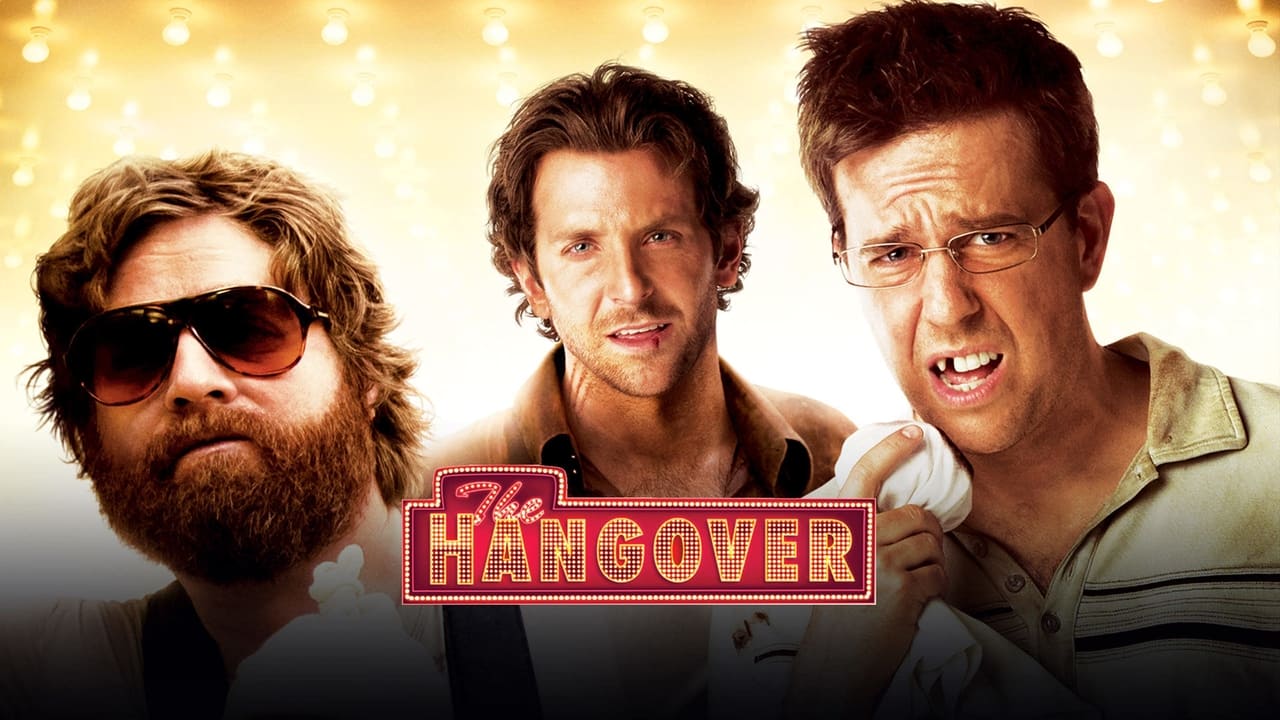
Directed by Todd Phillips, who had already proven his frat-comedy bona fides with Old School, the film takes a brilliant structural gamble: it skips the party entirely. We don’t see the shots being poured or the bad choices being made. We wake up with the "Wolfpack" in a trashed suite at Caesar's Palace, staring at a smoking chair and a literal tiger in the bathroom. By starting at the end and working backward, Phillips turned a raunchy comedy into a surprisingly tight detective noir.
The Alchemy of the Wolfpack
The genius of the film lies in the chemistry between three actors who, at the time, weren't exactly "A-list" stars. Bradley Cooper was the slick guy from Wedding Crashers who seemed destined for secondary "jerk" roles. Ed Helms was the "nard-dog" from The Office. And Zach Galifianakis? He was a cult comedian known mostly for playing a piano while telling jokes about his beard. Together, they formed a perfect comedic triangle: the Ego, the Superego, and whatever chaotic neutral entity Galifianakis represents.
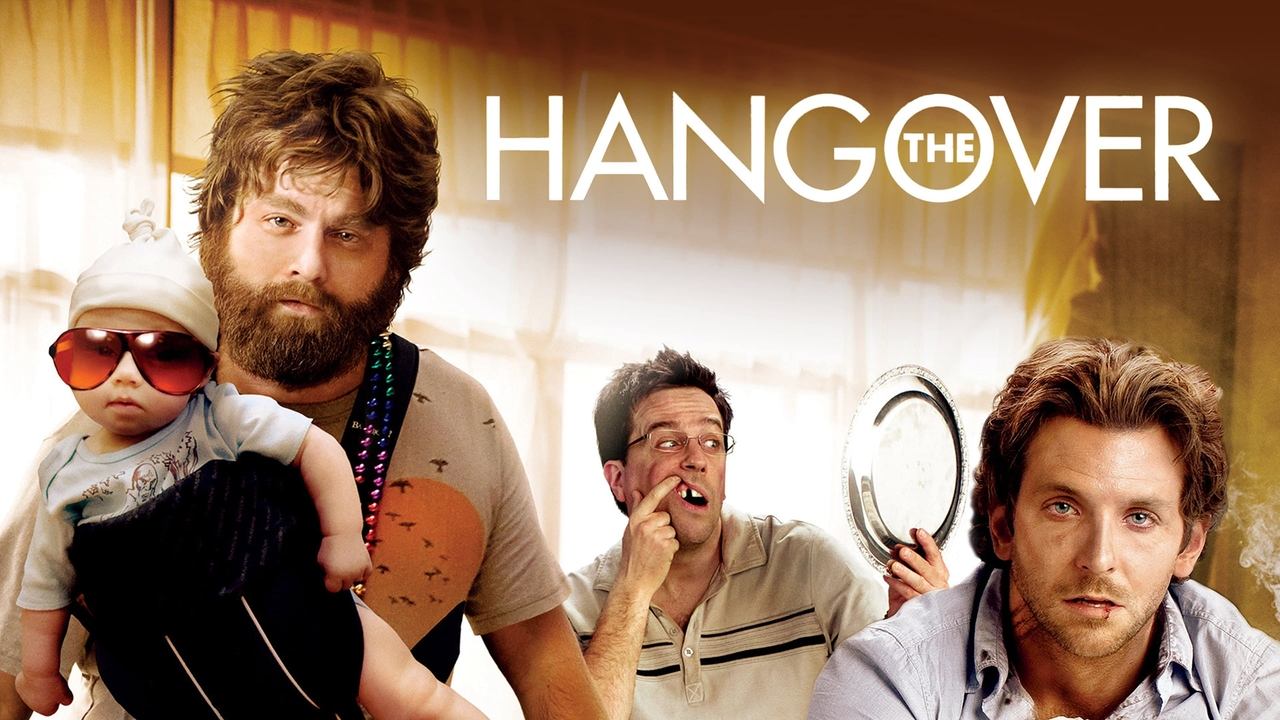
Zach Galifianakis is the gravitational center of the movie. His delivery of the "one-man wolfpack" speech was largely ad-libbed, and it’s a masterstroke of bizarre character work. He manages to be both the most annoying person on earth and the only person you’d ever want to go to Vegas with. Looking back from a post-2010s perspective, it’s easy to forget how much this role changed comedy. Before this, "the weird guy" in comedies usually had a gimmick; Alan Garner just was a gimmick, a bearded agent of chaos who accidentally roofies his best friends because he thought they were ecstasy.
A High-Stakes Mystery in Neon
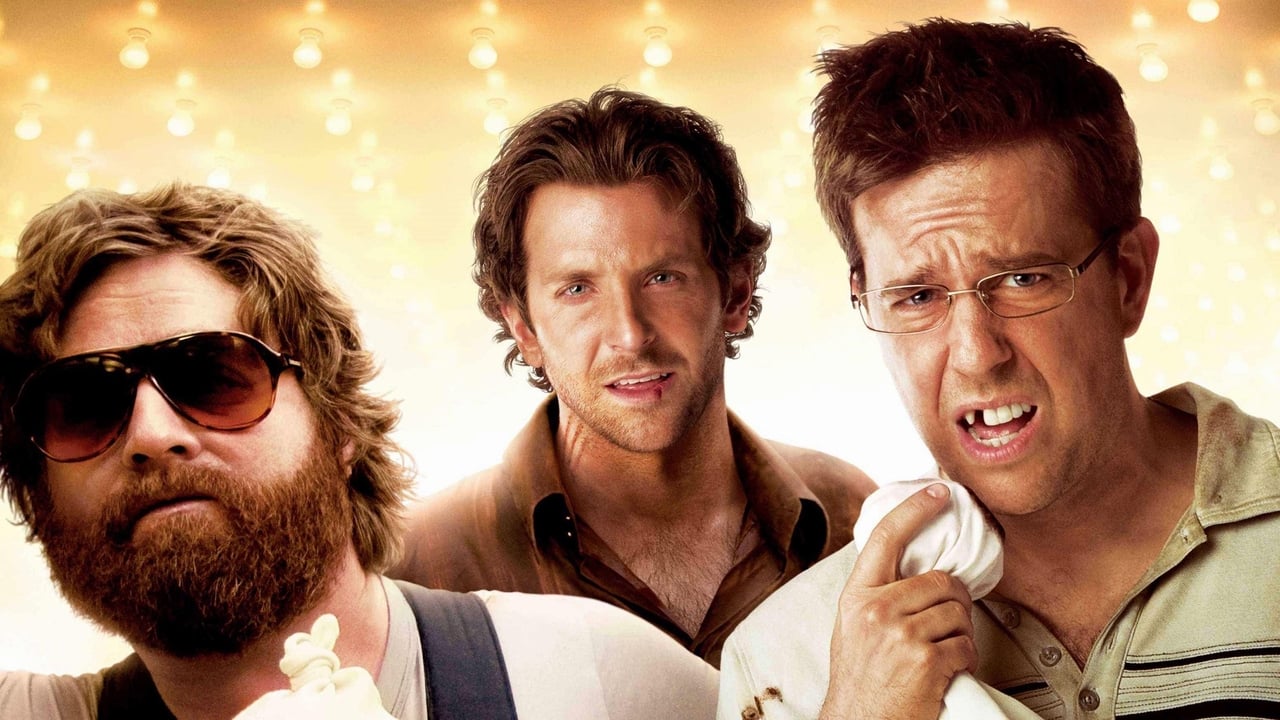
What keeps The Hangover from feeling like a standard "guys being dudes" movie is the genuine sense of stakes. Justin Bartha as Doug is the missing piece of the puzzle, and the ticking clock—getting him back to his wedding to Sasha Barrese—provides a propulsive energy that most comedies lack. I’ve always maintained that this is actually a noir mystery for people who think "blacking out" is a personality trait.
The film also captures a very specific 2009 version of Las Vegas. It’s not the polished, corporate Disney-fied Vegas we see today, nor the high-rolling Sinatra Vegas of the past. It’s the grimy, sun-drenched nightmare of the late 2000s, full of payday loan centers, wedding chapels featuring Heather Graham, and the ever-looming threat of Mike Tyson punching you in the face. Speaking of the champ, Tyson’s cameo was a cultural reset. At the time, the legendary boxer was looking for a way to pay off some mounting debts and stay busy. Little did he know he’d be air-drumming to Phil Collins in the biggest comedy of the decade.
The Last Hurrah of the DVD Era
We have to talk about the numbers because they are staggering. With a modest $35 million budget, the film clawed its way to nearly $470 million worldwide. It wasn't just a hit; it was a phenomenon that launched a franchise, though the sequels famously struggled to catch lightning in a bottle twice. This was also one of the last great "DVD events." I remember the "Unrated Edition" being a staple of every college dorm room. The special features, particularly the photos during the end credits, were as much a part of the experience as the movie itself.
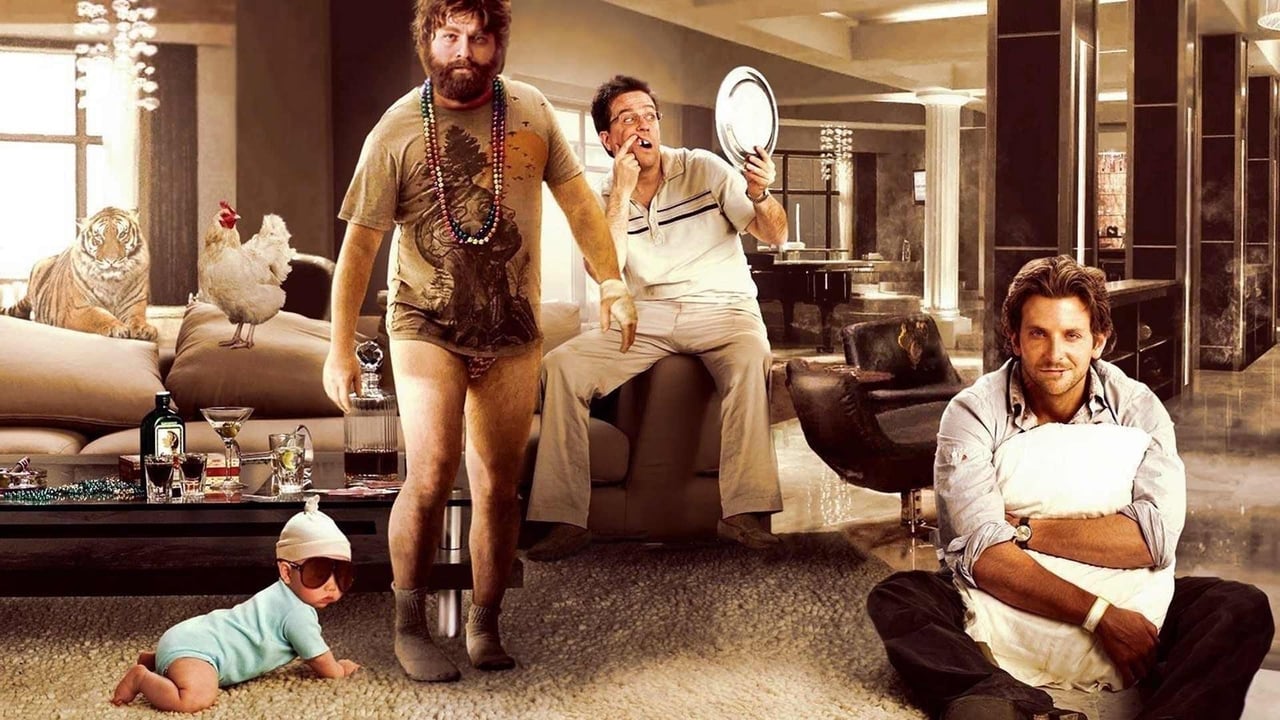
There’s a legendary bit of trivia regarding Ed Helms and his missing tooth. Many people assumed it was CGI or a clever prosthetic, but it turns out Helms actually never had a permanent adult incisor grow in. He had an implant for years, which he simply had a dentist remove for the duration of filming to give Stu that perfectly pathetic, gap-toothed look. That level of commitment to a visual gag is why the film still works. It isn't just a script; it’s a collection of performers willing to look truly, deeply stupid for our amusement.
While some of the humor definitely reveals its 2009 origins—certain jokes about "roofies" and gender roles have aged like room-temperature shrimp—the core of the movie remains remarkably sturdy. It respects the logic of its own world. When they find a baby in the closet, the movie doesn't just use it for a quick laugh; it integrates the kid into the plot. When they steal a police car, there are actual (hilarity-ensuing) consequences.
The Hangover remains the high-water mark for the R-rated studio comedy before the genre largely migrated to streaming services. It’s a beautifully paced, expertly cast, and genuinely surprising ride that manages to make a ruined weekend feel like an epic quest. It’s a reminder that sometimes the best stories aren't the ones you remember, but the ones you have to piece together from the receipts in your pocket.
Keep Exploring...
-
The Hangover Part II
2011
-
The Hangover Part III
2013
-
Due Date
2010
-
Silver Linings Playbook
2012
-

Old School
2003
-
Road Trip
2000
-

The SpongeBob SquarePants Movie
2004
-
We're the Millers
2013
-
Birdman or (The Unexpected Virtue of Ignorance)
2014
-

Puss in Boots
2011
-
Despicable Me 2
2013
-

DodgeBall: A True Underdog Story
2004
-

Mean Girls
2004
-
Sideways
2004
-
The Princess Diaries 2: Royal Engagement
2004
-
White Chicks
2004
-
Nanny McPhee
2005
-
The 40 Year Old Virgin
2005
-

Wallace & Gromit: The Curse of the Were-Rabbit
2005
-
Wedding Crashers
2005