The Haunting in Connecticut
"Cancer, coffins, and the lie of a true story."

If you walked into a multiplex in 2009, you were likely assaulted by a poster claiming a horror movie was "Based on a True Story." It was the era’s favorite marketing trick, a way to add a layer of prestige to what was often just another exercise in jump scares. The Haunting in Connecticut didn’t just lean into this; it practically built a temple to the "true story" of the Snedeker family and their supposed run-in with a demonic funeral home. Looking back, it’s a fascinating relic of a time when Hollywood was moving away from the "torture porn" of Saw and Hostel and pivoting toward the atmospheric, supernatural dread that James Wan would eventually perfect with The Conjuring.
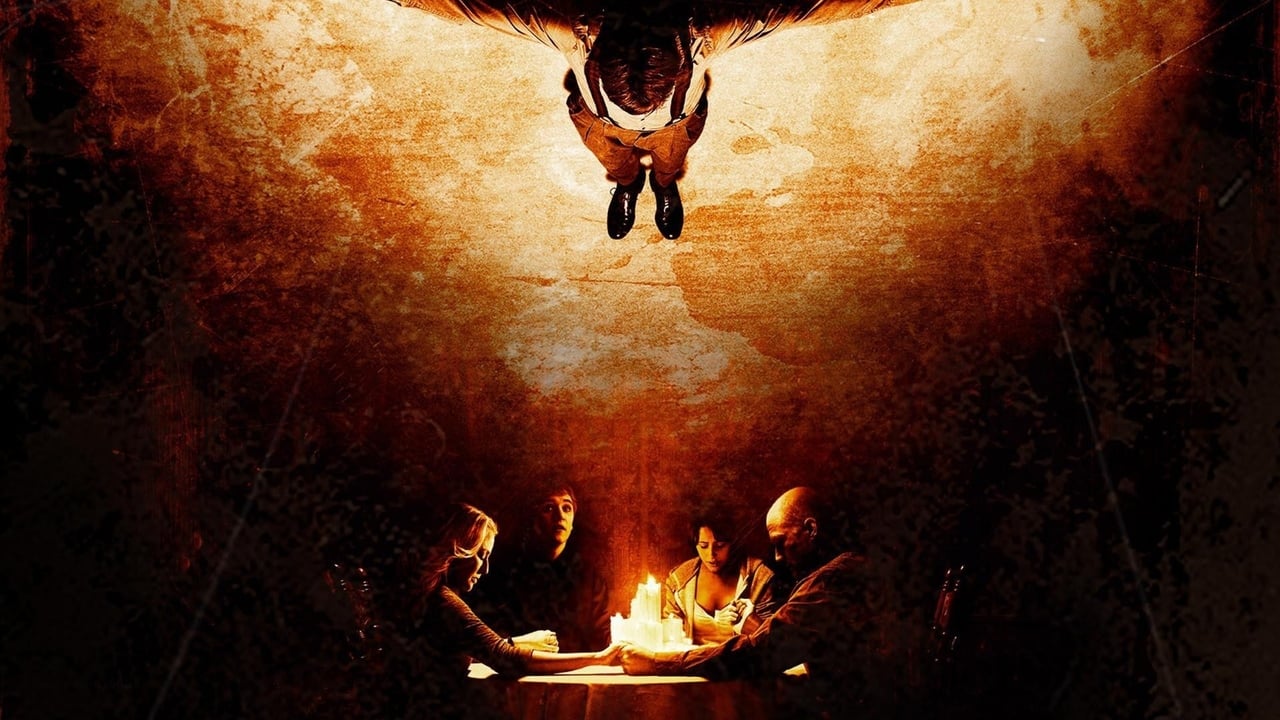
I revisited this one on a Tuesday afternoon while nursing a slightly cold cup of peppermint tea and dealing with a persistent itch on my left ankle that I'm 90% sure was a mosquito bite from three days ago. It’s funny how a movie designed to be terrifying feels so much more manageable when you’re distracted by minor dermatological annoyances.
The Gospel of the Gimmick
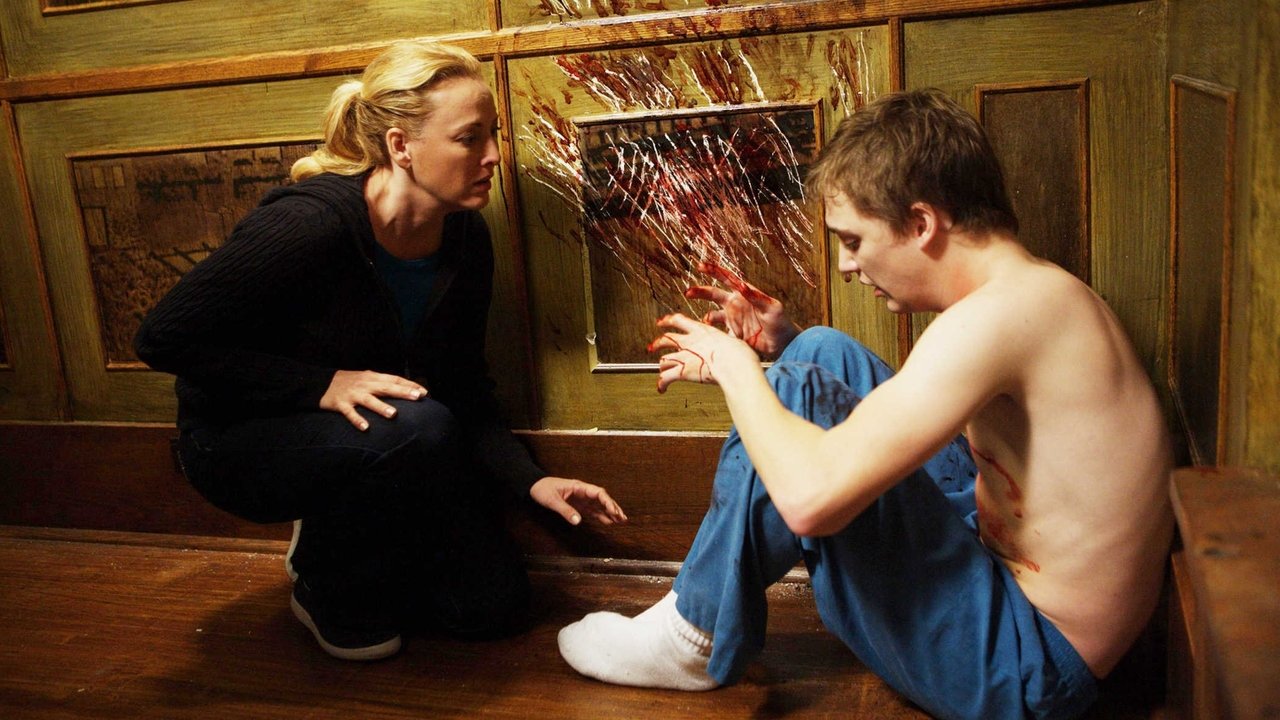
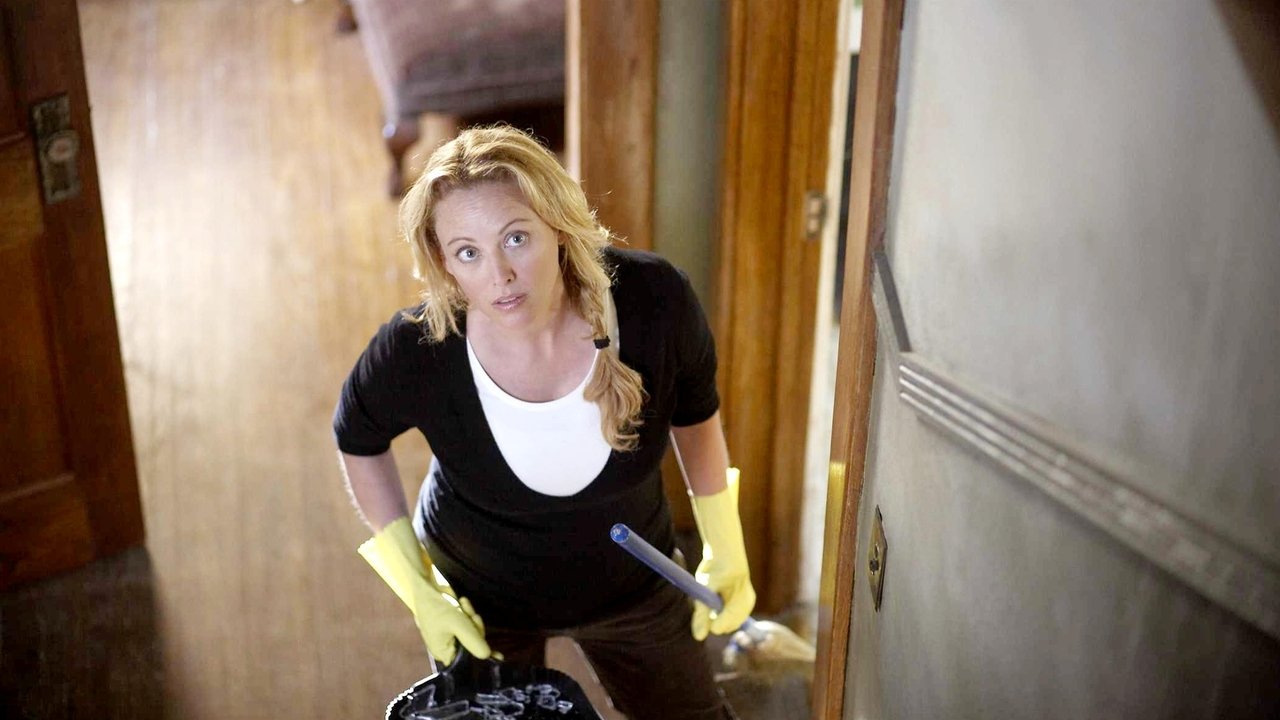
The film centers on the Campbell family. Virginia Madsen (Candyman, Sideways) plays Sara, a mother desperate to save her son, Matt, played by Kyle Gallner. Matt has cancer, and the grueling travel for his treatments leads the family to rent a suspiciously cheap, cavernous Victorian home in Connecticut. As it turns out, the house used to be a funeral parlor. And because this is a 2009 horror movie, the previous owners weren't just morticians—they were practitioners of "necromancy" who liked to sew eyelids shut and store "ectoplasm" in jars.
Virginia Madsen brings a level of gravitas to this role that the script probably didn't deserve. She’s excellent at projecting that specific brand of maternal exhaustion. Then you have Kyle Gallner, who spent the late 2000s being the go-to guy for "troubled, sickly-looking teenager" (see also: Jennifer's Body). He’s great here, using his sunken eyes and pale complexion to blur the line between "I’m dying of cancer" and "I’m being possessed by a Victorian ghost boy."
The scares themselves are a grab bag of the era’s tropes. You’ve got the high-contrast, bleached-out flashbacks, the jittery CGI spirits, and the sudden, loud orchestral stings. It’s a very "loud" movie. However, the practical effects—specifically the makeup on the corpses found behind the walls—actually hold up surprisingly well. There’s a tactile grossness to the discovery of the "trophies" hidden in the house that CGI just can't replicate.
A Relic of the DVD Era
This film feels like it was engineered specifically for the DVD bargain bin at a Blockbuster that was about to close. It has that mid-budget gloss where everything looks a bit too clean, even when it’s supposed to be dusty and haunted. One of the more interesting aspects of the production is how it reflects the transition in horror aesthetics. We were moving out of the "gritty and green" look of the early 2000s and into something more theatrical.
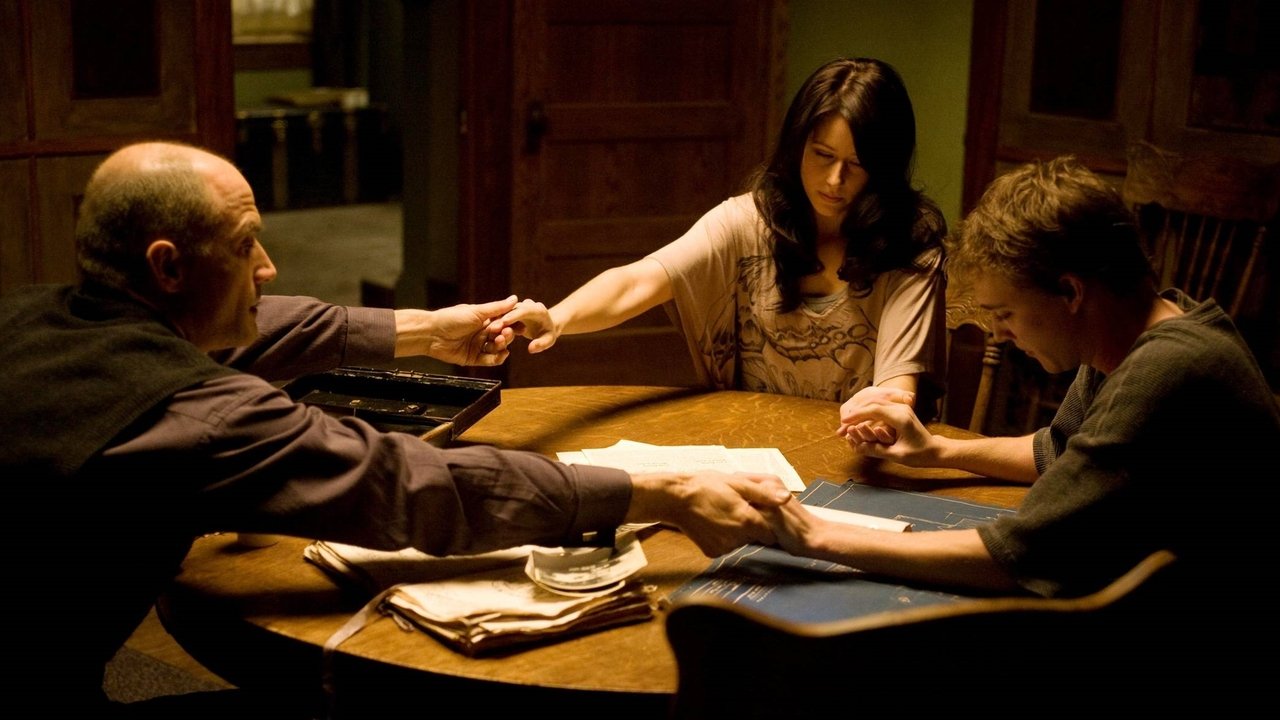
Apparently, the real-life "true story" involved the legendary (and often controversial) demonologists Ed and Lorraine Warren, though they are conspicuously absent from the film. Instead, we get Elias Koteas (The Thin Red Line, Casey Jones in the 1990 Ninja Turtles) as Reverend Popescu. Elias Koteas is essentially playing a bargain-bin version of Max von Sydow from The Exorcist, but he does it with such intense sincerity that you almost believe him. He’s the one who has to explain the "gateway to the other side" logic, and he manages to do it without blinking, which is a feat in itself.
The film's biggest hurdle, fifteen years later, is how much it relies on the "cancer as a conduit" trope. It’s a bit macabre, even for a horror movie, to equate a terminal illness with a supernatural invitation. It gives the film a heavy, somber tone that occasionally clashes with the sillier moments, like ghosts hiding under the bedsheets.
Behind the Seams
One of the cooler details I picked up on during this rewatch was the cinematography by Adam Swica. He uses a lot of tight, claustrophobic framing in the basement scenes that makes the house feel like it’s physically shrinking around Matt. It’s a clever way to mirror the character's internal struggle with his illness.
The "ectoplasm" scenes are the most "2009" part of the whole experience. Back then, we were still figuring out how to make digital fluids look convincing, and the result here is a weird, smoky substance that looks more like a screensaver than a ghostly residue. It’s not "bad," but it’s a clear marker of the technology of the time. The 2000s were obsessed with giving ghosts a tragic backstory that involved 19th-century surgery, even when a simple "this place is evil" would have sufficed.
Despite the flaws, there's a reason this film tripled its budget at the box office. It’s a solid, meat-and-potatoes haunted house story. It doesn't reinvent the wheel, but it knows how to spin it. It’s the kind of movie you find on a streaming service on a rainy Sunday and think, "Yeah, I could do worse."
Ultimately, The Haunting in Connecticut is a snapshot of a genre in flux. It lacks the surgical precision of The Conjuring or the raw, low-budget ingenuity of Paranormal Activity (which came out the same year and essentially ate this movie's lunch). It’s a polished, well-acted, but ultimately predictable ride through a house we’ve visited many times before. If you’re a fan of Virginia Madsen or you just want to see some effective, creepy production design, it’s worth a look—just don’t expect the "true story" to stay with you once the lights come up.
Keep Exploring...
-

Silent Hill: Revelation 3D
2012
-
The Hitcher
2007
-

Vacancy
2007
-
Quarantine
2008
-
The Eye
2008
-
Untraceable
2008
-
The Descent: Part 2
2009
-
The Last House on the Left
2009
-
The Stepfather
2009
-
The Ward
2010
-
House at the End of the Street
2012
-

Curse of Chucky
2013
-
13 Sins
2014
-
Candyman
1992
-
Land of the Dead
2005
-
The Grudge 2
2006
-
The Hills Have Eyes 2
2007
-

The Invasion
2007
-
Wrong Turn 2: Dead End
2007
-
Carriers
2009