The International
"Debt is the new weapon of war."

I distinctly remember watching The International for the first time on a flight where the woman in the middle seat was aggressively knitting a neon-green scarf. Every time Clive Owen dodged a bullet, I got a knitting needle nearly shoved into my peripheral vision. Oddly enough, that frantic, rhythmic clicking of the needles matched the movie’s cold, mechanical heartbeat perfectly.
Released in early 2009, just as the global financial system was doing its best impression of a lead balloon, The International is a strange, prickly beast. It’s an "adult" thriller in the way movies rarely are anymore—it’s not interested in quippy one-liners or origin stories. Instead, it’s obsessed with architecture, high-finance conspiracy, and the grim realization that you can’t actually "beat" a bank with a handgun.
The Most Expensive House Guest in History
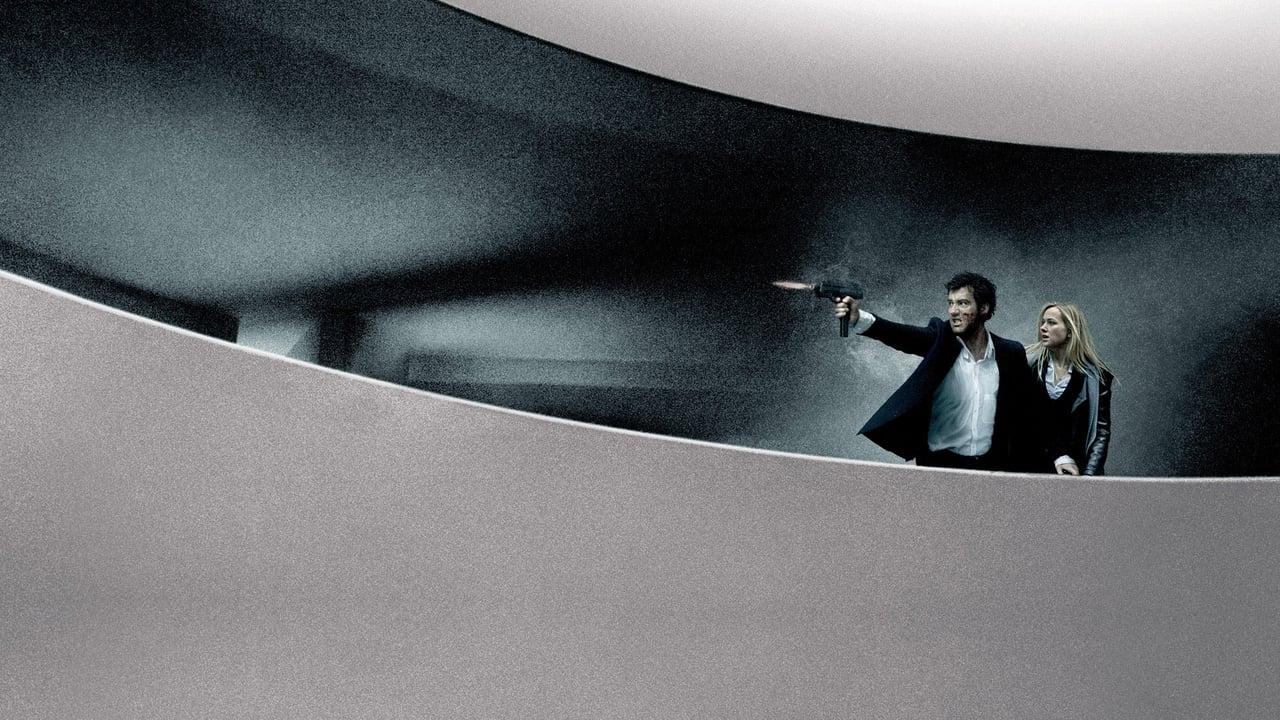
If you’ve heard of this movie at all, it’s because of "The Shootout." We need to talk about the Guggenheim. Director Tom Tykwer (the man who gave us the frantic energy of Run Lola Run) stages a centerpiece action sequence inside New York’s iconic Frank Lloyd Wright-designed museum that is, quite frankly, an architectural bloodbath.
Here’s the kicker: they didn’t shoot it in the actual Guggenheim. The museum (rightfully) didn't want thousands of squibs and fake blood ruining the white walls. So, the production spent a massive chunk of their $50 million budget building a full-scale replica inside a locomotive shed at Studio Babelsberg in Germany.
The result is one of the most spatially coherent action scenes of the 2000s. Brían F. O'Byrne, playing a hitman known simply as The Consultant, engages in a multi-level vertical war with Clive Owen’s Louis Salinger. Watching the pristine white curves of the museum get shredded by submachine gun fire is heartbreakingly beautiful. It’s not just "action"; it’s a physical manifestation of the film’s theme—the destruction of culture and order by the messy, violent reality of greed. The sound design here is so crisp you can practically smell the plaster dust and cordite.
A World Built of Glass and Cold Steel
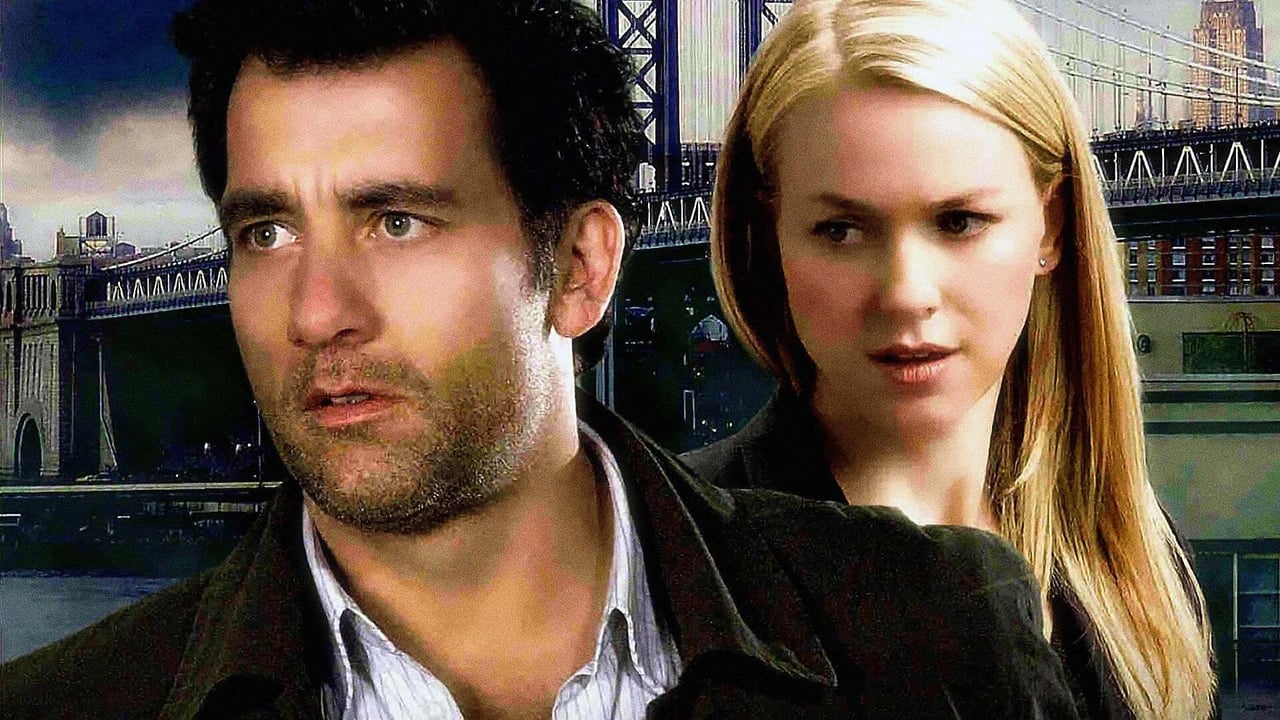
While the action is sparse, the tension is maintained through Frank Griebe’s cinematography. Griebe, who collaborated with Tykwer on Perfume: The Story of a Murderer, treats the world’s cities like cold, unfeeling labyrinths. Whether they are in Berlin, Milan, or Istanbul, the characters are constantly dwarfed by massive, brutalist structures.
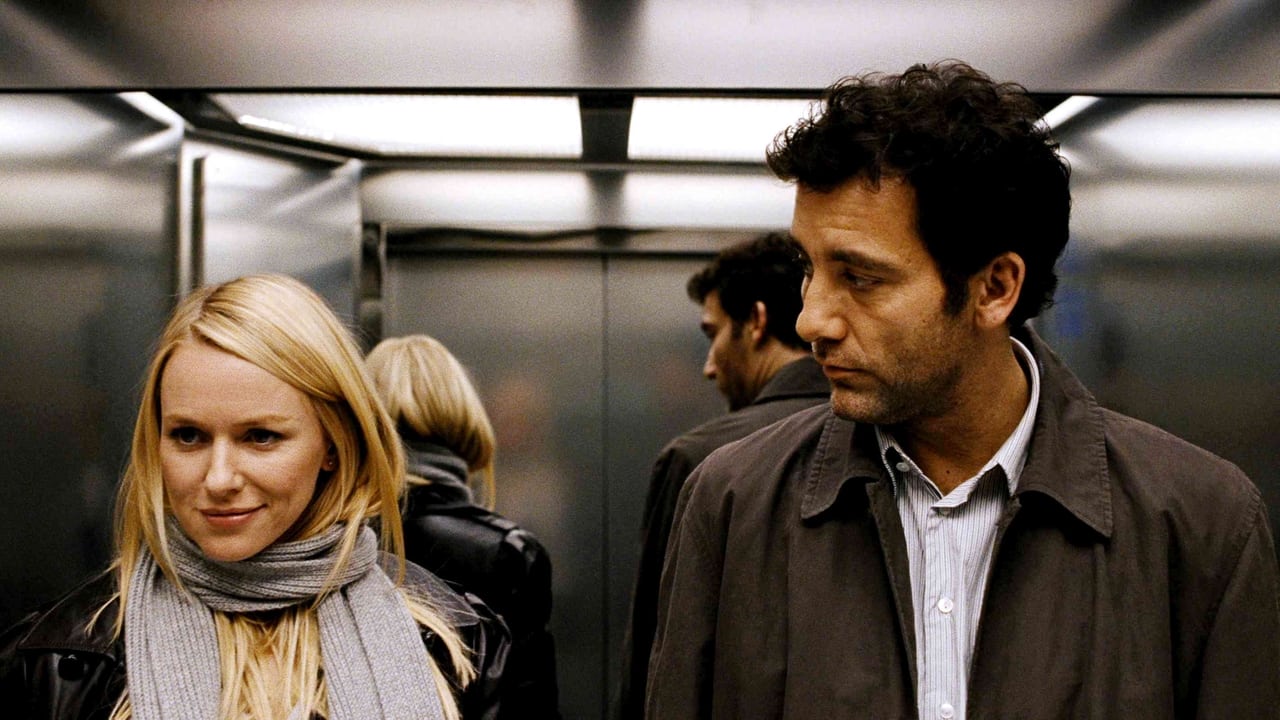
Clive Owen is in his absolute element here. Looking back, he was the king of the "exhausted professional" archetype in the late 2000s (see: Children of Men). He plays Salinger as a man who hasn't slept since the Clinton administration. Opposite him, Naomi Watts as Eleanor Whitman does a lot of the heavy lifting regarding the legal jargon. While their chemistry isn't romantic—thankfully, the script avoids a forced subplot—they share a believable "us against the world" weariness.
The film captures that specific post-9/11, pre-MCU window where Hollywood was trying to make international thrillers feel grounded and "European." It’s less James Bond and more Le Carré with a higher body count. Ulrich Thomsen and Armin Mueller-Stahl (the latter of whom was so good in Eastern Promises) provide the corporate face of evil. They aren't twirling mustaches; they are just men in very expensive suits explaining why your mortgage is actually a weapon.
Why Did This Disappear?
Looking back from 2024, it’s easy to see why The International didn’t ignite the box office. It’s a cynical movie released at a time when people were losing their homes to real-life versions of the fictional IBBC bank. It’s also a movie where the "hero" doesn't really get a traditional win. The film suggests that the system is self-correcting—if you kill one corrupt banker, the board of directors just hires another one with a faster blackberry.
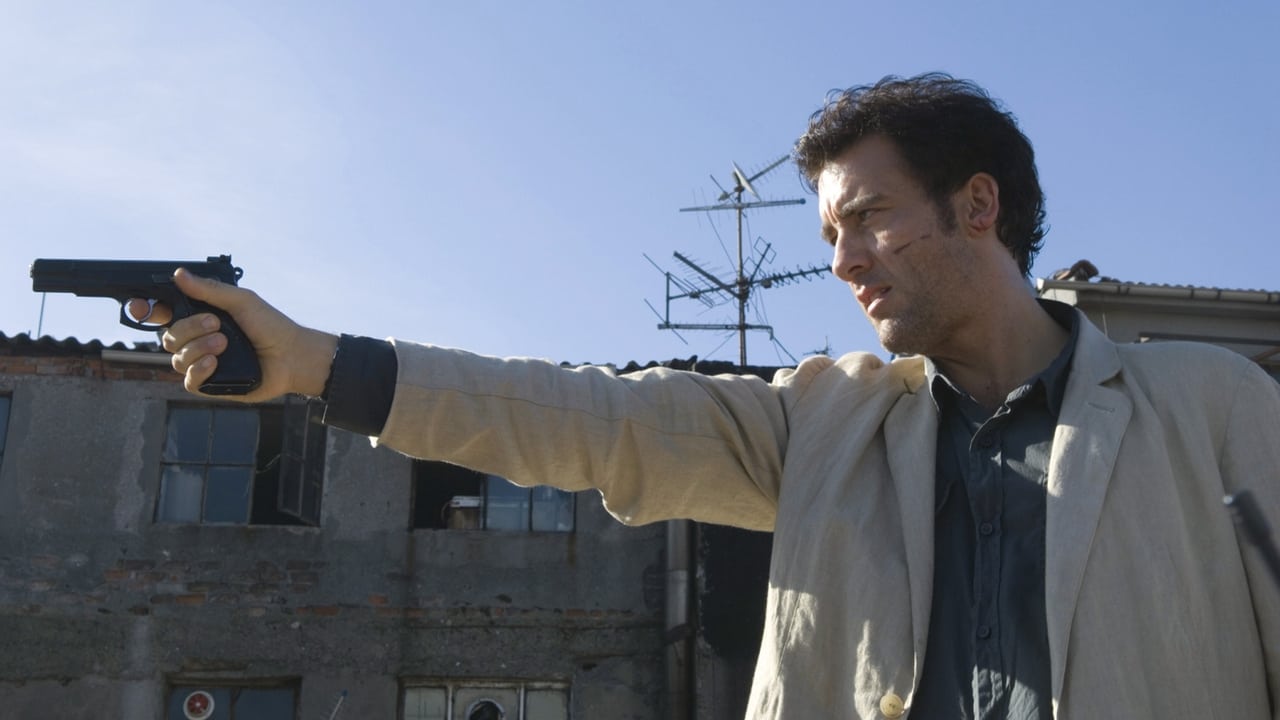
It also lacks the "shaky-cam" frenzy that was mandatory after The Bourne Supremacy. Tykwer prefers long, wide shots that show you exactly where everyone is standing. In an era of digital transition, The International was shot on 35mm film, and it glows with a richness that modern digital thrillers often lack. It feels heavy, expensive, and deliberate.
The score, composed by Tom Tykwer himself along with Reinhold Heil and Johnny Klimek, is a masterclass in minimalist dread. It doesn't tell you how to feel with sweeping strings; it just hums in the background like a server room at 3:00 AM.
The International is a high-IQ action movie that respects your time and your intelligence. It might feel a bit slow for those raised on the "cut-every-two-seconds" school of filmmaking, but the payoff at the Guggenheim is worth the price of admission alone. It’s a fascinating relic of a time when we were just beginning to realize that the most dangerous people in the world weren't hiding in caves, but in glass offices in Luxembourg. If you missed it during the 2009 shuffle, it’s time to settle your debt with this one.
Keep Exploring...
-
The Losers
2010
-

The Long Kiss Goodnight
1996
-
Along Came a Spider
2001
-
Blood Work
2002
-
Basic
2003
-
Shoot 'Em Up
2007
-
Striking Distance
1993
-
Breakdown
1997
-
The Score
2001
-
Drive Angry
2011
-
Sky Captain and the World of Tomorrow
2004
-
Hostage
2005
-
Into the Blue
2005
-
Miami Vice
2006
-
The Sentinel
2006
-
Awake
2007
-
Edge of Darkness
2010
-
Bullet to the Head
2012
-

The Girl Who Kicked the Hornet's Nest
2009
-
The Girl Who Played with Fire
2009