The Last House on the Left
"Sometimes the monsters pick the wrong house."
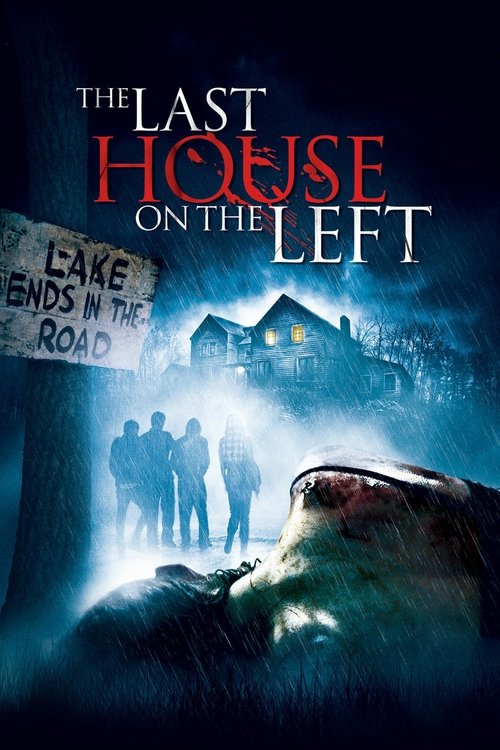
The 1970s gave us the original The Last House on the Left as a grainy, low-budget assault on the senses that felt like a snuff film you weren't supposed to find in your local rental shop. By 2009, the horror industry had different ideas: it wanted to take that same trauma and give it a high-definition makeover. It was part of that mid-to-late 2000s boom where every "Video Nasty" from our parents' generation was being recycled into something slicker, louder, and—surprisingly—often better acted.
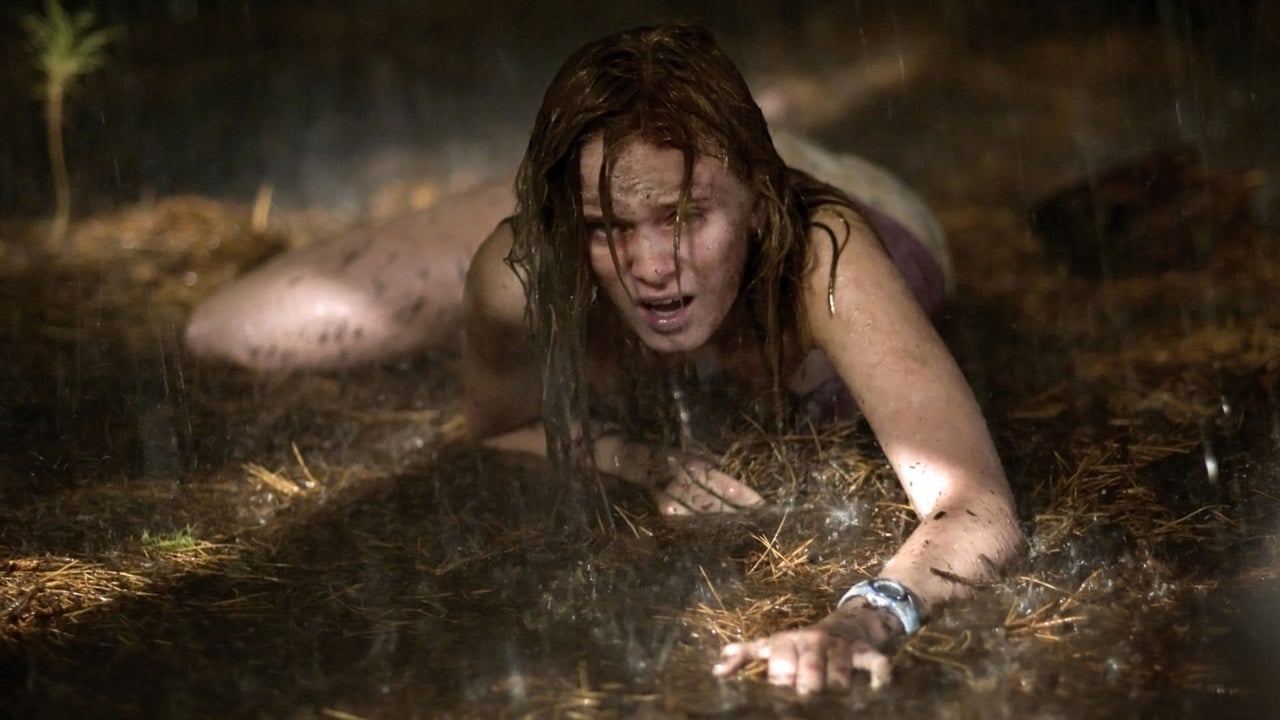
I’ll be honest: I usually find these "uncompromising" remakes a bit exhausting. I watched this particular film on a Tuesday night while eating a bowl of cold cereal, and I once dropped a spoonful of Cheerios onto my shirt during the climax and didn't even notice until the credits rolled. That’s the kind of movie this is. It’s a relentless, high-tension experience that manages to justify its existence even when you're questioning why you’re putting yourself through it.
The 2000s Remake Machine
Coming out in 2009, this film hit right at the tail end of the "torture porn" trend and the peak of the Platinum Dunes-style remake era. While many of those films felt like hollow recreations of better movies, director Dennis Iliadis brought a weird, European art-house sensibility to the table. He was a Greek filmmaker who hadn't done much in Hollywood, and his outsider perspective keeps the film from feeling like a generic studio slasher.
The plot remains largely the same as Wes Craven’s 1972 original: Mari (Sara Paxton) and her friend go to buy some weed, cross paths with a gang of escaped convicts, and things go south in the most horrific way possible. The twist, as always, is that the villains accidentally seek shelter at the home of Mari’s parents, John and Emma (Tony Goldwyn and Monica Potter). When the parents realize who their guests are, the movie shifts from a survival horror into a "don't mess with a surgeon's family" revenge flick.
What’s interesting looking back is how this film reflects the post-9/11 anxiety of the era. It’s all about the invasion of the "safe" domestic space and the terrifying question of what a "civilized" person is capable of when pushed to their breaking point. It’s not just about blood; it’s about the collapse of morality in the face of primal rage.
A Masterclass in "Wrong House" Energy

The cast is what really elevates this above your standard horror fare. Before he was the President on Scandal, Tony Goldwyn played the ultimate "Dad who will kill you with a kitchen utensil." He and Monica Potter sell the transition from grieving parents to calculated executioners with a chilling realism.
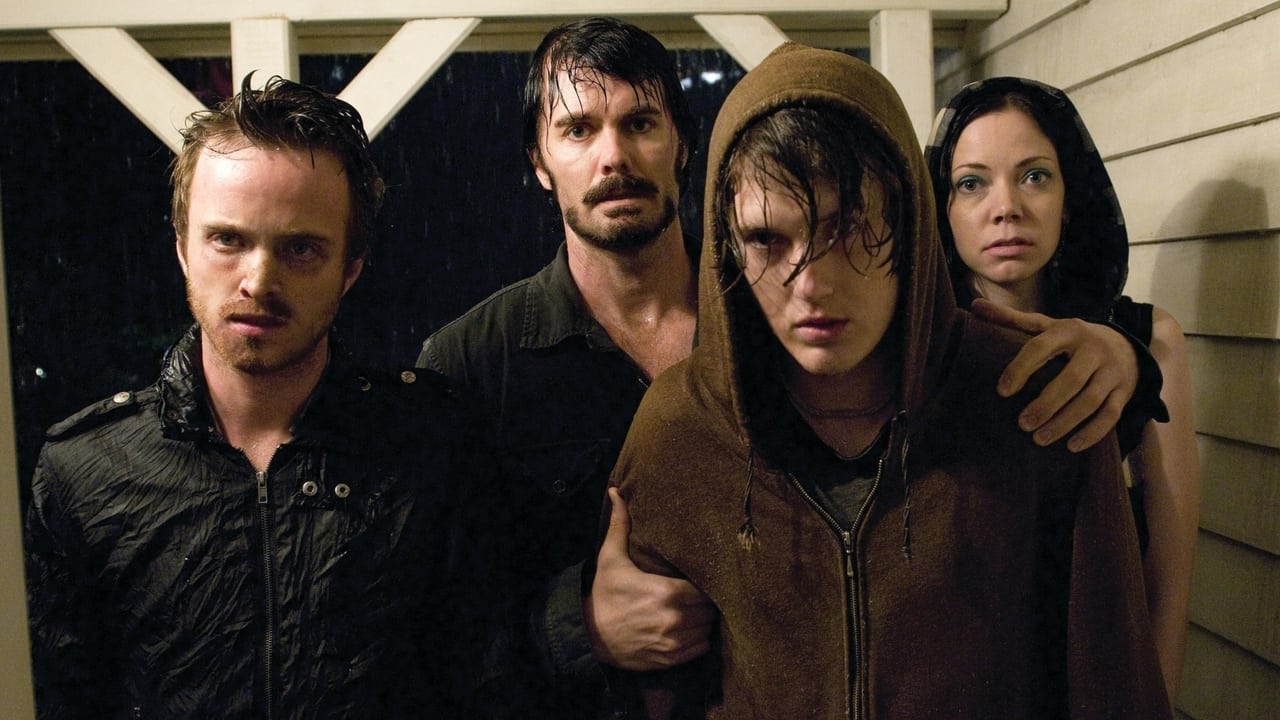
On the flip side, Garret Dillahunt as the lead villain, Krug, is genuinely terrifying. Garret Dillahunt has the kind of face that makes you want to double-check your deadbolts even when he’s playing a nice guy. He doesn't play Krug as a cartoon monster; he’s just a predatory, nihilistic man. And for fans of Breaking Bad, seeing a young Aaron Paul as the twitchy, cowardly Francis is a trip. Aaron Paul’s performance here is like a nervous beta-test for Jesse Pinkman, but without the heart of gold.
The cinematography by Sharone Meir also deserves a shout-out. Instead of the muddy, brown filters that plagued 2000s horror, there’s a crispness to the lake-house setting. The storm that traps everyone inside feels heavy and oppressive, making the house feel like a pressure cooker.
The Ethics of the Microwave
We have to talk about the "gore" factor. This was the era of the DVD "Unrated Cut," where studios bragged about how many people walked out of test screenings. This film is brutal, particularly in its middle act, but it mostly avoids being "gross for the sake of gross." The violence feels heavy and consequential.
Until the ending, that is. Without spoiling too much for the uninitiated, the film concludes with a kill involving a microwave that is so stylistically different from the rest of the movie that it almost feels like it belongs in a different franchise. The microwave scene is essentially Looney Tunes for sociopaths. It’s the one moment where the film leans into the "fun" of horror, breaking the somber, realistic tone it had spent ninety minutes building. Whether that works for you depends on how much you like your revenge served with a side of camp.
Interestingly, the producers (including Wes Craven himself) allegedly fought to keep the movie grounded. There’s a rumor that the original ending was even more nihilistic, but test audiences needed that "cathartic" moment of extreme vengeance to walk out of the theater feeling like they hadn't just witnessed a tragedy.
The 2009 The Last House on the Left is a rare remake that actually improves on the technical aspects of the original while maintaining its mean-spirited soul. It’s a well-shot, superbly acted thriller that manages to be more than just a gore-fest. While the ending takes a sharp turn into the absurd, the journey there is a masterclass in building dread. It’s a perfect snapshot of a time when horror was trying to find a balance between the grittiness of the past and the sheen of the digital future.
If you’ve got a strong stomach and want to see some of the best "parental revenge" acting in the genre, this is a house worth visiting. Just maybe skip the snacks while you watch—it’s a messy one.


Keep Exploring...
-
Untraceable
2008
-
The Exorcism of Emily Rose
2005
-
The Devil's Rejects
2005
-
Alpha Dog
2006
-
Inland Empire
2006
-
Undisputed II: Last Man Standing
2006
-
United 93
2006
-
Before the Devil Knows You're Dead
2007
-
In the Valley of Elah
2007
-
Michael Clayton
2007
-
The Hitcher
2007
-
We Own the Night
2007
-

Lakeview Terrace
2008
-
Street Kings
2008
-
Brooklyn's Finest
2010
-
Takers
2010
-

The American
2010
-
Trust
2010
-
Take Shelter
2011
-

Get the Gringo
2012