The Lovely Bones
"Justice from the stars, grief on the ground."
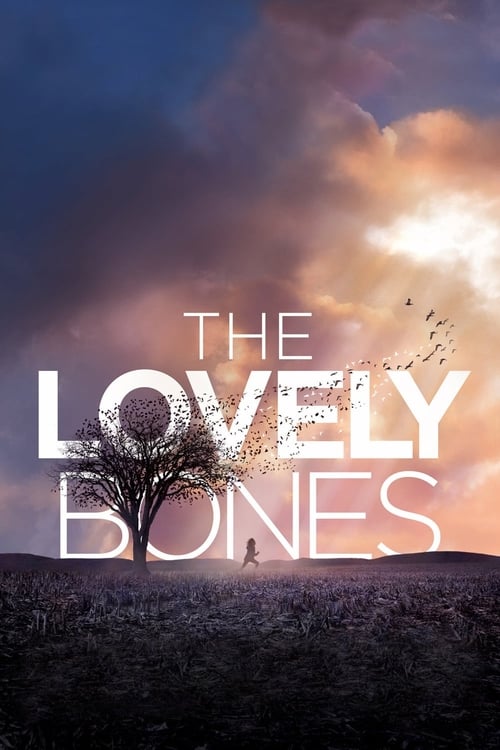
By 2009, Peter Jackson had become the cinematic equivalent of a god. He’d conquered Middle-earth, rebuilt Skull Island, and possessed a blank check from every studio in Hollywood. So, when it was announced he’d be adapting Alice Sebold’s haunting bestseller The Lovely Bones, the collective expectation was sky-high. We expected a sweeping, emotional epic that would finally translate the "unfilmable" interiority of the afterlife onto the big screen. Instead, what we got was one of the most polarizing, tonally schizophrenic films of the decade—a movie that alternates between bone-chilling suburban horror and visuals that look like a high-end screensaver from 2004.
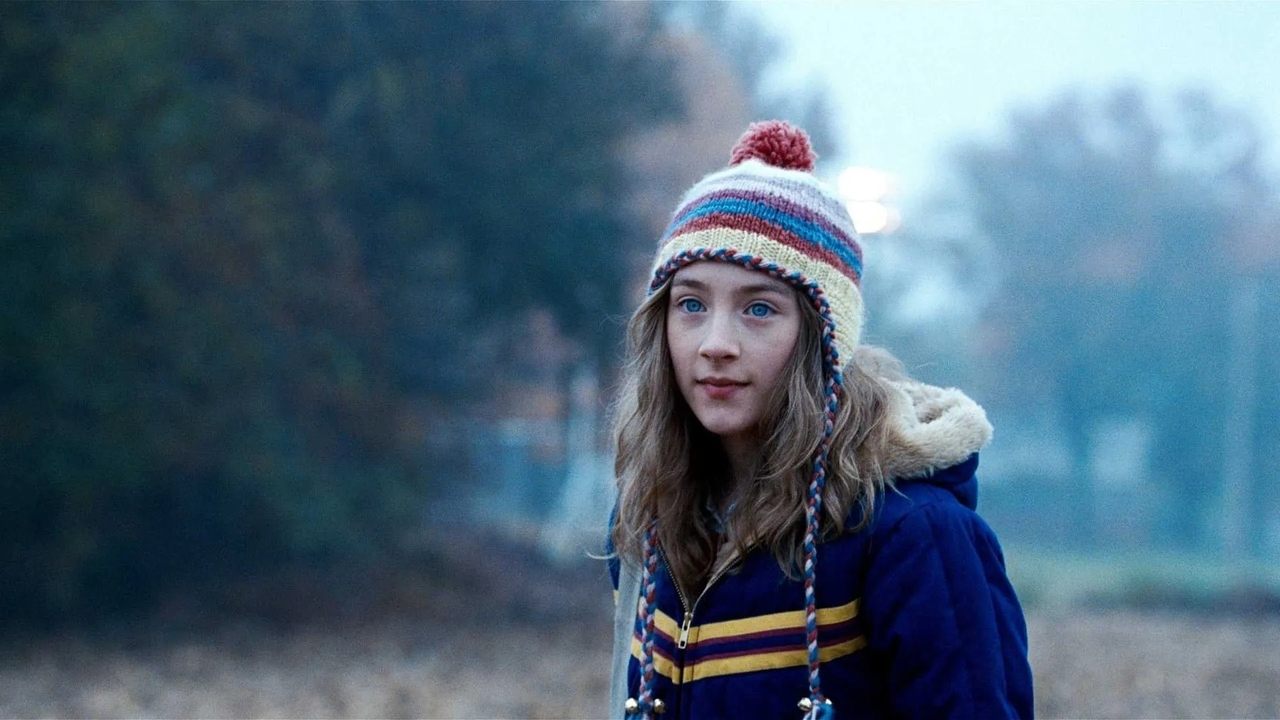
The Neon Purgatory of Weta Digital
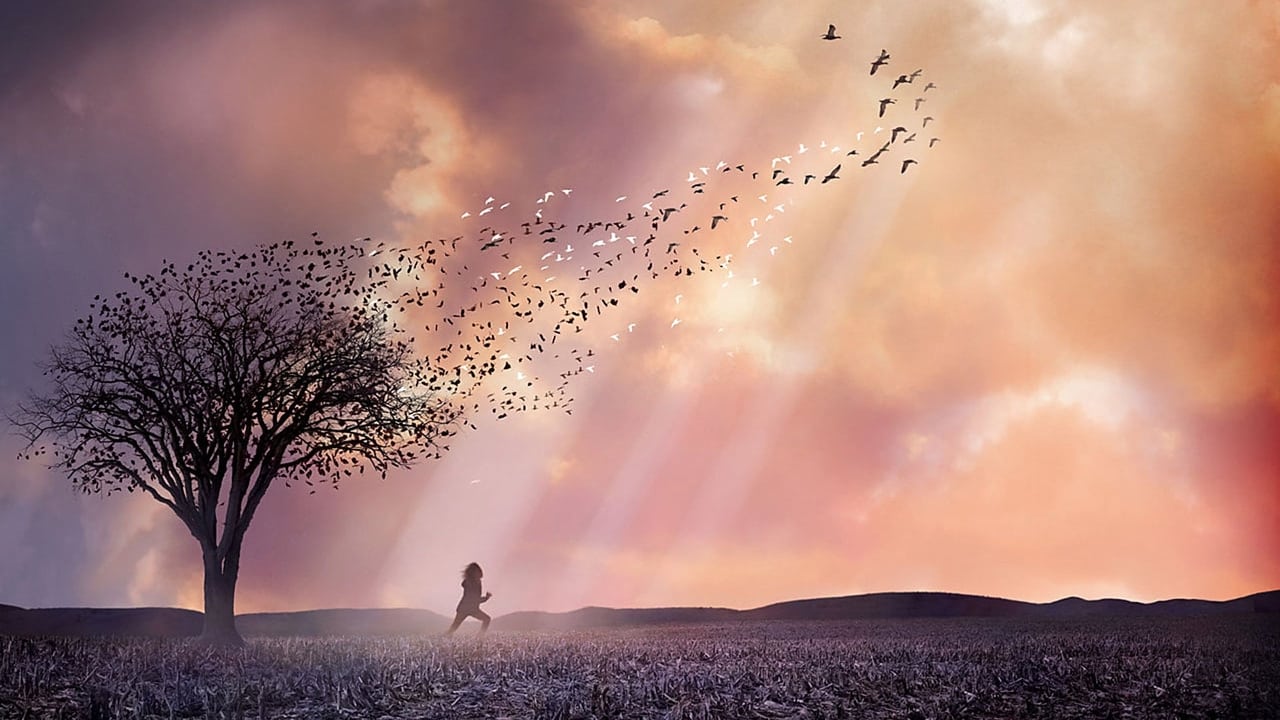
The film follows Susie Salmon (Saoirse Ronan), a 14-year-old girl murdered by her neighbor, as she watches her family unravel from the "In-Between." Looking back, this film arrived at a fascinating crossroads for CGI. Peter Jackson’s Weta Digital was pushing the limits of what digital environments could do, but The Lovely Bones is proof that just because you can render a giant ship in a bottle shattering into a sea of CGI waves, doesn't mean it helps the story.
I’ll be honest: the "In-Between" scenes are a lot to take in. They are saturated, loud, and frankly, a bit gaudy. While I appreciate the ambition of trying to visualize a teenager’s personal heaven, it often feels like it belongs in a different movie than the gritty, 1970s Pennsylvania drama happening on Earth. I watched this film again recently while eating a slightly stale bagel with too much cream cheese, and the messiness of my breakfast perfectly mirrored the film's structure—delicious in parts, but arguably too much to swallow at once.
Stanley Tucci’s Terrifying Transformation
If the heaven sequences are the film’s weakness, the Earth-bound drama is its undeniable strength. This is largely due to Stanley Tucci as George Harvey. Known for his charm, Tucci underwent a transformation that still makes my skin crawl. With the comb-over, the yellowed teeth, and that predatory stillness, he created a monster that felt disturbially real. Apparently, Tucci was so uncomfortable with the role that he almost passed on it; he hates the subject matter, and you can feel that repulsion in the performance. It’s a masterclass in "less is more."
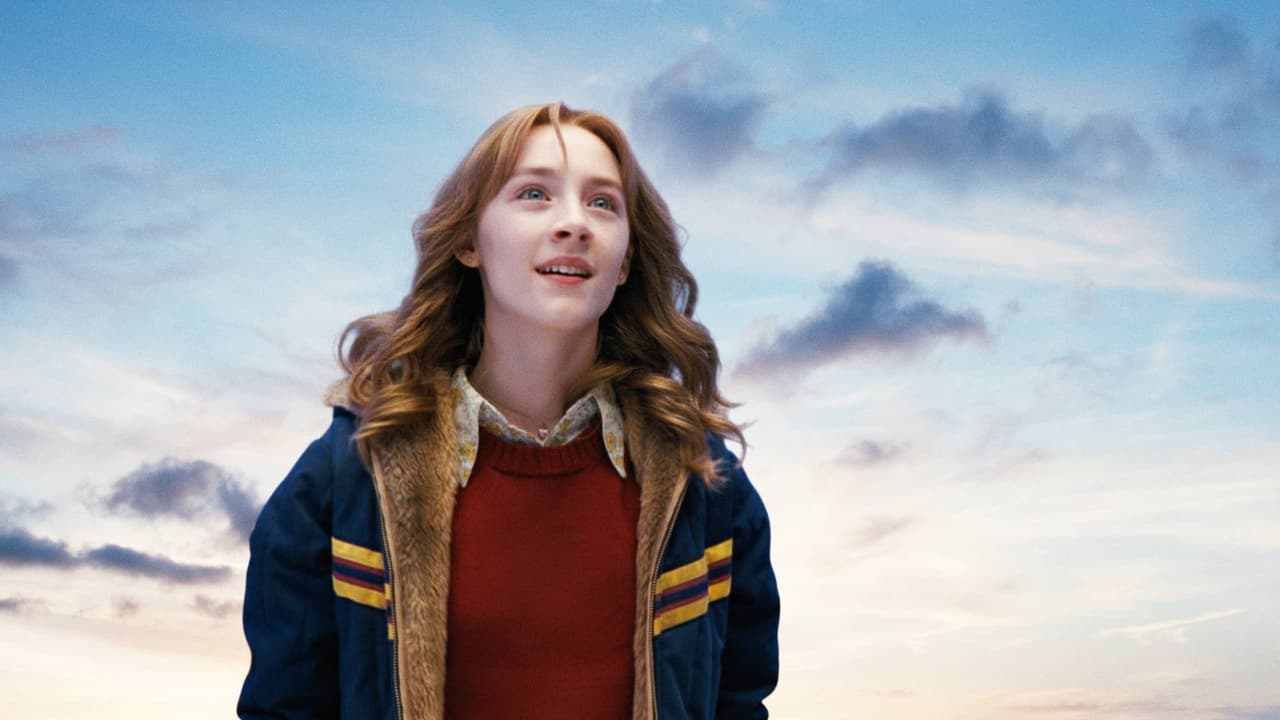
Opposite him, a young Saoirse Ronan (fresh off her breakout in Atonement) proves why she’s the powerhouse she is today. She carries the emotional weight of the film with an innocence that never feels saccharine. When she’s on screen, the movie finds its pulse. Unfortunately, the rest of the cast feels a bit adrift. Mark Wahlberg, playing Susie’s grieving father, spends most of the movie looking like he’s trying to remember if he left the stove on, and Rachel Weisz is given so little to do that she eventually just... leaves the movie for a while.
A Cult of Tonal Whiplash
Why does this film still spark conversation? It’s because it’s a "Cult of the Flawed." It’s a movie that failed to meet its Oscar-bait expectations but has found a second life among viewers who appreciate its sheer, weird audacity. It’s a film where Susan Sarandon (as the eccentric Grandma Lynn) literally bursts into the middle of a heavy mourning period to perform a comedic cleaning montage set to 70s rock. It’s jarring, it’s strange, and it’s arguably the most "Peter Jackson" thing he’s ever filmed.
The production itself was a bit of a whirlwind. Many don't realize that Ryan Gosling was originally cast as the father, but was fired (or left, depending on who you ask) right before filming because he showed up 60 pounds overweight with a beard, having decided the character should be "heavy and bearded." Wahlberg stepped in at the last minute, which might explain why he feels like he’s in a different zip code emotionally.
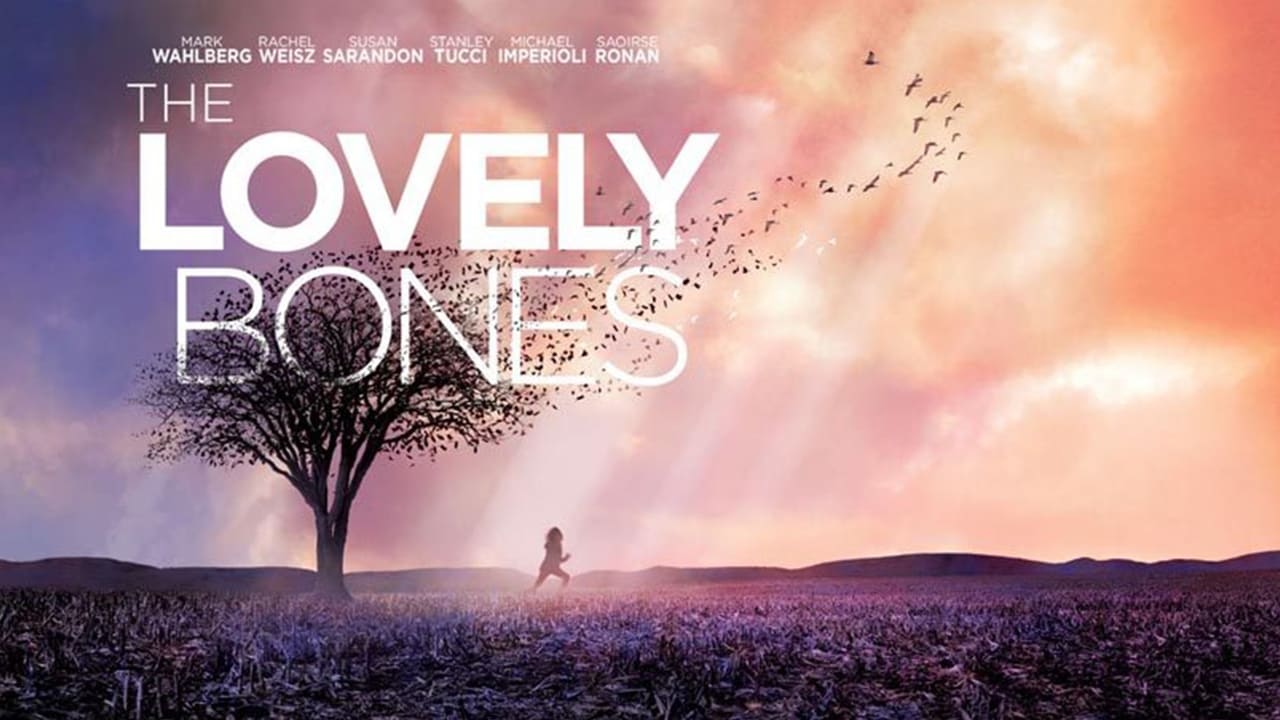
Technically, the film is a marvel of the era’s transition. You see the early DNA of the "Virtual Camera" techniques Jackson would later use in The Hobbit. But looking back, the practical sets—the creepy underground den Mr. Harvey builds, the suburban kitchen—hold up much better than the digital landscapes. There’s a scene involving a simple sink drain that provides more tension than any of the multi-million dollar CGI vistas.
The Lovely Bones is a fascinating mess. It’s a film that attempts to marry the horrific reality of loss with the whimsical possibilities of the afterlife, and while the gears often grind and sparks fly, it’s never boring. It’s a reminder of a time when directors were allowed to take massive, expensive risks on mid-budget dramas. It’s worth a watch for Stanley Tucci’s nightmare-inducing performance and Saoirse Ronan’s luminous presence, even if the "heavenly" bits feel like you’re trapped inside a Trapper Keeper. It’s not the masterpiece we expected, but as a cult curiosity of the late 2000s, it’s a uniquely haunting experience.

Keep Exploring...
-

King Kong
2005
-
The Hobbit: An Unexpected Journey
2012
-

The Hobbit: The Desolation of Smaug
2013
-
The Hobbit: The Battle of the Five Armies
2014
-

Heavenly Creatures
1994
-
Just Like Heaven
2005
-
Click
2006
-
The Curious Case of Benjamin Button
2008
-
The Spiderwick Chronicles
2008
-
A Christmas Carol
2009
-

47 Ronin
2013
-
The Secret Life of Walter Mitty
2013
-
Perfume: The Story of a Murderer
2006
-
Stranger Than Fiction
2006
-
The Illusionist
2006
-
The Time Traveler's Wife
2009
-
Beastly
2011
-
Upside Down
2012
-
Horns
2013
-
DragonHeart
1996