The Princess and the Frog
"Hard work beats magic every time."
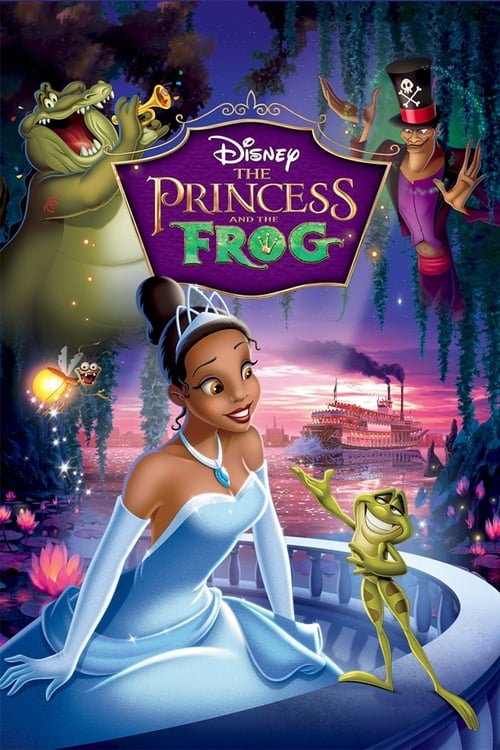
In 2009, the "Disney Princess" brand was a pink-hued juggernaut that felt increasingly disconnected from the medium that birthed it. We were deep into the CGI revolution; Pixar was the gold standard, and the hand-drawn artistry of the 90s felt like a relic from a dusty VHS cabinet. When Disney announced they were returning to 2D animation with The Princess and the Frog, it didn’t feel like a simple movie release—it felt like a desperate, beautiful attempt to prove that the pen was still mightier than the pixel.
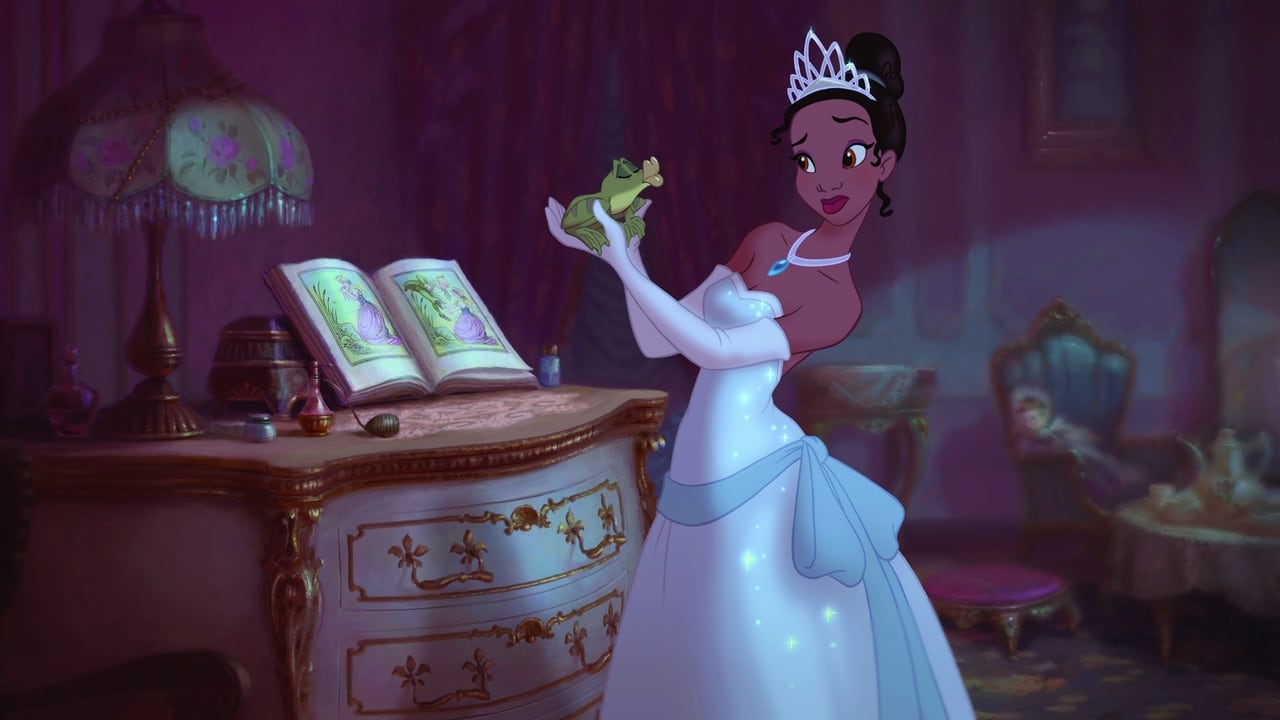
I’ll never forget watching this on a scratched-up DVD in a basement apartment where the radiator hissed louder than the movie’s jazz score. I was eating a bowl of cereal at 11:00 PM, and for ninety minutes, I completely forgot that my rent was due. That’s the magic of this film; it doesn't just invite you into a fairy tale; it invites you into a neighborhood.
The Gritty Side of the Bayou
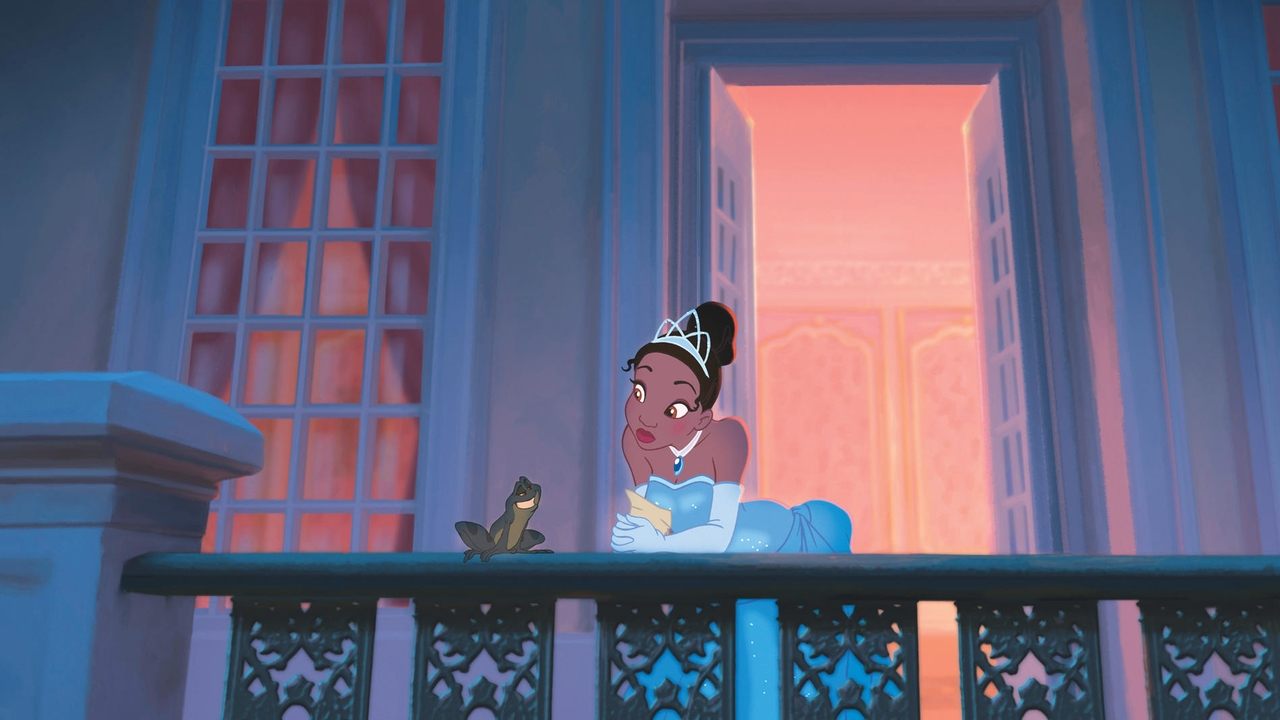
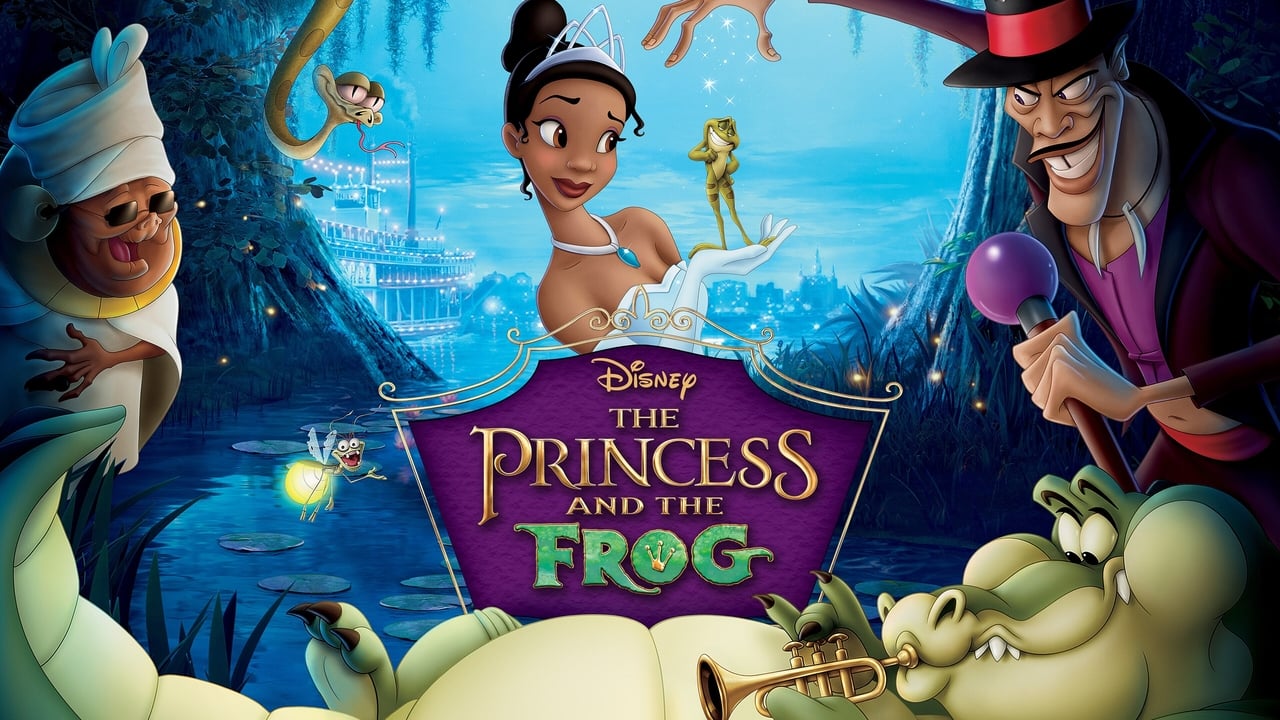
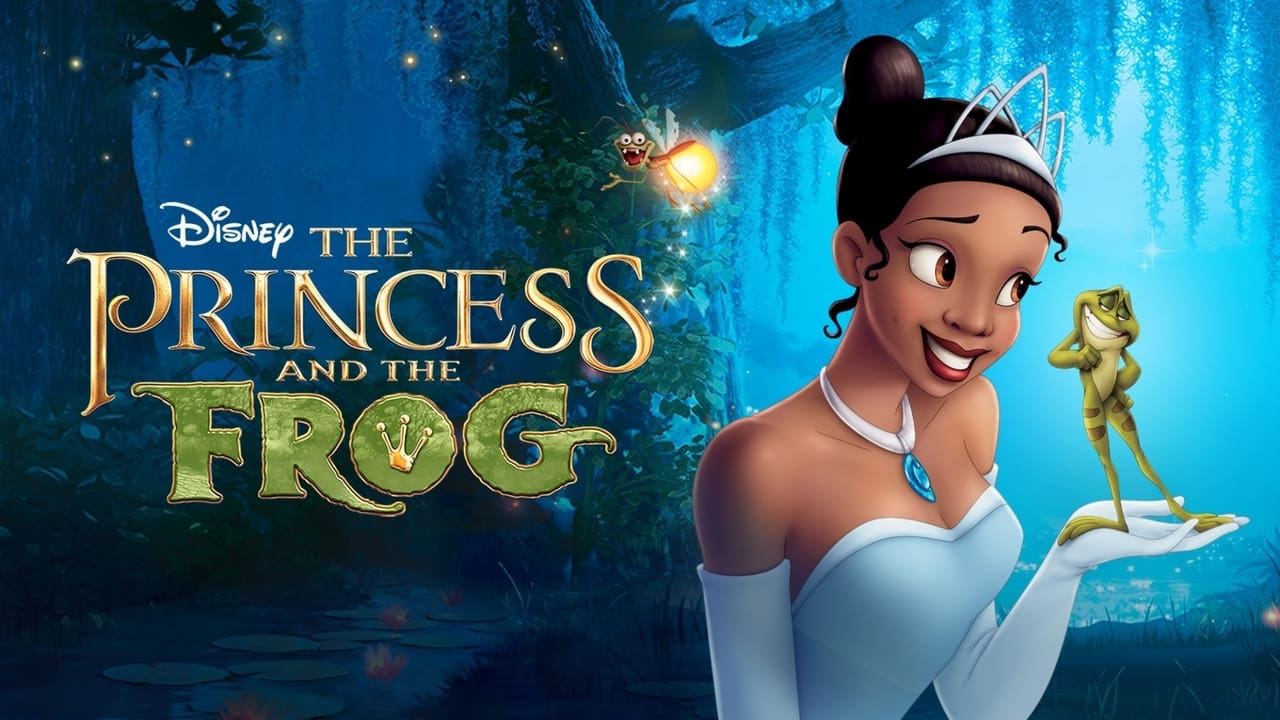
What struck me immediately was how much The Princess and the Frog functions as a character drama first and a musical second. Unlike the ethereal daydreams of Cinderella or Aurora, Tiana—voiced with incredible grit and soul by Anika Noni Rose—is a protagonist defined by exhaustion. She has two jobs, a sore back, and a coffee-stained dream of opening a restaurant. Looking back at the late 2000s, this felt remarkably grounded. We were coming out of a global recession, and here was a Disney lead who wasn't wishing on a star for a prince, but for a commercial kitchen lease.
The chemistry between Tiana and Prince Naveen (Bruno Campos) is some of the sharpest "enemies-to-lovers" writing in the Disney canon. Naveen is, quite frankly, a disaster. He’s a lazy, charming, jazz-obsessed royal who has been cut off from his inheritance. Their transformation into frogs isn't just a plot device; it’s a forced character study. Stripped of her ability to work and his ability to spend, they have to actually talk. It’s a classic screwball comedy dynamic that feels more like a 1940s Preston Sturges film than a standard animated romp.
Voodoo, Jazz, and the Shadow Man
If you want to talk about "villain era" greatness, we have to talk about Keith David as Dr. Facilier. His performance is a masterclass in vocal charisma. Every time he’s on screen, the film’s color palette shifts into these neon purples and sickly greens that scream "danger." Facilier isn't just a scary wizard; he’s a predatory loan shark for the soul. Disney’s marketing team almost sank this movie before it even hit screens by worrying about the voodoo elements, but those "Friends on the Other Side" are exactly what give the film its edge.
The music, handled by Randy Newman (a departure from the usual Alan Menken Broadway style), brings a distinct New Orleans flavor that grounds the fantasy in a specific American geography. It’s messy, brassy, and humid. I still maintain that the "Almost There" sequence, with its shift into a 1920s Art Deco graphic style, is one of the most visually daring moments in modern animation. It breaks the "house style" to show us Tiana’s internal world, and it works flawlessly.
The Cult of the Hand-Drawn
Despite being a modest success, the film was initially viewed as a bit of an "underperformer" compared to the billion-dollar CGI behemoths that followed. However, its cult status has exploded over the last decade. It’s the last great gasp of traditional 2D animation from the studio, and that carries a weight you can feel in every frame.
Stuff You Didn’t Notice:
The Leah Chase Connection: Tiana was largely inspired by the legendary New Orleans chef Leah Chase, known as the "Queen of Creole Cuisine." Chase actually fed Civil Rights leaders in her restaurant, Dooky Chase’s, giving Tiana’s dream a profound real-world weight. Software Shift: While it looks "old school," the film was actually the first to use Toon Boom Harmony software, a digital paperless system that allowed animators to keep that hand-drawn look while streamlining the process for the 21st century. A Familiar Duo: This was a reunion for directors John Musker and Ron Clements, the team behind The Little Mermaid (1989) and Aladdin (1992). You can feel their fingerprints in the pacing and the slapstick humor of characters like Louis the alligator (Michael-Leon Wooley). The Shadow’s Soul: If you watch Dr. Facilier closely, his shadow often moves independently of his body, acting as a separate character. It’s a subtle bit of animation that makes him ten times creepier. * The Starry Cameo: The firefly Ray (Jim Cummings) mentions "Evangeline," the star he loves. This is a nod to Henry Wadsworth Longfellow’s epic poem about Acadian lovers, adding a layer of folk-literary tragedy to the little bug’s story.
The film isn't perfect—the middle act in the swamp can feel a bit like a standard "quest" slog—but the emotional payoff is massive. When Tiana finally realizes that what she wants (the restaurant) isn't the same as what she needs (connection), it’s a genuinely moving bit of adult drama wrapped in a family film.
Looking back, The Princess and the Frog stands as a bridge between two eras of Disney. It has the soul of the 90s Renaissance but the social awareness of the modern age. It’s a film about the dignity of labor, the danger of shortcuts, and the fact that sometimes, you have to get a little slimy to find out who you really are. It’s a movie that earns its happy ending through sweat and song, and honestly, I’d take Tiana’s gumbo over a royal banquet any day of the week.
Keep Exploring...
-
Hercules
1997
-

Aladdin
1992
-
Treasure Planet
2002
-
Shrek 2
2004
-
Cinderella III: A Twist in Time
2007
-

The Polar Express
2004
-
Monster House
2006
-
Stardust
2007
-
A Christmas Carol
2009
-
Brave
2012
-
Rise of the Guardians
2012
-
Epic
2013
-
The Book of Life
2014
-

The Emperor's New Groove
2000
-
The Road to El Dorado
2000
-

Sinbad: Legend of the Seven Seas
2003
-
The Little Mermaid
1989
-
Corpse Bride
2005
-
Arthur and the Invisibles
2006
-
Legend of the Guardians: The Owls of Ga'Hoole
2010