The Road
"A father's love against the dying light of a scorched, gray world."
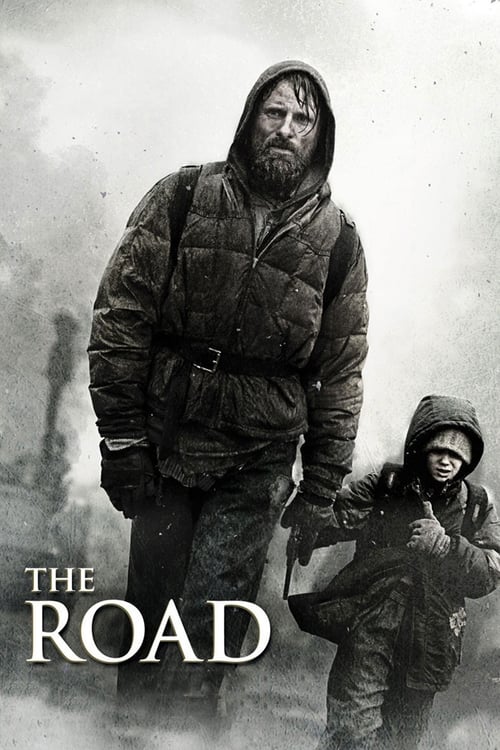
The most color you will see in The Road is the bright, defiant red of a single can of Coca-Cola. In a world where the sun is a memory and the trees are skeletal husks collapsing under the weight of gray ash, that pop of sugar and carbonation feels like a transmission from a different planet. It's a fleeting moment of childhood wonder in a film that otherwise asks: "How much of your soul are you willing to trade to survive another day?"
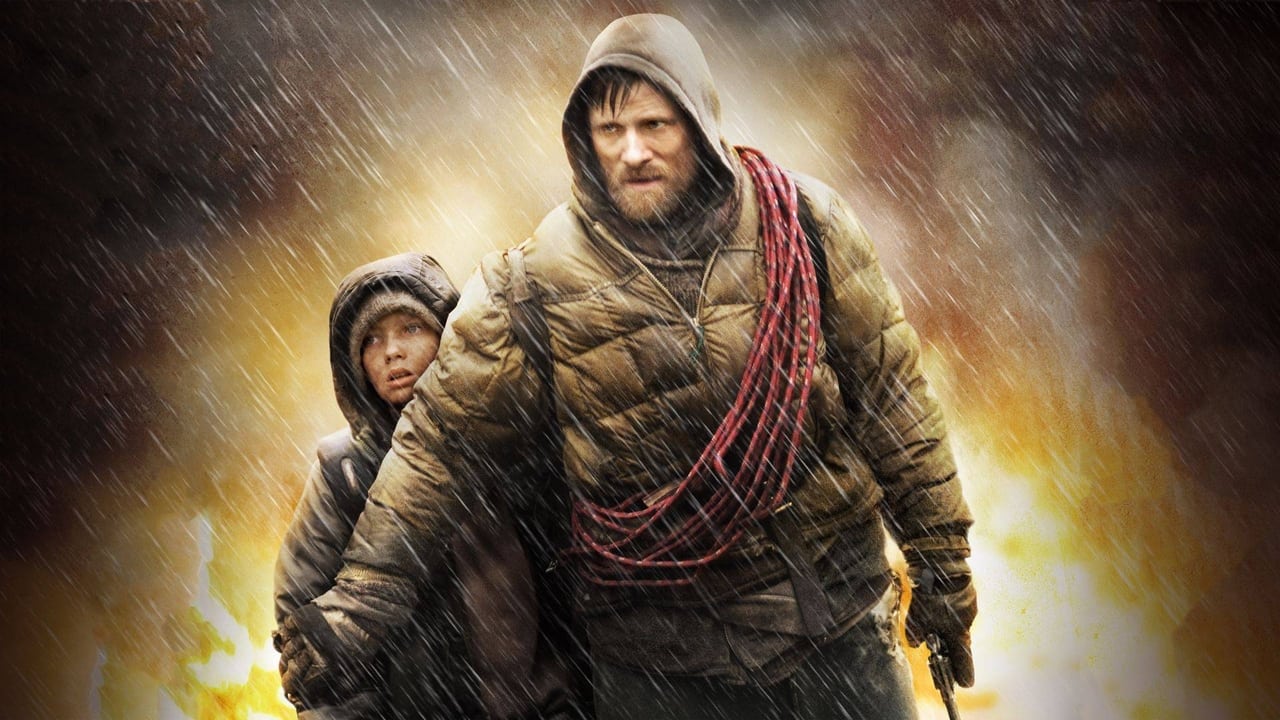
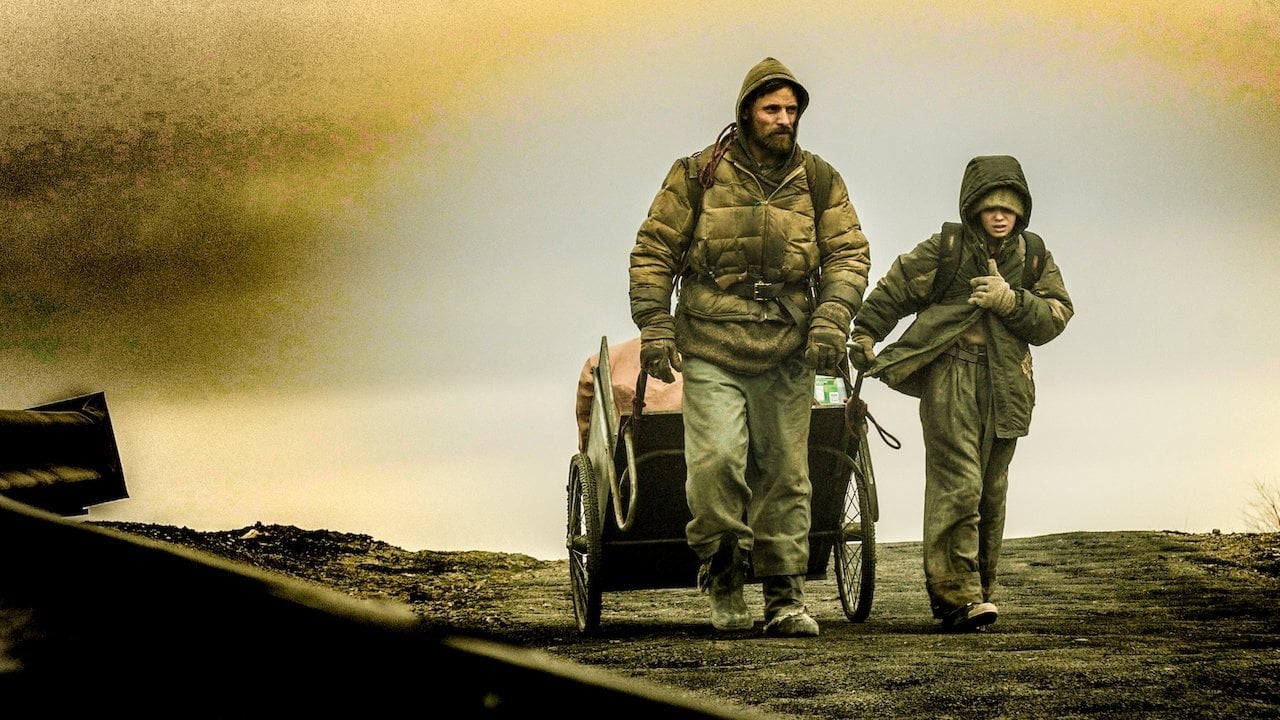
When John Hillcoat brought Cormac McCarthy's Pulitzer-winning novel to the screen in 2009, he wasn't interested in the pyrotechnics of the typical end-times blockbuster. There are no zombies here, no leather-clad raiders on motorcycles, and no heroic quest to restart the atmosphere. There is only the walk. The "Father" (Viggo Mortensen) and the "Son" (Kodi Smit-McPhee) are moving south because standing still is a death sentence, and the result is one of the most hauntingly beautiful "feel-bad" movies ever committed to celluloid.
The Beauty of the Bleak
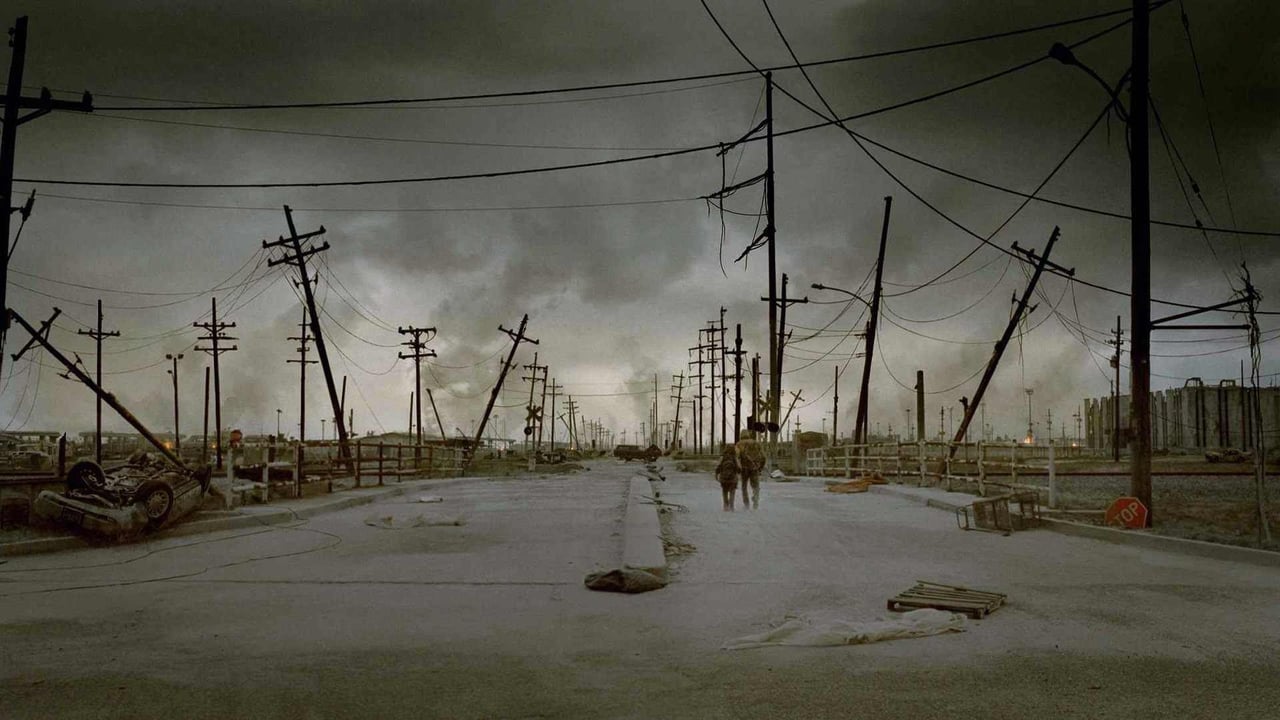
Looking back from our current era of neon-soaked dystopias, the visual language of The Road remains a staggering achievement. This was a pivotal moment in the transition from analog to digital filmmaking, and Hillcoat, alongside cinematographer Javier Aguirresarobe, used that technology with surgical precision. Rather than using CGI to build impossible cities, they used it to strip the world bare. They digitally removed every blade of green grass and every hint of blue sky, leaving behind a palette of charcoal, slate, and bone.
The production famously scouted for "ruined" America, filming on an abandoned stretch of the Pennsylvania Turnpike and amid the real-life devastation of post-Katrina New Orleans. This commitment to practical desolation gives the film a tactile, grimy reality that CGI alone can't replicate. You can almost feel the damp chill in your bones and the grit of the ash in your teeth.
Mortensen's Quiet Metamorphosis

At the center of this gray void is Viggo Mortensen. Fresh off his collaborations with David Cronenberg in A History of Violence (2005) and Eastern Promises (2007), Mortensen proved once again that he is the king of internalizing trauma. He is terrifyingly thin here, his eyes darting with the paranoia of a man who knows that every stranger is a potential predator.
His performance isn't about grand speeches; it's about the way he holds a rusted revolver with only two bullets left—one for the boy, one for himself—and the way his voice breaks when he tries to describe a world that no longer exists. The supporting cast pops in like ghosts from a past life: Charlize Theron appears in sun-drenched, heartbreaking flashbacks as the Mother, while Robert Duvall delivers a brief, masterclass performance as a dying old man who has forgotten his own name. These cameos ground the film's high-concept misery in recognizable human frailty.
The "One-Watch" Cult Classic
The Road is a fascinating case study in cult cinema. It didn't set the box office on fire, earning just over $27 million against a $32 million budget. It was too grim for the popcorn crowd and perhaps too faithful to its source material for those seeking escapism. Yet, it has since become a fixture in the "survivalist" subculture and a touchstone for fans of bleak, high-art genre films. It's the ultimate "one-watch" masterpiece—a film people champion and discuss obsessively, even if they can only stomach seeing it once every five years.
The Popcornizer Deep-Dive: 5 Things You Didn't Know
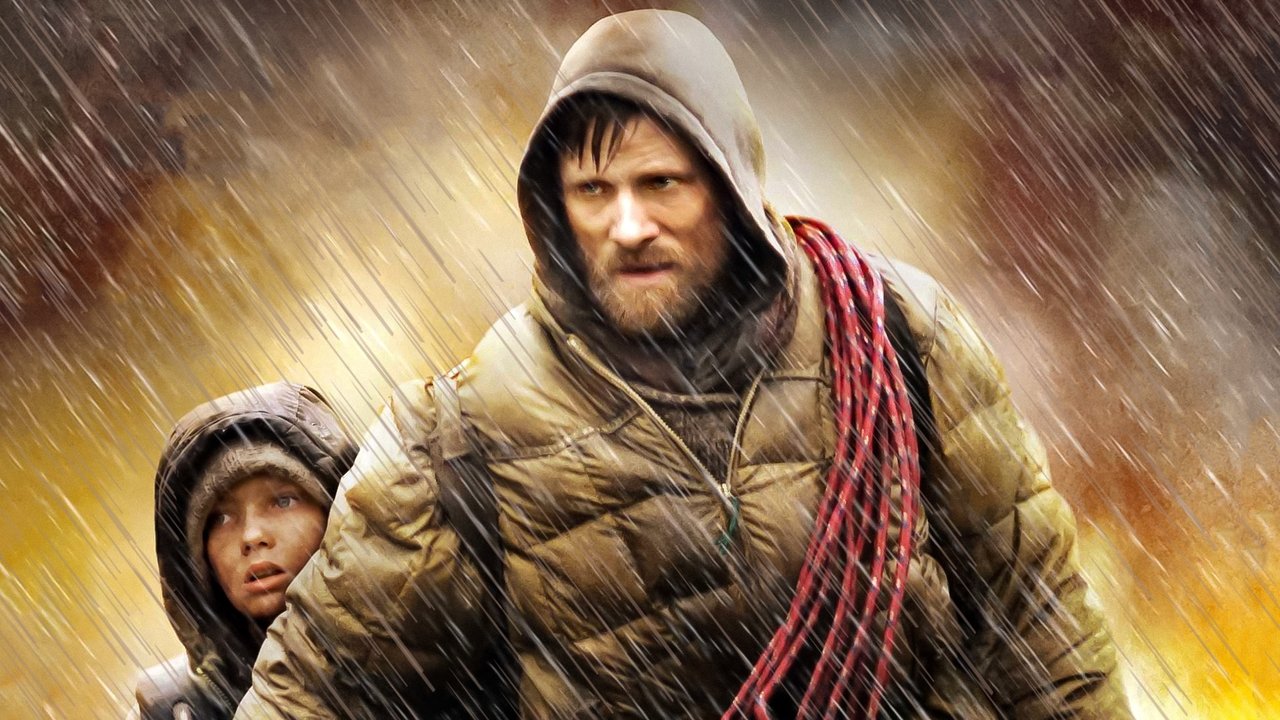
The Method in the Misery: Viggo Mortensen went full "method" for the role, frequently sleeping in his clothes and intentionally starving himself to maintain his gaunt appearance. He was even kicked out of a shop in Pittsburgh because the staff thought he was a homeless man. The Soundtrack of Despair: The haunting, violin-heavy score was composed by Nick Cave and Warren Ellis. Hillcoat previously worked with Cave on the brutal Australian Western The Proposition (2005), and their shorthand for "beautiful suffering" is all over this film. Nature's Own Disaster: While some effects were digital, the crew utilized real footage of Mount St. Helens and the aftermath of the 1980 eruption to simulate the volcanic-ash-covered landscape. A Father's Inspiration: Mortensen has stated in interviews that his chemistry with the young actor playing his son was fueled by his own experiences as a father, often imagining his own son in those dire situations to reach the necessary emotional depths. * The Silent CGI: To create the "dead" look of the forest, the VFX team had to frame-by-frame "kill" any swaying branches or movement in the background to ensure the world looked truly, unnaturally still.
The brilliance of The Road lies in its refusal to blink. It tackles the post-9/11 anxiety of the era—the feeling that the world could change forever in a single heartbeat—and strips away the comfort of a "chosen one" narrative. It's a drama about the mechanics of love when everything else—government, religion, even the food chain—has evaporated. Does it earn its ending? That's been the subject of debate since the book hit shelves. Some find the final moments a soft pivot, while others see them as the only logical conclusion to a story about "carrying the fire." Regardless of where you land, the journey there is an unforgettable piece of 21st-century cinema that proves even at the end of the world, we're still just parents trying to make sure our kids get one last taste of something sweet.
Keep Exploring...
-
Lawless
2012
-
The Fountain
2006
-

The Darjeeling Limited
2007
-
127 Hours
2010
-
Seeking a Friend for the End of the World
2012
-
The Grey
2012
-
King Arthur
2004
-
The Life Aquatic with Steve Zissou
2004
-

King Kong
2005
-
Kingdom of Heaven
2005
-
Bridge to Terabithia
2007
-
The Spiderwick Chronicles
2008
-

Green Zone
2010
-
Hugo
2011
-
The Secret Life of Walter Mitty
2013
-
Thelma & Louise
1991
-
Fear and Loathing in Las Vegas
1998
-
Australia
2008
-
Monster
2003
-
DragonHeart
1996