The Taking of Pelham 1 2 3
"Twenty people. One hour. Twelve million dollars."

The first thing you notice about Tony Scott’s 2009 reimagining of The Taking of Pelham 1 2 3 isn’t the plot or even the stars. It’s the sheer, jittery, over-caffeinated energy of the frame itself. By 2009, Scott—the man who gave us the sleek sheen of Top Gun (1986)—had evolved into a filmmaker who seemed to view a steady camera as a personal insult. Everything in this movie vibrates. The colors are pushed into a sickly, metallic yellow; the shutter speeds are all wrong in the best way; and the city of New York feels less like a setting and more like a pressurized steam cooker about to pop its lid.
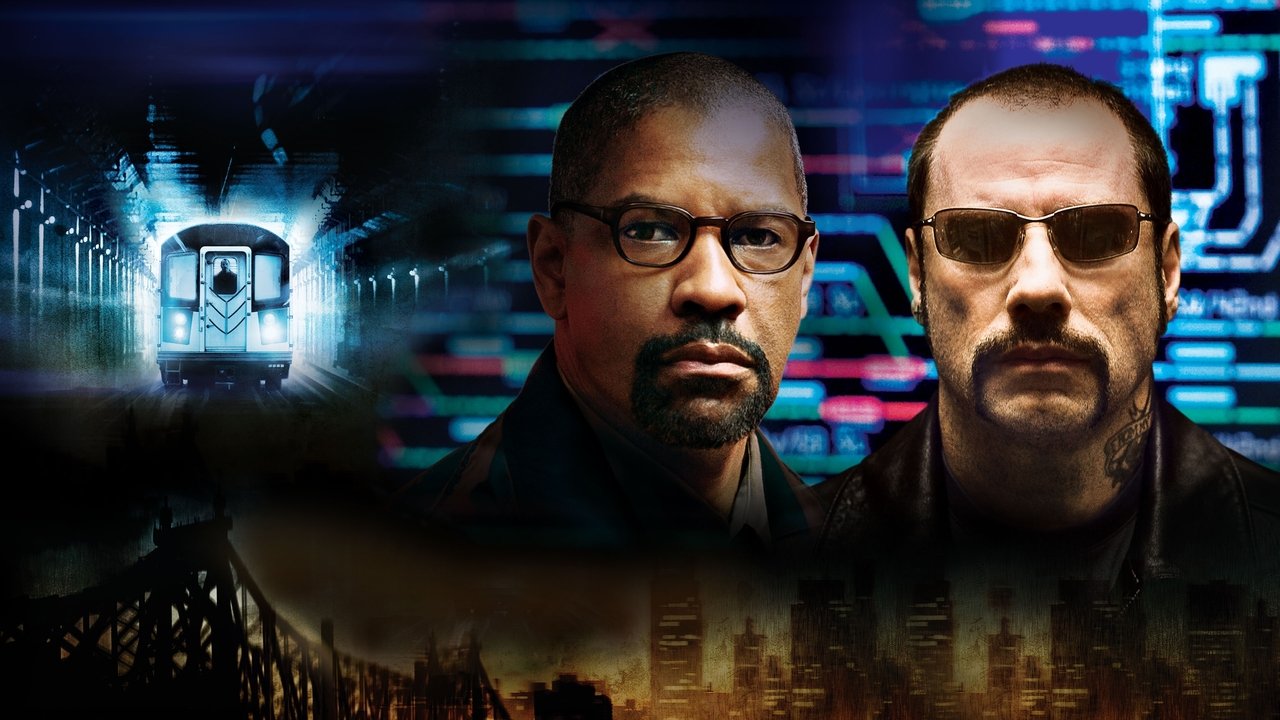
I remember watching this for the first time on a grainy TV in a hotel room in Scranton, eating a bag of slightly stale pretzels, and feeling like the room was actually moving. It’s a movie that demands you pay attention simply by being the cinematic equivalent of a quadruple espresso. Looking back at it now, it stands as a fascinating bridge between the gritty, practical thrillers of the 70s and the high-tech, digital anxieties of the late 2000s.
A Masterclass in High-Stakes Proximity
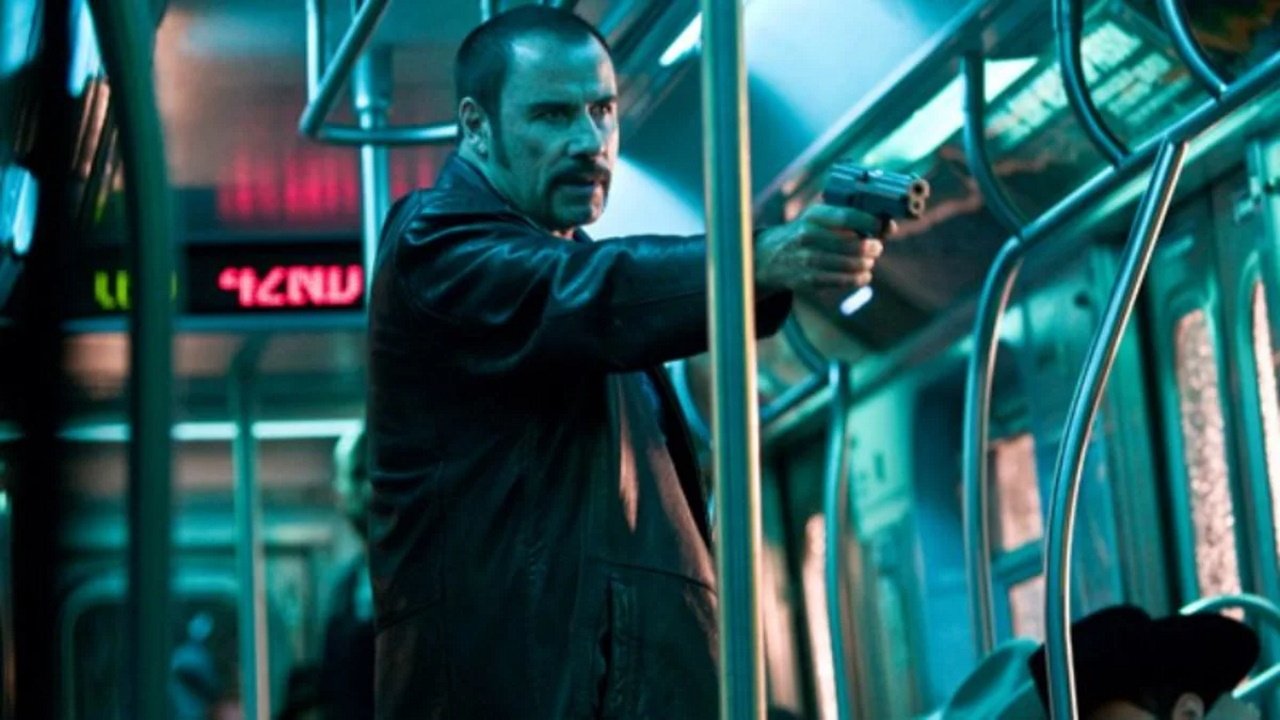
The setup remains as lean as it was in the 1974 original: four men take over a subway car, stop it between stations, and demand a fortune. If the money isn't there in an hour, they start shooting. But while the original film was a masterclass in deadpan New York cynicism, Scott’s version turns the screws on the psychological connection between the hijacker and the negotiator.
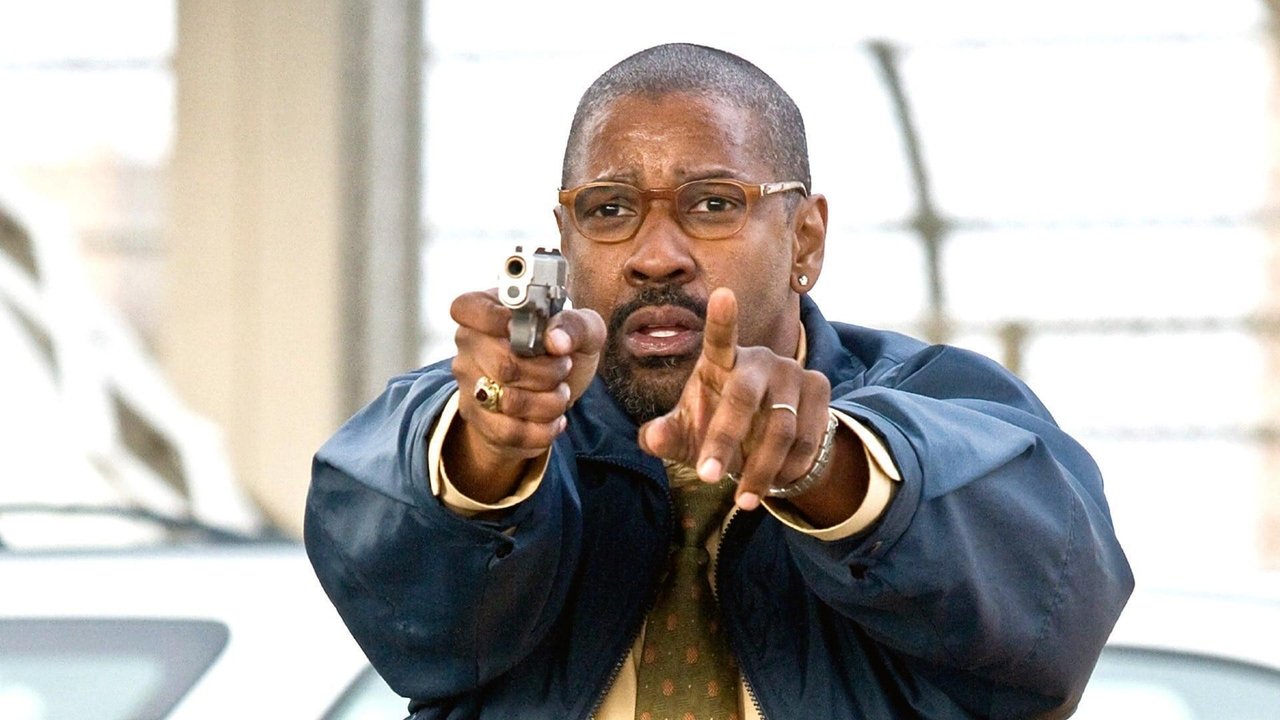
Denzel Washington plays Walter Garber, a demoted transit official who just happens to be on the other end of the radio. Denzel is doing his "everyman" thing here—he’s got a bit of a gut, he’s wearing a sweater vest that looks like it’s seen better days, and he’s carrying the weight of a bribery scandal on his shoulders. Opposite him, we have John Travolta as Ryder, the lead hijacker.
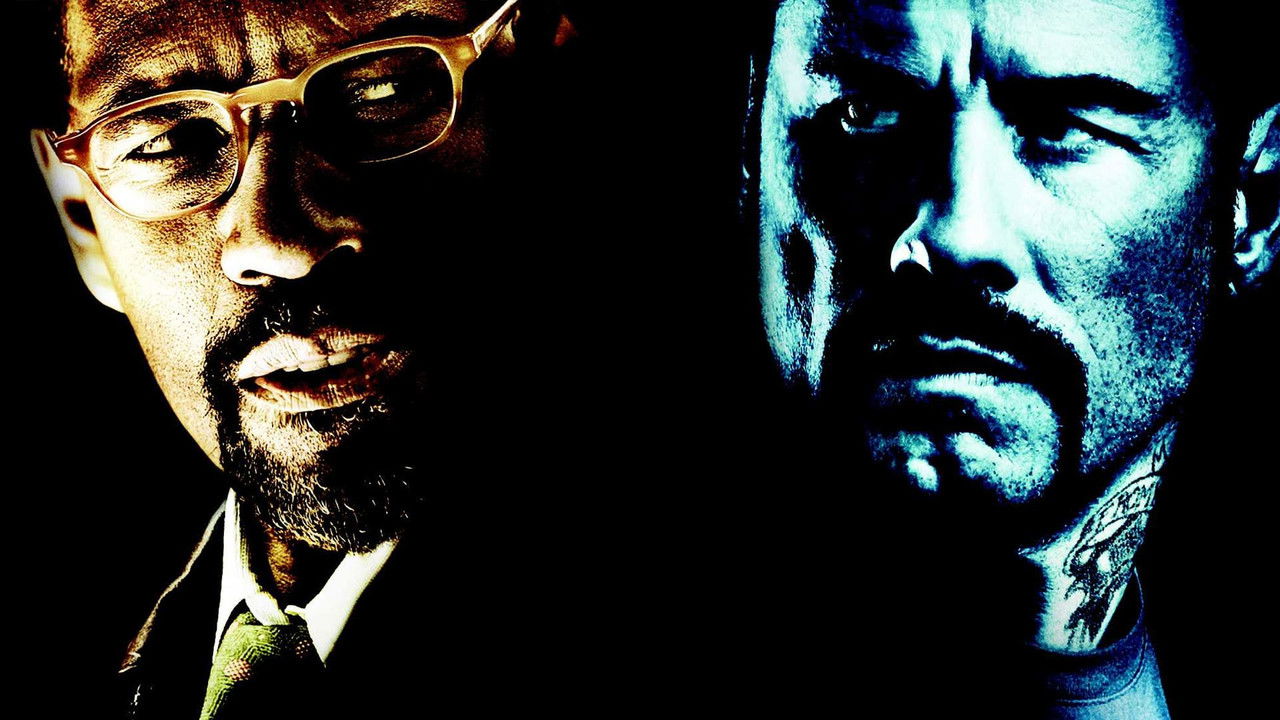
Let’s be honest: Travolta’s goatee and neck tattoo in this movie are doing more acting than most of the supporting cast. He is dialled up to eleven, shouting, swearing, and leaning into a manic-depressive energy that makes him genuinely unpredictable. It’s a polarizing performance, but I’ve always found it refreshing. In a genre filled with stoic, calculated villains, Ryder is a mess of Wall Street resentment and Catholic guilt. Watching Garber try to keep this ticking time bomb from exploding through a microphone is where the movie finds its heart.
The Scott Aesthetic and the Sound of Steel
The action here isn't just about the gunfights; it’s about the logistics of moving money through a city that hates you. There is a phenomenal sequence involving a police convoy trying to transport the ransom across Manhattan. Tony Scott treats a car chase through Midtown like a combat operation. You can practically feel the heat coming off the pavement and the screech of the sirens.
The cinematography by Tobias A. Schliessler (Lone Survivor) uses that signature Scott "smear," where the lights of the subway tunnels stretch out like neon ghosts. It’s a look that defined an era of action cinema—before the MCU’s flat, digital clarity took over—where directors were still experimenting with how much they could distort the image while still telling a clear story.
Equally important is the score by Harry Gregson-Williams. It’s heavy on the industrial percussion, mimicking the rhythmic clack-clack of wheels on rails. It builds an oppressive atmosphere that makes the 106-minute runtime feel like a sprint. When the action does move above ground, the contrast is jarring, emphasizing how claustrophobic those subway scenes really are.
Tunnels, Tech, and True Grit
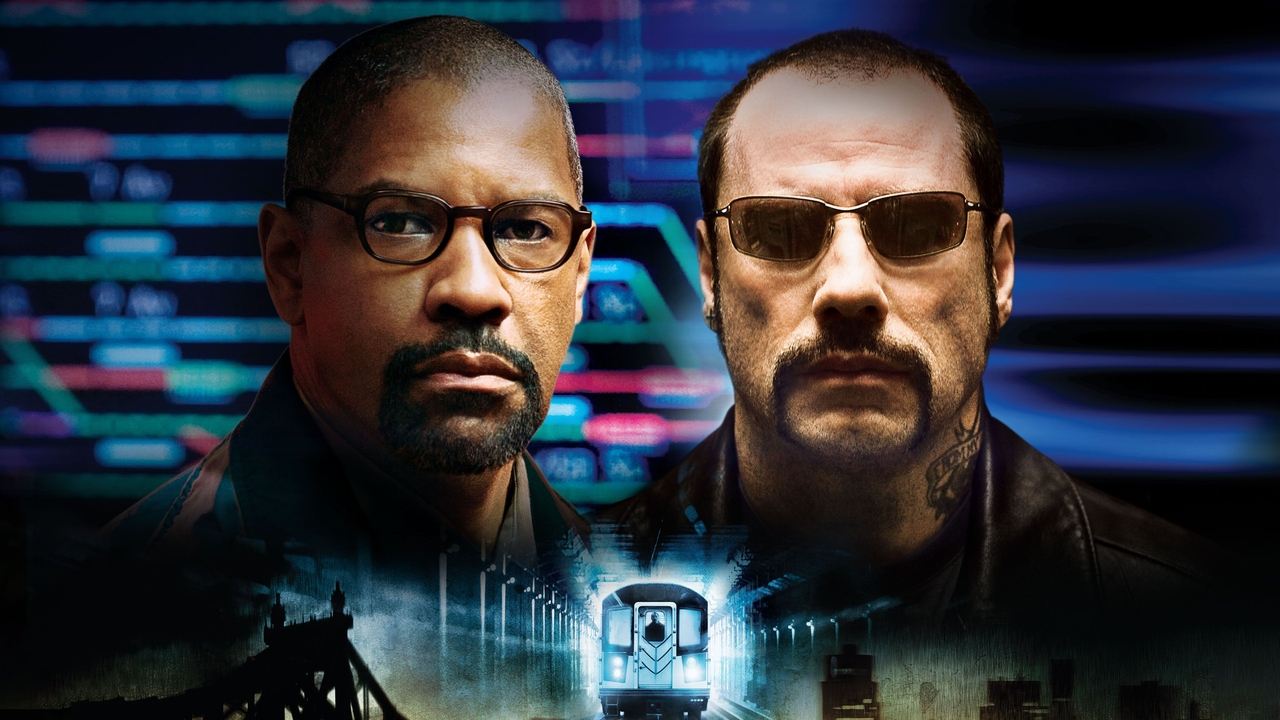
What makes this a "cult" favorite for Scott disciples is the attention to the "Old New York" vs. "New New York" vibes. The movie was filmed largely on location in the actual NYC subway system, which is a logistical nightmare.
Real Tunnels: The production spent weeks shooting in the tunnels of the 6 line. Denzel Washington reportedly had to deal with the actual heat and grime of the tracks, which adds a layer of authentic sweat to his performance. The "Milkman" Story: During production, John Travolta’s character was meant to be even more erratic. Some of the most intense dialogue between him and Denzel was improvised to keep the reactions genuine. A Family Affair: This was one of the many collaborations between Scott and Denzel (Man on Fire, Déjà Vu), and you can see the shorthand they developed. Scott knew exactly how to capture Denzel’s stillness against his own chaotic camera movements. The Mayor: James Gandolfini shows up as the Mayor of New York, and he plays it with a perfect blend of "I’m too tired for this" and "Don't let this hurt my polling numbers." It was a role originally envisioned as more heroic, but Gandolfini made it delightfully bureaucratic. * Transit Training: Denzel spent days shadowing real MTA dispatchers at the Rail Control Center to learn the cadence of the job.
Ultimately, The Taking of Pelham 1 2 3 is a testament to why we miss Tony Scott. He could take a story we’d already seen and make it feel like a new, dangerous experience. It doesn't have the cold, calculating precision of the original, but it replaces that with a sweaty, beating heart and a pair of lead performances that are worth the price of admission alone. It’s a loud, proud, and incredibly stylish thriller that reminds us that sometimes, the best way to tell a story is to make the audience feel like they’re vibrating at the same frequency as the film.
Keep Exploring...
-
Unstoppable
2010
-
Man on Fire
2004
-
Spy Game
2001
-
Déjà Vu
2006
-
Crimson Tide
1995
-

Domino
2005
-

Enemy of the State
1998
-

The Equalizer
2014
-

16 Blocks
2006
-

The Fast and the Furious: Tokyo Drift
2006
-
Gangster Squad
2013
-
RED 2
2013
-
Sin City: A Dame to Kill For
2014
-
The Book of Eli
2010
-
Safe House
2012
-
2 Guns
2013
-
The Siege
1998
-
The Bone Collector
1999
-
Cellular
2004
-
Crank
2006