The Twilight Saga: New Moon
"Heartbreak is a monster more terrifying than vampires."
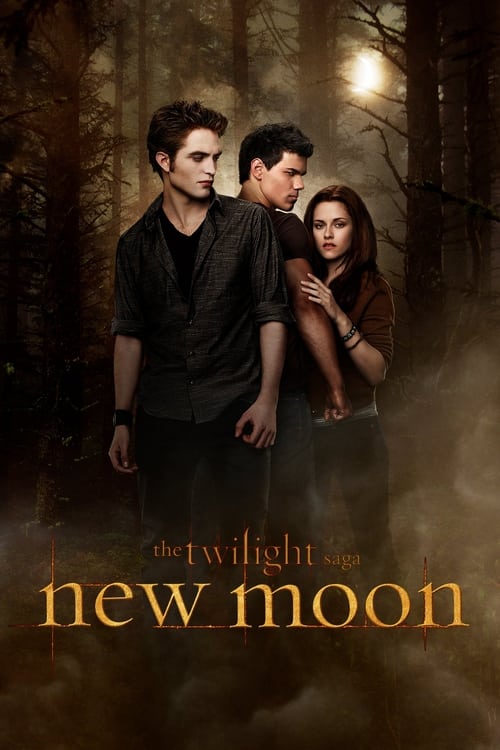
I recently revisited The Twilight Saga: New Moon on a scratched DVD I found at a thrift store, tucked inside a case for The Fast and the Furious: Tokyo Drift. I watched it while eating a bowl of cereal that had gone slightly soggy because I spent too much time trying to find the remote, and honestly, that damp, lukewarm vibe perfectly prepared me for the emotional landscape of Forks, Washington.
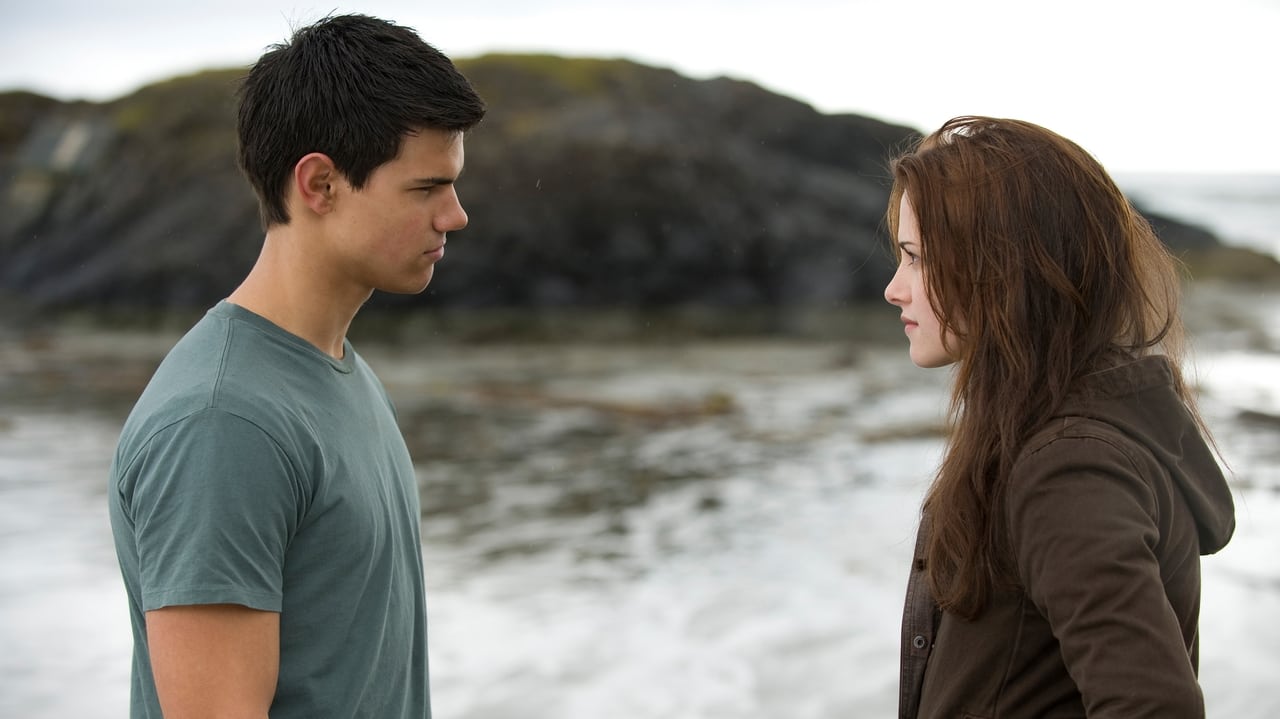
Looking back from the vantage point of 2024, it’s easy to forget how much of a cultural tectonic shift this film represented in 2009. We were right in the thick of the "franchise formation" era. Iron Man had only just kicked off the MCU a year prior, and Harry Potter was nearing its endgame. But New Moon was something else—it was a blockbuster fueled entirely by teenage estrogen and the kind of existential romantic dread that only feels possible when you’re seventeen.
The Art of Doing Nothing
The most striking thing about reassessing New Moon today isn't the CGI wolves or the vampire lore; it’s the sheer audacity of the pacing. For a solid hour, Kristen Stewart portrays a character who is essentially catatonic. After Robert Pattinson’s Edward Cullen whispers his "it's not you, it's my species" breakup speech in the woods, the movie settles into a rhythmic, melancholic stasis.
I’ve always felt that Kristen Stewart received an unfair shake during this era. Critics at the time mistook her awkwardness for lack of range, but watching her now, her performance as Bella Swan is a brave commitment to being completely unlikable and miserable. The famous "spinning seasons" shot, where the camera circles Bella as she sits by her window while months pass, is actually a great bit of visual storytelling by director Chris Weitz (About a Boy, The Golden Compass). It captures that specific flavor of depression where the world keeps moving but you’ve simply stepped off the carousel. It’s a drama that relies on internal rot rather than external action, which is a bold choice for a film that cost $50 million.
The Rise of the Abs-centric Franchise
Then, of course, there is the Taylor Lautner of it all. This was the film that launched a thousand "Team Jacob" t-shirts and arguably saved Lautner's career. Fun bit of trivia: the studio originally wanted to recast Jacob Black with a "more physically imposing" actor for the sequel. Lautner famously hit the gym, gained 30 pounds of muscle, and basically forced Summit Entertainment to keep him.
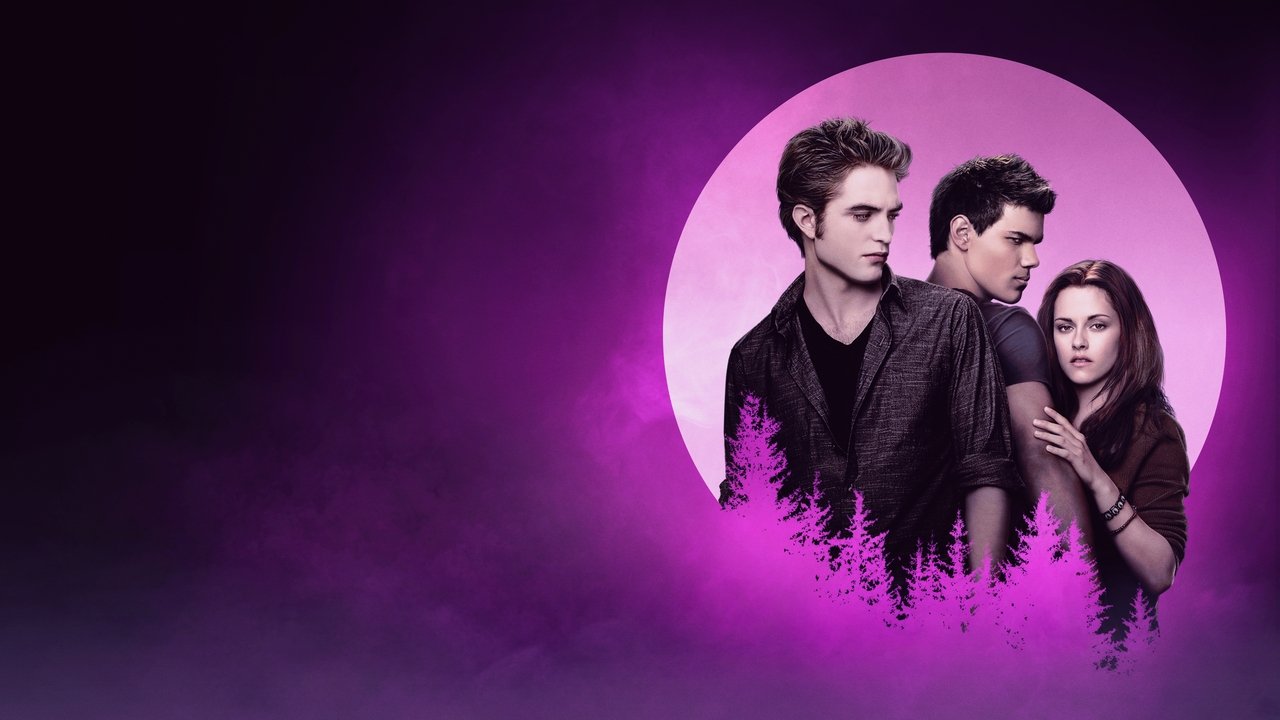
Jacob provides the warmth that the rest of the film lacks, but it’s also where the movie reveals its era-specific flaws. The CGI for the "Phasing" wolves was groundbreaking at the time, but today it looks a bit like oversized, sentient rugs fighting in a forest. Yet, there’s an earnestness to the Jacob/Bella relationship that feels more grounded than the sparkly vampire drama. It’s the classic "rebound" story, just with more ancient blood feuds. Taylor Lautner does a lot of heavy lifting here—mostly literally—to make the transition from a fantasy adventure to a character-driven drama work.
Camp, Crowns, and Michael Sheen
The final act shifts the gears entirely as we head to Italy to meet the Volturi. If the first two-thirds of the movie are a somber indie drama about grief, the finale is a glorious, high-camp Gothic horror show. This is where we get Michael Sheen as Aro, and I cannot stress enough how much he elevates this movie. Sheen seems to be the only person who fully realized he was in a movie about immortal bloodsuckers who wear velvet capes, and he plays it with a giddy, high-pitched theatricality that borders on the divine.
Seeing Dakota Fanning as Jane—a character whose only power is making people feel pain just by looking at them—was such a "2009" casting move. She was the indie darling of the decade, and her inclusion signaled that the Twilight franchise was becoming an unstoppable gravity well for talent.
The Sound of the Suburbs
I’d be remiss if I didn't mention the soundtrack. In the late 2000s, the Twilight soundtracks were the premier destination for indie cred. Hearing Death Cab for Cutie, Bon Iver, and Thom Yorke backing a story about teenage vampires is still one of the most surreal intersections of "cool" and "commercial" in cinema history. The score by Alexandre Desplat (The Grand Budapest Hotel) is also surprisingly sophisticated, leaning into lush, mournful strings rather than generic action beats. It treats Bella’s heartbreak with the same gravity a composer might treat a Shakespearean tragedy.
In retrospect, New Moon is the "Middle Child" of the saga—it’s a bridge between the low-budget indie charm of the first film and the full-blown war epic of the later installments. It shouldn't work. It’s too long, the protagonist is immobile for half the runtime, and the central conflict is resolved by a very long flight to Italy. But it captures a specific "post-9/11 anxiety" filtered through the lens of adolescent romance—the fear that the person who makes you feel safe could disappear at any moment, leaving you in a world that is much bigger and scarier than you realized.
It is a film that is simultaneously better and worse than you remember. It’s a fascinating time capsule of a moment when Hollywood realized that "feelings" could be a billion-dollar commodity. While the special effects have aged poorly, the depiction of that first, soul-crushing heartbreak remains surprisingly sharp. Just make sure you have some better snacks than soggy cereal before you hit play.
Keep Exploring...
-

The Twilight Saga: Eclipse
2010
-

The Twilight Saga: Breaking Dawn - Part 2
2012
-
The Twilight Saga: Breaking Dawn - Part 1
2011
-
Twilight
2008
-
Forever Young
1992
-
Snow White and the Huntsman
2012
-
The Golden Compass
2007
-

17 Again
2009
-
City of Angels
1998
-
The Horse Whisperer
1998
-
Step Up
2006
-
Phenomenon
1996
-
Shallow Hal
2001
-
About a Boy
2002
-

Alexander
2004
-
Herbie Fully Loaded
2005
-
Just Like Heaven
2005
-
10,000 BC
2008
-
Alice in Wonderland
2010
-
Beautiful Creatures
2013