The White Ribbon
"Innocence is the most dangerous mask of all."
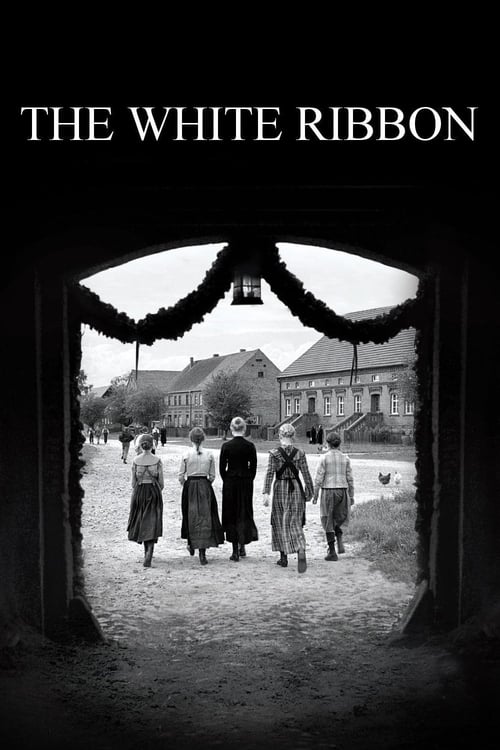
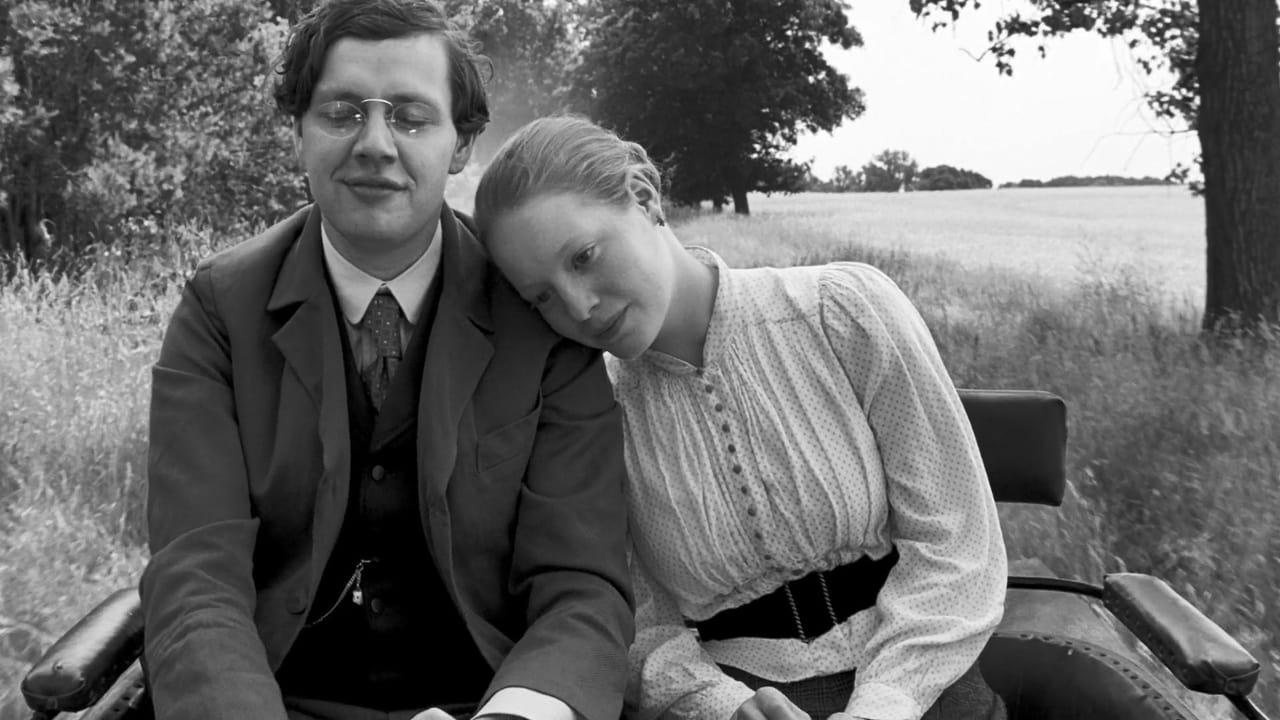
The first thing that hits you about The White Ribbon isn't the story, but the light. Or rather, the lack of it. It’s shot in a black and white so crisp and clinical it feels like you’re looking at the world through a sterilized microscope. There’s no nostalgic fuzziness here, no cozy sepia tones to soften the blow of 1913 Northern Germany. Instead, director Michael Haneke gives us a world that looks like it was etched into glass with a razor blade. It’s beautiful, sure, but it’s the kind of beauty that makes you want to button your coat up to your chin.
I watched this film for the first time on a grainy DVD I’d borrowed from a local library. The disc was so scratched that I spent the middle thirty minutes terrified the player would skip and rob me of the ending. Oddly enough, that technical anxiety paired perfectly with the film. The White Ribbon is a movie built entirely on the sensation that something is about to break, but you’re never quite sure when, where, or who is swinging the hammer.
The Village of Quiet Terrors
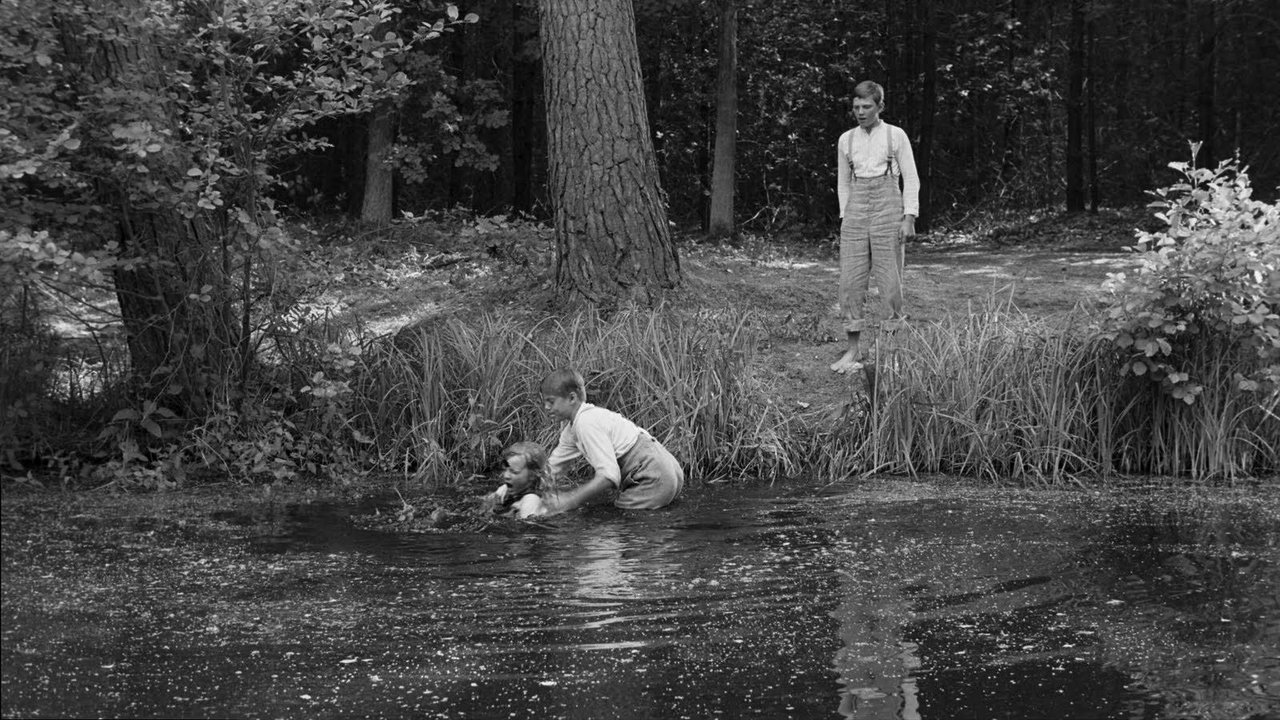
The setup is deceptively simple, narrated by an old man (Ernst Jacobi) looking back on his youth as a village schoolteacher (Christian Friedel). In the year leading up to World War I, a series of bizarre, cruel "accidents" begin to plague a small Protestant farming community. A wire is tripped to throw a doctor off his horse; a barn is burned down; a child is abducted and tortured.
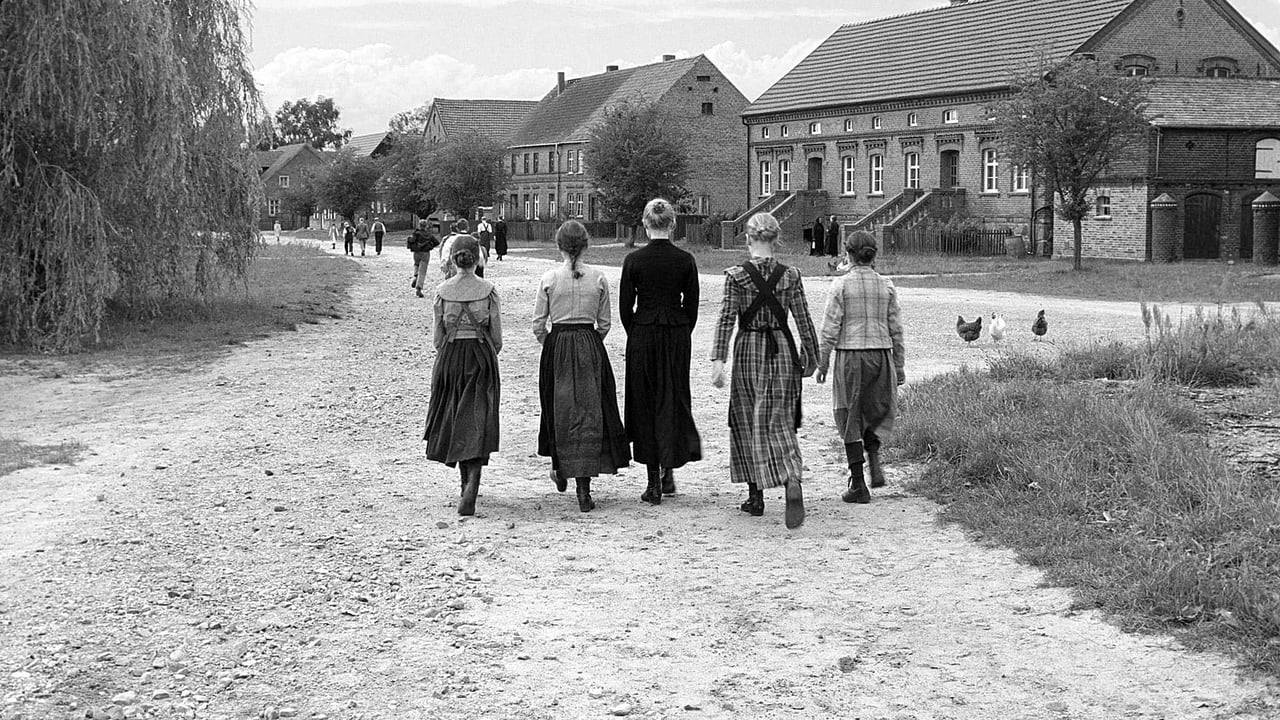
While the "mystery" label suggests we’re heading toward a Sherlock Holmes-style reveal, Haneke isn’t interested in providing a tidy confession. Instead, he invites us into the homes of the Baron (Ulrich Tukur), the Pastor, and the various farmers to show us a social order held together by sheer, grinding repression. It’s basically Children of the Corn if it were written by a nihilistic philosophy professor. The children in this village don’t just obey; they observe. They watch their parents’ hypocrisy and cruelty with wide, unblinking eyes, and you start to realize that the "white ribbon"—a symbol of purity tied to their arms as a reminder of innocence—is actually a psychological noose.
Performances in the Shadows
The acting here is staggering, particularly because so much of it is internal. Christian Friedel plays the teacher with a gentle, almost naive curiosity that provides the audience’s only real anchor. His courtship of Eva (Leonie Benesch) is the film’s only source of warmth, a flickering candle in a very dark cellar. Their scenes together feel like they belong in a different, kinder movie, which only makes the surrounding gloom feel heavier.
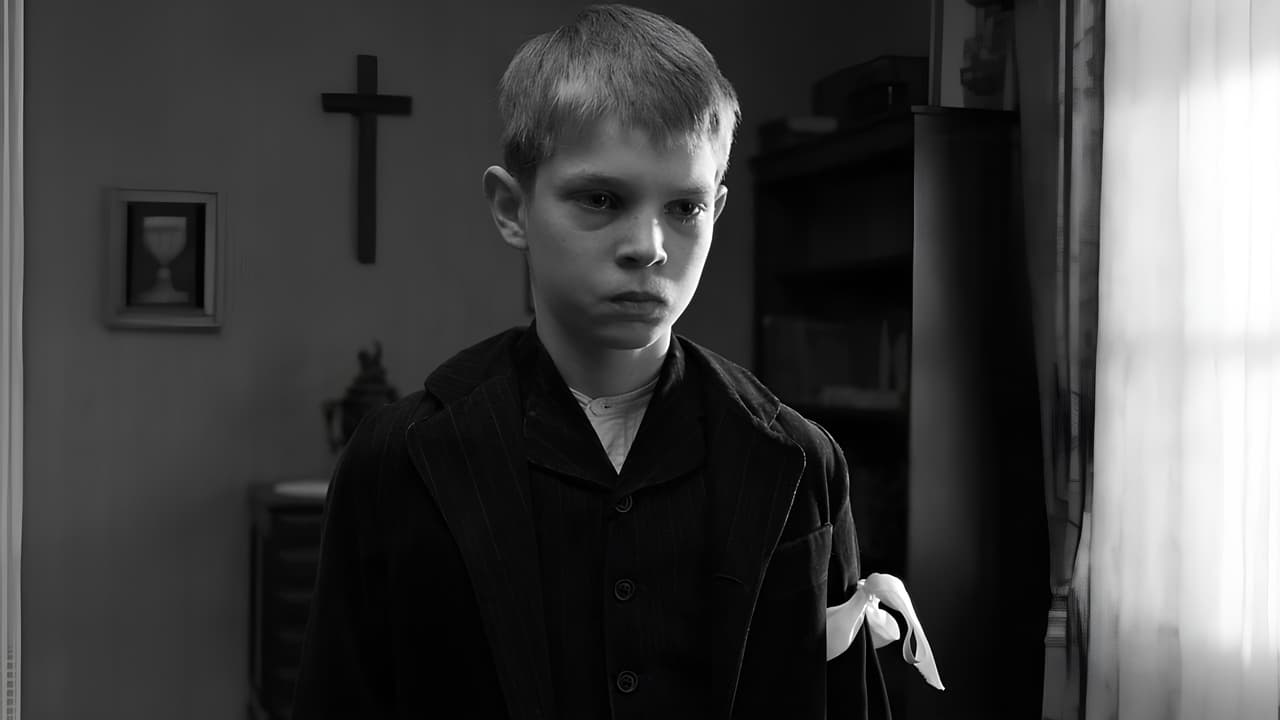
But it’s the children who steal the show. Fion Mutert, playing the doctor’s son, has a face that could haunt a house all by itself. These kids aren't "movie creepy" in the way Hollywood usually does it—there are no jump scares or demonic voices. They are simply terrifyingly still. Haneke spent six months casting these roles, looking at over 7,000 children to find faces that looked like they belonged in the early 20th century. It paid off. Looking at them, I found myself thinking about what these specific children would be doing twenty years later, in the 1930s. The film doesn’t mention the rise of the Third Reich, but it doesn't have to; the DNA of that future is visible in every cold stare and forced apology.
A Modern Technique for a Lost World
Coming out in 2009, The White Ribbon arrived right as the film industry was fully embracing the digital revolution. While big franchises were busy building CGI worlds, Michael Haneke and his cinematographer Christian Berger used digital tools for a different kind of precision. They shot on color film and then used digital intermediate processing to create a high-contrast black-and-white look that would have been almost impossible to achieve with traditional lab work.
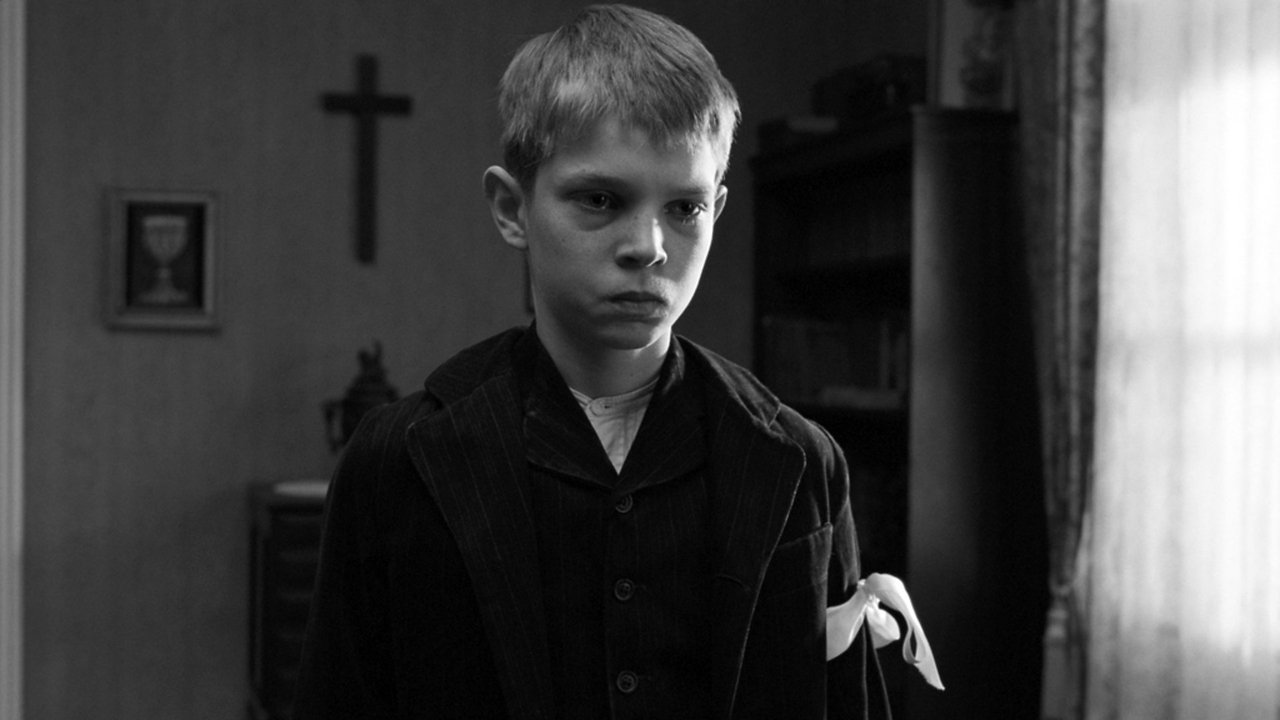
This is the "Modern Cinema" era at its best: using cutting-edge tech to honor a classical aesthetic. The result is a film that looks "old" but feels uncomfortably immediate. There’s no "film grain" to hide behind. It forces you to see every bead of sweat and every twitch of a lip. It's a drama that uses the language of a thriller, and even though it’s nearly two and a half hours long, I didn't check the time once. I was too busy trying to figure out if the kids were actually evil or just the logical conclusion of a broken society.
The White Ribbon is an endurance test, but a deeply rewarding one. It’s a "mystery" where the answer is less about who committed the crimes and more about the rot that allows such crimes to happen in the first place. It captures that specific post-9/11 cinematic anxiety where we stopped looking for external monsters and started looking at our own neighbors. If you’re in the mood for something that will stick to your ribs and make you rethink every "innocent" childhood memory you have, this is the one. Just make sure you’re not watching a scratched library copy; you won’t want to miss a single, chilly second.
Keep Exploring...
-
Caché
2005
-
Amour
2012
-
The Piano Teacher
2001
-
The Constant Gardener
2005
-
Funny Games
1997
-
Broken Flowers
2005
-
The Jacket
2005
-
Inland Empire
2006
-
Tell No One
2006
-
In the Valley of Elah
2007
-
Mother
2009
-
Kill the Messenger
2014
-

The Manchurian Candidate
2004
-
Batman: Under the Red Hood
2010
-

Confessions
2010
-
Batman: The Dark Knight Returns, Part 1
2012
-
In the House
2012
-

Batman: The Dark Knight Returns, Part 2
2013
-
When Marnie Was There
2014
-
Funny Games
2008