Thirst
"Sacraments, sins, and the thirst that never ends."
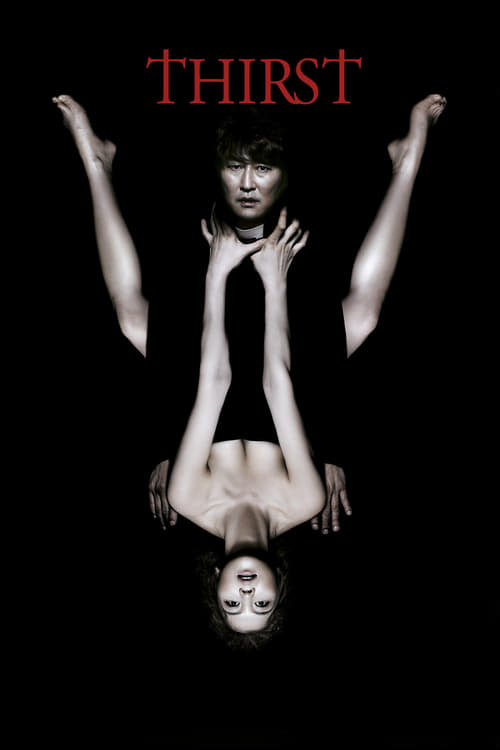
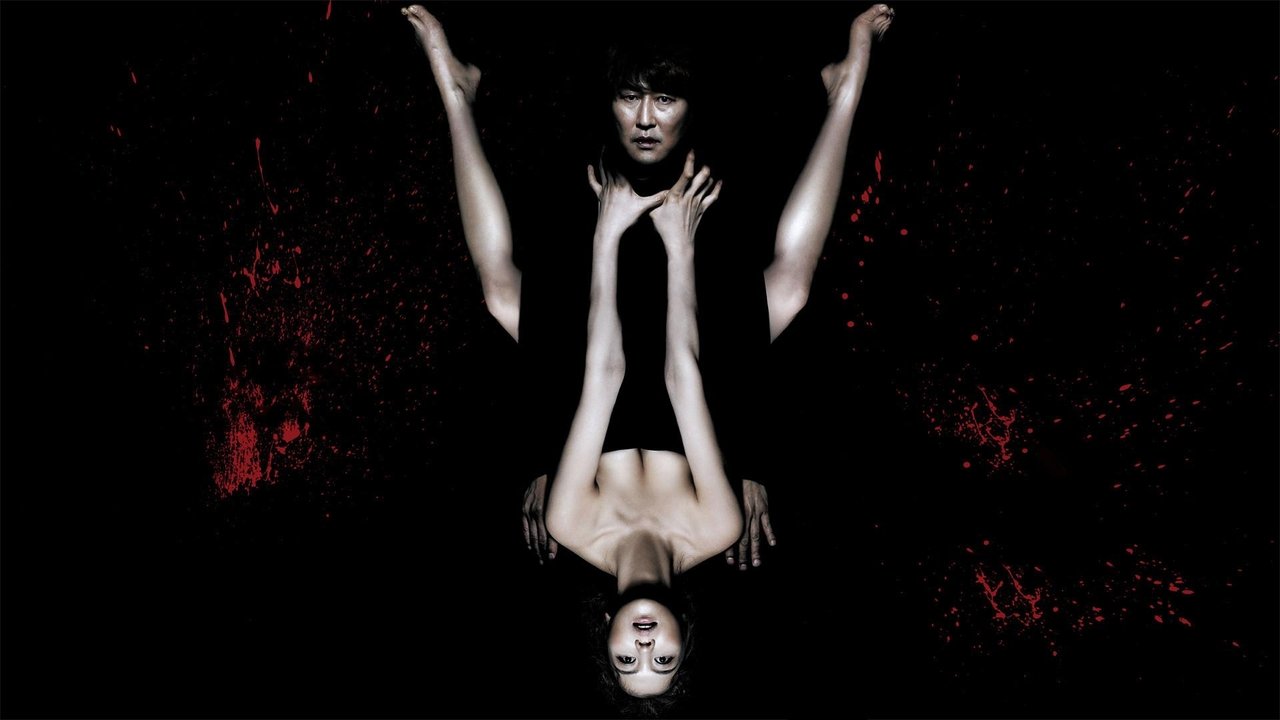
The image of a priest sucking blood from a hospital IV bag like it’s a juice box is the kind of blasphemous imagery that stayed with me long after the credits rolled. Most vampire movies of the late 2000s were preoccupied with brooding teenagers and shimmering skin, but Park Chan-wook (the mastermind behind Oldboy and The Handmaiden) decided to take the mythos back to its most uncomfortable, tactile roots. I remember watching this while nursing a cup of oolong tea that had gone stone-cold because I was too distracted by the sound design to take a sip; every wet, slurping noise in this film feels like it’s happening right inside your own ear canal.
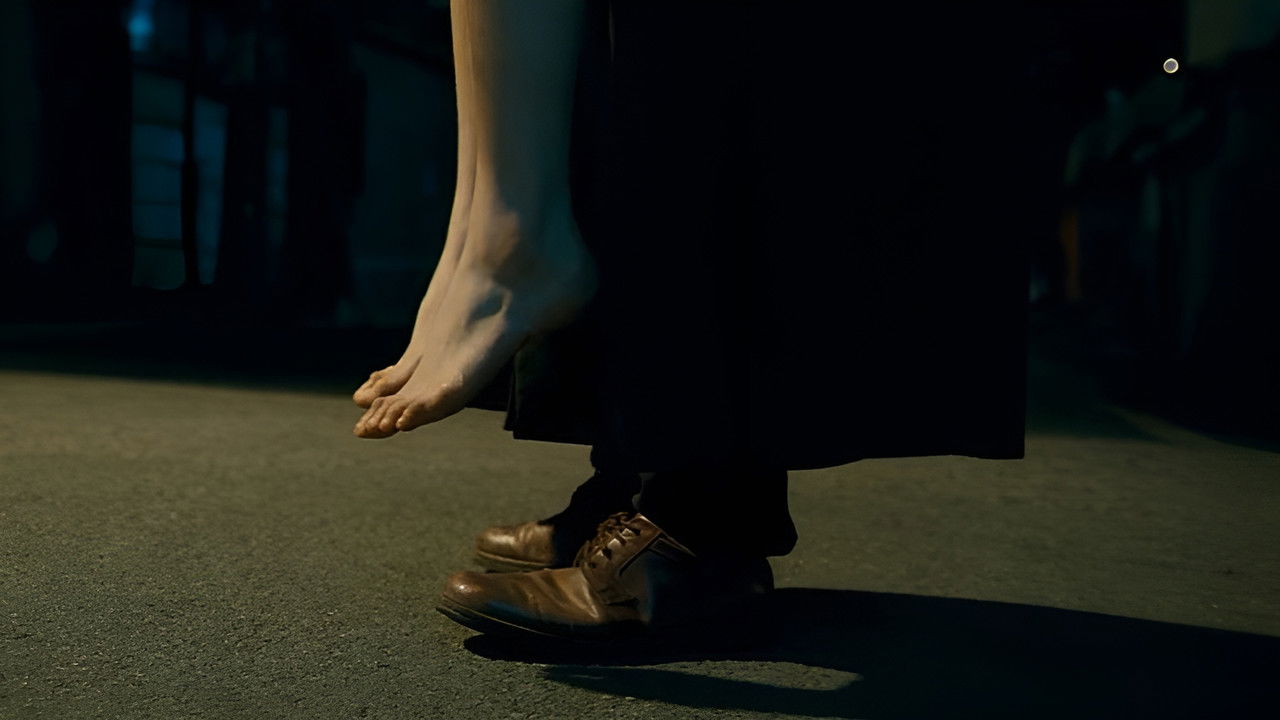
Released in 2009, Thirst (originally titled Bakjwi, or "Bat") arrived at the tail end of a massive boom in South Korean cinema. This was an era where the DVD market was still robust, and film nerds were scouring the "International" sections of Blockbuster to find anything that felt more dangerous than the standard Hollywood fare. While the world was obsessed with Twilight, Park Chan-wook gave us a protagonist who was actually grappling with the moral weight of immortality.
The Biology of Blasphemy
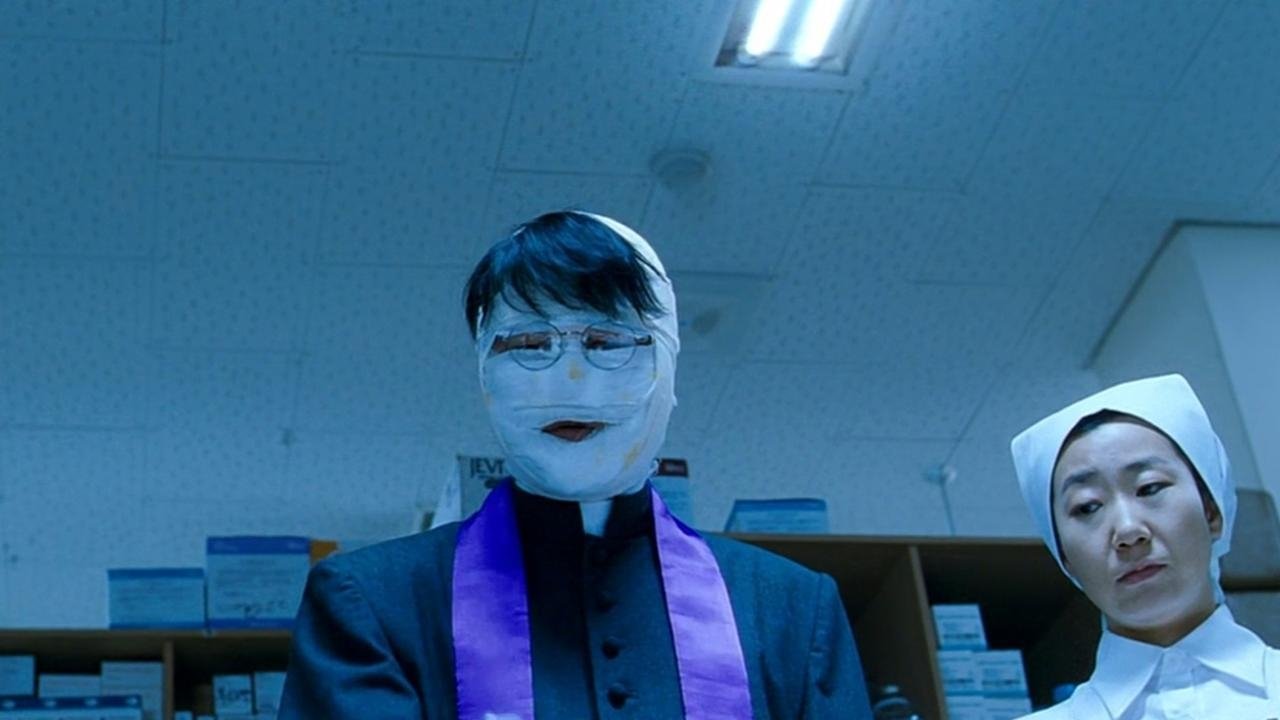
The story follows Sang-hyeon, played by the incomparable Song Kang-ho, a priest so dedicated to his faith that he volunteers as a human guinea pig for an experimental vaccine. He dies, obviously, but a last-minute blood transfusion brings him back with a few specific, predatory side effects. Song Kang-ho—who most modern audiences will recognize from Parasite or Snowpiercer—is incredible here. He doesn't play the "cool" vampire. He plays a man whose soul is being slowly digested by his own survival instincts.
The horror in Thirst isn't built on jump scares. It’s built on the crushing weight of physical needs. When Sang-hyeon reunites with a childhood friend, the frail and sickly Kang-woo (Shin Ha-kyun), he finds himself drawn to Kang-woo’s repressed wife, Tae-ju (Kim Ok-bin). What follows is a descent into a very "wet" kind of noir. Everything in this movie feels damp, from the rain-slicked streets to the persistent, nauseating sound of gulping. Vampires aren't sparkly here; they’re just sad, horny mosquitoes in priest collars.
A Masterclass in Stylized Misery

Park Chan-wook has always been a director who favors "practical ingenuity" over CGI gloss, even during an era when digital effects were becoming the default. Looking back, the wirework and the makeup effects in Thirst hold up remarkably well because they feel anchored in reality. There’s a scene involving Sang-hyeon jumping between rooftops that feels more like a clumsy, desperate animal than a superhero. It’s grounded, gritty, and deeply unsettling.
The chemistry between Song Kang-ho and Kim Ok-bin is what carries the second half of the film into territory that feels almost Shakespearean. Tae-ju isn't just a victim or a love interest; she’s a catalyst who realizes that being a monster might actually be more liberating than being a bored housewife. Her transformation is arguably more terrifying than the priest's because she has no moral compass to lose in the first place. The film takes the bones of Émile Zola’s novel Thérèse Raquin and grafts them onto a vampire flick, creating a hybrid that feels both ancient and modern.
Why It Vanished Into the Shadows
Despite winning the Jury Prize at Cannes, Thirst hasn't quite maintained the same "dorm room poster" status as Oldboy. Part of that is likely due to the runtime—134 minutes is a lot of bloodletting for the average viewer—and part of it is the sheer bleakness of the ending. It’s a film that refuses to offer a "cool" version of vampirism. It treats the condition as a terminal disease of the spirit.
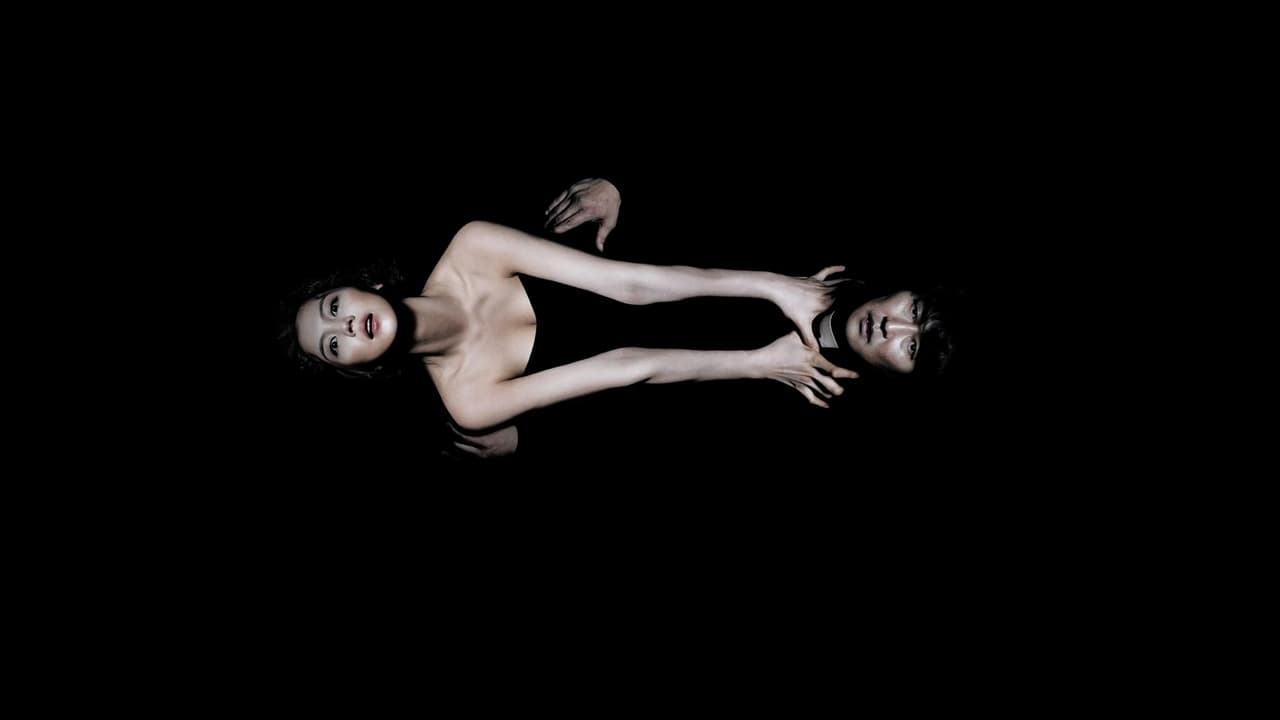
During my rewatch, I found myself appreciating the production design by Ryu Seong-hie, who also worked on Memories of Murder. The use of color, particularly the way white surfaces are eventually stained by the inevitable, is handled with a painterly eye. It’s a gorgeous movie to look at, provided you have the stomach for the subject matter. It captures that 2000s transition where digital cinematography started to find its own aesthetic language, moving away from the "flatness" of early digital and into something much richer and more textured.
The film is a reminder that horror can be more than just a delivery system for adrenaline; it can be a way to look at the parts of ourselves we’d rather keep under a cassock. It’s a messy, sweaty, and deeply tragic piece of cinema that deserves to be pulled out of the "forgotten" bin and given a fresh look. If you can get past the squelching sound effects, you’ll find one of the most human stories ever told about things that aren't human anymore. It’s a brutal, beautiful experience that leaves you feeling like you need a shower and a confession, though not necessarily in that order.
Keep Exploring...
-
Lady Vengeance
2005
-
Sympathy for Mr. Vengeance
2002
-
Stoker
2013
-
Inland Empire
2006
-
Take Shelter
2011
-
Oldboy
2003
-
Martyrs
2008
-

Black Swan
2010
-
The Skin I Live In
2011
-
The Last House on the Left
2009
-
The Orphanage
2007
-
Caché
2005
-
The Protector
2005
-

Black Book
2006
-
Tell No One
2006
-
Undisputed II: Last Man Standing
2006
-
United 93
2006
-
Before the Devil Knows You're Dead
2007
-
Mesrine: Killer Instinct
2008
-
Mesrine: Public Enemy #1
2008