Tinker Bell and the Lost Treasure
"One broken stone. A thousand miles to fix it."
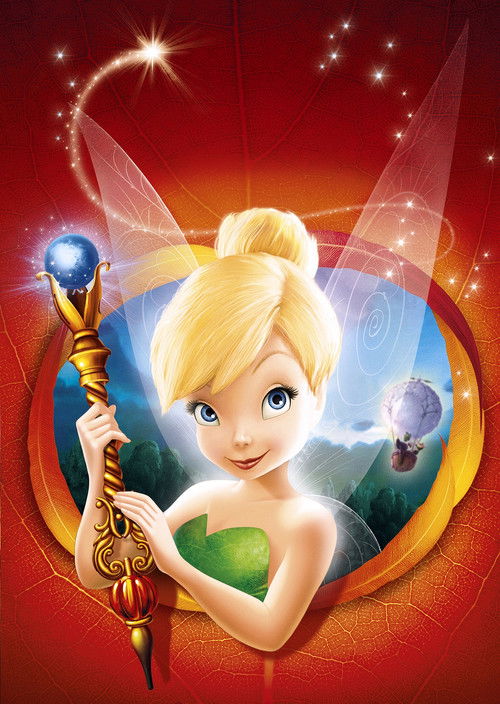
I remember the collective gasp from the Disney purist community when the first Tinker Bell movie was announced. Giving a voice to a character who, for half a century, communicated exclusively through the sound of a celesta and homicidal gestures toward Wendy Darling felt like heresy. It was the peak of the "Disney Fairies" marketing blitz, an era when the studio was determined to turn every secondary character into a franchise anchor. Yet, by the time the sequel, Tinker Bell and the Lost Treasure, hit my DVD player in 2009, something strange had happened: these movies were actually becoming good.
I watched this particular entry on a Tuesday afternoon while nursing a mild case of food poisoning from a questionable street taco, and the vibrant, bioluminescent color palette was strangely more effective than the Pepto-Bismol.
The Steampunk Pixie and the Hero's Journey
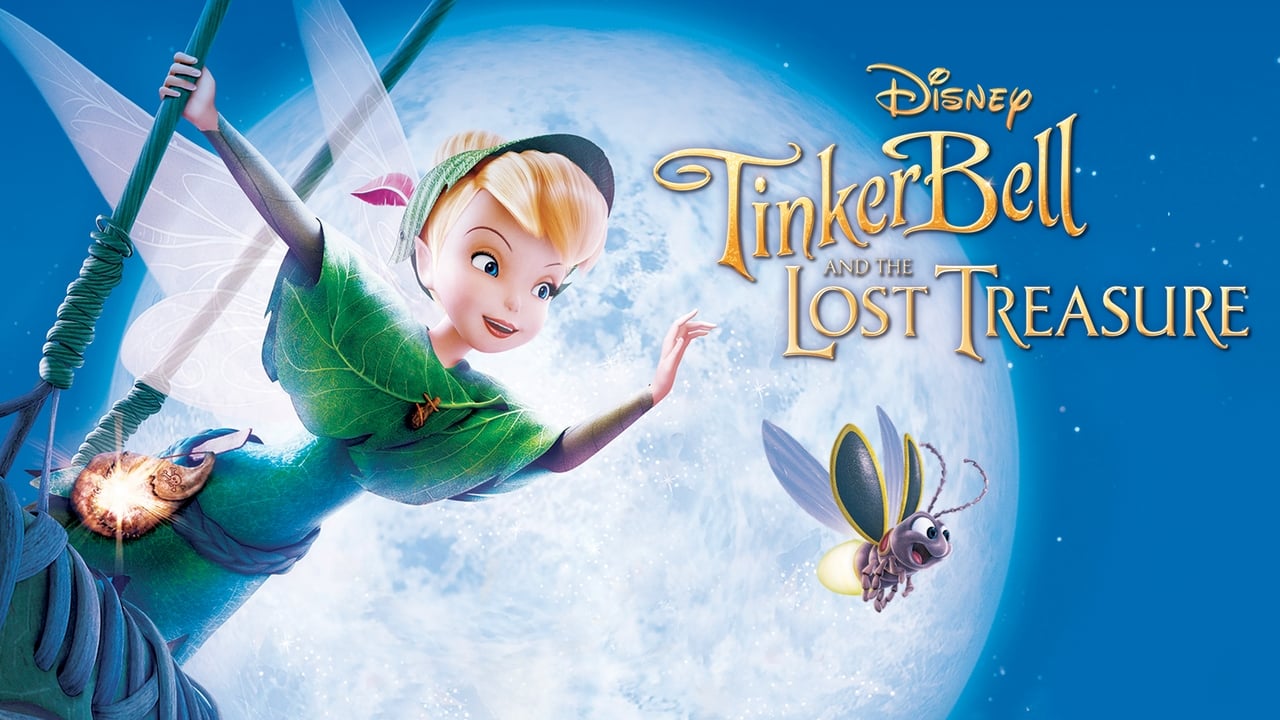
In this installment, the plot centers on the Blue Harvest Moon. Tink is tasked by Fairy Mary (the delightfully frantic Jane Horrocks) to create a scepter to hold a precious moonstone, which converts moonlight into the blue pixie dust that keeps the fairies’ magic alive. Naturally, Tink’s temper—the one character trait Disney wisely retained from the 1953 original—gets the better of her. She accidentally smashes the stone. To fix it, she has to find the "Mirror of Incanta," a legendary artifact that grants wishes.
What makes this more than just a 81-minute toy commercial is the way Klay Hall directs it as a legitimate adventure film. This isn't just fluttery dancing in a meadow; it’s a survival story. Tink has to build a makeshift hot-air balloon (she is a "tinker," after all) and navigate a world that feels vast and genuinely perilous for someone five inches tall. Tinker Bell is basically a steampunk engineer trapped in a glittery prison, and I am here for it. She uses gears, pulleys, and found objects to solve her problems, making her one of the more proactive female protagonists of the late 2000s.
CGI Ambition in the Straight-to-Video Era
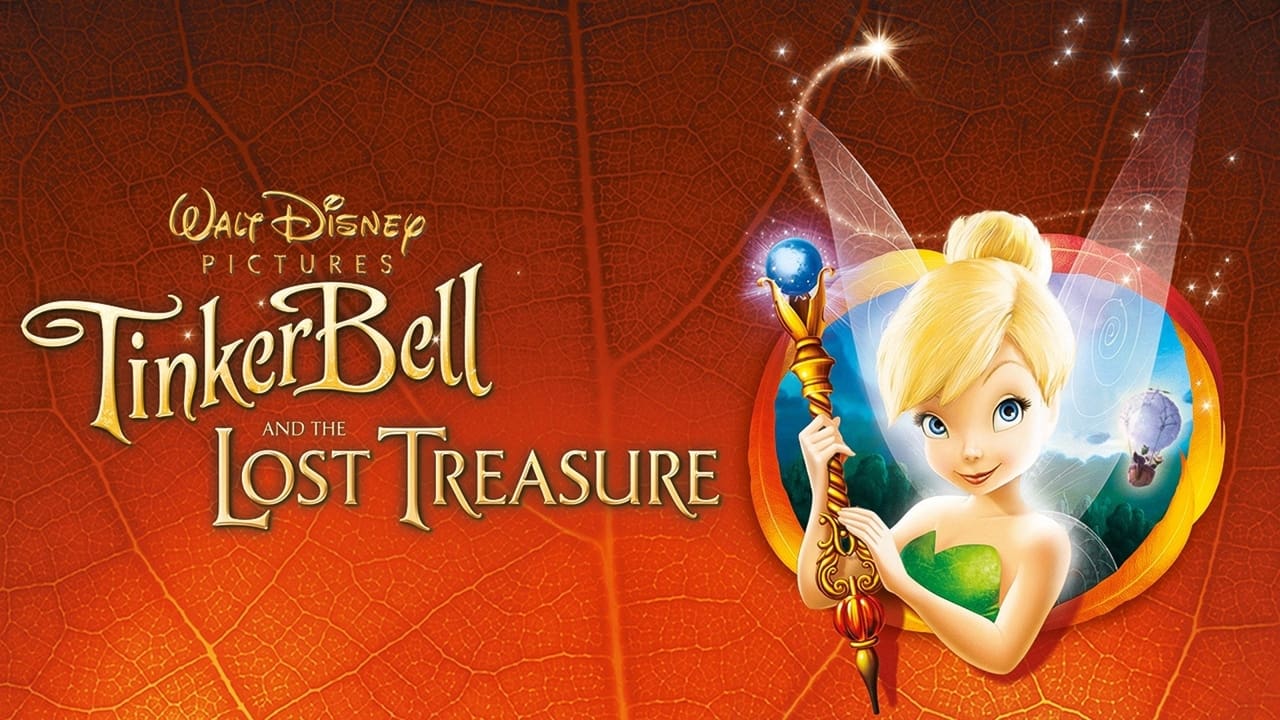
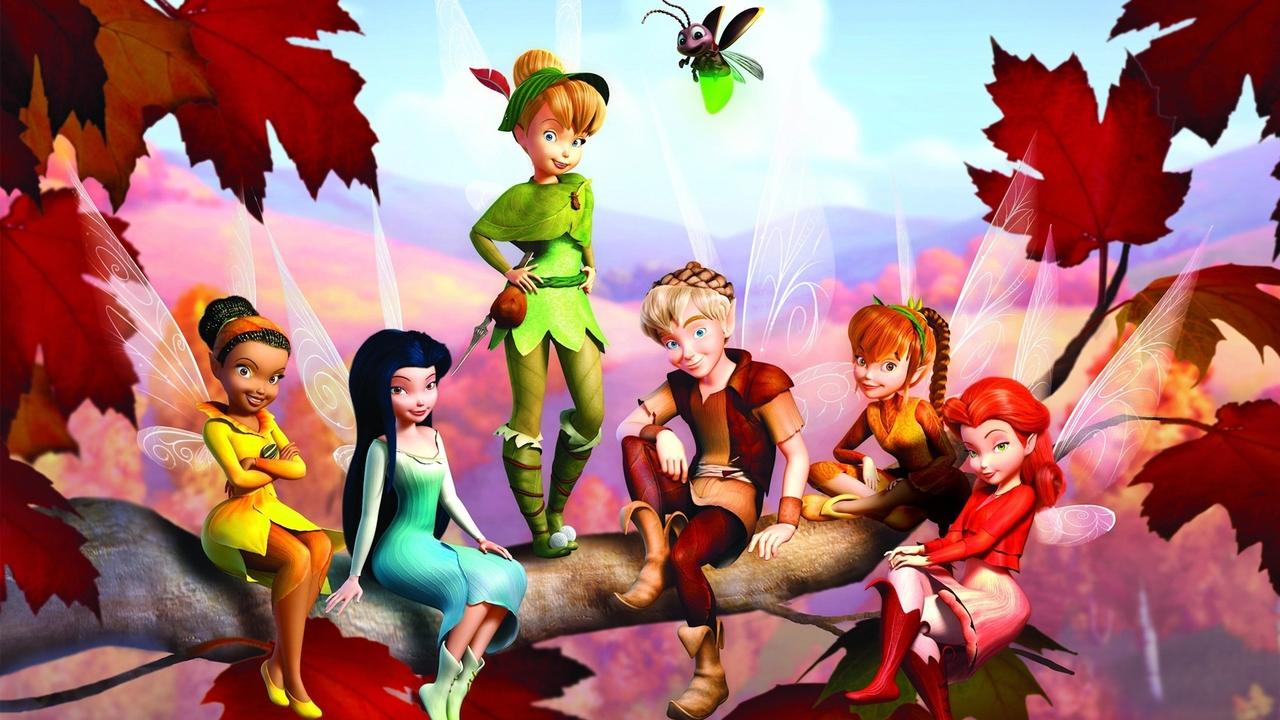
Looking back from our current era of $200 million blockbusters, it’s easy to forget the weird "middle child" phase of CGI. By 2009, DisneyToon Studios was trying to prove they weren't just the "cheap sequel" department anymore. The transition from the flat, sometimes jarring 3D of the early 2000s to the lush, textured environments seen here is remarkable. The way the light hits the autumn leaves and the translucent quality of the fairies' wings actually holds up surprisingly well.
The voice cast also brings a level of sincerity that elevates the material. Mae Whitman is the secret weapon here. She gives Tinker Bell a raspy, relatable frustration that prevents the character from becoming a saccharine caricature. Her chemistry with Jesse McCartney, who voices the eternally patient Terence, provides the emotional stakes. When they have their falling out early in the film, it feels like a real friendship fracture, not just a plot point. Even the supporting "squad"—Lucy Liu as Silvermist, Raven-Symoné as Iridessa, and Kristin Chenoweth as Rosetta—bring distinct flavors to their limited screen time, though this is very much a solo quest for Tink.
A Score That Punches Above Its Weight
I’d be remiss if I didn't mention the music. Composer Joel McNeely, a veteran of the Young Indiana Jones chronicles, treats this movie like it’s a high-stakes epic. He leaned heavily into Celtic influences, using tin whistles and fiddles to create a soundscape that feels ancient and grounded in folklore. It’s a far cry from the generic synth-pop that plagued many "family" movies of the era. The score gives the journey across the sea a sense of scale that the script alone might have missed.
There are, of course, the mandatory "funny sidekick" moments. We get Blaze, a firefly who joins Tink on her quest. While clearly designed for the toddlers in the audience, Blaze actually serves a narrative purpose as a source of light and a sounding board for Tink’s internal monologue. The humor is mostly harmless, though the "troll" sequence at the bridge feels like a mandatory pitstop in Every Fantasy Movie Ever.
Ultimately, Tinker Bell and the Lost Treasure is a reminder that "straight-to-DVD" didn't always mean a lack of craft. In the late 2000s, this franchise was a testing ground for digital environmental effects and character lighting that would eventually inform Disney’s main-stage theatrical releases. It’s a tight, 81-minute adventure that respects its protagonist’s intelligence and doesn't shy away from her flaws.
If you haven't revisited Pixie Hollow since you were a kid—or if you skipped it entirely because you thought it was just for the "Disney Princess" demographic—you might be surprised. It captures a specific moment in the CGI revolution where the tools were finally catching up to the imagination. It’s a small-scale epic that handles its legacy with more care than most reboots do today. It’s a gem that deserved a theater screen, even if it mostly lived on the shelves of Blockbusters.
Keep Exploring...
-
Tinker Bell
2008
-
Tinker Bell and the Great Fairy Rescue
2010
-

Secret of the Wings
2012
-
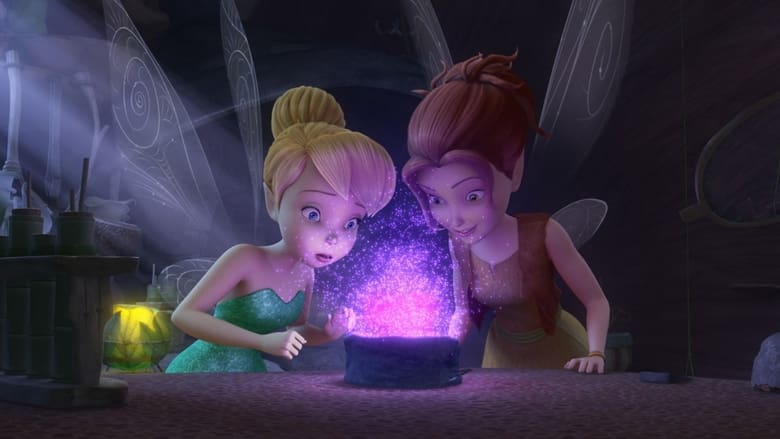
Tinker Bell and the Pirate Fairy
2014
-
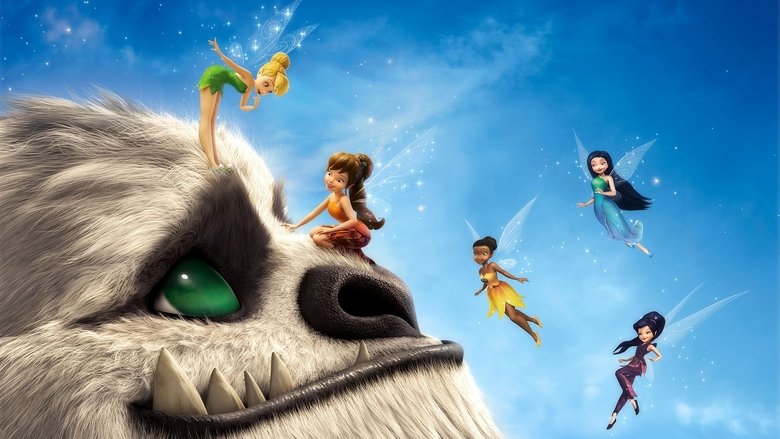
Tinker Bell and the Legend of the NeverBeast
2014
-
Mickey, Donald, Goofy: The Three Musketeers
2004
-
Shrek the Halls
2007
-
Planes
2013
-
A Monster in Paris
2011
-

DuckTales: The Movie - Treasure of the Lost Lamp
1990
-
The Rescuers Down Under
1990
-

The Swan Princess
1994
-
James and the Giant Peach
1996
-
Shrek 2
2004
-

The Polar Express
2004
-

The SpongeBob SquarePants Movie
2004
-
Cinderella III: A Twist in Time
2007
-
Shrek the Third
2007
-
Horton Hears a Who!
2008
-
Shrek Forever After
2010