Triangle
"The water is blue, the blood is red, the loop is forever."
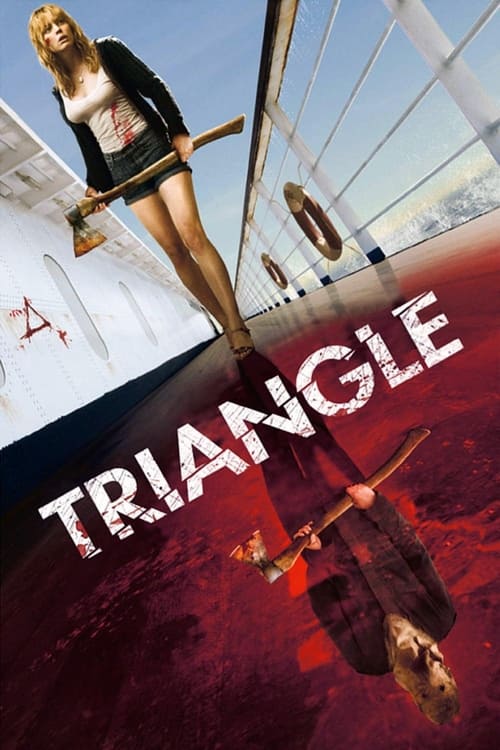
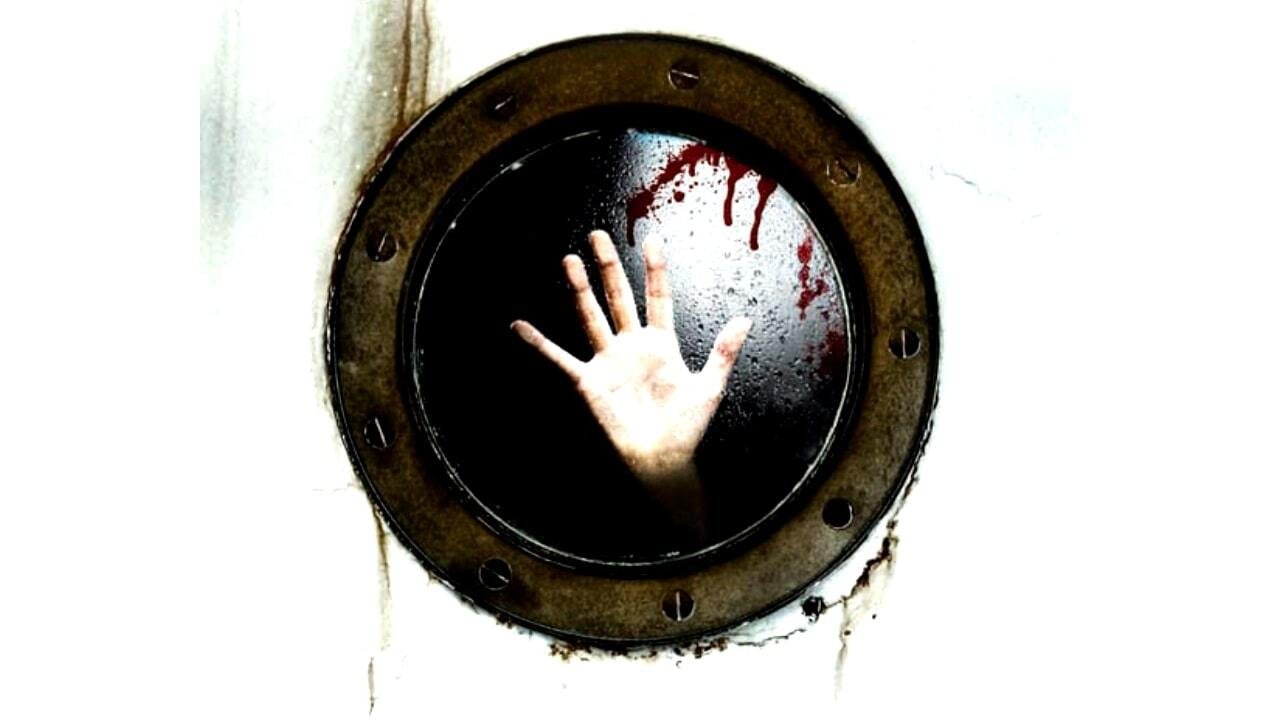
There is a specific kind of headache that only a Christopher Smith film can provide, and I mean that as a high-level compliment. In 2009, the UK director followed up his underground hit Creep and the comedy-horror Severance with something that, on paper, looked like another disposable "ghost ship" flick. The poster featured a woman looking distressed against a nautical backdrop—the kind of thing you’d see in a bargain bin at Blockbuster and pass over for a Saw sequel. But if you actually popped the disc into your player, you weren't getting a slasher; you were getting a geometric nightmare that functions like a cinematic M.C. Escher painting.
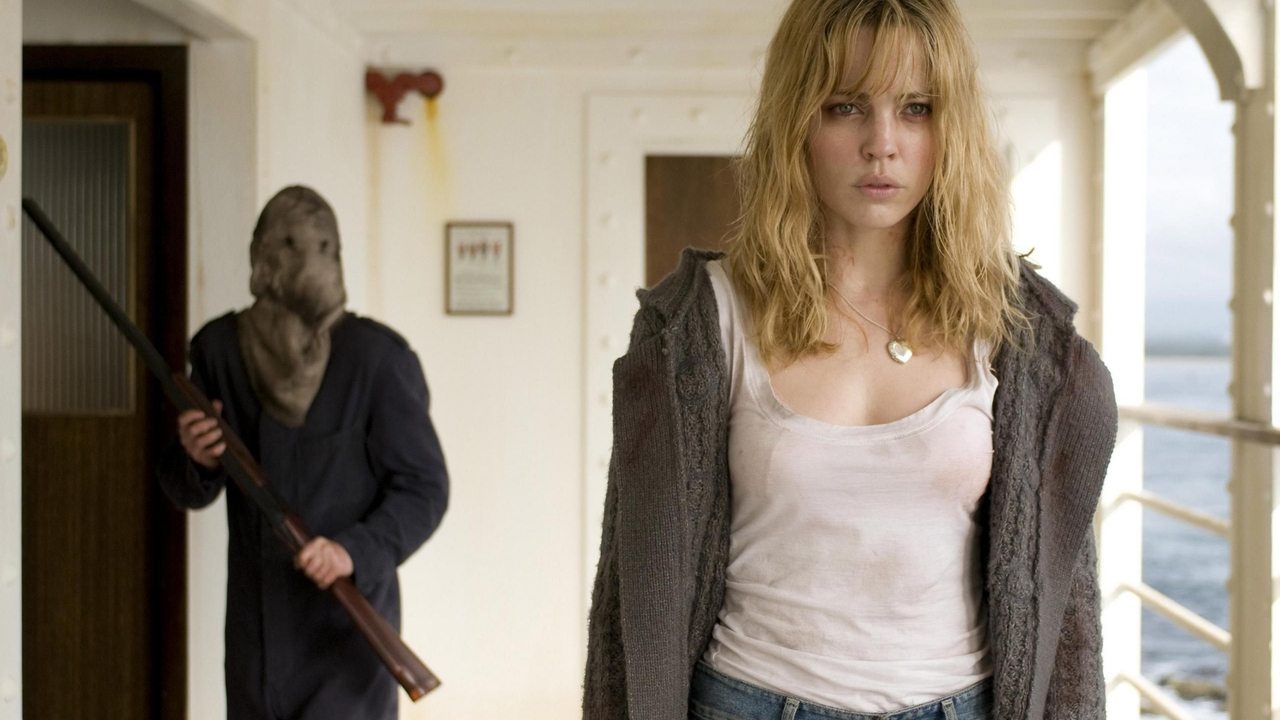
I first watched Triangle on a Tuesday afternoon while eating a bowl of lukewarm cereal, and by the forty-minute mark, I had forgotten to keep chewing. My cat was aggressively trying to eat a plastic bag in the corner of the room, and the rhythmic crinkling actually synced up with the mounting dread on screen. It’s a film that demands your undivided attention, then rewards you by pulling the rug out from under your feet every fifteen minutes.
The Geometry of Guilt
The setup is deceptively simple. Jess (Melissa George) is a stressed-out single mother who joins a group of friends for a day of sailing on a yacht called the Oceanic. Among the crew is Greg (Michael Dorman), a wealthy guy with a soft spot for her, and a very young, pre-Hunger Games Liam Hemsworth as Victor. A freak storm capsizes their boat, leaving them adrift until a massive, derelict ocean liner—the Aeolus—drifts into view. They climb aboard, only to find the corridors empty and the dining rooms set with rotting food.
What follows is one of the most tightly constructed scripts of the modern era. Christopher Smith didn't just write a horror movie; he wrote a mathematical proof. As Jess realizes they aren't alone on the ship, she begins to encounter versions of herself and her friends in a series of overlapping temporal loops. It’s here that the film transitions from "scary boat movie" to a devastating exploration of maternal guilt and the Sisyphean nature of grief. Melissa George delivers a performance that should have been a career-defining moment; she carries the entire emotional weight of the film, shifting from a confused victim to a cold-blooded pragmatist with terrifying ease.
Cult Logic and the DVD Renaissance
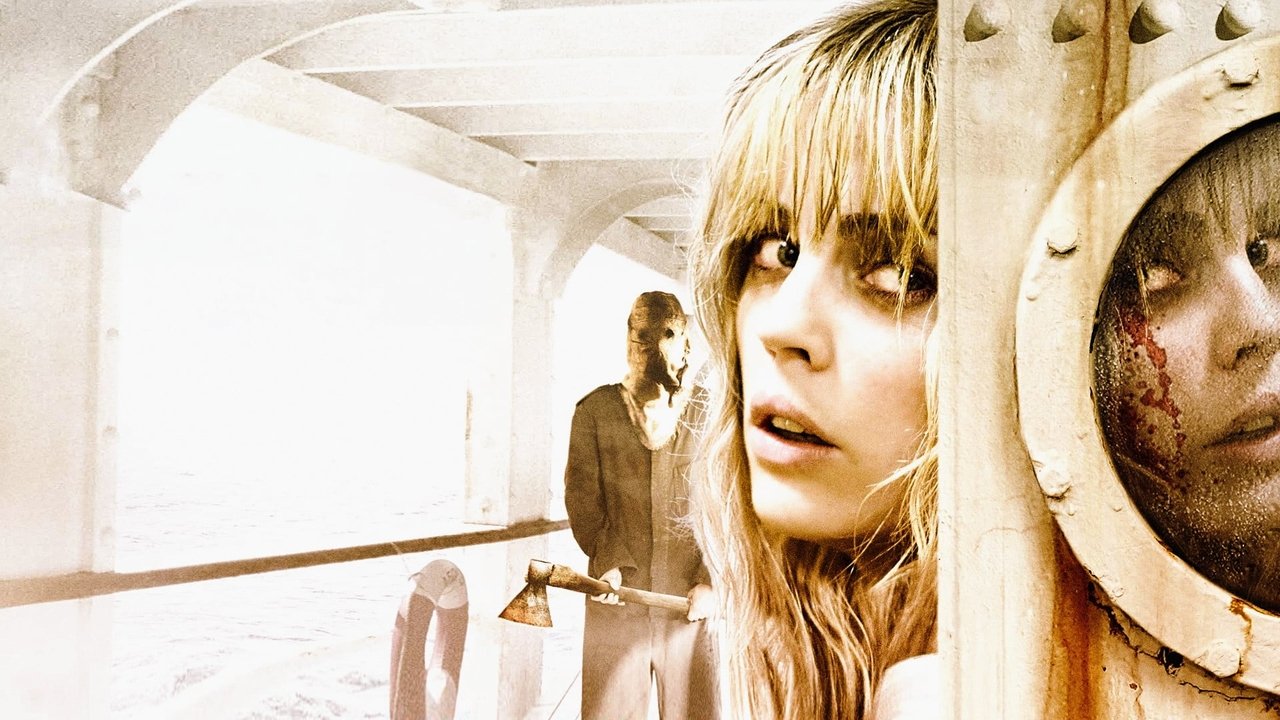
Triangle is the quintessential "word-of-mouth" cult classic. It bombed spectacularly at the box office, recouping barely a fraction of its $12 million budget. Audiences in 2009 weren't quite ready for a high-concept brain-melter marketed as a standard horror film. However, the burgeoning DVD culture of the late 2000s saved it. This is a movie built for the "Pause" and "Rewind" buttons.
If you look closely at the background of scenes, the continuity errors aren't errors at all—they are clues. It turns out that the production team had to be meticulously organized to track which "loop" they were filming. For example, in the scene involving a massive pile of identical lockets or the infamous "heap of bodies," the crew had to manually arrange the props to ensure they matched the geometry of the previous cycles. It is a logistical miracle that this movie doesn't have a single glaring plot hole, and frankly, it puts most big-budget franchise writing to shame.
The ship’s name, the Aeolus, is a direct nod to the Greek god of the winds and the father of Sisyphus. Much like Sisyphus, who was condemned to roll a boulder up a hill for eternity, Jess is trapped in a cycle of her own making. The "Stuff You Didn't Notice" factor is high here: the film was actually shot in Queensland, Australia, despite being set in Florida. They built segments of the ship on a soundstage, but the sense of scale is so effective that you feel the crushing weight of the ocean liner’s rusted iron hull in every frame.
Horror in Broad Daylight
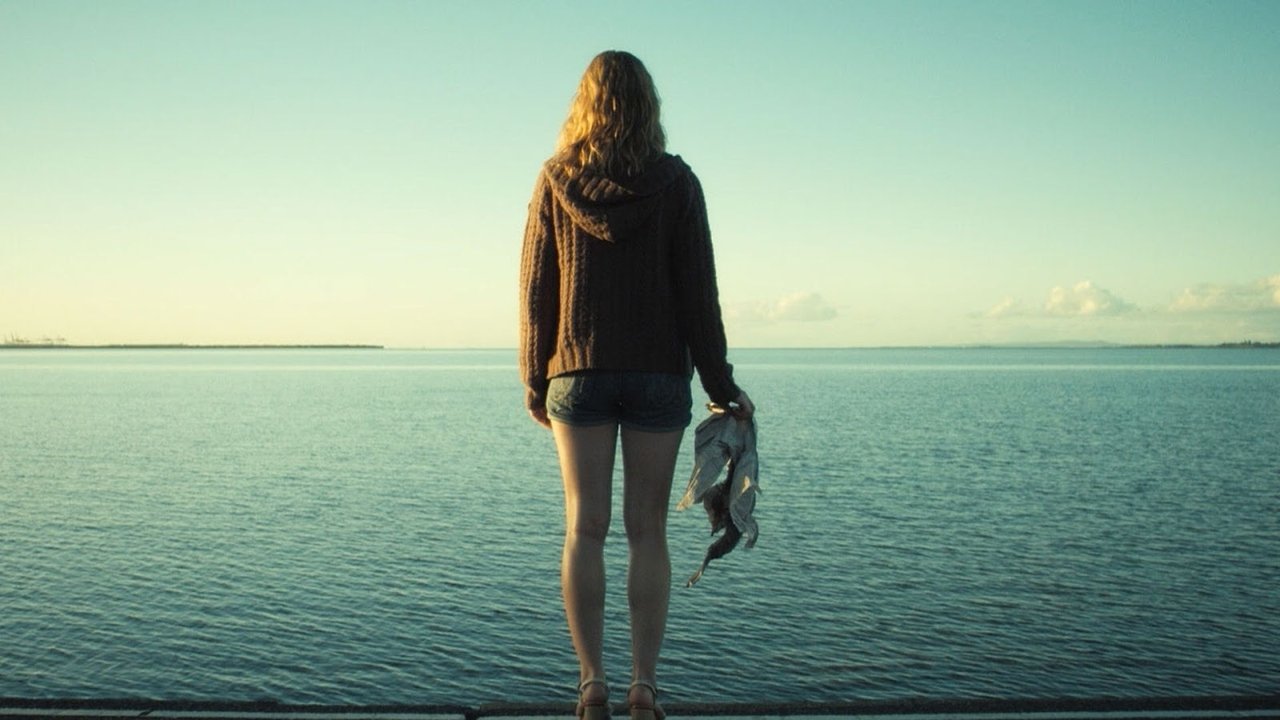
One of the boldest choices Christopher Smith made was to keep the film brightly lit. Most horror directors hide their flaws in shadows, but Triangle takes place largely in the oppressive glare of the midday sun or under the harsh fluorescent lights of the ship’s interior. This "daytime horror" aesthetic strips away the comfort of the dark, making the impossible events on screen feel uncomfortably real.
The score by Christian Henson (who also worked on The Devil’s Double) uses haunting, repetitive strings that mimic the looping nature of the plot. It doesn’t rely on cheap jump-scare stingers; instead, it builds a sustained, humming anxiety. Looking back, this was a precursor to the "elevated horror" wave we’d see a decade later with A24. It’s a film that trusts its audience to be smart enough to keep up, even when the timeline starts folding in on itself like a piece of origami. It’s also arguably the only movie where Liam Hemsworth gets to be a total weirdo before he became a generic leading man.
Triangle is a rare breed of thriller that gets better every time you watch it. Once you know the "how," you can finally focus on the "why," and the ending remains one of the most gut-punching conclusions in the genre. It’s a tragedy disguised as a slasher, a puzzle box that actually has a solution if you’re willing to look for it. If you haven't seen it yet, go in as blind as possible, but keep your eyes on the background—the loop is always watching.
Keep Exploring...
-
Black Death
2010
-
Resident Evil: Apocalypse
2004
-
Shaun of the Dead
2004
-
House of Wax
2005
-
The Skeleton Key
2005
-

The Hills Have Eyes
2006
-
The Host
2006
-

28 Weeks Later
2007
-
30 Days of Night
2007
-
Dead Silence
2007
-
Halloween
2007
-

Planet Terror
2007
-

The Mist
2007
-

Trick 'r Treat
2007
-

Eden Lake
2008
-
Funny Games
2008
-
Martyrs
2008
-
The Strangers
2008
-
Antichrist
2009
-
Drag Me to Hell
2009