Underworld: Rise of the Lycans
"Before the war, there was a collar."
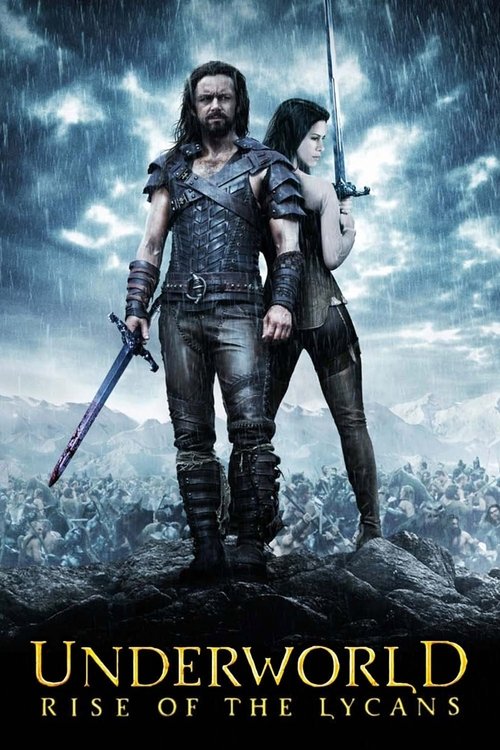
If you lived through the mid-2000s, you remember the "Underworld blue." It was that specific, desaturated, steel-chilled color palette that made every frame look like it was shot through a frozen bottle of Windex. I recently revisited Underworld: Rise of the Lycans on a scratched DVD I found for three dollars at a yard sale, while trying to ignore a persistent fly that seemed determined to share my couch, and I realized something: this might be the most "honestly made" film in the entire franchise.
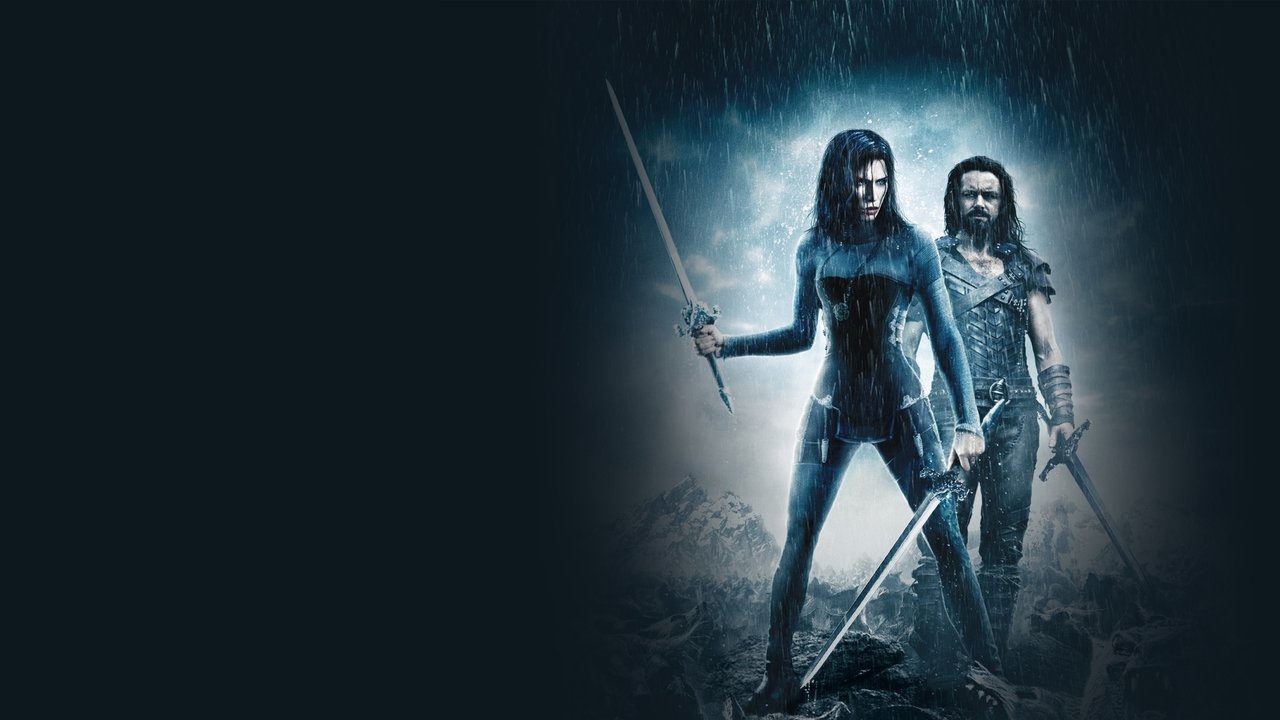
Released in 2009, this was a weird moment for blockbusters. We were transitioning out of the practical-effects era and deep into the "CGI everything" woods. But because this film was directed by Patrick Tatopoulos—a man who spent his career designing the creatures for Independence Day (1996) and Godzilla (1998)—there is a tactile, grimy weight to this movie that the later, slicker sequels completely lost.
Shakespeare in Wolves' Clothing
The premise is basically Spartacus with fur. We travel back in time to see how the centuries-long feud between the aristocratic Vampires and the enslaved Lycans actually started. It turns out, it wasn't just about species; it was a messy, tragic breakup. Michael Sheen returns as Lucian, and honestly, seeing him here is a trip. Before he was playing prestigious figures or charming us in Good Omens, he was putting in 110% effort as a werewolf revolutionary.
Michael Sheen treats this material with the same gravitas he’d give a production at the Old Vic, and it’s glorious. He’s not "slumming it" in a genre flick; he is genuinely pained, screaming at the moon with a Shakespearean intensity that the script probably didn't even ask for. Opposite him is the incomparable Bill Nighy as Viktor. Bill Nighy is the only person on the planet who can make a high-collared leather cape look like a personal insult to his enemies. He plays Viktor with a cold, aristocratic cruelty that feels genuinely dangerous. When these two are on screen, you forget you’re watching a movie about people who turn into giant dogs.
The Beauty of the Practical Beast
What I appreciate most about Rise of the Lycans looking back is the creature work. In 2009, most studios were moving toward weightless, rubbery digital monsters. Since Patrick Tatopoulos was at the helm, he insisted on using practical suits for the Lycans whenever possible. There’s a scene where the werewolves are scaling the castle walls, and you can see the way the fur moves and the way the "muscles" underneath the suits actually flex.
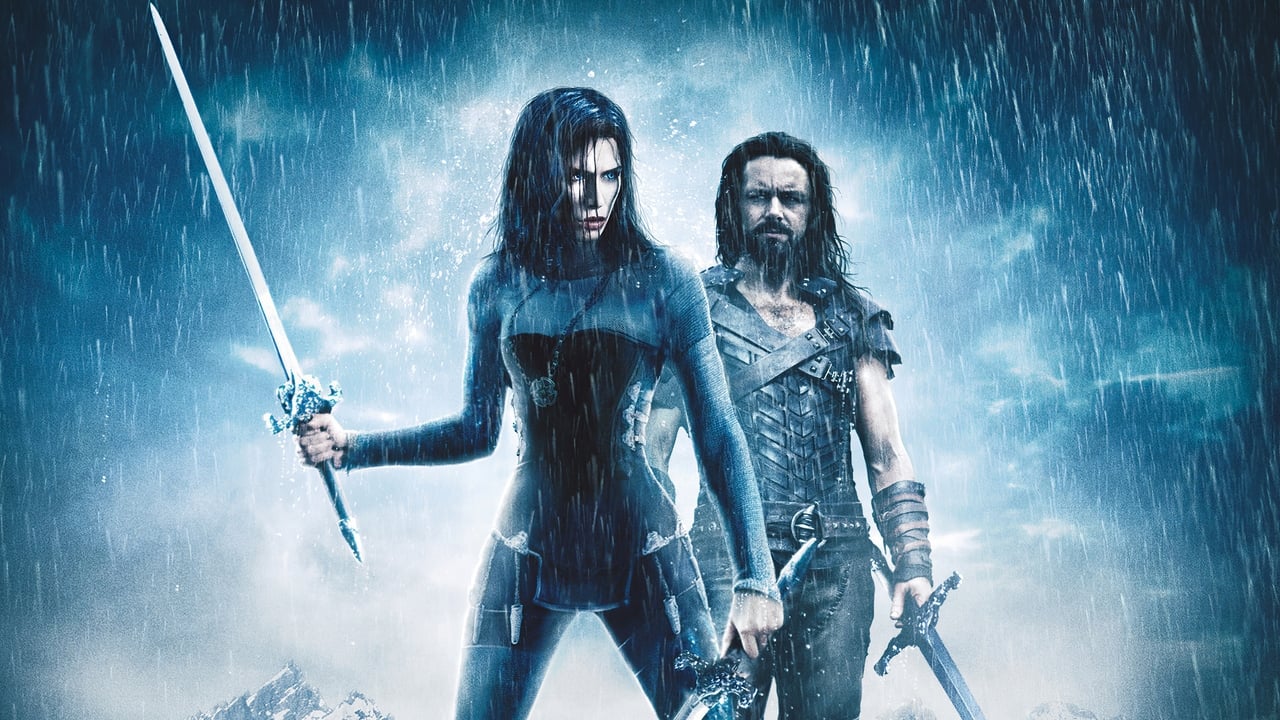
It’s a stark contrast to the CGI-heavy mess of the later entries like Awakening. The action choreography is frantic and messy, fitting for a medieval slave revolt. It doesn't have the "Matrix-lite" wirework of the first film; instead, it feels like a mud-caked brawl. Kevin Grevioux is back as Raze, and his voice is so deep I’m convinced it could rattle the teeth right out of your head. Fun fact: Kevin Grevioux actually co-created the entire Underworld universe and wrote the original screenplay, which explains why his character always feels like the heart of the Lycan pack.
A Prequel That Actually Justifies Its Existence
Most prequels feel like homework—an attempt to explain things that didn't need explaining (I’m looking at you, Solo). But Rise of the Lycans works because it shifts the perspective. In the first movie, the Lycans were the scary monsters under the bed. Here, they are the underdogs. I found myself rooting for them to tear down the ornate, snobbish Vampire coven.
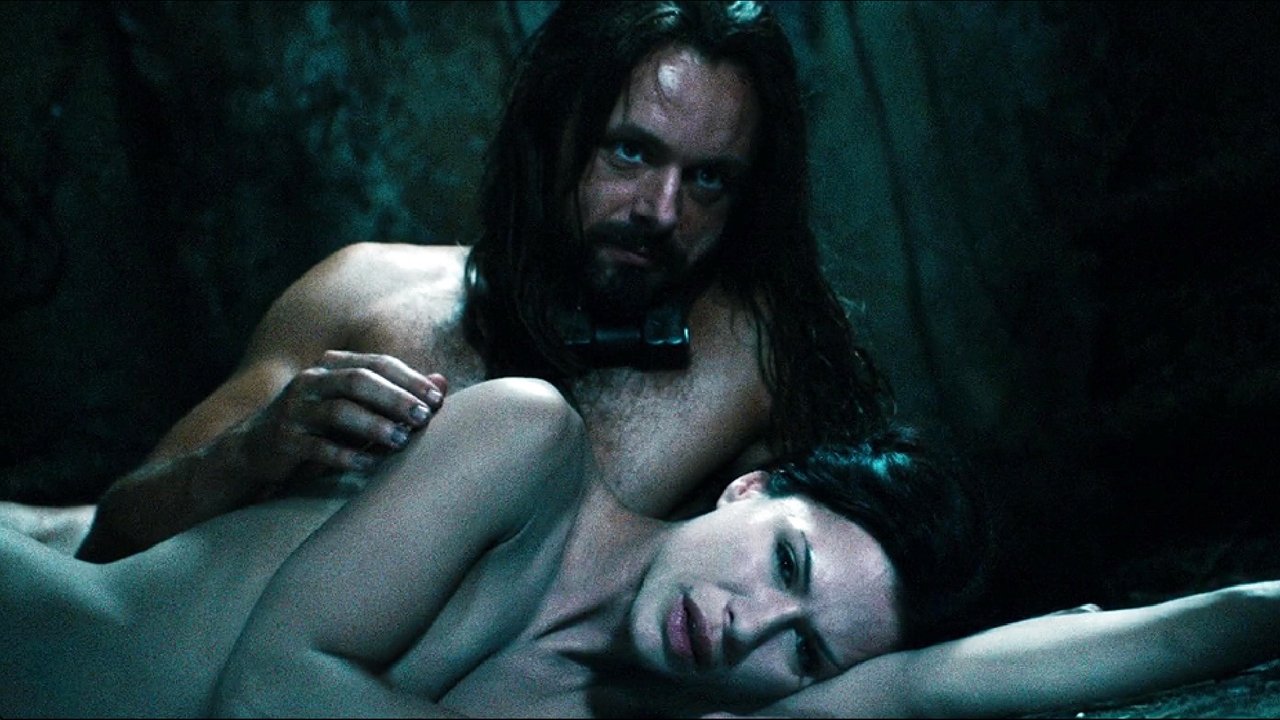
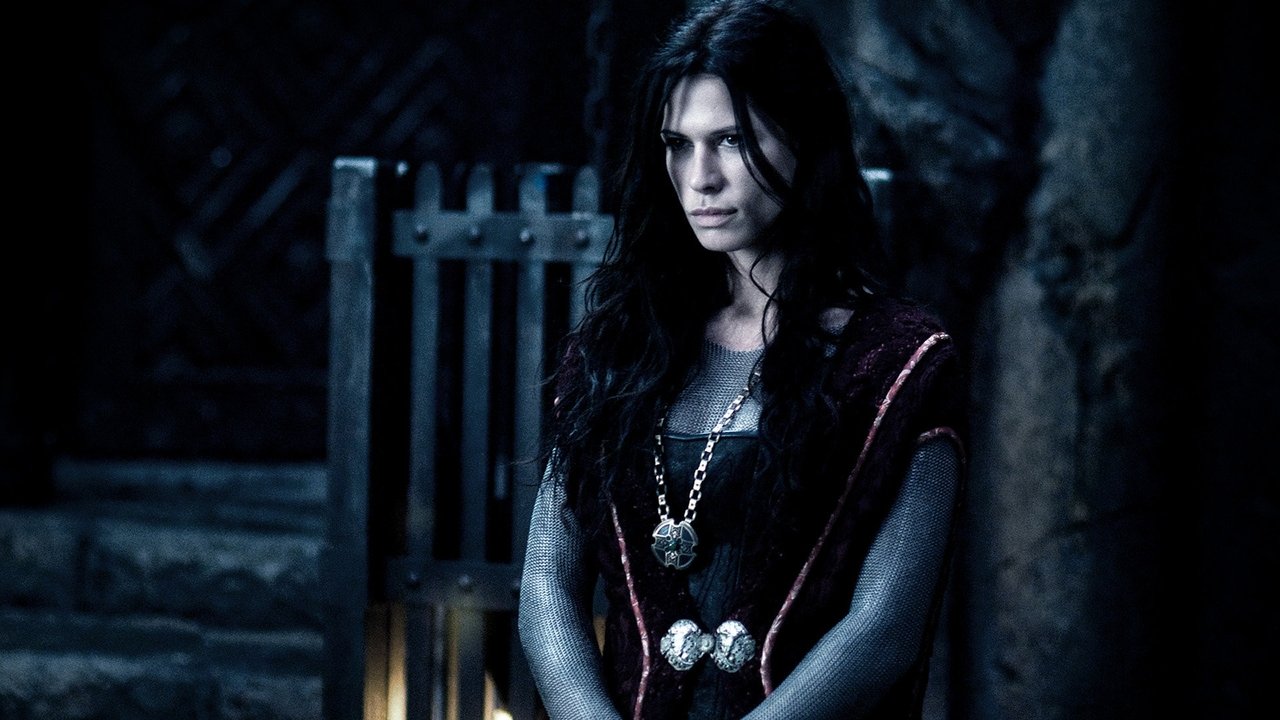
Rhona Mitra steps into the lead female role as Sonja, taking over the "tough woman in black" mantle from Kate Beckinsale. While she doesn't have as much to do besides look conflicted and ride horses, she shares a surprisingly believable chemistry with Michael Sheen. You actually buy that these two would risk a literal death sentence just to spend a few minutes together in a cave. It gives the eventual tragedy—which we already know is coming—a bit of an extra sting. This movie is essentially a goth romance that accidentally exploded into a war movie.
Stuff You Might Have Missed
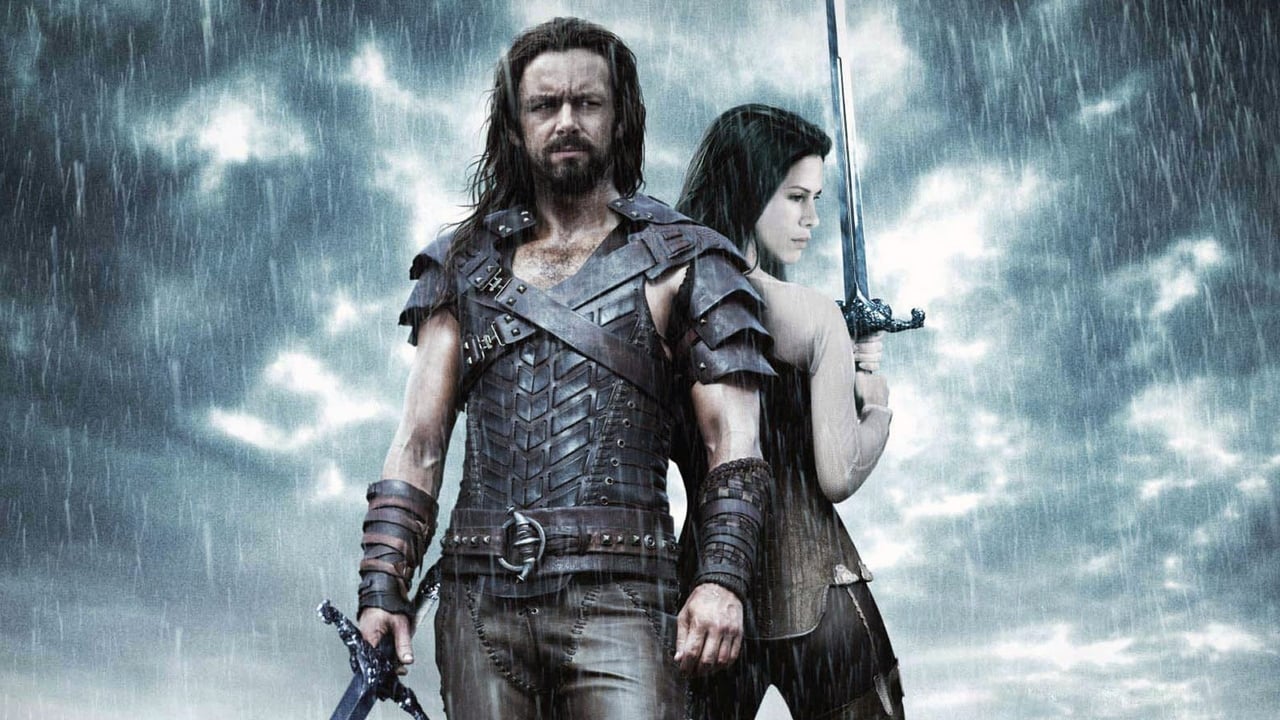
The production was actually quite scrappy for a franchise film. They filmed in New Zealand to take advantage of the rugged landscapes, but the budget was a relatively modest $35 million. You can see the creative ways they stretched the dollar—using shadows, fog, and that ubiquitous blue tint to hide the fact that they didn't have a thousand extras.
Also, keep an eye out for Steven Mackintosh as Andreas Tanis. He’s the vampire historian who eventually shows up in Underworld: Evolution (2006). Seeing him as a younger, slightly less eccentric version of himself is a nice bit of connective tissue. And if you think the werewolves look familiar, it’s because many of the animatronic heads were refurbished versions of the suits used in the 2003 original, just updated with better skin textures.
At the end of the day, Underworld: Rise of the Lycans is exactly what it promises to be: 92 minutes of vampires and werewolves hitting each other with swords. It’s lean, it’s moody, and it features two of Britain’s finest actors acting their socks off in a world of blue-filtered shadows. It’s the kind of mid-budget genre filmmaking that we don't see as much anymore, and for that alone, it earns a spot on my shelf. If you’re looking for a gothic action fix that doesn't require a degree in lore to enjoy, this is the high-water mark of the series.
Keep Exploring...
-
Underworld
2003
-
Underworld: Evolution
2006
-
Underworld: Awakening
2012
-
Underworld: Blood Wars
2016
-
Ghost Rider
2007
-
Sucker Punch
2011
-

The Crow
1994
-
The Brothers Grimm
2005
-

Blade II
2002
-
Cirque du Freak: The Vampire's Assistant
2009
-
Doomsday
2008
-
The League of Extraordinary Gentlemen
2003
-
Race to Witch Mountain
2009
-
Total Recall
2012
-

Wrath of the Titans
2012
-
Jack the Giant Slayer
2013
-
Cellular
2004
-
Serenity
2005
-
Crank
2006
-
The Illusionist
2006