Valhalla Rising
"Silence is a weapon. God is a ghost."
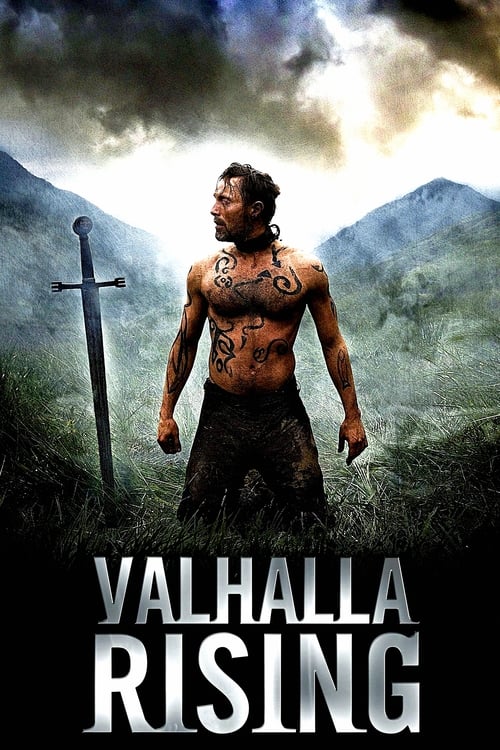
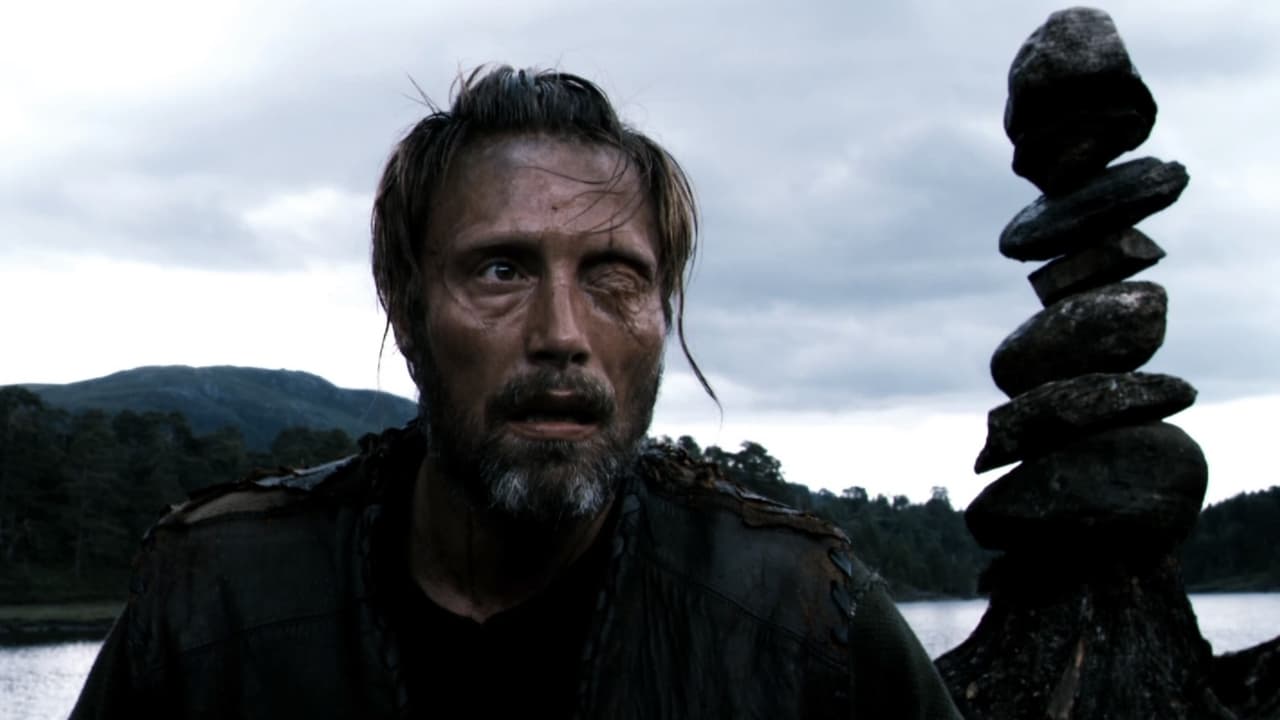
There is a specific kind of silence that only Mads Mikkelsen can pull off. It’s not just the absence of speech; it’s a physical weight, a warning that if he does open his mouth, it will only be to taste your blood. In Valhalla Rising, he plays One-Eye, a Norse warrior who doesn't say a single word for the entire 93-minute runtime. Most actors would panic at that prospect, but Mikkelsen uses his face like a topographic map of suffering. I watched this while eating a bowl of lukewarm oatmeal, and the grey sludge in my bowl matched the Scottish landscape so perfectly I felt like I was part of the production design.
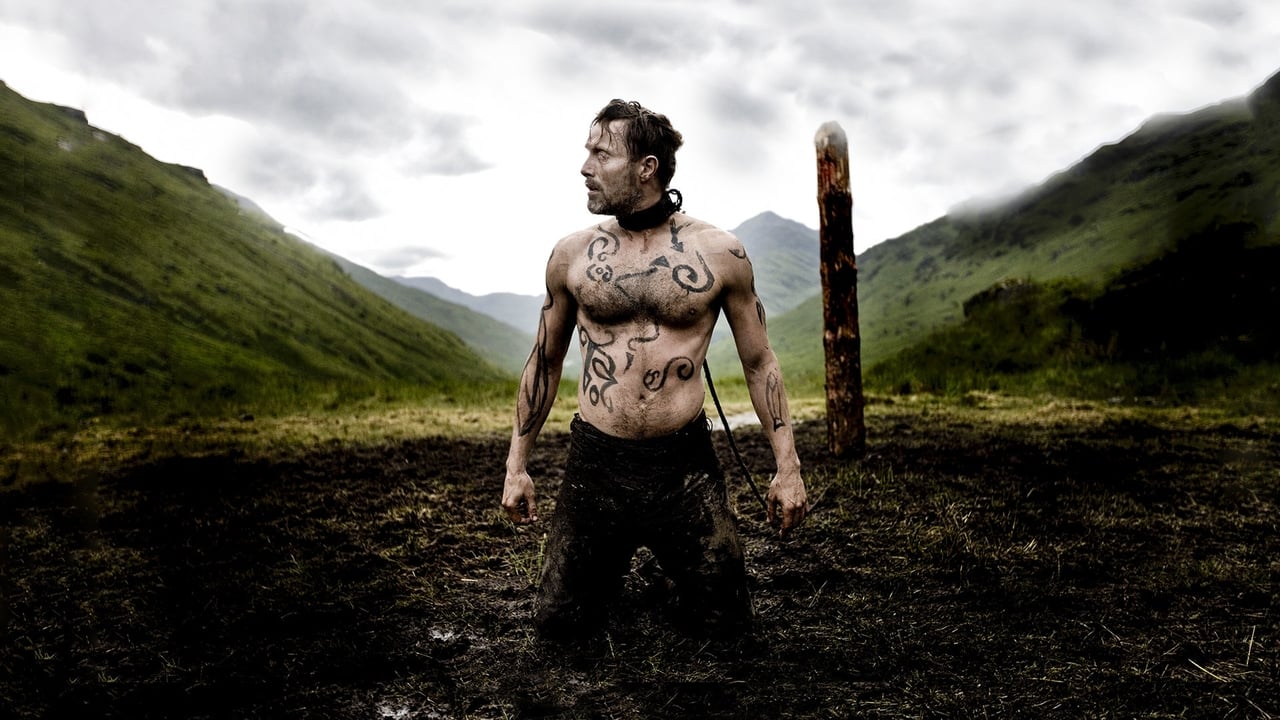
This isn’t your typical Viking romp. If you’re looking for Thor or even the swashbuckling grit of The Last Kingdom, you’re going to be profoundly confused. Director Nicolas Winding Refn—the man who would later give us the neon-soaked Drive—is more interested in the texture of mud and the way red blood looks against a grey sky than he is in traditional plot beats.
The Art of the Heavy Hit
The action in Valhalla Rising is a slap in the face to the "shaky-cam" era that dominated the late 2000s. There’s no frantic cutting here to hide poor choreography. Instead, the fights are static, heavy, and terrifyingly brief. When One-Eye fights his captors in the opening act, it’s not a dance; it’s a slaughter. He moves with a predatory efficiency that makes you realize most movie Vikings are just actors playing dress-up.
The stunt work feels punishingly real. You can almost feel the dampness of the Highland heather and the cold snap of the wind. There’s a particular moment involving a rock and a skull that serves as a mission statement for the film: violence here is a dull, physical chore. It’s messy, it’s unglamorous, and it has a sickening weight to it. Refn and cinematographer Morten Søborg frame these outbursts like Renaissance paintings—if those paintings were dipped in battery acid and left to rot in a bog.
A $31,000 Ghost Story
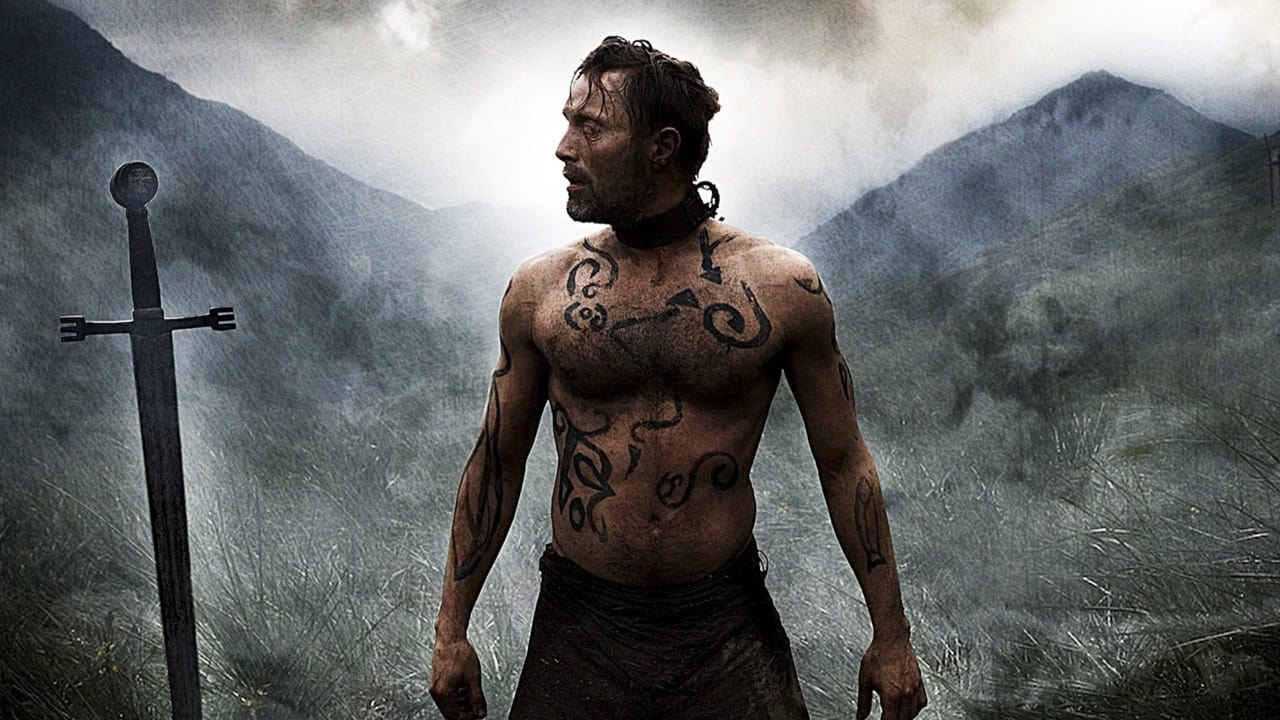
It is genuinely staggering to look at the financial history of this film. With a budget of over $5.5 million, it clawed back a measly $31,000 at the box office. That isn't just a flop; it’s a vanishing act. Looking back, it’s easy to see why. The marketing tried to sell this as a gritty historical actioner, but the movie is actually a psychedelic descent into the heart of darkness.
Once One-Eye and the boy (Maarten Stevenson) join a group of Christian Vikings led by Gary Lewis and Ewan Stewart, the film shifts gears from a prison-break story to a fever dream. They aren't going to Jerusalem; they’re sailing into a literal fog that swallows their sanity. The crew’s descent into religious mania and paranoia is captured with a haunting, low-frequency score by Peter Kyed that felt like it was trying to vibrate the teeth out of my skull.
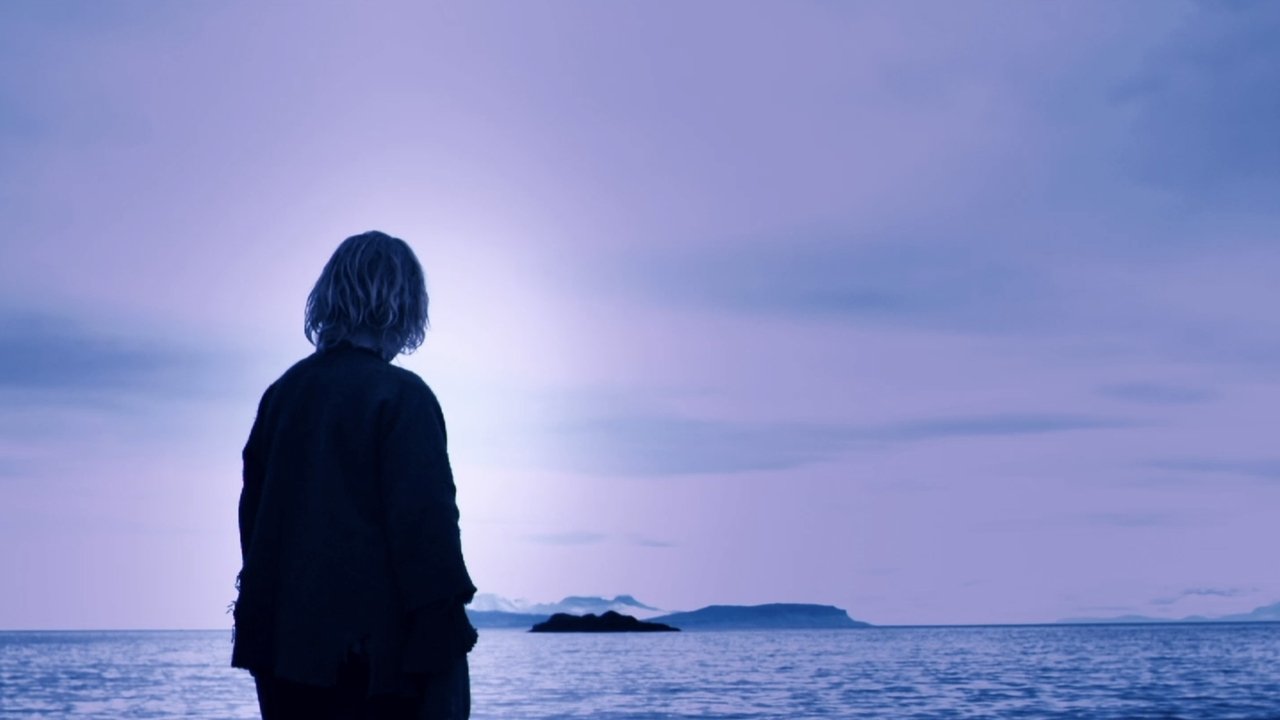
The film's obscurity is a shame because it’s one of the most visually distinctive movies of its decade. Interestingly, Refn is actually color-blind; he can’t see mid-tones, which explains why his films always feature such high-contrast, aggressive colors. Here, the world is divided into the oppressive grey of the mist and the shocking, saturated red of the gore. It’s a bold choice that makes the film feel less like a history lesson and more like a myth being told by someone who has a very high fever.
Why It’s Worth the Trek
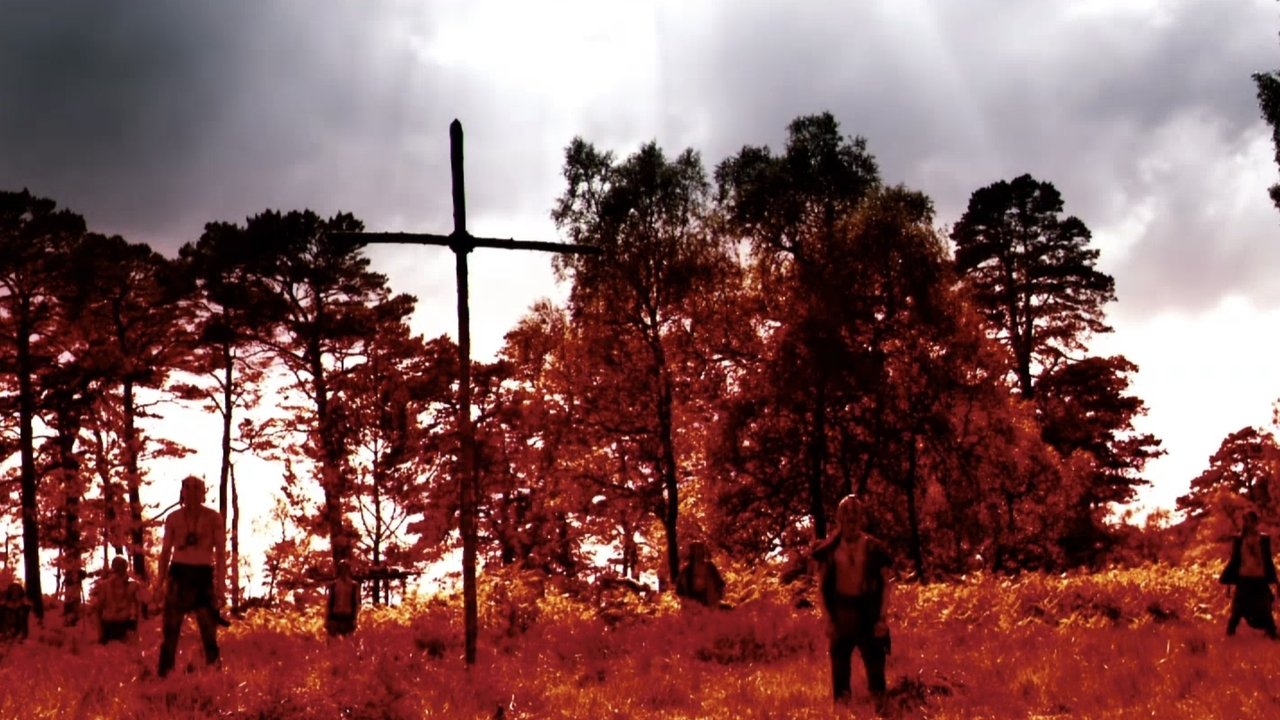
The supporting cast does a lot of the heavy lifting since the lead is mute. Gary Lewis is fantastic as a man whose faith is being slowly eroded by the realization that they’ve sailed off the edge of the known world. The way they interact with One-Eye—treating him as a demon, a savior, or a curse—drives the tension while Mikkelsen just stands there, looking like he was carved out of the mountain itself.
If I’m being honest, the middle thirty minutes of this movie move with the speed of a glacier in a cooling trend. It’s slow. It’s indulgent. It asks you to stare at a boat in a fog for what feels like an eternity. But there’s a payoff to that patience. By the time they reach the "New World" and realize they are being hunted by an invisible enemy, the atmospheric dread is suffocating. It captures that post-9/11 anxiety of the mid-2000s—the fear of an enemy you can’t see and a war you don't understand—and transplants it into the year 1,000 AD.
Valhalla Rising is a beautiful, brutal anomaly. It’s a film that exists entirely on its own terms, ignoring every rule of the "action" genre to create something that feels older and more primal. It’s a "lost" film that deserves to be found, provided you’re in the mood to watch Mads Mikkelsen transcend the need for dialogue while covered in several layers of Scottish mud. Don't expect a hero’s journey; expect a long, dark look into a very deep well.
Keep Exploring...
-
Bronson
2009
-
Jack the Giant Slayer
2013
-
Flight of the Phoenix
2004
-
Walking Tall
2004
-
Solomon Kane
2009
-
Centurion
2010
-
The Extraordinary Adventures of Adèle Blanc-Sec
2010
-
All Is Lost
2013
-

Wizards of Waverly Place: The Movie
2009
-

Sahara
2005
-
The Forbidden Kingdom
2008
-
Race to Witch Mountain
2009
-

Where the Wild Things Are
2009
-

Only God Forgives
2013
-
DragonHeart
1996
-
The Scorpion King
2002
-
The Edge
1997
-

10,000 BC
2008
-
Days of Thunder
1990
-
Maverick
1994