Watchmen
"A beautiful, brutal autopsy of the superhero myth."
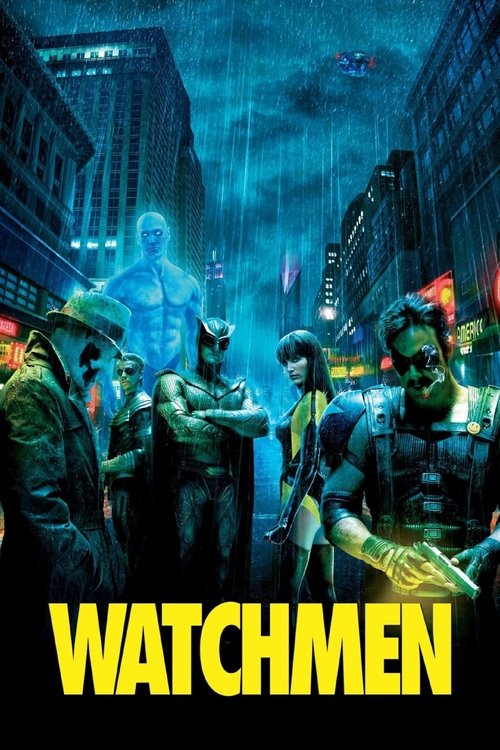
Imagine trying to translate a dense, 400-page deconstructionist manifesto into a summer blockbuster. In 2009, Zack Snyder took the "unfilmable" holy grail of graphic novels and turned it into a hyper-saturated, slow-motion-heavy monolith that still feels like a glitch in the Hollywood matrix. It arrived right as the Marvel Cinematic Universe was putting on its training wheels with Iron Man, offering a nihilistic middle finger to the very concept of "saving the day." I remember watching this while trying to peel a very stubborn orange, and the smell of citrus clashing with the onscreen grime of 1980s New York remains a core memory of my first viewing.
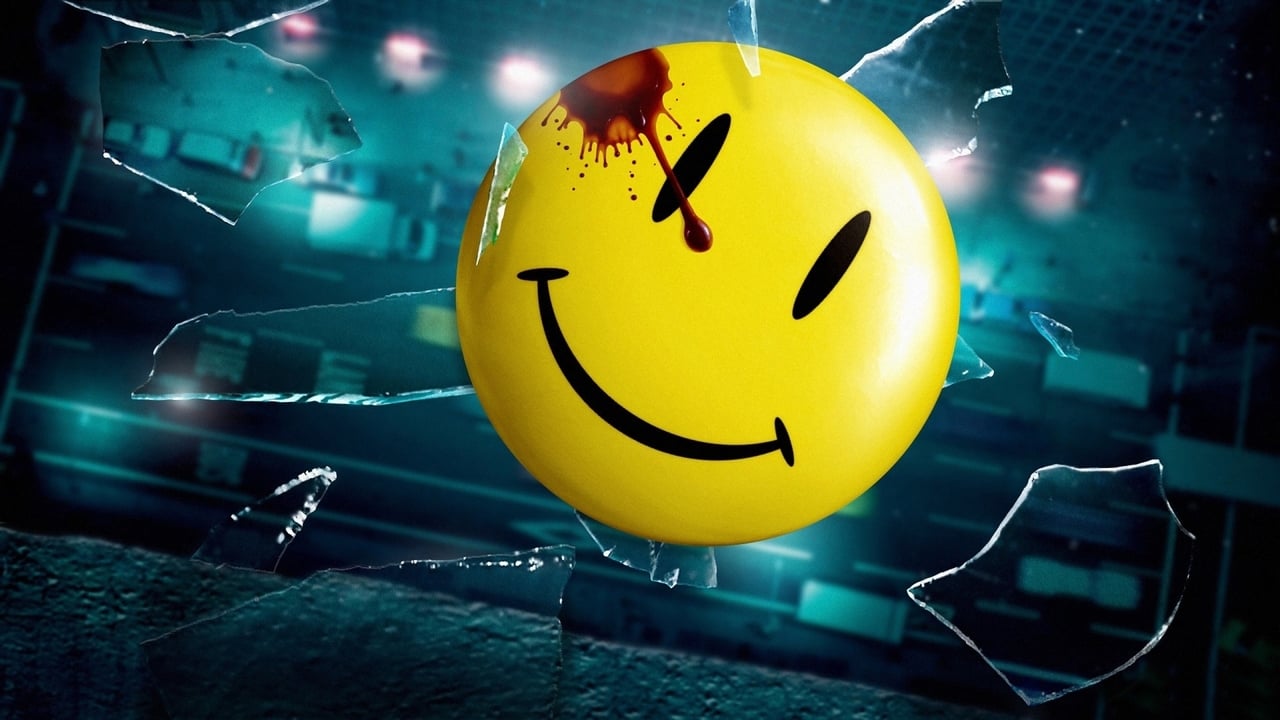
The Opening Credits Are Still the Gold Standard
Before we even get to the plot, we have to talk about those opening credits. To me, it’s one of the greatest sequences in cinema history. Set to Bob Dylan’s "The Times They Are A-Changin’," it condenses decades of alternate history—from the Hiroshima bombing to the JFK assassination—into a series of living paintings. It tells you everything you need to know about how the presence of costumed "heroes" didn't make the world better; it just made it weirder and more dangerous.
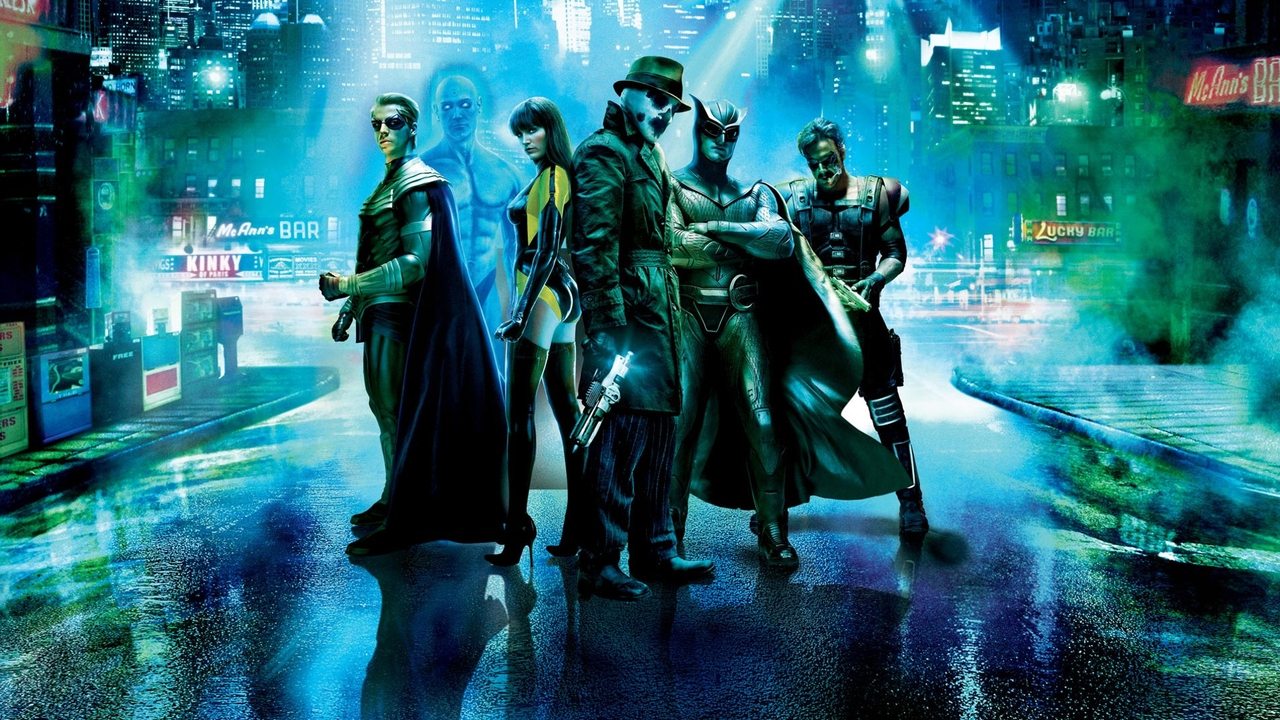
The film's visual language, captured by cinematographer Larry Fong (who also worked on 300), is astonishingly faithful to Dave Gibbons’ original comic panels. Every frame is packed with detail, from the "Who Watches the Watchmen?" graffiti to the flickering neon of a world on the brink of nuclear "mutually assured destruction." Looking back, this was the peak of the "Snyder Style" before it became a polarizing caricature—it’s moody, heavy, and it’s basically a three-hour music video for a depressed deity.
Moral Rot in Spandex
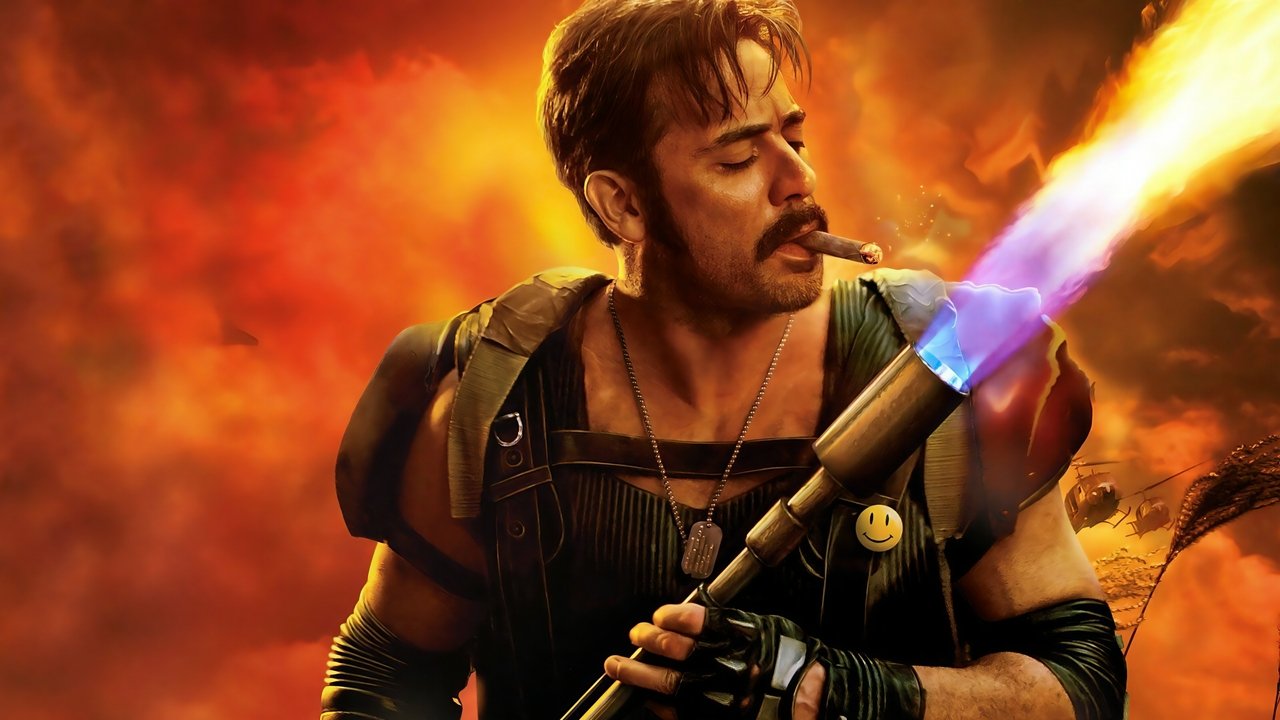
The casting here is inspired, mostly because it avoids the typical A-list charisma that usually papers over a hero's flaws. Jackie Earle Haley is the absolute soul of this movie as Rorschach. His voice—a gravelly, terrifying whisper—and the way he moves like a cornered animal make him the most compelling "protagonist" you’d never want to meet in a dark alley. Then there’s Jeffrey Dean Morgan as The Comedian. He plays the character with a cynical, cigar-chomping rot that perfectly captures the film's post-9/11 anxieties, even though the story is set in 1985.
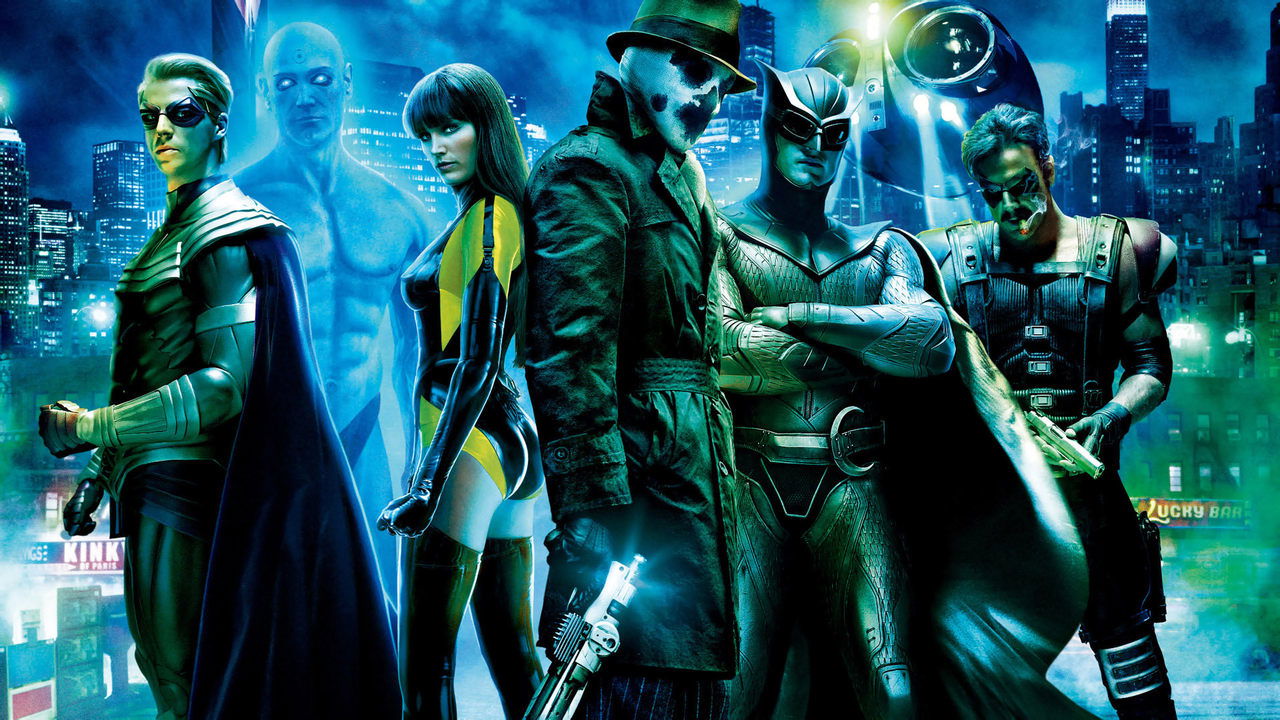
On the flip side, you have Billy Crudup as Dr. Manhattan. Crudup spent the entire shoot wearing a ridiculous blue LED suit that made him look like a glowing glow-stick so the other actors would have a light source to react to. The result is a performance that feels genuinely alien—detached, cold, and tragic. My only real gripe with the cast is Malin Åkerman as Laurie Jupiter. She’s fine, but in a film where everyone else is leaning into the operatic grit, her performance occasionally feels like it wandered in from a different, more standard action movie. Meanwhile, Patrick Wilson plays Dan Dreiberg (Nite Owl II) with a wonderful, doughy "retired dad" energy that makes the mid-life crisis of being a vigilante feel surprisingly relatable.
The Unbearable Weight of the Director's Cut
In the era of 2009, DVD culture was still king, and Watchmen became the poster child for the "You have to see the real version" argument. While the theatrical cut is a solid mystery-thriller, the 3.5-hour "Ultimate Cut" weaves in the Tales of the Black Freighter animated segments. It’s an exhausting watch, but it highlights the era’s obsession with "completeness" over pacing.
Interestingly, the film made a massive change to the ending—swapping a giant interdimensional squid for an energy blast that frames Dr. Manhattan. For years, purists screamed about it, but honestly? The movie’s ending is actually more logically consistent than the book's weird space-mollusk. It ties the characters together in a tighter knot of shared guilt.
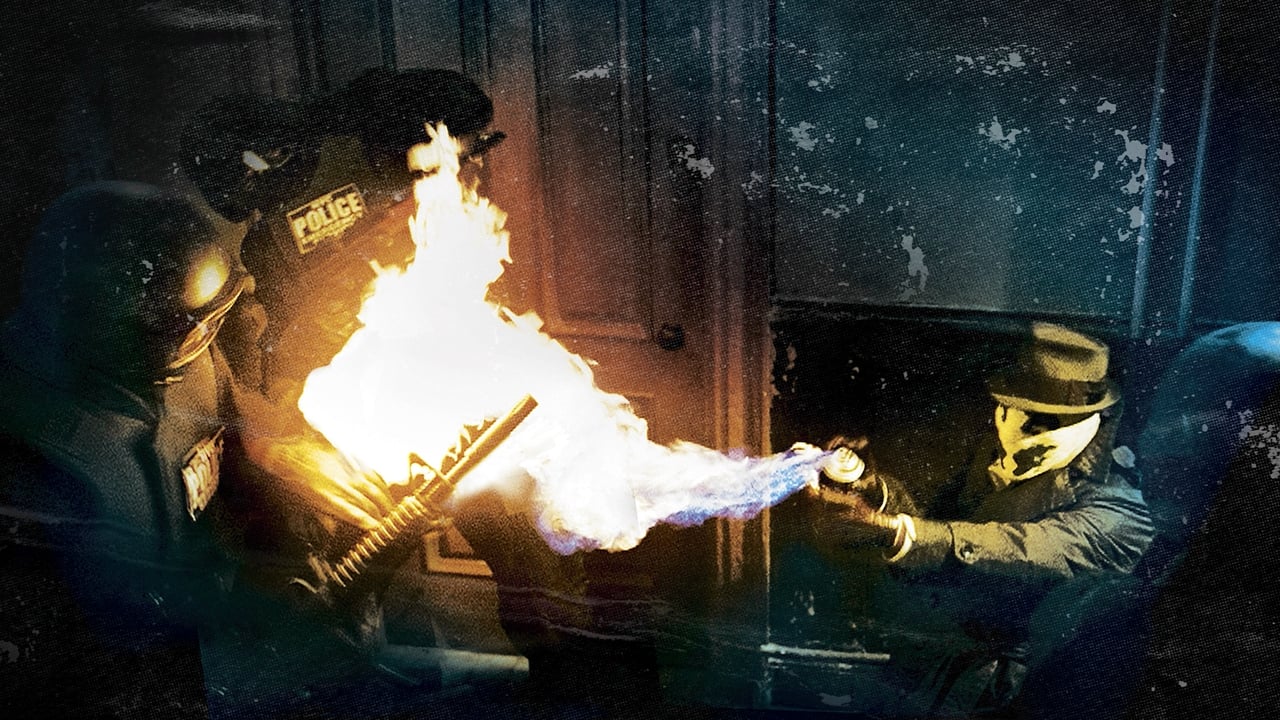
The action choreography is where Snyder really lets loose. Unlike the comic, where the fights are brief and clumsy, the movie turns them into bone-breaking ballets. When Patrick Wilson and Malin Åkerman take on a gang in an alley, you feel every snap of a limb. It’s stylized to the point of being cartoonish, but it serves the film’s thesis: these people are addicted to the violence.
Watchmen is a fascinating artifact from a time when studios were still willing to gamble $130 million on an R-rated, philosophical deconstruction of superheroes. It’s beautiful, bloated, and deeply cynical. While it lacks the subtle human nuance of the source material, it replaces it with a grand, operatic scale that hasn't really been matched since. If you can handle the three-hour runtime and the existential dread, it’s a journey that demands to be seen on the biggest screen possible.
Keep Exploring...
-
Man of Steel
2013
-
Oblivion
2013
-
Pandorum
2009
-
Sucker Punch
2011
-
Batman: The Dark Knight Returns, Part 1
2012
-

Batman: The Dark Knight Returns, Part 2
2013
-
The Maze Runner
2014
-

I, Robot
2004
-

The Chronicles of Riddick
2004
-
The Island
2005
-

V for Vendetta
2006
-

X-Men: The Last Stand
2006
-
300
2007
-

Eagle Eye
2008
-

Star Trek
2009
-
Megamind
2010
-

Salt
2010
-
The Book of Eli
2010
-
TRON: Legacy
2010
-

Captain America: The First Avenger
2011