Where the Wild Things Are
"Happiness is a very large, very hairy monster."
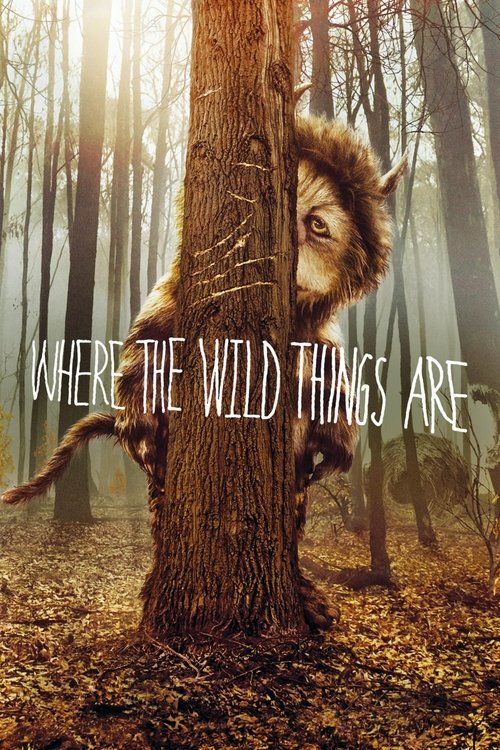
There is a specific kind of dirt under the fingernails of late-2000s cinema that we just don't see anymore. When Spike Jonze (the mad genius behind Being John Malkovich) decided to adapt Maurice Sendak’s thirty-sentence picture book, he didn't just build a set; he exhumed the raw, feral anxiety of childhood and dressed it in eighty pounds of fur and foam latex. It’s a film that feels less like a polished studio product and more like a secret shared between people who haven't forgotten how much it hurts to be nine years old.
I watched this recently while nursing a lukewarm cup of peppermint tea that had a single, defiant dog hair floating in it, and honestly, that felt like the only way to consume this movie. It’s tactile, messy, and deeply unconcerned with being "neat."
The Rumpus and the Rage
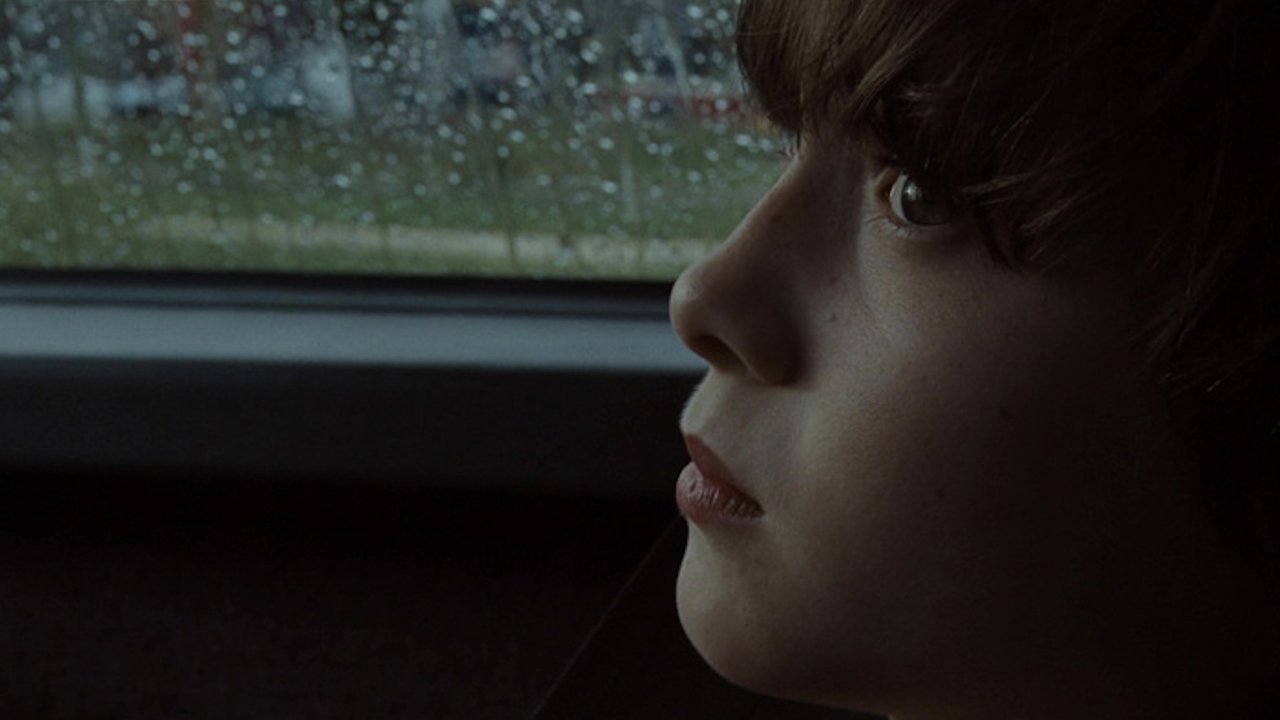
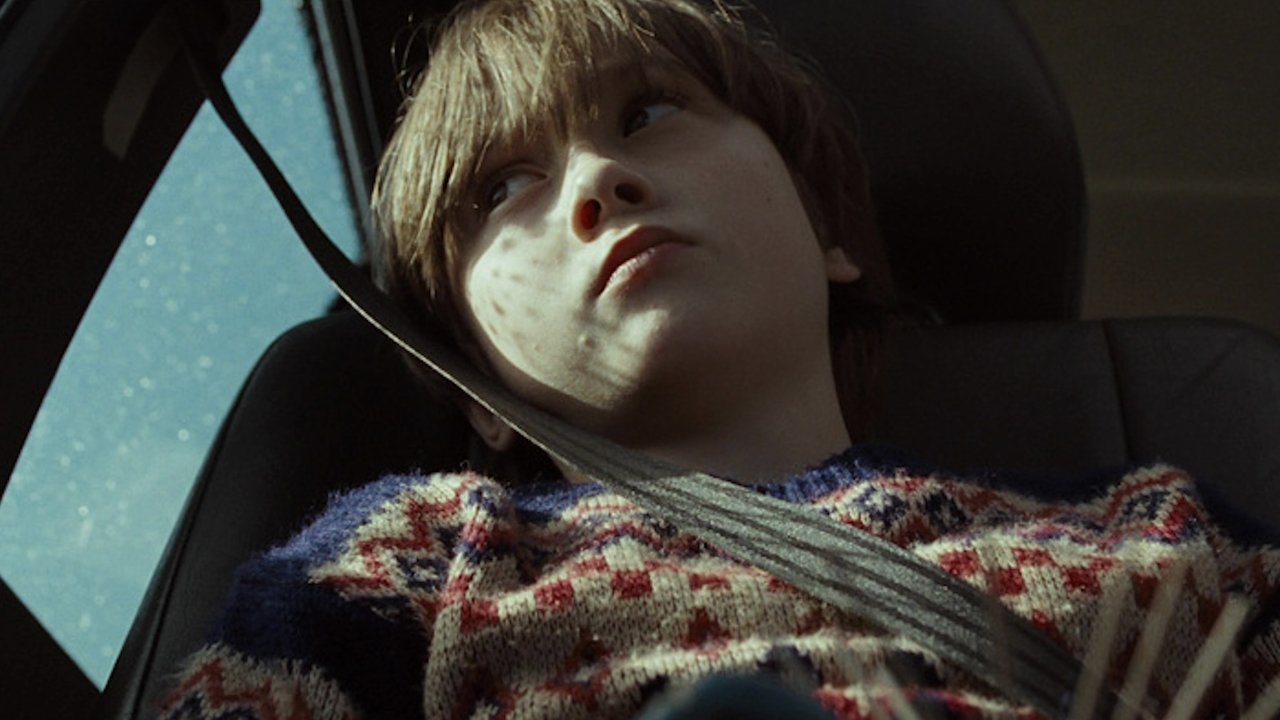
The film centers on Max, played with startling, unvarnished honesty by Max Records. This isn't a "child actor" performance filled with precocious one-liners; it’s a portrait of a kid who is a bit of a sociopath because all kids are a bit sociopathic before they learn how to mask. When Max bites his mother (Catherine Keener, effortlessly grounded as the exhausted anchor of the film) and flees into the night, he isn't just running away; he’s exploding.
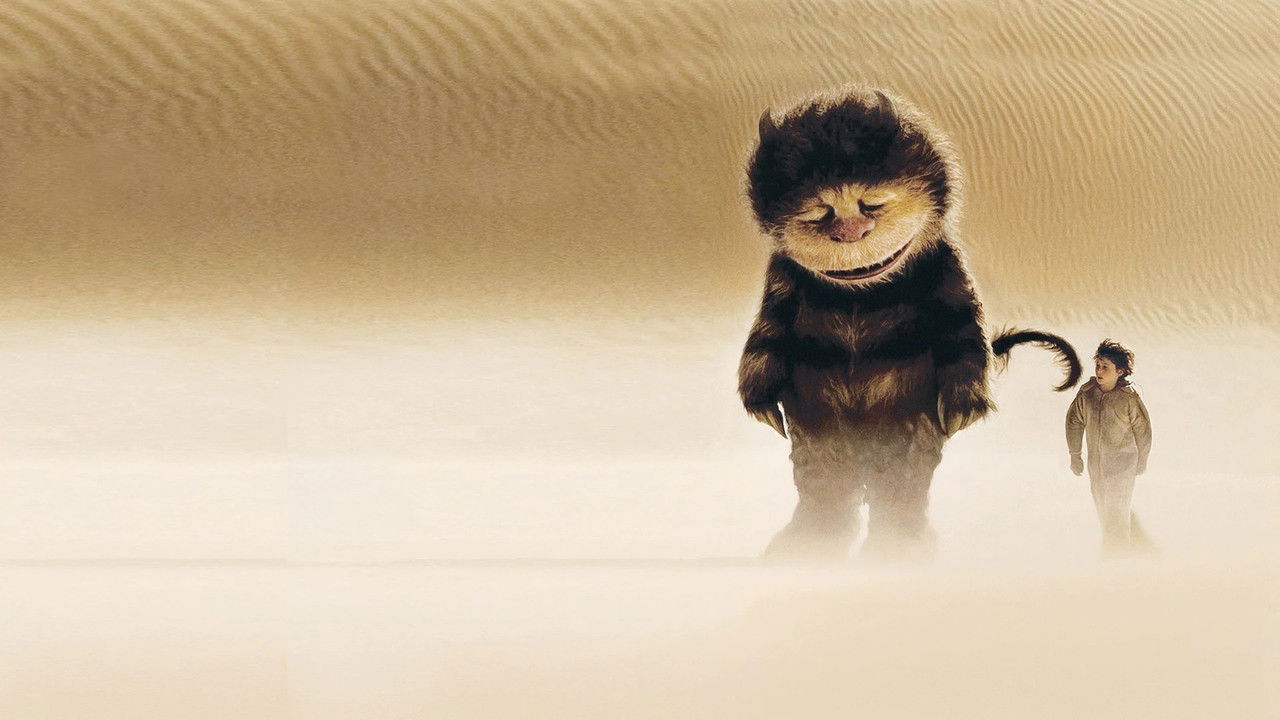
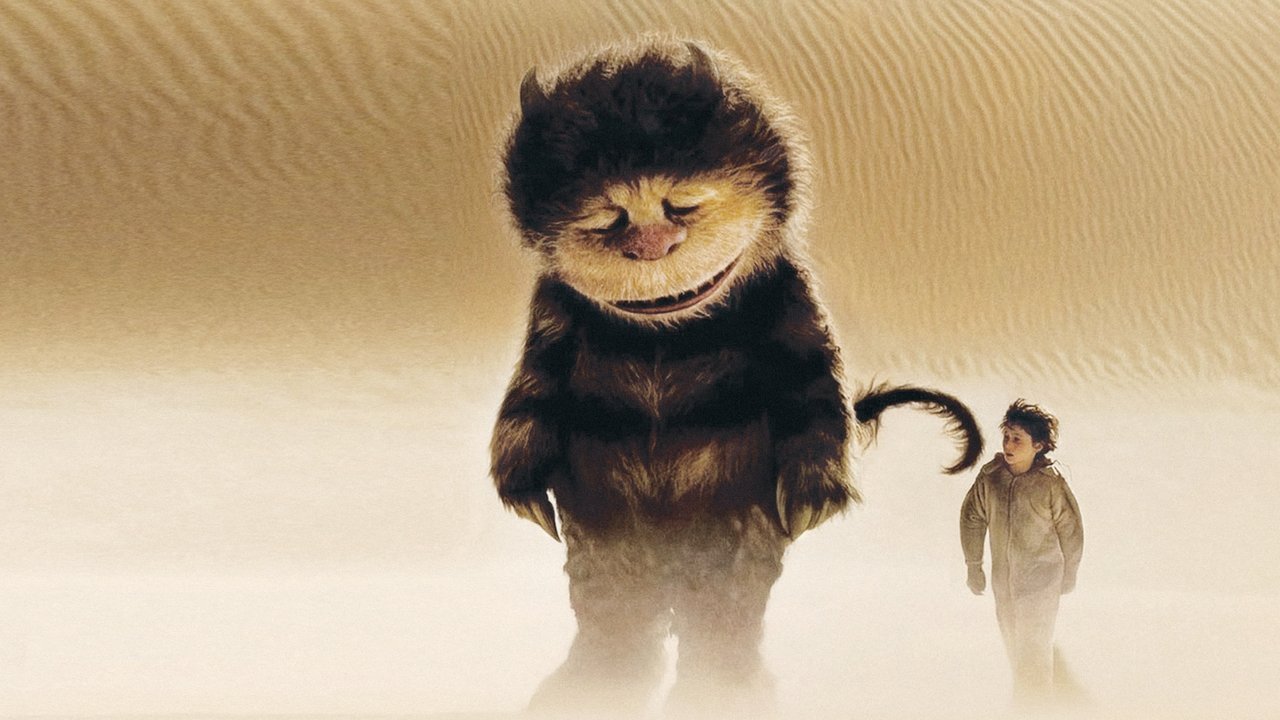
His destination is an island inhabited by the "Wild Things," and here is where Spike Jonze made a choice that still feels revolutionary. In an era where Avatar was pushing us toward total digital immersion, Jonze went to the Jim Henson Creature Shop. He built giant, heavy, physical suits. He threw them into the actual forests of Australia. The result is a film you can almost smell—it smells like wet dog, crushed eucalyptus, and old blankets. While the faces were later enhanced with CGI to allow for subtle expressions, the physical weight of these monsters is what makes the drama land. When a Wild Thing falls over, you feel the earth shake. CGI faces on practical suits is the only way special effects should ever be done.
Monsters as Mirrors
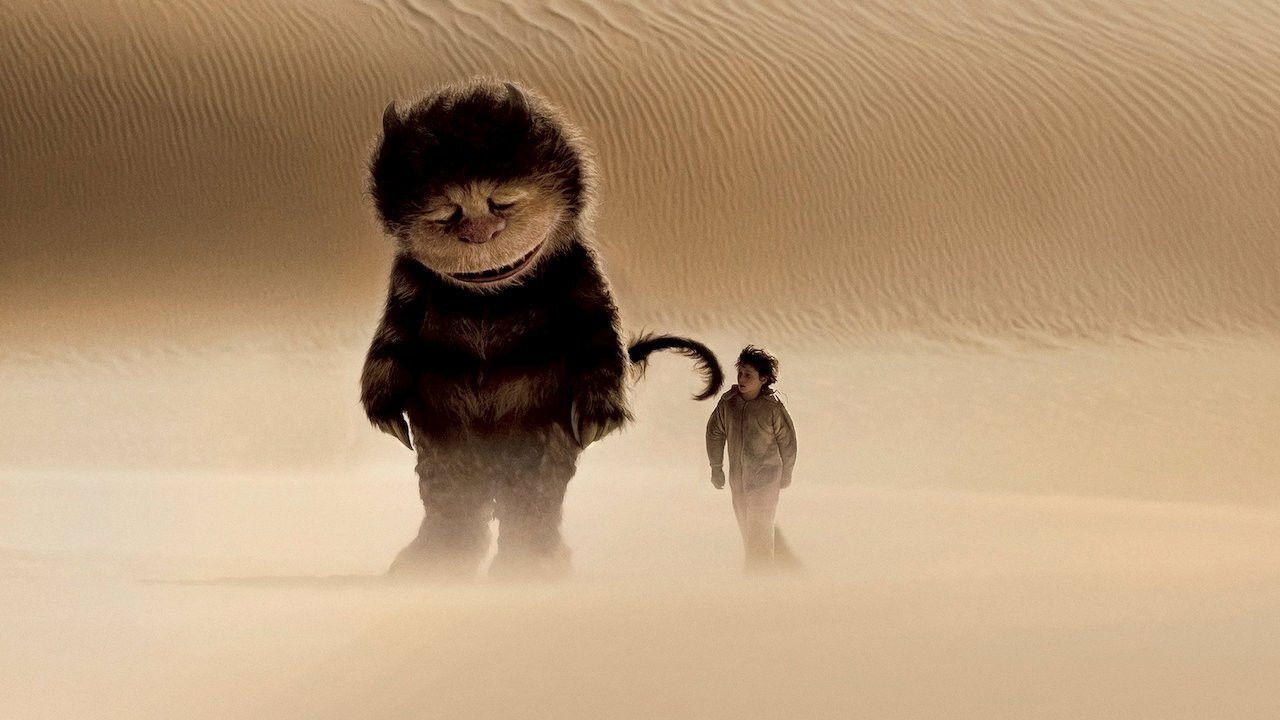
The genius of the screenplay, co-written by novelist Dave Eggers, is that it doesn’t treat the monsters as scary beasts to be conquered. Instead, they are facets of Max’s own turbulent psyche. James Gandolfini provides the voice of Carol, and it’s perhaps the most heartbreaking work of his career. He’s the physical manifestation of Max’s creative spark and his destructive temper. Carol is loud, impulsive, and desperately lonely.
The ensemble of voices is a "who’s who" of indie-darling royalty. Catherine O'Hara is wonderfully cynical as Judith, Lauren Ambrose brings a weary grace to KW, and Forest Whitaker is the gentle, slightly dim Ira. They don’t talk like cartoon characters. They talk like family members at a Thanksgiving dinner that is about ten minutes away from a screaming match. They argue about dirt, they build "forts" that are destined to fail, and they look to Max—their "King"—to fix the inherent sadness of existing. It’s a heavy burden for a kid in a wolf suit.
The $100 Million Art Film
Looking back, it’s a miracle this movie exists at the scale it does. Warner Bros. spent $100 million on what is, essentially, an abstract drama about emotional regulation. At the time, it was a bit of a marketing nightmare. Parents expected a whimsical romp like Madagascar, and instead, they got a film where a giant bird-monster gets its arm ripped off in a fit of pique.
It’s one of those "forgotten" blockbusters because it refused to play by the rules of the genre. There is no villain. There is no magical quest to save the world. The stakes are simply whether or not Max can learn to say "I'm sorry." The score by Karen O (of the Yeah Yeah Yeahs) captures this perfectly—it’s all chanting, acoustic guitars, and joyful, chaotic noise.
Apparently, the production was so grueling that the performers inside the suits had to be hooked up to oxygen tanks between takes because the costumes were so heavy and the Australian heat was so punishing. You can feel that exhaustion on screen. It gives the film a weary, end-of-summer vibe that perfectly mirrors the transition from childhood to the "real" world.
Where the Wild Things Are is a beautiful, shaggy dog of a movie. It’s a film for anyone who remembers the crushing weight of a Sunday afternoon or the way a bedroom can feel like a kingdom when you’re angry enough. It’s not always "fun" in the traditional sense, but it is deeply, profoundly true. If you missed it in 2009 because the trailers looked too moody, give it a shot now—it’s aged better than almost any other big-budget experiment of its decade.
Keep Exploring...
-

Wizards of Waverly Place: The Movie
2009
-
The Spiderwick Chronicles
2008
-

The Ant Bully
2006
-
Shrek the Halls
2007
-
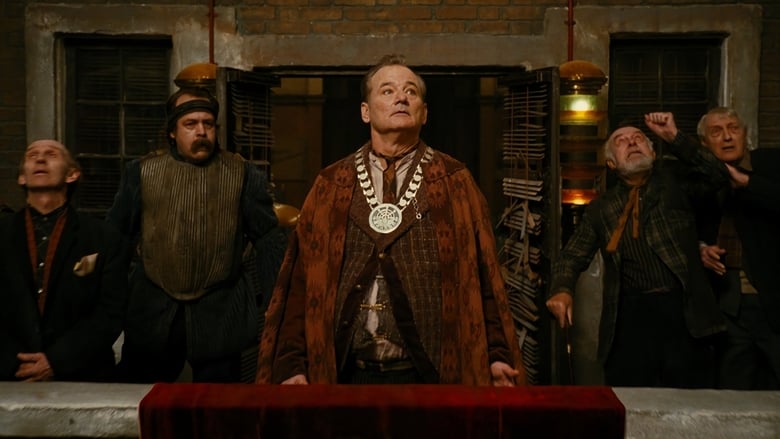
City of Ember
2008
-
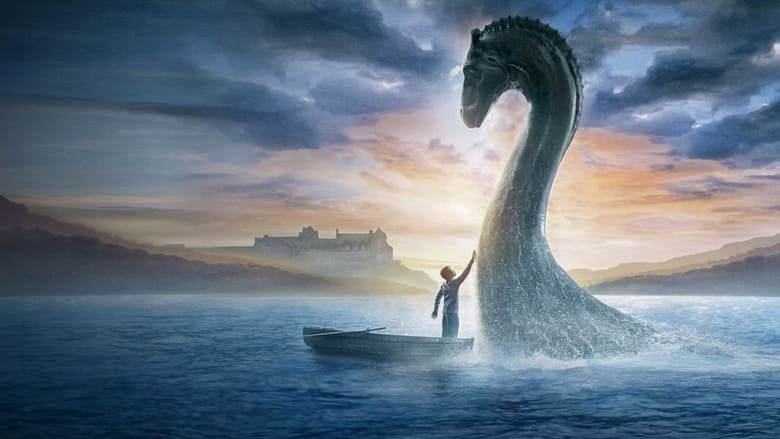
The Water Horse
2007
-
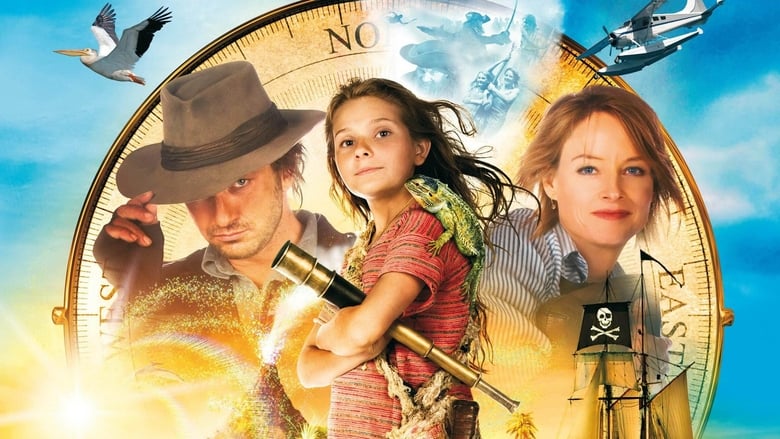
Nim's Island
2008
-
Tinker Bell
2008
-
Tinker Bell and the Lost Treasure
2009
-

16 Wishes
2010
-
Tinker Bell and the Great Fairy Rescue
2010
-

Secret of the Wings
2012
-
The Odd Life of Timothy Green
2012
-

Being John Malkovich
1999
-
Mighty Joe Young
1998
-
Valhalla Rising
2009
-
A Monster in Paris
2011
-
The Young and Prodigious T.S. Spivet
2013
-
The NeverEnding Story II: The Next Chapter
1990
-

The Cat Returns
2002