X-Men Origins: Wolverine
"Before the legend, there was a digital disaster."
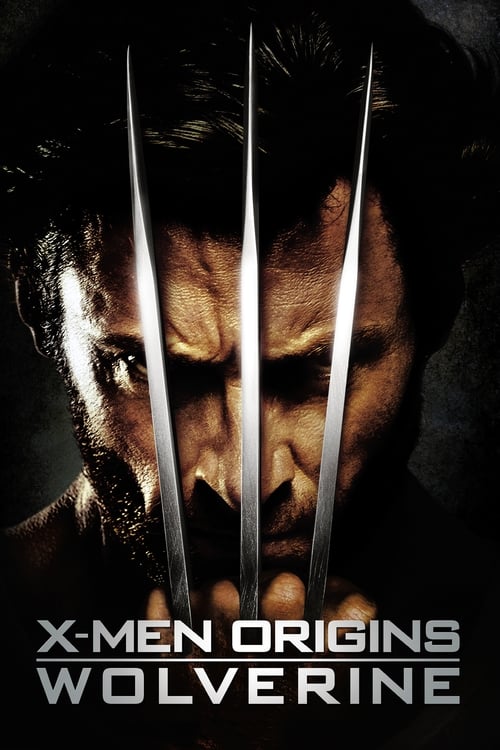
I remember the frantic forum posts of April 2009 like they were yesterday. A month before X-Men Origins: Wolverine actually hit theaters, a full-length "workprint" leaked onto the murky corners of the internet. It was a cultural moment—watching a $150 million blockbuster where the green screens were still visible and Hugh Jackman’s claws were often just grey sticks poking out of his knuckles. Ironically, that unfinished version felt more honest than the final product. I watched the theatrical cut in a half-empty suburban cinema while accidentally sitting on a discarded piece of chewing gum that fused my jeans to the seat for two hours, and frankly, the gum had a more coherent character arc than most of the mutants on screen.
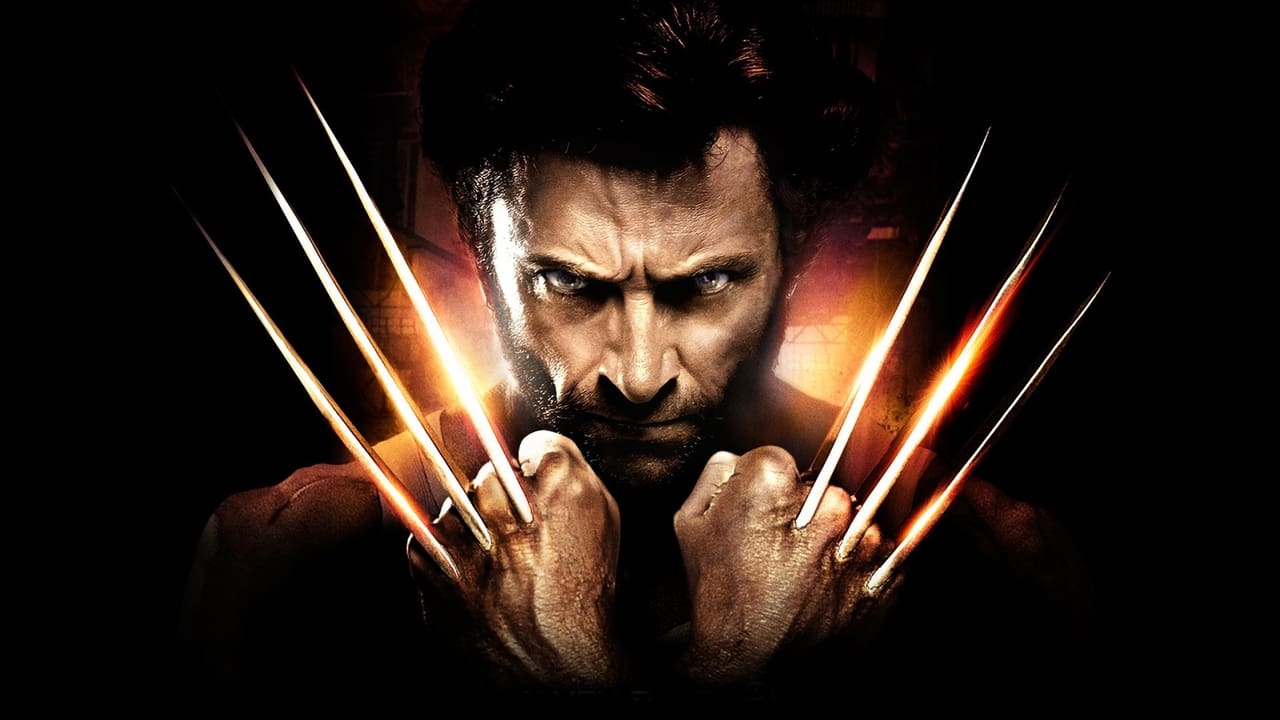
The Leak and the Digital Hubris
Looking back, Wolverine is the poster child for a very specific kind of 2000s Hollywood anxiety. We were in that awkward transitional phase where studios thought CGI could fix anything in post-production. Gavin Hood, who had previously won an Oscar for the poignant Tsotsi, seemed completely overwhelmed by the machinery of a Fox franchise. You can feel the struggle between a director wanting to make a gritty character study and a studio demanding a "superhero extravaganza" to compete with the burgeoning MCU.
The result is a film that looks surprisingly dated for something released in the HD era. There’s a scene in a bathroom where Logan looks at his new Adamantium claws in a mirror, and the CGI looks like it was rendered on a Nintendo 64. It’s baffling because X2: X-Men United, released six years earlier, had practical claws that looked infinitely more "real." This was the era of digital hubris—the belief that we didn't need the physical props anymore. Turns out, we really did.
A Brotherhood of Biceps
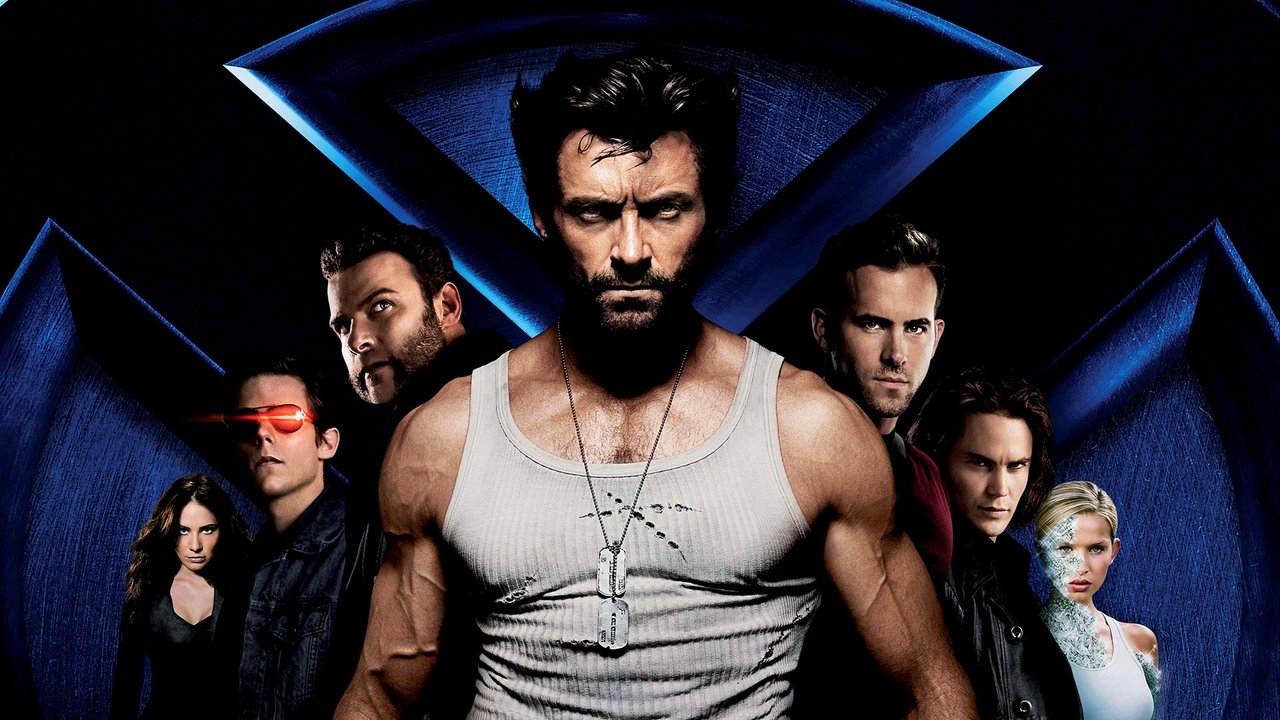
Despite the pixelated mess, the film survives—barely—on the sheer charisma of its leads. Hugh Jackman is, as always, the only person who truly understands the assignment. He’s more physically imposing here than in the original trilogy, beginning that legendary transformation into the "veiny map of the world" physique he’d maintain for a decade. Apparently, he and Liev Schreiber (playing Victor Creed/Sabretooth) got into a weirdly wholesome "arms race" on set, constantly checking each other’s bicep progress.
Liev Schreiber, coming off serious fare like The Manchurian Candidate, is actually the highlight of the movie for me. He brings a predatory, feline menace to Victor that makes the 2000 version of the character look like a cuddly kitten. Their opening credits montage—fighting through the American Civil War, both World Wars, and Vietnam—is arguably the best three minutes of the entire X-Men franchise. It’s a tight, evocative piece of storytelling that promises a much better movie than the one we actually get.
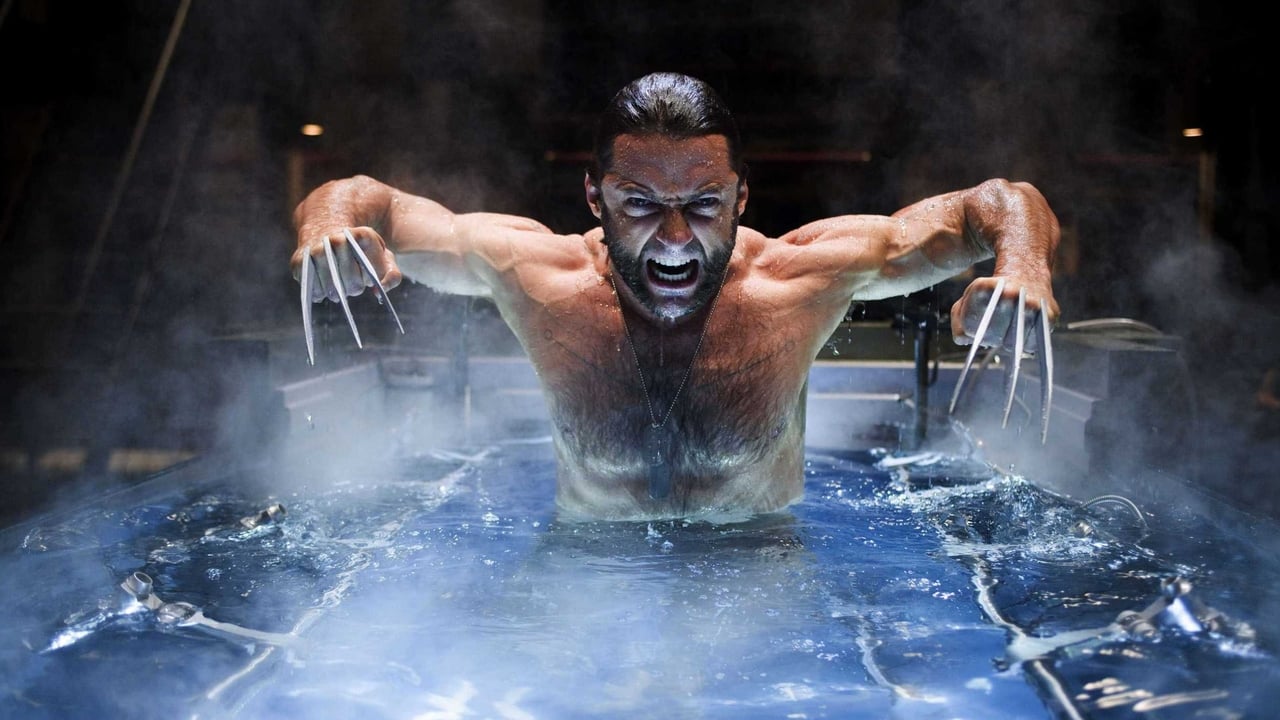
The supporting cast is a "who’s who" of 2009 "it" actors. We get Dominic Monaghan (fresh off Lost) doing very little, and a young Troye Sivan playing the young Logan. Then there’s Danny Huston as Stryker, who plays the villain with a sneer so sharp you could shave with it, though he lacks the nuanced terror Brian Cox brought to the role in the earlier films.
The Merc Without a Mouth
We have to talk about the Wade Wilson in the room. This film famously introduced Ryan Reynolds as the man who would be Deadpool, and for the first fifteen minutes, he’s perfect. He’s fast, he’s funny, and he’s doing his own stunt work with the swords. Apparently, Reynolds actually wrote most of his own snappy dialogue because the script was finished during the 2007-2008 writers' strike and was, according to him, a bit of a skeleton.
But then, the third act happens. In one of the most infamously bad creative decisions in superhero history, they sewed Deadpool’s mouth shut and turned him into "Weapon XI," a generic final boss with a grab-bag of powers. It was a betrayal of the character so profound that Reynolds spent the next seven years trying to apologize for it, eventually literally murdering this version of himself in the mid-credits of Deadpool 2. Weapon XI is the single greatest crime against comic books since the Bat-Nipples.
Behind the Scenes and Cult Curiosity
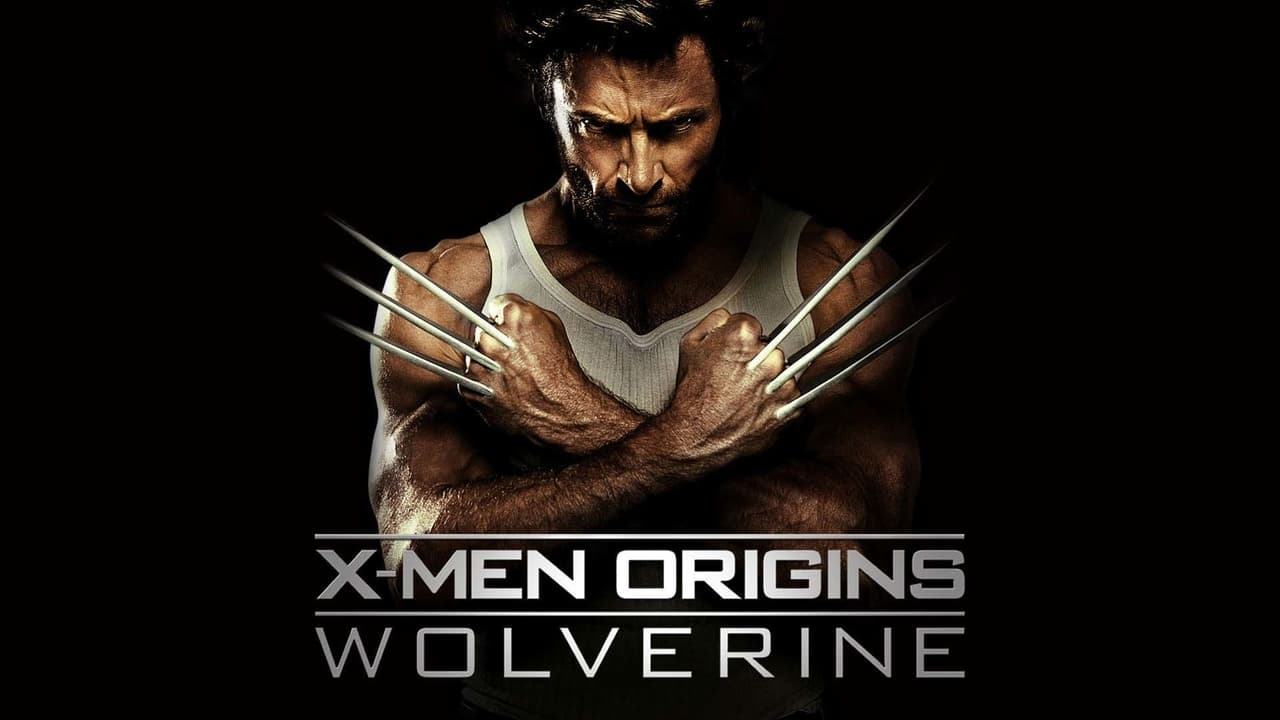
The production was a notorious headache. Beyond the writers' strike, there were rumors of Richard Donner (producer and director of Superman) having to step in to help with the "creative direction." It’s a miracle the film has any rhythm at all. Yet, it has developed a strange cult following. Not because it’s a "hidden gem," but because it’s a fascinating time capsule of what superhero movies looked like before the Marvel "formula" became ironclad.
It’s an action movie that tries so hard to be "cool" (like the scene where Logan walks away from a helicopter explosion without looking back) that it loops all the way back to being campy. I’ll never forget the trivia bit that the "sink" Logan destroys in the farmhouse scene was actually made of real marble and cost a fortune—only for the CGI claws to make the whole interaction look fake anyway.
Ultimately, X-Men Origins: Wolverine is a loud, messy, often baffling piece of 2000s cinema that is best enjoyed with a group of friends and a healthy sense of irony. It’s the film that nearly killed a franchise but accidentally paved the way for the R-rated redemption of Logan and Deadpool. It’s not "good" in the traditional sense, but as a window into a time when Hollywood was still figuring out how to build a universe out of pixels and spandex, it’s an essential, if slightly painful, watch. Just watch out for the chewing gum on the seats.

Keep Exploring...
-
The Wolverine
2013
-

Ender's Game
2013
-

X-Men: The Last Stand
2006
-

I Am Number Four
2011
-
AVP: Alien vs. Predator
2004
-
Superman Returns
2006
-
Fantastic Four: Rise of the Silver Surfer
2007
-
Babylon A.D.
2008
-
The Incredible Hulk
2008
-

G.I. Joe: The Rise of Cobra
2009
-

Battleship
2012
-

G.I. Joe: Retaliation
2013
-
Van Helsing
2004
-
Journey to the Center of the Earth
2008
-

Star Wars: The Clone Wars
2008
-

The Host
2013
-

John Carter
2012
-
The Time Machine
2002
-
Hulk
2003
-
The Matrix Revolutions
2003