Youth in Revolt
"The bad boy inside is calling the shots."
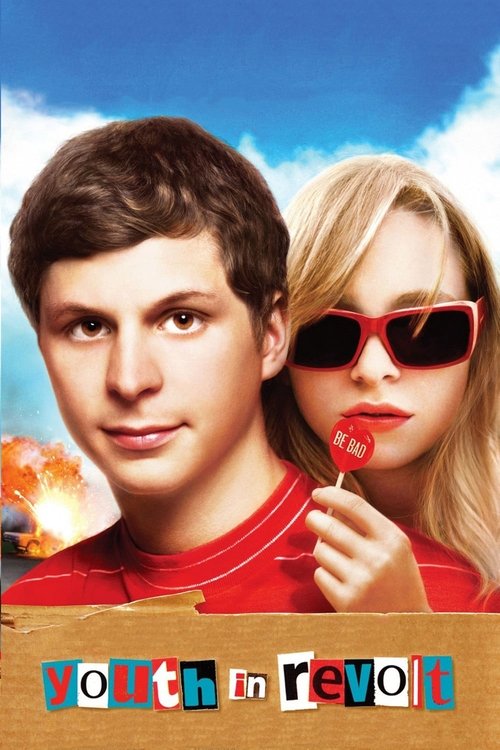
There is a specific brand of 2009 awkwardness that only a mustard-colored cardigan and a membership to the Criterion Collection can truly capture. It was an era when Michael Cera was the undisputed king of the beta-male protagonist, a period where "quirky" was a personality trait and every indie protagonist seemed to have a curated list of French New Wave directors they pretended to understand. But while Superbad and Juno cemented Cera as the poster boy for stuttering vulnerability, Youth in Revolt did something radically different: it gave him a pencil-thin mustache, a cigarette, and a sociopathic streak.
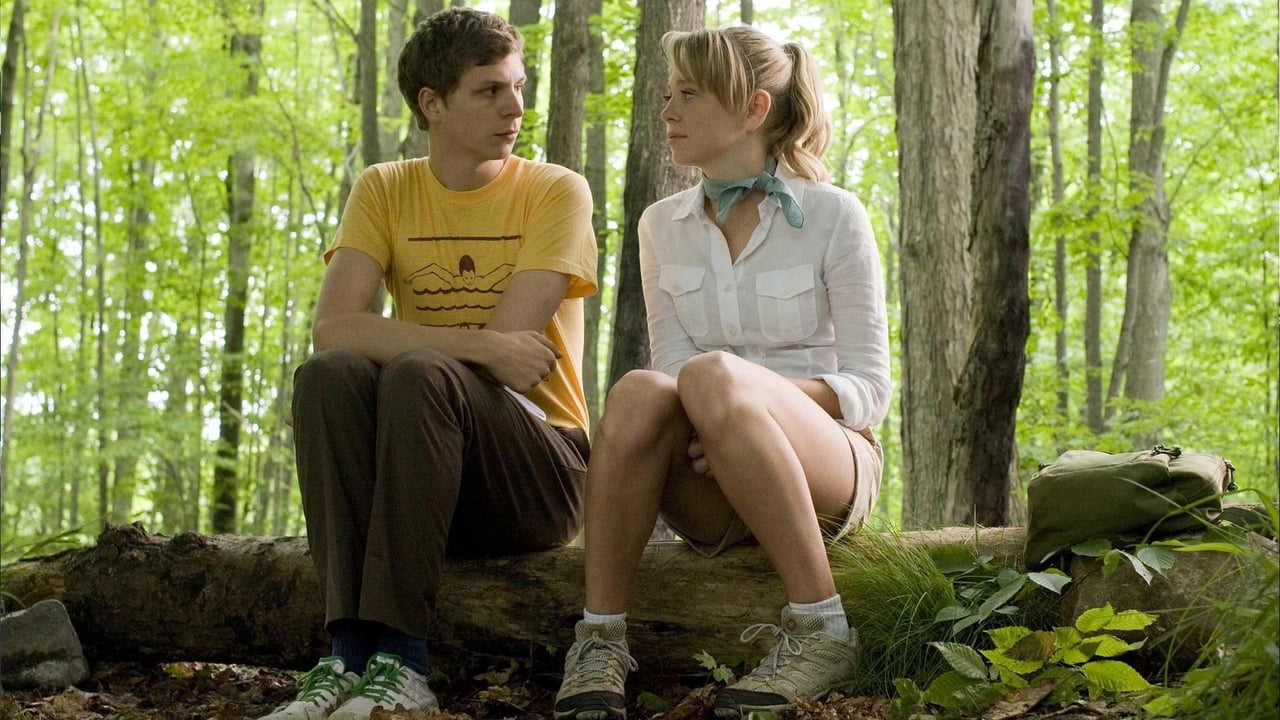
Directed by Miguel Arteta (who previously explored the darker side of suburban ennui in The Good Girl), this film arrived at the tail end of the indie-comedy boom. It’s a movie that feels like a time capsule of the transition from the mid-2000s "mumblecore-lite" aesthetic to the more polished, studio-backed indie films of the early 2010s. Based on the cult-favorite epistolary novel by C.D. Payne, it follows Nick Twisp, a hyper-articulate teenager living in a trailer park with his chaotic mother (Jean Smart) and her deadbeat boyfriend (Ray Liotta).
The Birth of François Dillinger
The heart of the film isn't just Nick’s quest to lose his virginity—a plot point that felt much more urgent in 2009 cinema than it does today—but the manifestation of his "bad boy" alter ego, François Dillinger. To woo the sophisticated, record-playing Sheeni Saunders (Portia Doubleday), Nick realizes his polite, cardigan-wearing self won't cut it. Enter François: a blue-eyed, chain-smoking version of Nick who lives to burn bridges and flip cars.
Watching Michael Cera play against himself is the film’s greatest joy. François isn't just a gimmick; he’s the physical manifestation of every repressed teenage urge. Cera’s performance as François is a masterstroke of subtle subversion. He plays the character with a cold, predatory stillness that makes you realize Michael Cera might actually be a terrifying villain if he ever chose to be. It’s a performance that holds up remarkably well, largely because it doesn’t rely on CGI or flashy effects, but on a simple change in posture and a chillingly calm vocal delivery.
I watched this on a Tuesday afternoon while my neighbor was power-washing their driveway for three straight hours, and the monotonous whirr outside actually provided a weirdly appropriate industrial soundtrack to Nick Twisp’s internal descent into madness.

A Masterclass in Supporting Dysfunction
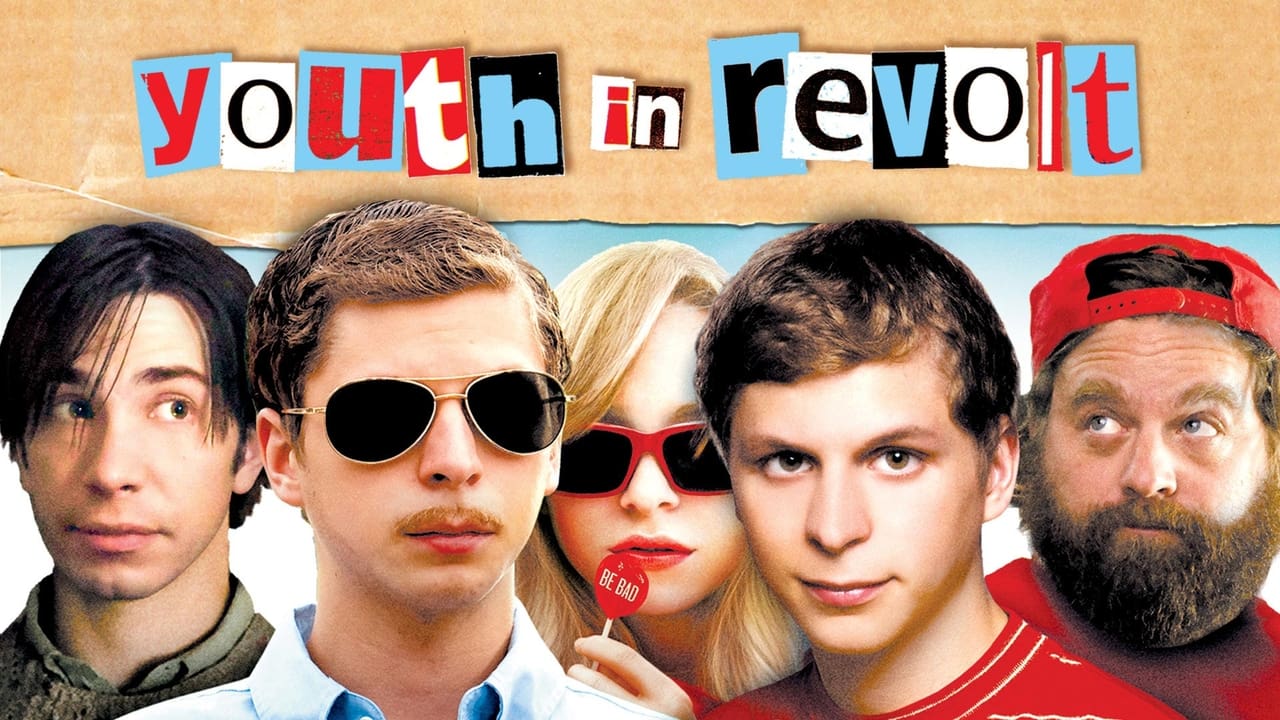
While Cera carries the heavy lifting, the film is populated by a supporting cast that would be impossible to assemble today without a massive budget. We’re talking about Steve Buscemi as Nick’s father, M. Emmet Walsh as a religious grandfather, and Justin Long as a mushroom-tripping brother. This was the era of the "overqualified ensemble," where prestige actors were happy to pop in for three scenes of absurdist comedy.
Jean Smart is particularly fantastic here, years before her recent "Smart-aissance" in Hacks. She brings a grounded, weary desperation to the role of Nick’s mother that keeps the film from floating away into pure cartoon territory. The drama in Youth in Revolt isn't heavy-handed, but it’s there—lurking in the background of every trailer park argument and failed romantic gesture. It captures that specific teenage feeling that your parents are just older, equally confused versions of yourself.
The Mystery of the Missing Hit

Looking back, it’s a bit of a mystery why Youth in Revolt didn't become the defining comedy of its year. It had the pedigree, the star power, and a script by Gustin Nash that crackles with more wit than ten Year Ones combined. Part of the blame lies in its release strategy. It was dumped into theaters in January 2010 after a long delay, a month usually reserved for films the studios have given up on.
Furthermore, the public was arguably suffering from "Cera Fatigue." By the time this hit screens, the "awkward teen" trope was beginning to wear thin, and audiences might have missed the fact that this film was actually a deconstruction of that very persona. It’s also a product of the dying days of the DVD boom; it feels like a movie designed to be discovered on a physical disc, complete with the kind of "making-of" featurettes that explained how they performed the car-stunt sequences using practical effects rather than the burgeoning (and often shaky) CGI of the time.
The film's blend of stop-motion animation sequences and stylized title cards gives it a handmade feel that has aged much better than the "digital sheen" of many of its contemporaries. It feels tactile and lived-in, capturing a specific slice of the American landscape that feels both retro and timeless.
Youth in Revolt is a sharp, cynical, and surprisingly sweet relic from the dawn of the 2010s. It manages to balance the raunchy expectations of the post-Superbad era with a genuine literary wit that feels increasingly rare in modern comedy. If you missed it during its blink-and-you-missed-it theatrical run, it’s well worth a revisit, if only to see Michael Cera set a trailer on fire while looking impeccably cool in a mustache. It’s a reminder that even the most polite revolutions start with a single act of defiance—or at least a very convincing fake name.
Keep Exploring...
-

Nick and Norah's Infinite Playlist
2008
-
First Daughter
2004
-
Jersey Girl
2004
-

A Lot Like Love
2005
-
Broken Flowers
2005
-
Casanova
2005
-
The Family Stone
2005
-
The Sisterhood of the Traveling Pants
2005
-

A Good Year
2006
-
Just My Luck
2006
-
Dan in Real Life
2007
-
The Nanny Diaries
2007
-
Ghost Town
2008
-
Wild Child
2008
-
I Love You Phillip Morris
2010
-

Morning Glory
2010
-
The Switch
2010
-
You Will Meet a Tall Dark Stranger
2010
-
Larry Crowne
2011
-
Something Borrowed
2011