Zombieland
"The end of the world never looked so tasty."
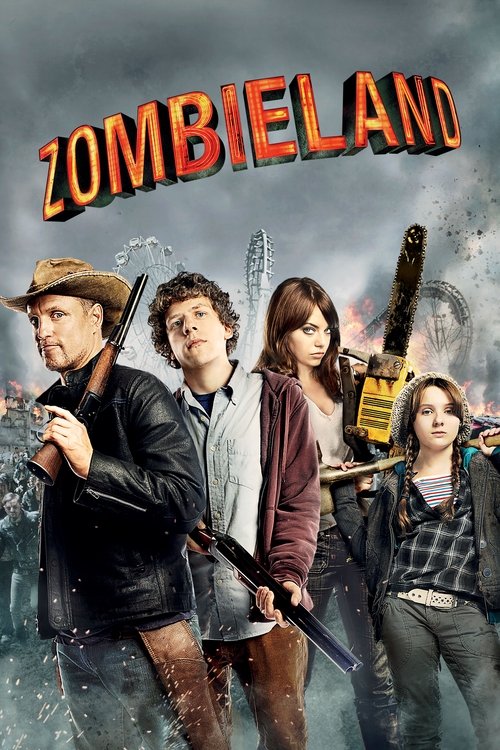
The first time I sat down to watch Zombieland, I was huddled in a dorm room that smelled faintly of damp laundry and overpriced ramen, watching it on a laptop with a screen so cracked it looked like a spiderweb was protecting the pixels. Somehow, that grime only added to the experience. It was 2009, and the cultural landscape was absolutely teeming with the undead. We had 28 Weeks Later bringing the terror and Shaun of the Dead bringing the British wit, but Ruben Fleischer (who later gave us Venom) managed to find a sweet spot that felt uniquely American: a survival guide for the neurotic.
While most horror movies of the late 2000s were leaning into "torture porn" or grim, desaturated misery, Zombieland decided that if the world was going to end, we might as well have some decent typography and a catchy set of ground rules. It’s a film that understands that the real horror isn't just being eaten; it’s the crushing, existential loneliness of being the last person left to enjoy a Hostess Twinkie.
Survival of the Most Anxious
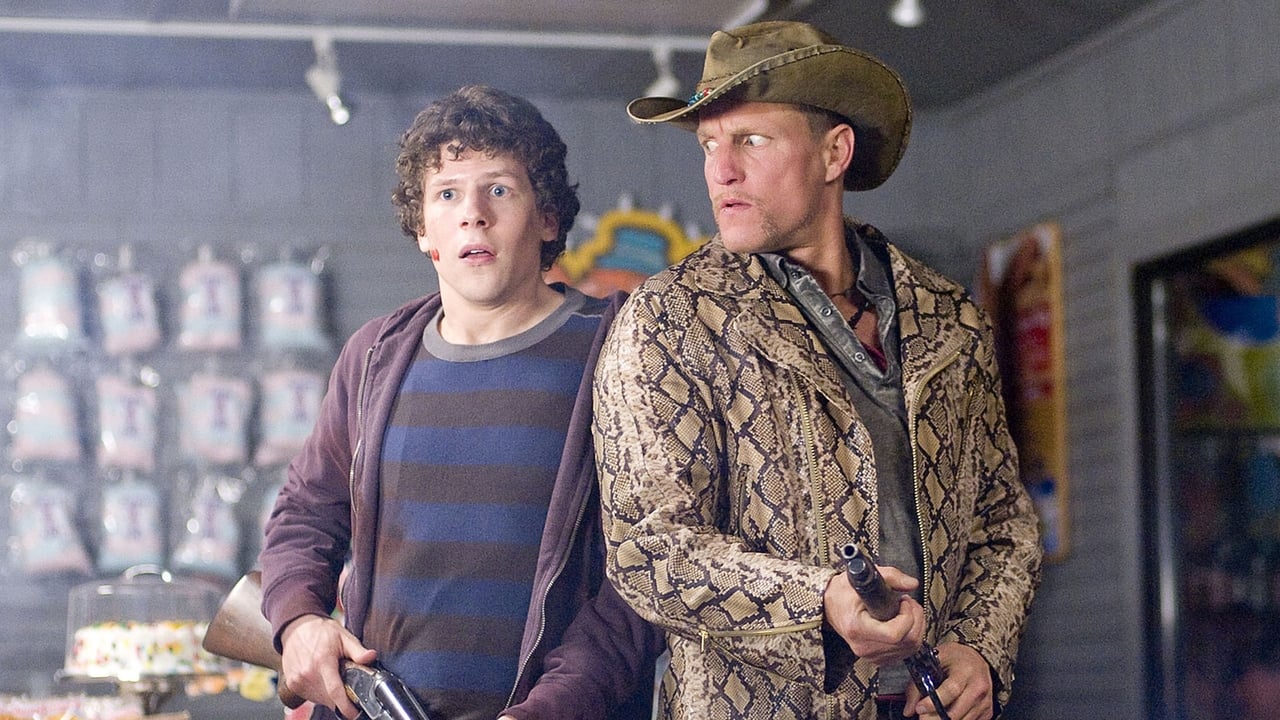
The heart of the film beats through Jesse Eisenberg as Columbus. This was before he became the fastest-talking billionaire in The Social Network, and here he perfectly captures the Y2K-era anxiety that shifted into full-blown survivalism. Columbus isn't a hero; he’s a guy whose irritable bowel syndrome and germaphobia actually became tactical advantages once the "Mad Zombie Disease" hit. He lives by a set of rules—Cardio, Double Tap, Check the Back Seat—that flash across the screen in sleek, digital gold lettering.
This was a high-water mark for the era's marriage of CGI and live action. It wasn't about giant robots; it was about integrating the protagonist's inner monologue into the physical environment. When a zombie smashed through a door and shattered the literal letters of the "Rule" floating in the air, it felt like a fresh way to bridge the gap between video game aesthetics and cinema.
Then you have Woody Harrelson as Tallahassee. If Columbus is the soul of the movie, Tallahassee is its lizard brain. Harrelson plays him with a jagged, manic energy that suggests he’s the only person actually having a good time in the apocalypse. He isn't just killing zombies; he’s performing for an audience that no longer exists. There’s a weight to him, though. The film’s "dark" modifier kicks in when we realize his bravado is a mask for a grief so profound it can only be numbed by high-velocity lead and a quest for sponge cake.
The Practicality of Death
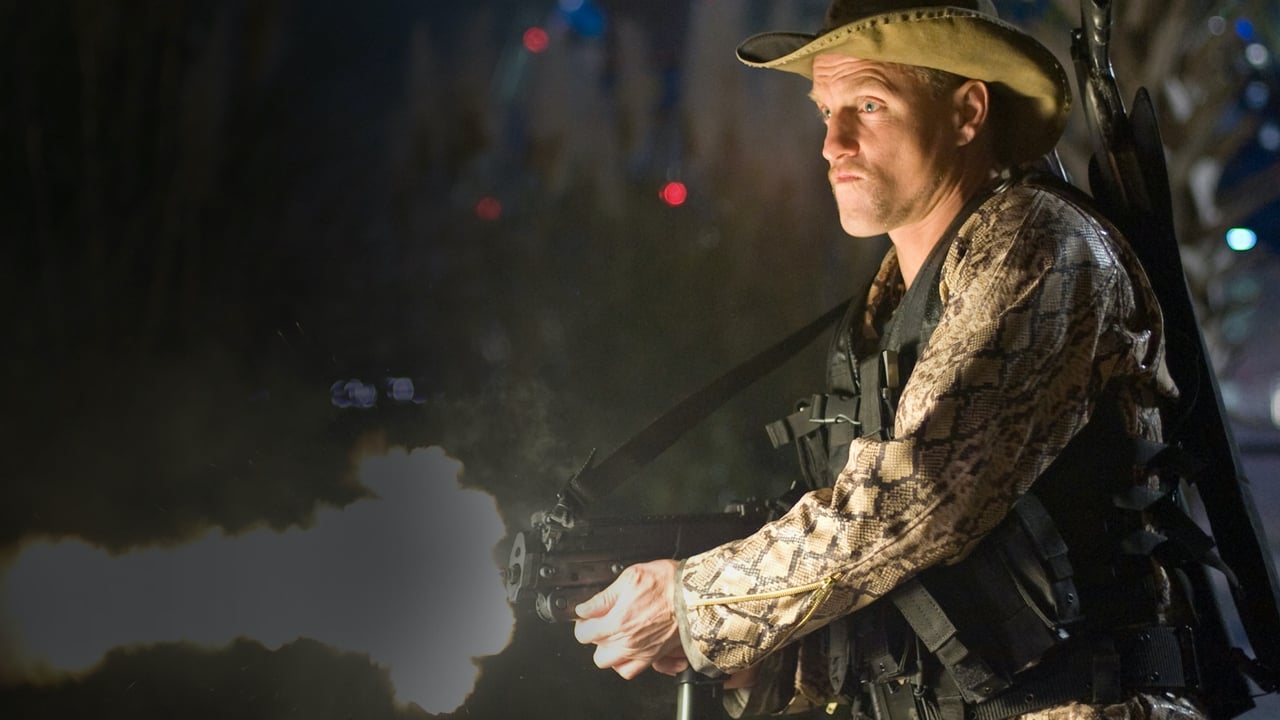
For a movie that plays like a comedy, the horror mechanics are surprisingly robust. The makeup effects—led by the legendary Tony Gardner—don't shy away from the wet, visceral reality of a cannibalistic uprising. The zombies here aren't the slow, shuffling metaphors of the Romero era; they are fast, aggressive, and perpetually leaking black bile.
The opening credits sequence remains one of the best bits of "Modern Cinema" storytelling. Set to Metallica’s "For Whom the Bell Tolls," we see the collapse of society in slow-motion, high-definition glory. A bride sprinting after a groom, a businessman getting tackled in a parking lot—it’s stylized, yes, but it carries that post-9/11 cinematic dread where the infrastructure of our daily lives is revealed to be incredibly fragile. It’s a reminder that horror works best when it takes something mundane, like a gas station or a grocery store, and turns it into a kill zone.
A Masterclass in the Cameo
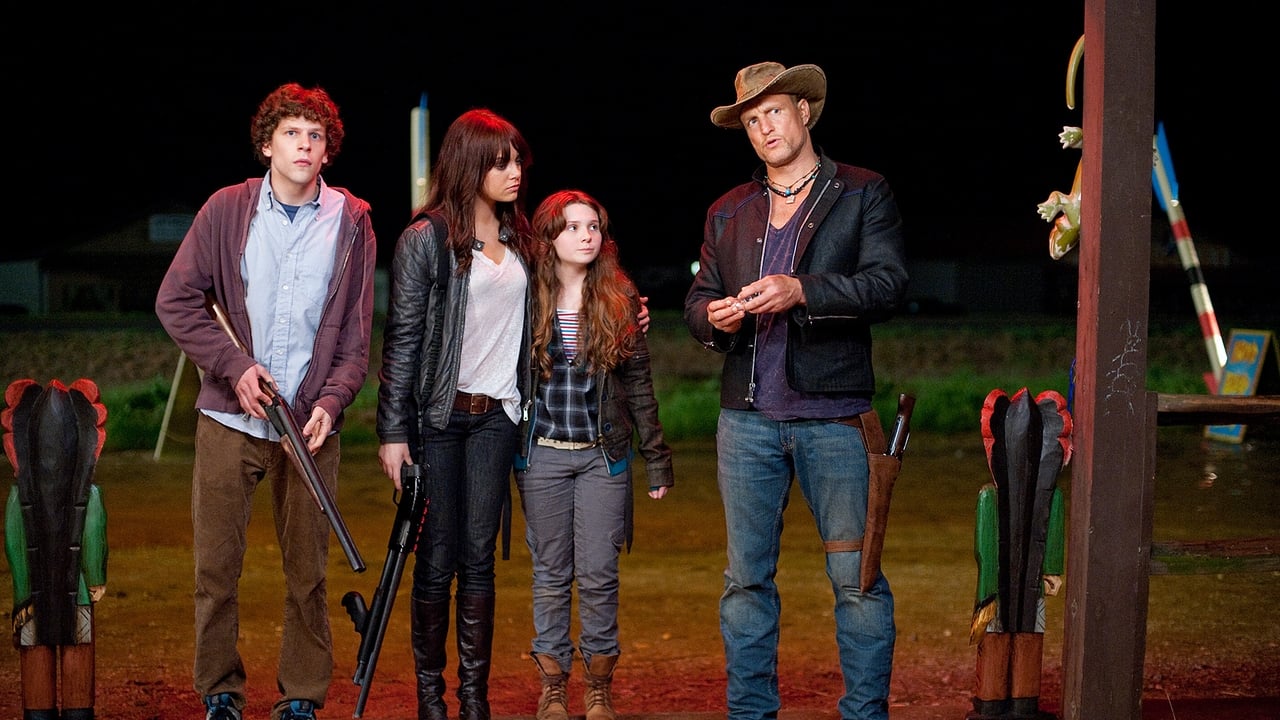
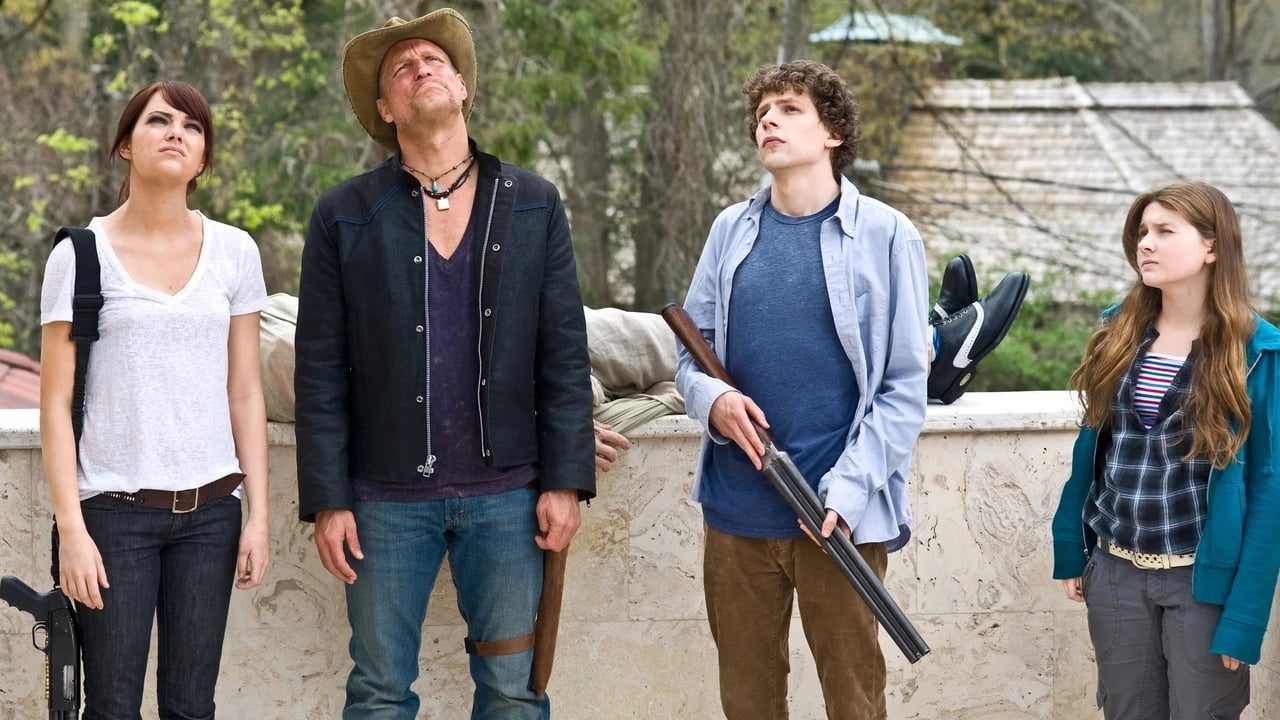
You can’t talk about Zombieland without talking about the mid-movie detour to Hollywood. When the group—now joined by the cynical, sharp-edged sisters Wichita (Emma Stone) and Little Rock (Abigail Breslin)—decides to hole up in a mansion, we get the greatest cameo in film history. Bill Murray playing Bill Murray pretending to be a zombie just so he can play golf without being bothered is the ultimate 2000s meta-joke.
It’s hilarious, sure, but it also serves a somber purpose. It shows us the "Old World" literally playing dress-up in the ruins of its own celebrity. It’s a brief, shining moment of normalcy before the inevitable tragedy of a practical joke gone wrong. The chemistry between Emma Stone and Jesse Eisenberg here is palpable; they have a "fast-talking indie movie" rapport that makes you actually care if they get eaten.

The Blockbuster Legacy
Zombieland was a monster hit, pulling in over $100 million on a relatively modest $23 million budget. It proved that audiences were hungry for horror that didn't just feel like a dare to see how much gore you could stomach. It was a cultural touchstone that influenced everything from The Walking Dead’s tonal shifts to the "meta-horror" explosion of the 2010s.
Interestingly, the film started its life as a TV pilot script. You can feel that in the episodic, road-trip structure. It doesn't have a traditional three-act build so much as a series of escalating "levels" culminating in a neon-lit showdown at an amusement park. The trivia surrounding the production is a goldmine: the Bill Murray role was originally written for Patrick Swayze, who tragically fell ill before filming. They even considered Joe Pesci and Kevin Watney.
Apparently, Woody Harrelson, a committed vegan, had to eat Twinkies made from cornmeal and fake cream because he wouldn't touch the real ones. That’s dedication to a character whose entire motivation is a processed sugar snack. It’s those little details—the practical blood, the vegan Twinkies, the digital rules—that keep this film from feeling like a dated relic of 2009.
In the years since its release, we’ve seen a thousand zombie parodies, but few have the heart or the hutzpah of this one. It captures that specific moment in time when we were transitioning from the analog grit of the 90s to the slick, digital irony of the 2010s. It’s a movie that tells us that while the world might be ending, as long as you have a good playlist, a reliable partner, and a "double tap" for the monsters, you might just make it to the sequel.
Keep Exploring...
-
Zombieland: Double Tap
2019
-
30 Minutes or Less
2011
-
Warm Bodies
2013
-
Tucker and Dale vs. Evil
2010
-
Dawn of the Dead
2004
-
Black Swan
2010
-
The Conjuring
2013
-
Now You See Me
2013
-

What We Do in the Shadows
2014
-
Saw
2004
-
Rio
2011
-
Rio 2
2014
-

Bram Stoker's Dracula
1992
-
Scream
1996
-
The Others
2001
-
Chicago
2002
-

Little Miss Sunshine
2006
-
Superbad
2007
-
Sweeney Todd: The Demon Barber of Fleet Street
2007
-

Trick 'r Treat
2007