127 Hours
"Desperate measures for a desperate man."
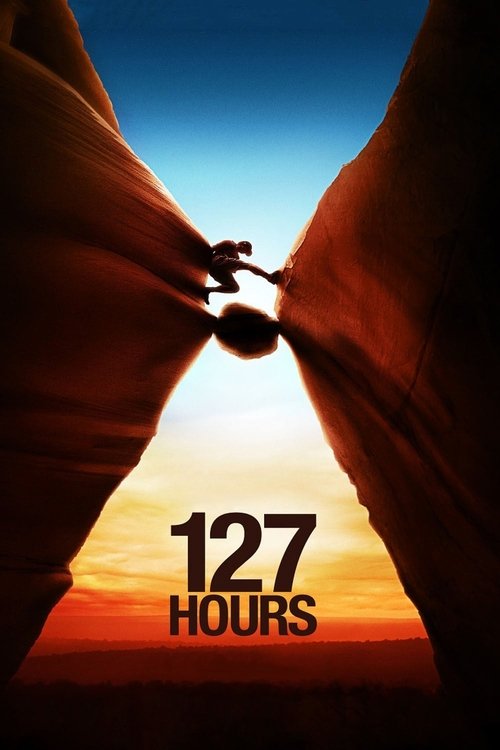
The silence of the Utah desert is a deceptive thing. It’s not a lack of noise; it’s an active presence that swallows the hubris of anyone who thinks they’ve mastered it. When we first meet Aron Ralston in Danny Boyle’s 127 Hours, he is the poster child for that specific brand of millennial invincibility. He’s fast, he’s fit, and he’s so confident in his solo-hiking prowess that he doesn’t bother telling a soul where he’s going. He treats the majestic, terrifying geography of Bluejohn Canyon like his personal playground, right up until the moment a 800-pound boulder decides to play back.
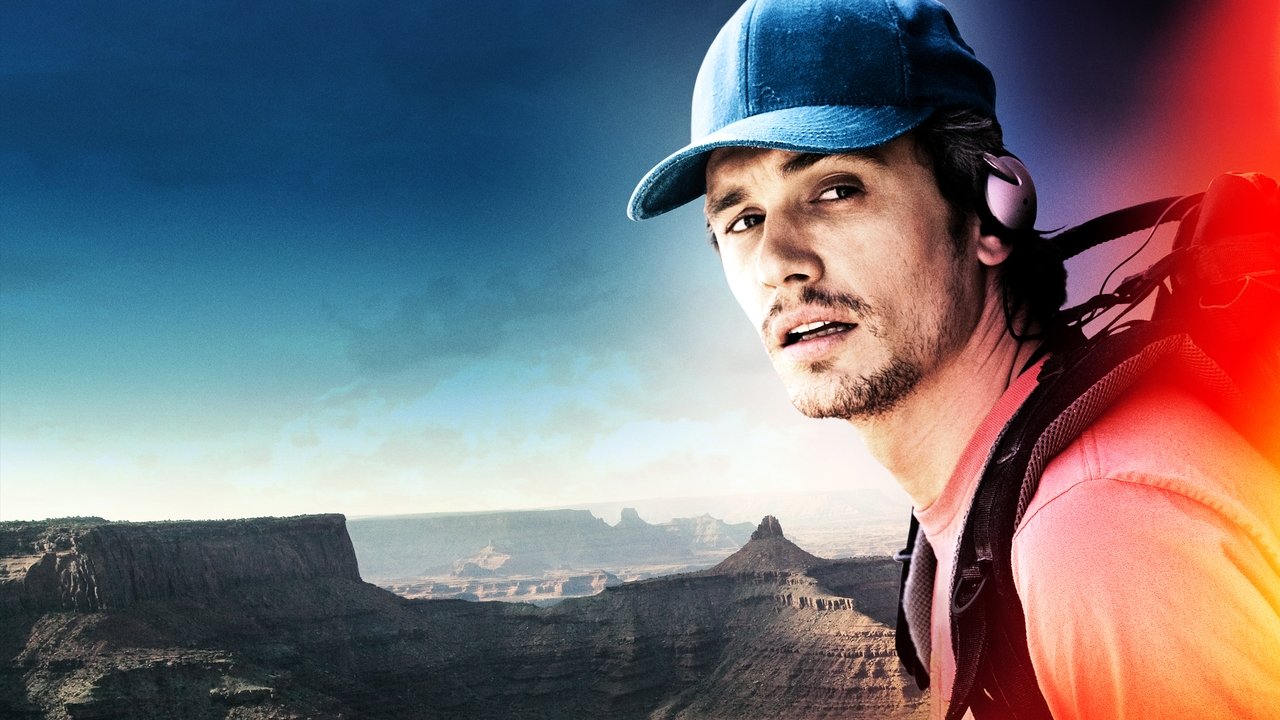
I’ll be honest: I once got my hand stuck in a Pringles can for three minutes and nearly called 911, so my empathy for Aron was already at an all-time high. But 127 Hours isn't just a survival story; it’s a high-wire act of filmmaking that asks how you keep an audience engaged when your protagonist is literally stuck between a rock and a hard place for 90 minutes. Looking back from our current era of over-stuffed franchises, there’s something bracingly pure about this 2010 gem. It’s a film that thrives on limitation, turning a crack in the earth into a vast stage for a psychological breakdown and a bloody resurrection.
The Kinetic Stillness of Bluejohn Canyon
Danny Boyle (fresh off his Oscar win for Slumdog Millionaire) was the perfect choice to direct this. Any other director might have opted for a somber, slow-burn approach, but Boyle brings his signature restless energy to the screen. He uses split screens, hallucinatory flashbacks, and a pulsing score by A.R. Rahman to simulate the frantic firing of a trapped brain. The film feels like a race even when the character can’t move an inch.
The cinematography by Anthony Dod Mantle and Enrique Chediak is nothing short of a miracle. This was a transitional era where digital cameras were finally small enough and high-quality enough to get into the literal crevices of the story. They used two cinematographers to capture different "vibes" of the experience—one focusing on the harsh, oppressive reality of the canyon, and the other on the ethereal, sun-drenched memories of Aron’s life outside. It creates a visual friction that keeps the film from feeling static. The mountain biking sequence at the start looks like a high-budget Mountain Dew commercial that accidentally wandered into a Shakespearean tragedy, but it serves a purpose: it establishes the speed from which Aron is about to be violently decelerated.
A Career-Defining Soliloquy
Everything rests on James Franco. Before he became a polarizing figure in the industry, this was the role that proved he was more than just a handsome face or a comedic foil. For the vast majority of the runtime, it is just him and a camera. He has to carry the weight of Aron’s arrogance, his growing terror, and his eventual, harrowing acceptance of what must be done.
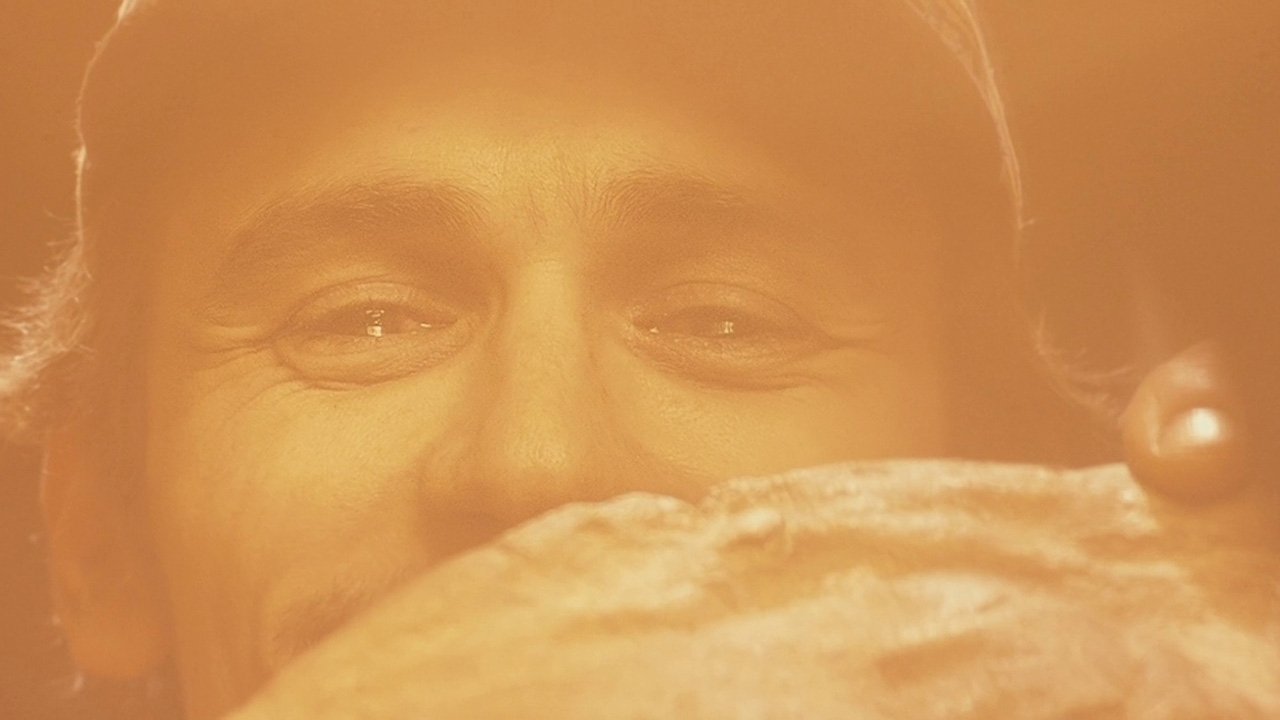
James Franco's grin in the first ten minutes is so blindingly arrogant you almost—almost—root for the rock. But as the days tick by and the water runs out, that grin fades into a mask of cracked lips and sunken eyes. One of the best scenes isn't the one everyone talks about; it’s the improvised "morning talk show" Aron hosts for his own camcorder. He interviews himself, playing both the host and the "guest who forgot to tell anyone where he went." It’s heartbreakingly funny and deeply human, showcasing the way the mind tries to protect itself from the crushing weight of its own mistakes. We also get brief, bright flashes of Kate Mara and Amber Tamblyn as hikers Aron meets early on—ghosts of a social life that feel a million miles away once the boulder drops.
The Blunt Reality of Survival
We have to talk about "The Scene." You know the one. In the years following its release, 127 Hours became a bit of a cult "dare" movie. People would go to see if they could stomach the amputation. But watching it again now, it’s clear that the sequence isn’t exploitative; it’s earned. Boyle treats the act not as horror, but as a grueling, mechanical necessity. The sound design is what really gets you—the dull snap of the bone, the high-pitched, metallic whine of a nerve being touched.
Apparently, the production used three different prosthetic arms, one of which was so anatomically correct (complete with blood vessels and breakable bone) that it caused multiple people to faint during test screenings. The real Aron Ralston was heavily involved, even showing James Franco the actual video diaries he recorded while trapped—tapes that have never been released to the public. That groundedness is what keeps the film from floating off into melodrama. It’s a "Modern Cinema" era masterpiece of digital intimacy, capturing the shift toward personal, handheld storytelling that would soon dominate the social media age.
Ultimately, 127 Hours is a film about the threads that connect us to the rest of the world. It takes a man who thinks he needs no one and strips him down until the only thing left is his desire to return to the people he neglected. It’s intense, yes, and it will make you never want to look at a dull multi-tool again, but it’s also strangely life-affirming. Looking back a decade later, it remains a high-water mark for the survival genre—a reminder that sometimes you have to lose a part of yourself to find out who you actually are.
Just remember to tell someone where you’re going next weekend. Seriously.
Stuff You Didn't Notice
To keep the performance authentic, the set was built to the exact dimensions of the canyon where Ralston was trapped, meaning James Franco was genuinely cramped and uncomfortable for the entire shoot. The "nerve" sound during the amputation was actually a distorted guitar string being plucked, a choice by A.R. Rahman to make the pain feel more "electric." Aron Ralston’s real-life family and the people who rescued him appear in the final "flash-forward" montage at the end of the film. The film was shot almost entirely in chronological order, allowing James Franco to naturally lose weight and look increasingly haggard as the "days" progressed. * During the premiere at the Toronto International Film Festival, three people fainted and one person suffered a seizure during the amputation scene, cementing its legacy as one of the most intense sequences in mainstream cinema.
Keep Exploring...
-

Trance
2013
-
The Beach
2000
-
The Grey
2012
-
Shooter
2007
-

28 Days Later
2002
-

Match Point
2005
-
Serenity
2005
-
Lucky Number Slevin
2006
-
The Illusionist
2006
-
The Hurt Locker
2008
-

Brothers
2009
-
The Next Three Days
2010
-
Drive
2011
-
The Lincoln Lawyer
2011
-
End of Watch
2012
-
Nightcrawler
2014
-
The Count of Monte Cristo
2002
-
Green Zone
2010
-

A History of Violence
2005
-
Kingdom of Heaven
2005