16 Wishes
"Sixteen candles. One magical disaster."
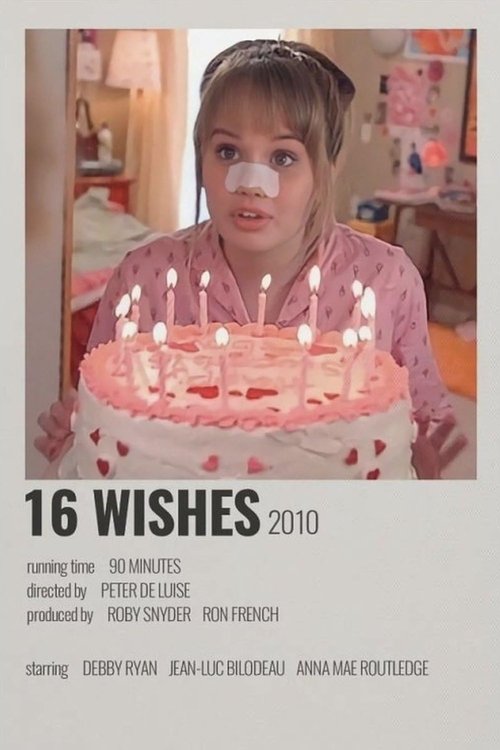
The year 2010 sat at a strange crossroads for the teen media industrial complex. We were moving away from the bubblegum high-gloss of the High School Musical era and inching toward the more cynical, social-media-driven landscapes of the 2010s. In the middle of this shift stood Debby Ryan, a performer who possessed a specific kind of grounded charisma that often felt too big for the multi-cam sitcoms she inhabited. 16 Wishes was the vehicle designed to prove she could carry a feature-length narrative, and looking back, it’s a fascinating relic of a time when "going viral" was still something that happened in a high school hallway, not on a global algorithm.
I recently revisited this one on a Tuesday afternoon while my radiator was making a clanking sound like a rhythmic ghost, and I was struck by how much the film relies on the sheer earnestness of its lead to paper over its made-for-TV budget.
The Architecture of a Teen Dream
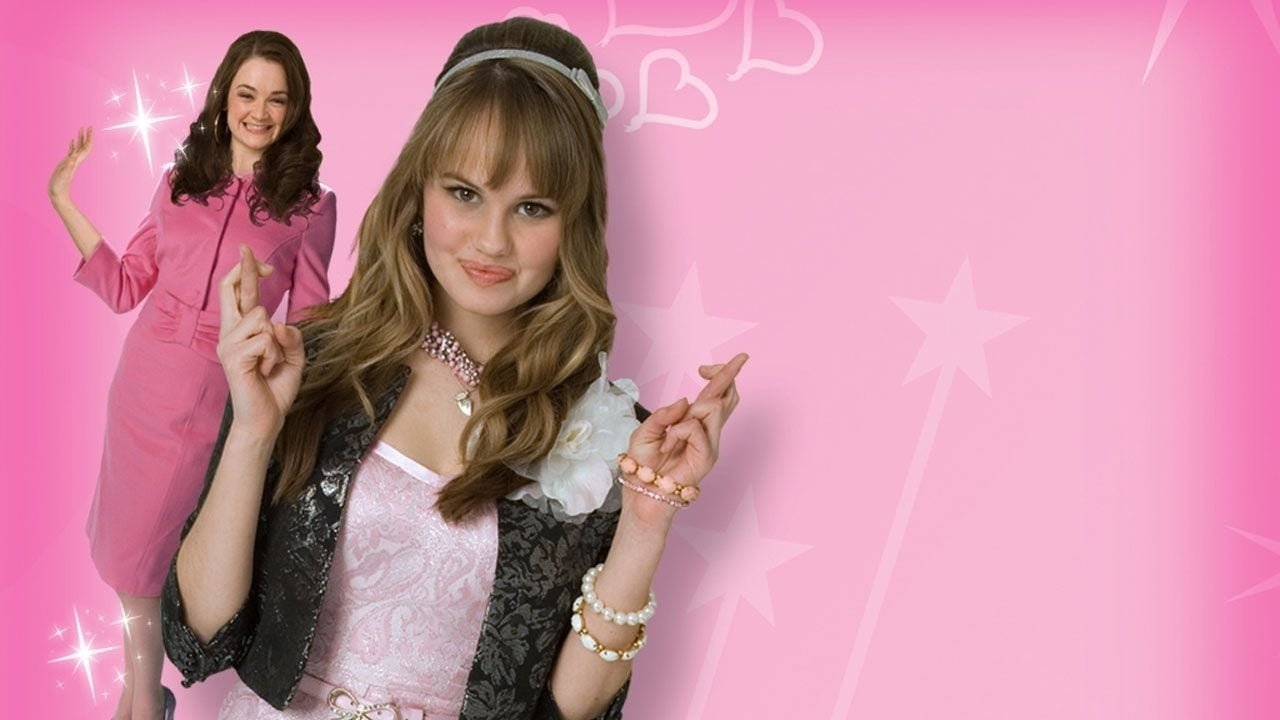
The premise is a classic "monkey’s paw" scenario dressed in Forever 21 accessories. Abby Jensen, played with infectious energy by Debby Ryan, has been planning her sixteenth birthday since she was a toddler. She has a literal list of sixteen wishes—ranging from meeting her celebrity crush to finally besting her lifelong rival, Krista Cook (Karissa Tynes). When a mysterious woman named Celeste (Anna Mae Wills) appears with a box of magical candles, the wishes start coming true in real-time.
What makes the first act work is the film’s understanding of teenage priority. To a sixteen-year-old, having a red sports car and being the most popular girl in school isn't just a whim; it’s a survival strategy. Director Peter DeLuise—who some might remember as Officer Doug Penhall from the original 21 Jump Street—brings a steady hand to the proceedings. He doesn't over-direct the magical elements with clunky 2010-era CGI; instead, he focuses on the reactions of the characters. When Abby wishes for the "best clothes in school," the film doesn't give us a flashy transformation sequence; it just lets her walk into the room with the confidence of someone who just raided a wardrobe department's high-end leftovers.
Debby Ryan and the Weight of the Wand
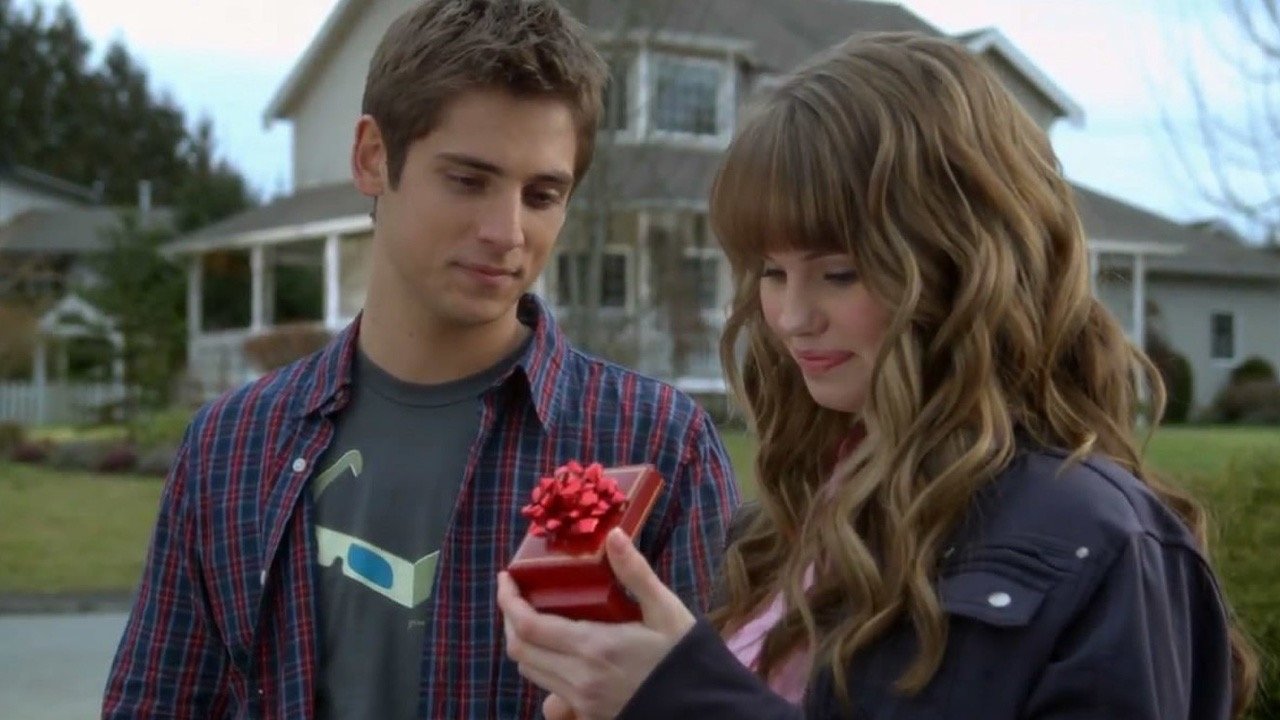
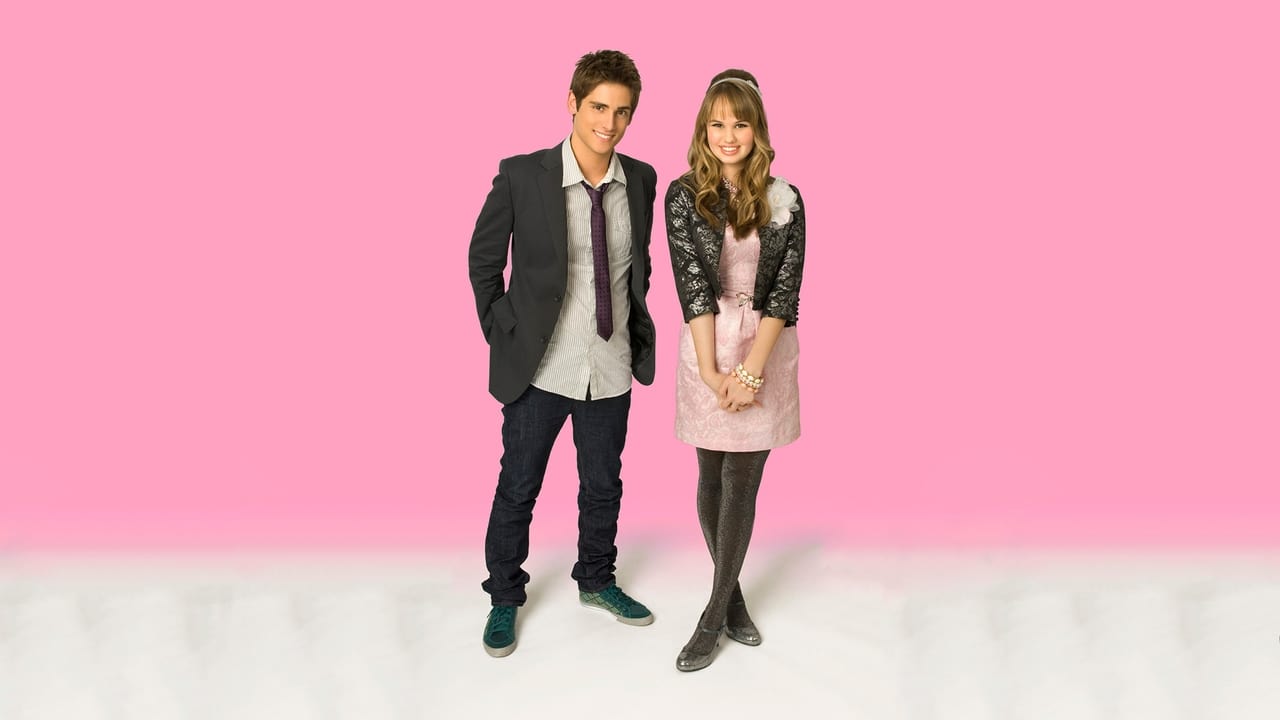
The film’s secret weapon is the chemistry between Debby Ryan and Jean-Luc Bilodeau, who plays her best friend, Jay Kepler. In many of these Disney-adjacent movies, the "best friend" is a walking trope of bad jokes and loyalty, but Bilodeau brings a genuine, slightly pained sweetness to Jay. He’s the anchor for the film’s more dramatic turns.
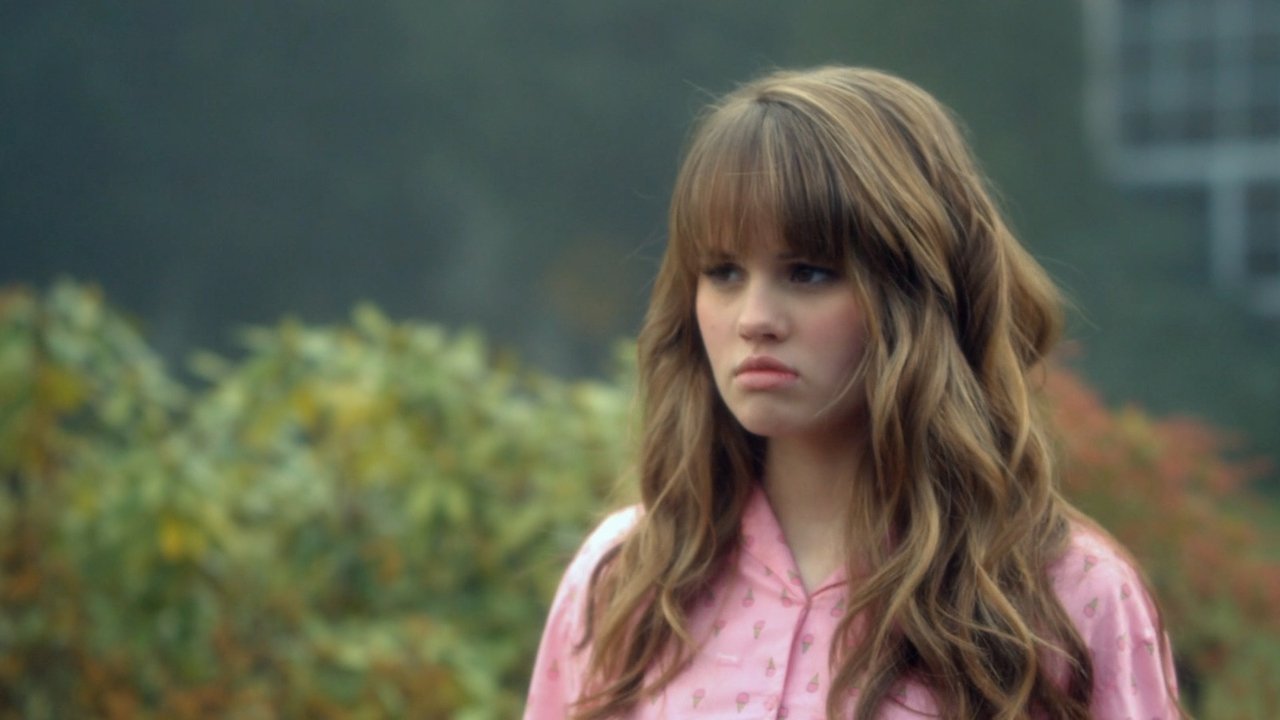
As the wishes progress, Abby makes the inevitable mistake: she wishes to be treated like an adult. Suddenly, she’s no longer sixteen; she’s twenty-one, her parents don't recognize her, and she has a mounting pile of bills and responsibilities. This is where 16 Wishes shifts from a light fantasy into a surprisingly effective drama about the loss of innocence. Debby Ryan excels here, pivoting from the squealy excitement of a birthday girl to the panicked realization that she’s accidentally deleted her childhood. It's a performance that feels unexpectedly heavy for a movie that features a magical wasp.
The screenplay by Annie DeYoung handles the "be careful what you wish for" trope with more grace than its contemporaries. It isn't just about the physical transformation; it’s about the emotional distance Abby creates between herself and the people who actually know her. When she realizes that her rivalry with Krista Cook—played with a fun, sharp-edged perfection by Karissa Tynes—is actually a pale imitation of a real relationship, the movie hits a level of maturity that catches you off guard.
The 2010 Time Capsule
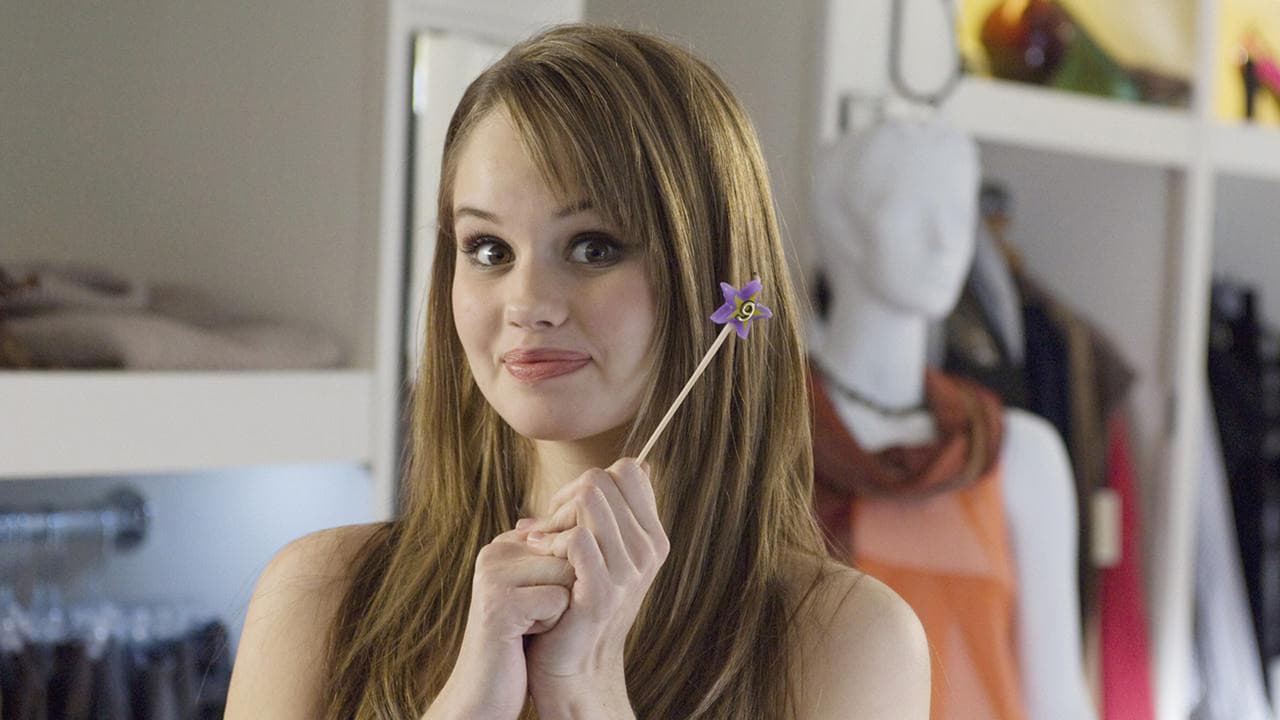
Watching 16 Wishes today is a masterclass in early-2010s aesthetics. We are talking about the peak of layered tank tops, chunky necklaces, and the strangely persistent belief that a side-ponytail was a revolutionary fashion statement. While these elements date the film, they also provide a sense of cozy nostalgia. It was a period where technology was present (Abby uses a digital camera and a bulky laptop), but the internet hadn't yet completely swallowed the teen experience.
The production value is exactly what you’d expect from a MarVista/Unity Pictures collaboration of the era. It’s clean, bright, and occasionally looks like it was shot in a very nice suburb of Vancouver (which it was). However, the score by James Jandrisch does a lot of heavy lifting, transitioning from upbeat pop-rock to more melancholic piano cues as Abby’s world begins to unravel. It’s a reminder of a time when the DVD release of a movie like this would come with a "music video" special feature that every kid on the block would memorize.
While the ending is telegraphed from the first fifteen minutes, the journey there is genuinely pleasant. It’s a film that respects its audience’s emotions without becoming overly saccharine. It doesn't have the biting wit of Mean Girls or the budget of Harry Potter, but it has a heart that feels authentically teenage—messy, impulsive, and ultimately hopeful.
16 Wishes is a high-water mark for the TV-movie genre of the early digital era. It functions as both a charming fantasy and a cautionary tale about the rush to grow up. While some of the supporting characters, like the mysterious Celeste, feel a bit underdeveloped, the central performances by Debby Ryan and Jean-Luc Bilodeau keep the story grounded. It’s a breezy 90-minute watch that manages to earn its emotional beats, making it a perfect retrospective pick for anyone who grew up during the transition from cable TV to the streaming revolution. It’s a sweet, sparkly reminder that the best thing about being sixteen isn't the magic—it’s the time you have left to figure it all out.
Keep Exploring...
-
Just My Luck
2006
-

Where the Wild Things Are
2009
-

Wizards of Waverly Place: The Movie
2009
-
The Odd Life of Timothy Green
2012
-
Princess Protection Program
2009
-

Miracle on 34th Street
1994
-
Jack Frost
1998
-
The NeverEnding Story II: The Next Chapter
1990
-
The Spiderwick Chronicles
2008
-
A Christmas Carol
2009
-

Ice Princess
2005
-
The Jacket
2005
-
Aquamarine
2006
-
Bambi II
2006
-

Charlotte's Web
2006
-
Inland Empire
2006
-
Lady in the Water
2006
-

The Ant Bully
2006
-
Across the Universe
2007
-
Cinderella III: A Twist in Time
2007