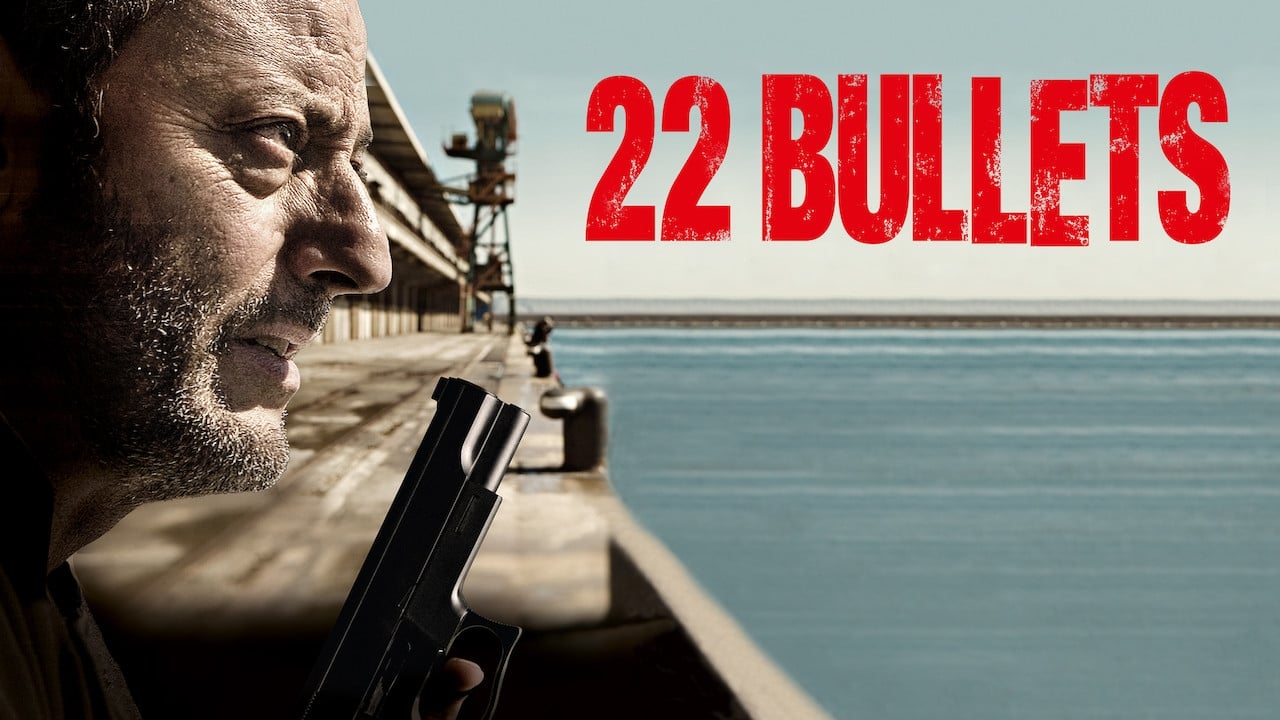
22 Bullets
"He has twenty-two reasons to stay angry."
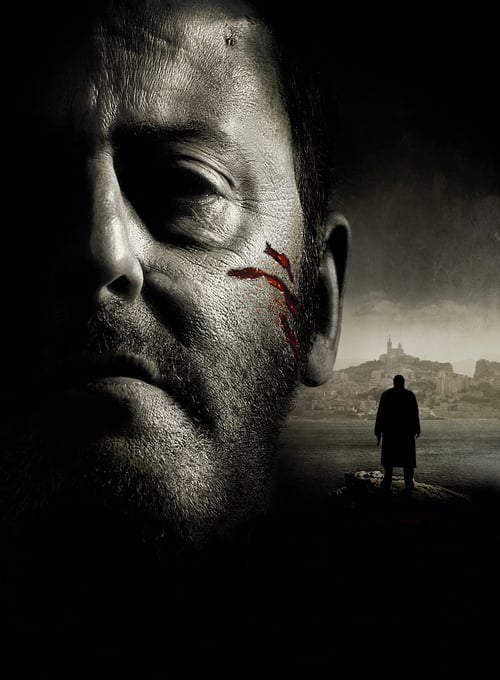
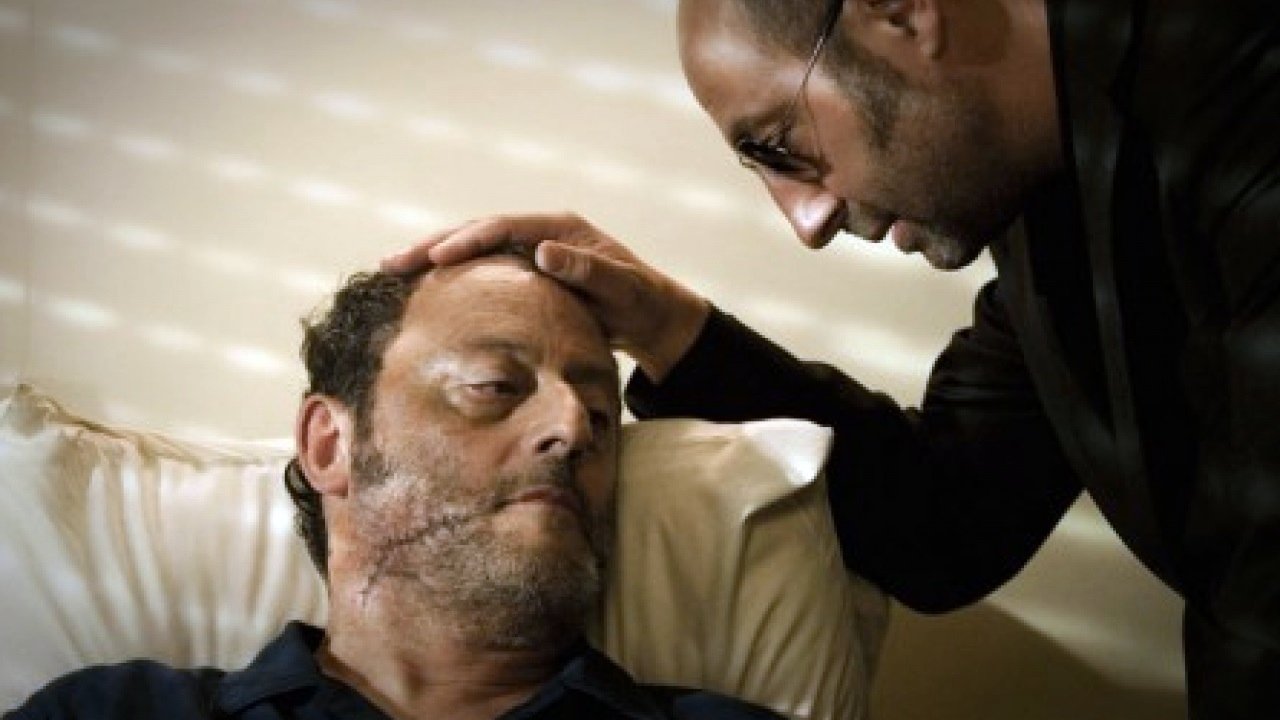
There is a specific, gravity-defying weight to a Jean Reno performance. The man doesn’t just walk into a room; he anchors it, dragging a lifetime of cinematic baggage—of hitmen with hearts of gold and weary detectives—along with him. In the opening minutes of 22 Bullets (originally titled L’Immortel), we see that weight literally tested as his character, Charly Matteï, is ambushed in a Marseille parking garage. He’s pumped full of lead by a squad of masked goons in a sequence that feels less like a standard action beat and more like a grim, metallic baptism.
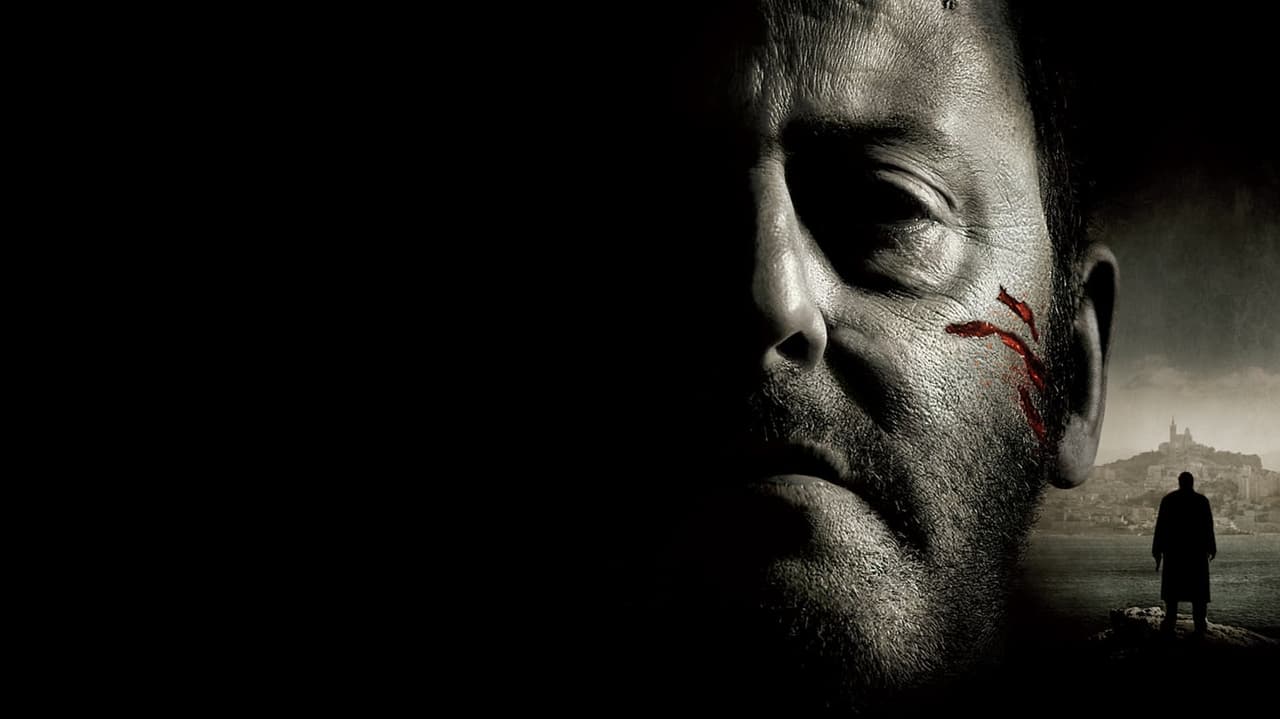
I watched this film for the first time while nursing a mildly burnt tongue from a too-hot bowl of tomato soup, and honestly, the stinging acidity of the soup matched the film's jagged, vengeful energy perfectly. It’s a movie that demands you feel a little bit of the grit under your fingernails.
The Marseille Godfather
By 2010, the "Modern Cinema" era was fully leaning into the slick, high-contrast digital look that Luc Besson’s EuropaCorp had perfected. 22 Bullets is a prime example of that factory’s output: it’s glossy, it’s violent, and it’s unashamedly operatic. Jean Reno, playing a retired mobster who just wants to hang out with his kid and listen to opera, is essentially playing the "final boss" version of his character from Léon: The Professional (1994). He’s older, grayer, and significantly more annoyed by the fact that his childhood friend, Tony Zacchia (played with a delightful, twitchy arrogance by Kad Merad), has decided to turn him into a human colander.
The film operates on a logic of pure "cool." When Charly survives the titular 22 bullets—a feat based on the real-life story of Marseille mobster Jacky Imbert—he doesn't just recover; he goes on a systematic rampage that makes the Punisher look like a pacifist. Director Richard Berry (who also shows up as the sleek Aurelio Rampoli) captures Marseille as a labyrinth of sun-bleached concrete and deep blue shadows. It’s a beautiful place to die, and Jean Reno ensures a lot of people do exactly that. It’s basically ‘John Wick’ for people who prefer a vintage Bordeaux over a stiff bourbon.
A Villain You Love to Loathe
What keeps this from being a generic "old man with a gun" flick is the casting of Kad Merad. If you know French cinema, you likely know Merad from the mega-hit comedy Welcome to the Sticks (2008). Seeing him pivot from a lovable goof to a cold-blooded, narcissistic crime lord is a jarring, brilliant choice. He plays Zacchia as a man who is deeply insecure about his own shadow, making his betrayal of Charly feel pathetic rather than purely professional.
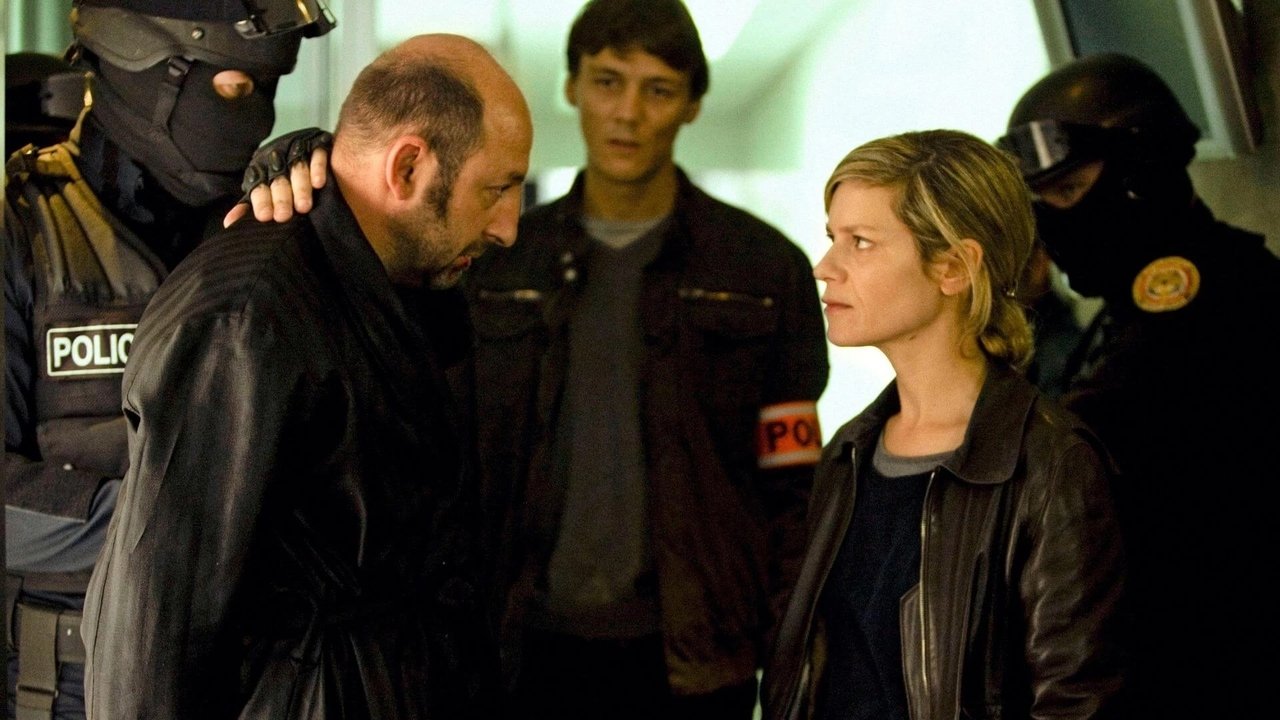
The supporting cast adds a layer of "pre-prestige" drama that was common in this era of European thrillers. Marina Foïs gives a grounded, weary performance as Marie Goldman, a police officer dealing with her own grief while trying to navigate the war between the two aging lions. And keep an eye out for JoeyStarr as Pistachio; the French rapper-turned-actor brings a chaotic energy that provides a sharp contrast to Reno’s glacial stillness. Jean Reno could make reading a microwave manual look like a profound philosophical crisis, but he needs these high-energy foils to keep the movie from drifting too far into the brooding ether.
Why This One Slipped Through the Cracks
Despite its pedigree and a massive $24 million budget, 22 Bullets never quite became the international cult classic it deserved to be. Part of that is the timing. In 2010, the world was moving toward the "superhero-ification" of action. The gritty, mid-budget European crime thriller was being squeezed out by the dawn of the MCU. Moreover, the film’s tonal shifts—moving from brutal torture scenes to sweeping operatic crescendos—might have been a bit "too French" for the mainstream American DVD market, which preferred the stripped-down efficiency of Taken (2008).
Looking back, the film feels like a bridge. It’s the tail end of the era where we still believed a man could survive two dozen gunshot wounds through sheer willpower and a love for Maria Callas. It doesn't use the shaky-cam aesthetic that ruined so many 2000s action movies; instead, cinematographer Thomas Hardmeier keeps the camera steady enough for us to see the sparks flying off the pavement and the blood blooming on white linen shirts.
The Real-Life Legend

The most fascinating "Cool Detail" about the production is that the real Jacky Imbert actually survived that 1977 assassination attempt. While the movie dials the melodrama up to eleven, the core premise—that a man could be shot twenty-two times (seven bullets in the arm, nine in the body, etc.) and live to walk his dog—is somehow true. Apparently, the surgeons who saved him were so stunned they kept the bullets as souvenirs.
The film leans into this "immortal" mythos, portraying Matteï as a ghost haunting his own life. There’s a sequence involving a motorcycle chase that feels like a leftover from a 90s thriller, and while some of the digital color grading screams "2010," the emotional core is surprisingly sturdy. It’s a story about the impossibility of retirement in a world built on blood.
If you’re looking for a hidden gem that pairs well with a rainy evening and a lack of faith in the medical profession, this is it. It’s not trying to reinvent the wheel; it’s just trying to run you over with it. Jean Reno remains one of the few actors who can convey more with a heavy-lidded stare than most actors can with a five-minute monologue. It’s a violent, stylish, and occasionally absurd meditation on the fact that some people are simply too stubborn to stay in the grave.
Keep Exploring...
-

Revolver
2005
-
Tell No One
2006
-

Domino
2005
-
The Protector
2005
-
Alpha Dog
2006
-
Running Scared
2006
-
Undisputed II: Last Man Standing
2006
-
United 93
2006
-
Before the Devil Knows You're Dead
2007
-
Death Sentence
2007
-
In the Valley of Elah
2007
-
We Own the Night
2007
-

Lakeview Terrace
2008
-
Mesrine: Killer Instinct
2008
-
Mesrine: Public Enemy #1
2008
-

Pride and Glory
2008
-
Street Kings
2008
-
Untraceable
2008
-
Harry Brown
2009
-
The Last House on the Left
2009