A Nightmare on Elm Street
"Sleep is no longer a sanctuary."
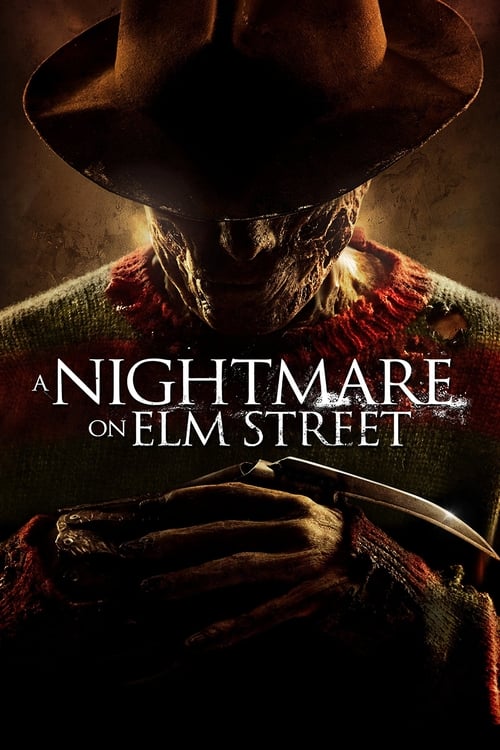
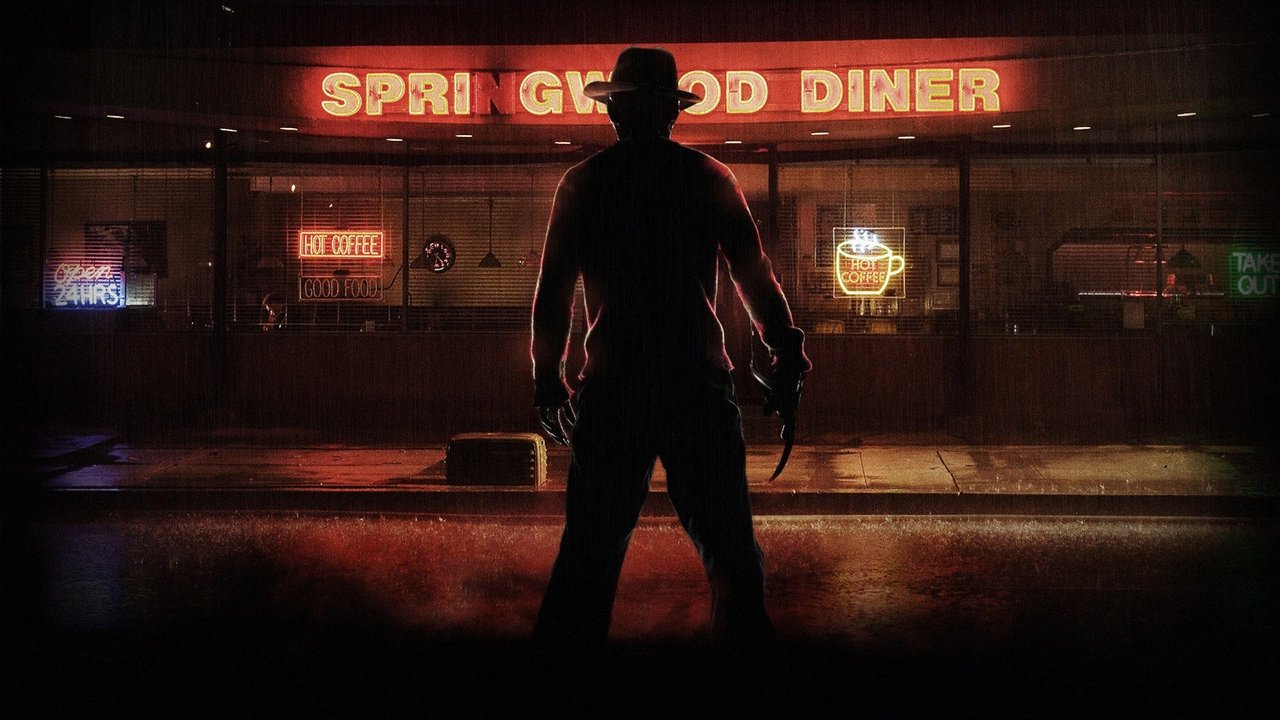
By the time 2010 rolled around, Michael Bay’s Platinum Dunes production house had already taken a metaphorical chainsaw to The Texas Chainsaw Massacre and a machete to Friday the 13th. It was only a matter of time before they came for the striped sweater and the fedora. I recall walking into the theater with a mix of trepidation and morbid curiosity, mostly wondering how anyone could possibly replace Robert Englund. The 1984 original worked because it blended suburban anxiety with surrealist, low-budget ingenuity. The 2010 remake, however, opted for the "Platinum Dunes Gloss"—that specific brand of high-contrast, desaturated cinematography where every teenager looks like they just stepped out of an Abercrombie & Fitch catalog despite being chronically sleep-deprived.
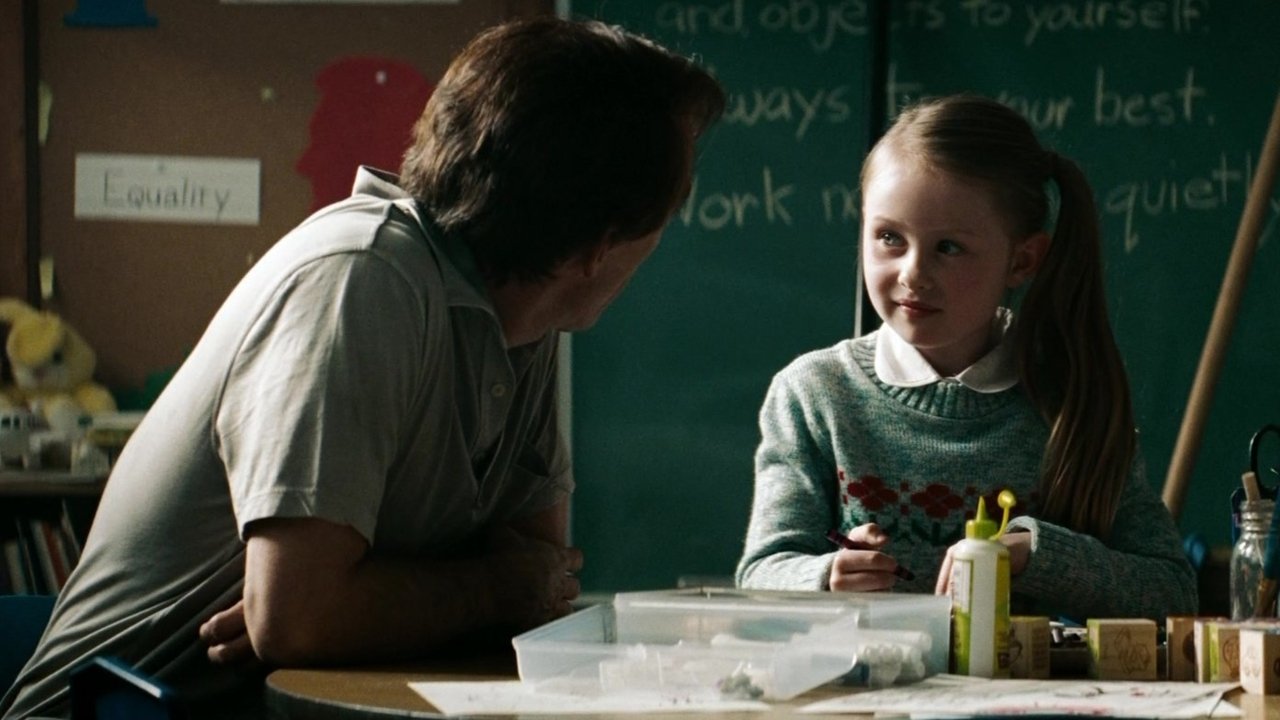
The Gritty Reality of Dreamland
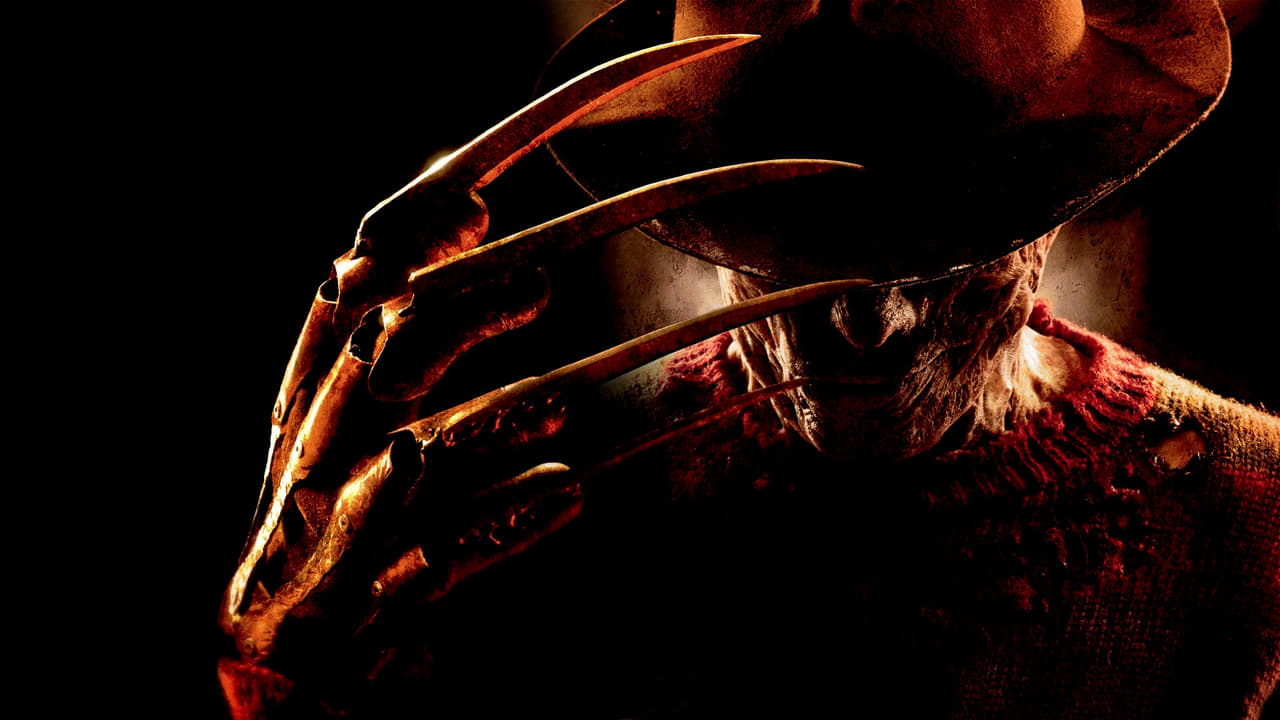
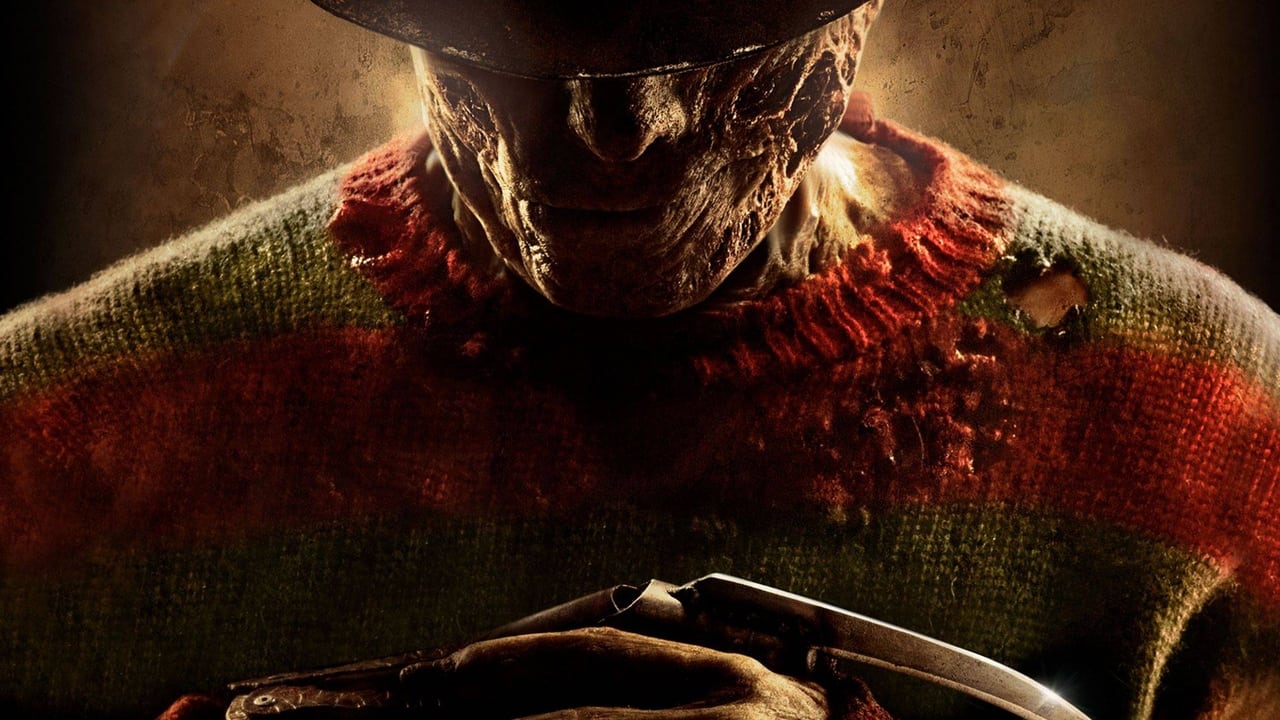
The biggest hurdle for director Samuel Bayer was reinventing Freddy Krueger himself. Jackie Earle Haley—who had recently turned in a chilling, pitch-perfect performance as Rorschach in Watchmen—seemed like the only logical choice to fill the role. He brings a much darker, more pedophilic undercurrent to the character, moving away from the "pun-slinging uncle" vibe Freddy adopted in the later sequels. But here’s the problem: the movie hides him behind a wall of questionable CGI.
The filmmakers used digital effects to "enhance" the burn makeup, thinning out Haley’s nose and enlarging his eyes to make him look like a real-life fire victim. In practice, it makes him look like a CGI-enhanced potato with a raspy voice. By trying to make Freddy "realistic," they stripped away the theatricality that made the character a pop-culture icon. I spent a good portion of the runtime distracted by a weirdly shaped nacho I found in my lap, which, honestly, had more texture and personality than the digital sheen on Freddy’s forehead.
The Sleepwalkers
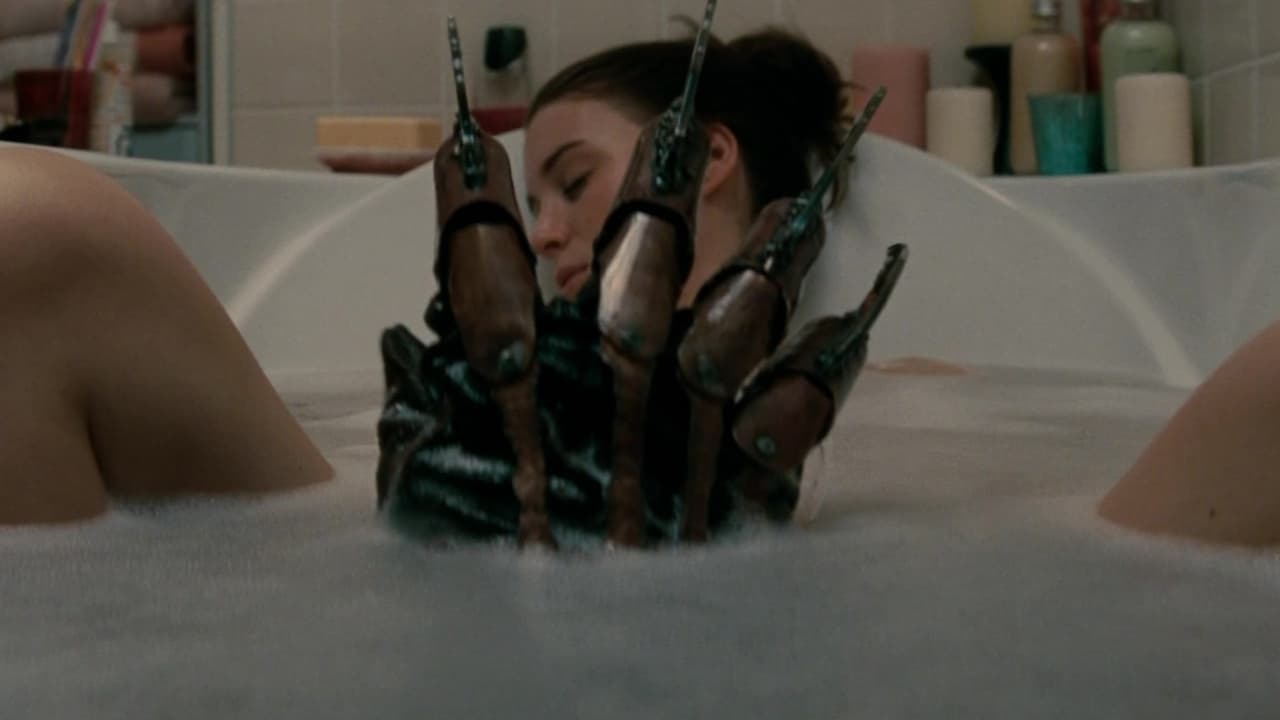
Then there’s the cast of teenagers. Rooney Mara stars as Nancy Holbrook, and watching her here is a fascinating exercise in hindsight. She has since become one of the most formidable actors of her generation, but in this film, she looks like she’s being held hostage by the production. Mara has famously said she hated the experience so much she almost quit acting entirely, and you can see that exhaustion on screen. It’s not "final girl" terror; it’s "I hope my agent is fired for this" apathy.
Kyle Gallner fares slightly better as Quentin, the sensitive jock/nerd hybrid who tries to stay awake by snorting Adderall and downing energy drinks. The film introduces an interesting concept called "micro-naps," where the brain starts dreaming while you’re still technically conscious. It’s a brilliant setup for horror—imagine walking down a school hallway and the floor suddenly turns to blood while you’re still standing—but the movie rarely uses it for anything more than standard jump scares. It trades the original’s nightmare logic for a linear, "check-the-boxes" plot that feels more like a chore than a descent into madness.
A Box Office Nightmare
Despite the critical drubbing, the film was a massive commercial success, raking in over $115 million against a $35 million budget. It’s a testament to the sheer power of the Elm Street brand. At the time, we were in the tail end of the "remake craze" of the 2000s, where recognizable IP was enough to guarantee a massive opening weekend regardless of the actual quality. It’s a blockbuster built on the bones of a better movie, polished to a high shine by a studio that understood marketing better than it understood myth-making.
The production was plagued by a sense of "too many cooks." The script went through several writers, including Wesley Strick and Eric Heisserer, and you can feel the seams. One minute it’s trying to be a psychological mystery about whether the parents were lying about Freddy’s past, and the next, it’s a beat-for-beat recreation of the 1984 film’s most famous kills. The iconic bathtub scene is here, as is the ceiling death, but they feel like obligatory cover songs played by a technically proficient but soulless tribute band.
Looking back at the 2010 A Nightmare on Elm Street feels like looking at a time capsule of early-2010s studio mandates. It has the high production value, the rising stars, and the iconic villain, but it lacks the one thing a nightmare needs: imagination. It’s too polished to be gritty and too literal to be scary. While Jackie Earle Haley puts in the work, he’s buried under digital touch-ups and a script that doesn’t know if it wants to be a reboot or a carbon copy. If you’re looking for a dose of nostalgia, stick with the original; this one is better left in the dream world.
Keep Exploring...
-

The Omen
2006
-
Gothika
2003
-
House of Wax
2005
-
Untraceable
2008
-
Devil
2010
-
The Ward
2010
-

The Invasion
2007
-
After.Life
2009
-
Case 39
2009
-

Red Riding Hood
2011
-

Silent Hill: Revelation 3D
2012
-
The Tall Man
2012
-
Hide and Seek
2005
-
Saw IV
2007
-

Saw V
2008
-
My Bloody Valentine
2009
-
The Final Destination
2009
-
Final Destination 5
2011
-
The Thing
2011
-
I Know What You Did Last Summer
1997