All Good Things
"Love is a trap. The truth is a grave."
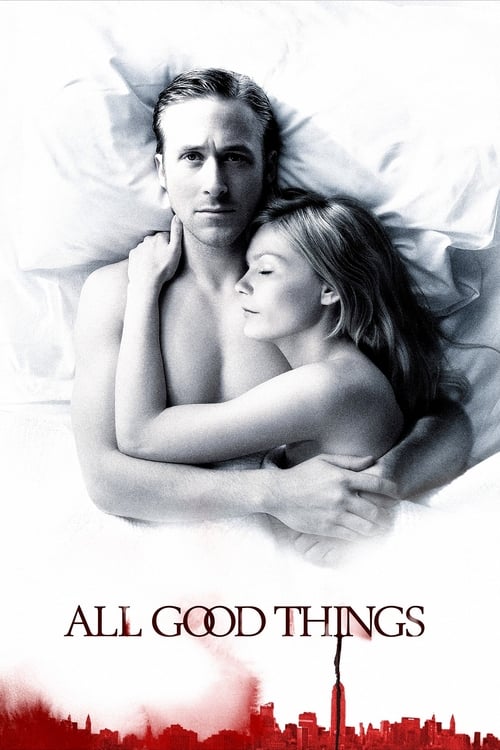
Most people remember Robert Durst from that chilling, hot-mic bathroom confession at the end of The Jinx, but long before he was a true-crime icon, he was the inspiration for a weirdly quiet, hauntingly sad indie film. I remember watching this on a Tuesday night while trying to ignore a leaky faucet in my kitchen—a sound that eventually synced up perfectly with the ticking-clock tension of the movie. It’s a strange experience to watch a film about a living monster, especially when that monster reportedly liked the movie so much he called the director to offer an interview. All Good Things isn't your typical thriller; it’s a tragedy about a woman who wanted a life and a man who was never allowed to have one.
The Heartbeat in the Shadow
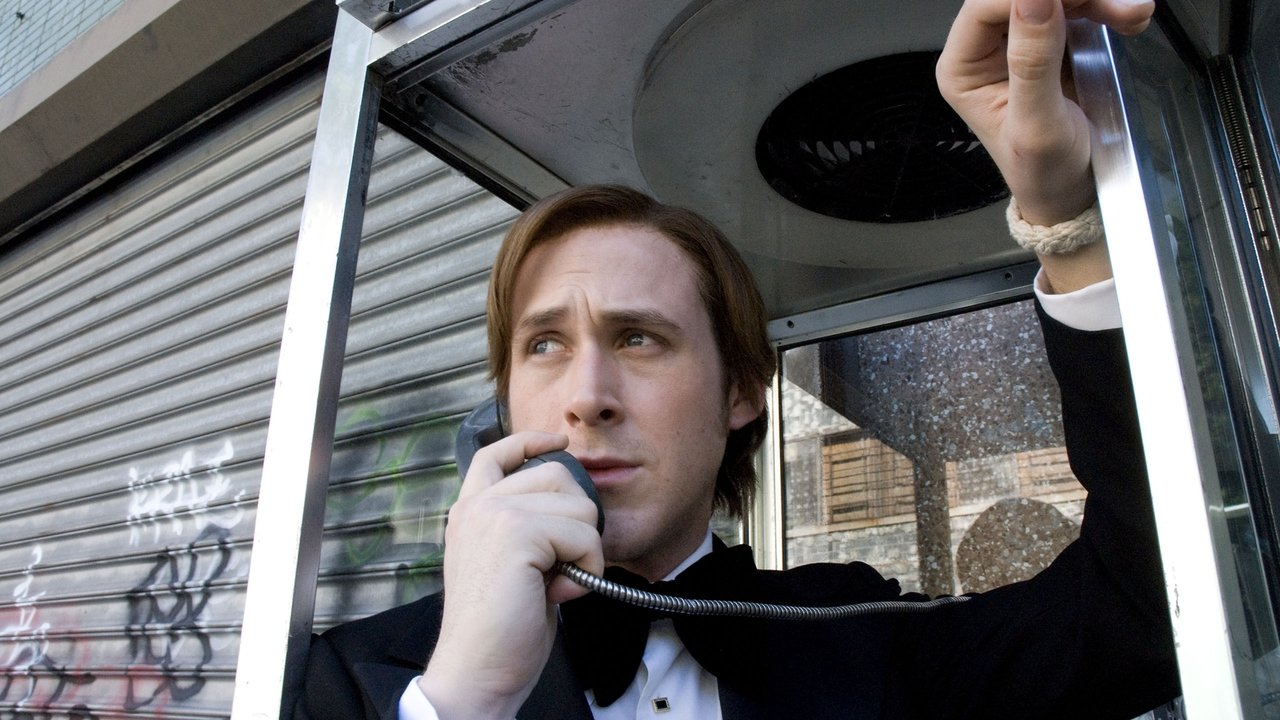
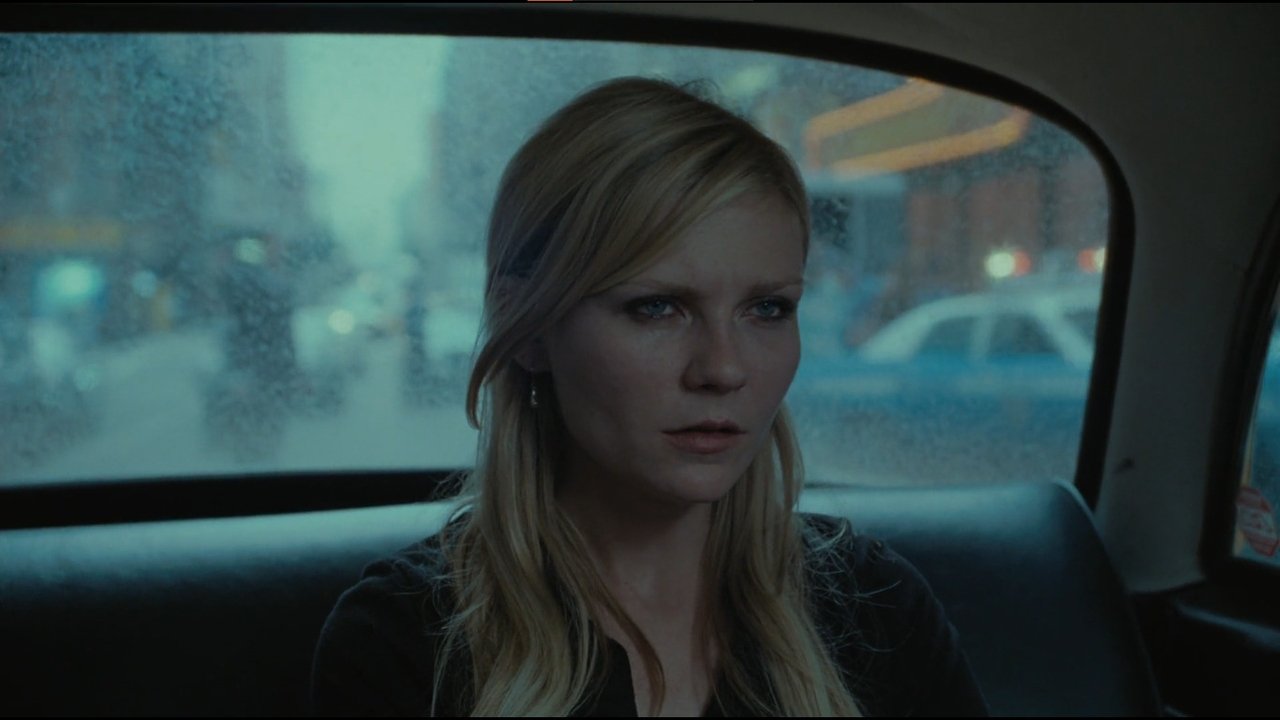
While the marketing might lead you to believe this is a standard whodunit, the first hour is actually a surprisingly tender, albeit doomed, romance. Kirsten Dunst gives one of the most underrated performances of her career as Katie Marks. She brings a grounded, radiant warmth to the screen that makes the eventual cooling of the marriage feel like a genuine loss. When she and Ryan Gosling move to Vermont to open a health food store (the titular "All Good Things"), there’s a brief moment where you think they might actually make it.
I’ve always felt that Kirsten Dunst is the queen of playing characters who are slowly realizing the floor is falling out from under them. Her transition from a vibrant, hopeful bride to a woman trapped in a brownstone nightmare is subtle and devastating. You’re not just watching a "victim" in a crime story; you’re watching a person’s light go out in real-time. It’s the kind of performance that makes you want to reach through the screen and tell her to run before the second act starts.
A Study in Stifled Rage
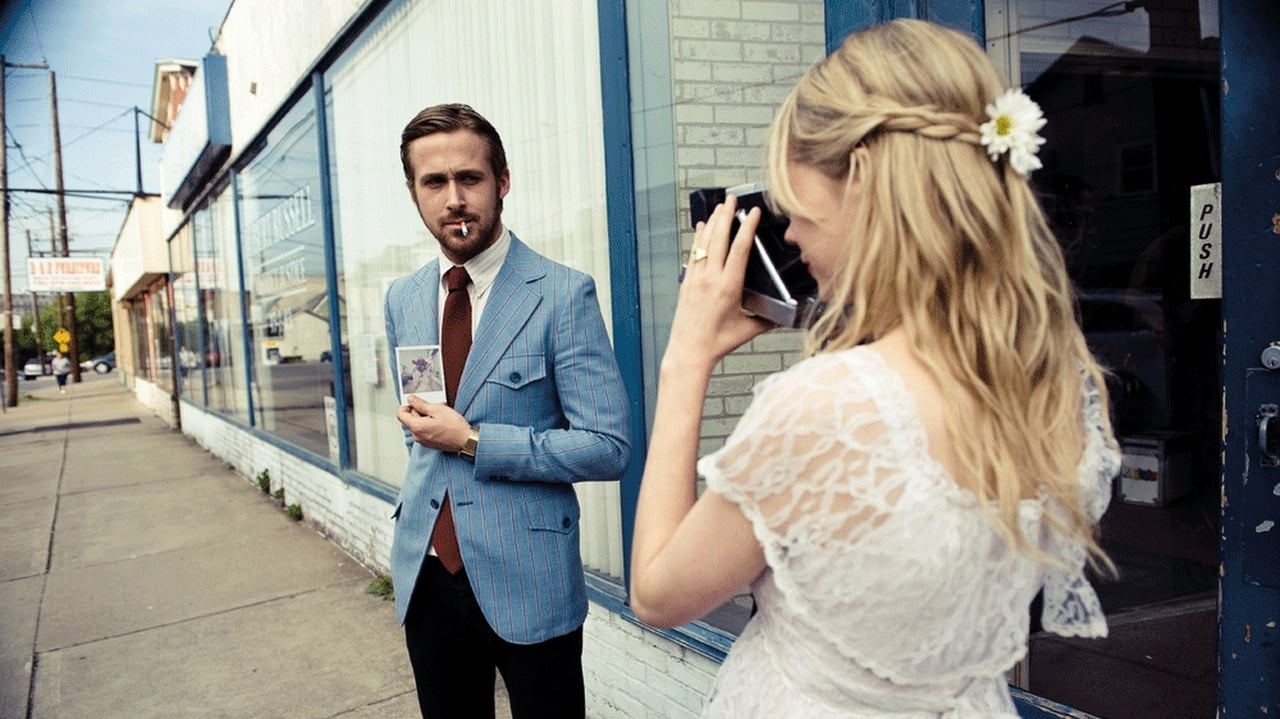
Then there’s Ryan Gosling. In 2010, he was right in the middle of his "quiet, brooding guy" era, sandwiched between Blue Valentine and Drive. As David Marks, he’s doing something incredibly difficult: playing a man who is essentially a void. David is a character defined by what’s missing—a mother’s love, a father’s approval, a stable sense of self. Frank Langella plays the patriarch, Sanford Marks, with a cold, aristocratic menace that makes you understand exactly why David is so broken. Langella looks like he’s ready to fire the entire audience just for breathing too loudly, and his scenes with Gosling are thick with the kind of intergenerational trauma that usually requires a decade of therapy to unpack.
As the film shifts into the 1980s and 90s, things get... weird. The mystery deepens, the disappearances begin, and we eventually see Ryan Gosling in "old man" drag, living in Galveston, Texas, pretending to be a mute woman. It’s here that the film’s modest budget starts to show its seams. The prosthetic makeup on Gosling looks like it was borrowed from a high school production of Driving Miss Daisy, and it threatens to pull you out of the story. Yet, even under those layers of questionable latex, Gosling manages to convey a sense of pathetic, cornered desperation. He’s not a mastermind; he’s a mess.
The Blueprint for the True Crime Boom
Director Andrew Jarecki and producer Marc Smerling were clearly obsessed with this case long before it became a cultural phenomenon. Looking back, All Good Things feels like a rough draft for the modern true-crime era. It’s a narrative film that functions like a documentary, piecing together court records and speculation to fill the gaps in a case that, at the time, was still "unsolved" in the eyes of the law. It’s fascinating to see how the filmmakers used this movie as bait to lure the real Robert Durst into the light.
The film didn't do much at the box office—it barely cleared $1.7 million—and it largely vanished from the public consciousness until The Jinx premiered five years later. It’s a classic "middle-of-the-road" release from that 1990-2014 era: an ambitious, character-driven drama that the studios didn't quite know how to sell. Was it a romance? A horror movie? A legal procedural? It’s a bit of all three, and while that makes for a slightly uneven viewing experience, it also makes it much more interesting than the cookie-cutter thrillers we get today.
The cinematography by Michael Seresin (who shot Harry Potter and the Prisoner of Azkaban) gives the New York scenes a beautiful, grimy texture. You can almost smell the rain and the cigarettes. It’s a film that earns its mood, favoring lingering shots of empty hallways and cold cityscapes over cheap jump scares. Even the supporting cast, including a brief but impactful turn by Lily Rabe as Deborah Lehrman, adds to the sense of a world where everyone is just a little bit compromised.
Ultimately, All Good Things is a haunting piece of "what-if" storytelling. It’s not a perfect movie—the pacing drags in the final third and the makeup is a distraction—but as a character study of a tragedy in slow motion, it’s deeply effective. It captures a specific kind of American upper-class rot that feels both dated and timeless. If you’ve seen the documentaries but never sat down with this dramatization, it’s worth a look just to see Kirsten Dunst remind everyone why she’s a powerhouse. Just don't expect a happy ending; this is a story where the only thing that grows is the silence.

Keep Exploring...
-
Passengers
2008
-
Original Sin
2001
-

Red Riding Hood
2011
-
Broken Flowers
2005
-
Stay
2005
-
The Jacket
2005
-
Inland Empire
2006
-
Awake
2007
-
Cleaner
2007
-
In the Valley of Elah
2007
-
Premonition
2007
-

The Invasion
2007
-

The X Files: I Want to Believe
2008
-
Untraceable
2008
-

A Perfect Getaway
2009
-

The Fourth Kind
2009
-

The International
2009
-
Chloe
2010
-
Edge of Darkness
2010
-
The Losers
2010