Arthur 3: The War of the Two Worlds
"Small heroes, big stakes, and one giant villain."
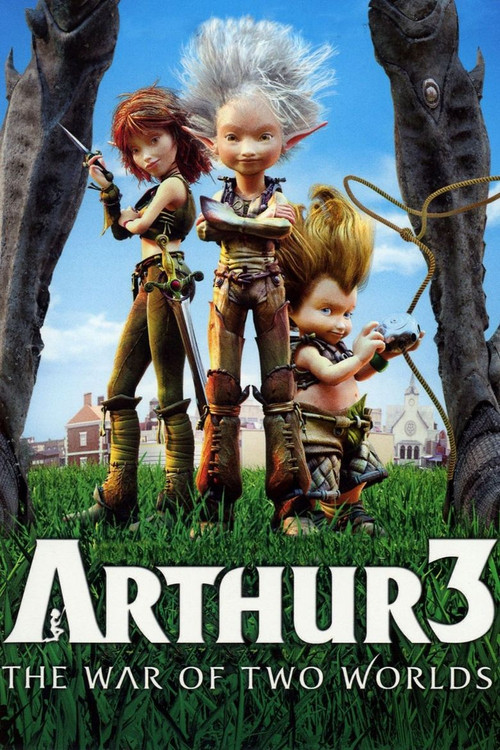
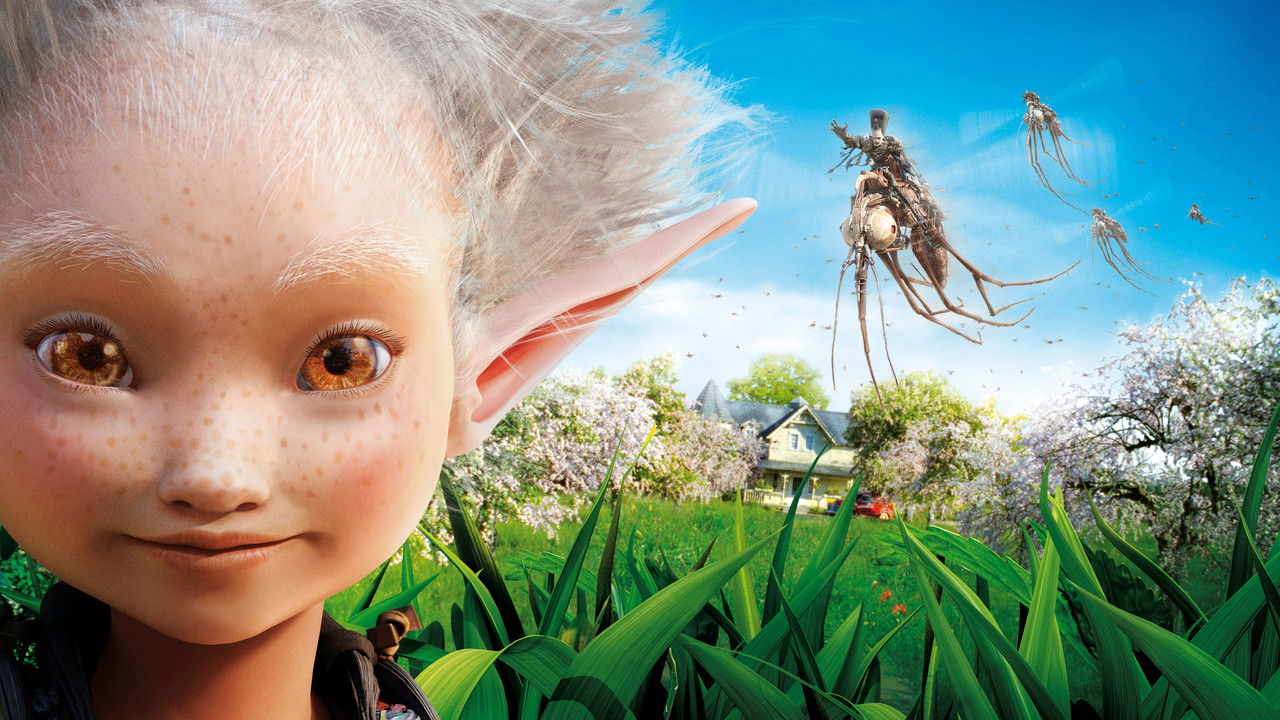
Luc Besson is a man of extremes. This is the director who gave us the gritty hitman chic of Léon: The Professional and the neon-soaked space opera of The Fifth Element. So, how he ended up spending nearly half a decade obsessed with a tiny, white-haired boy living among CG garden sprites remains one of the great cinematic head-scratchers of the late 2000s. I recently revisited the trilogy’s conclusion, Arthur 3: The War of the Two Worlds, while nursing a lukewarm cup of instant coffee that had a suspicious film on top, and I found myself mesmerized by just how bizarre this era of franchise-building truly was.
Honey, I Blown Up the Villain
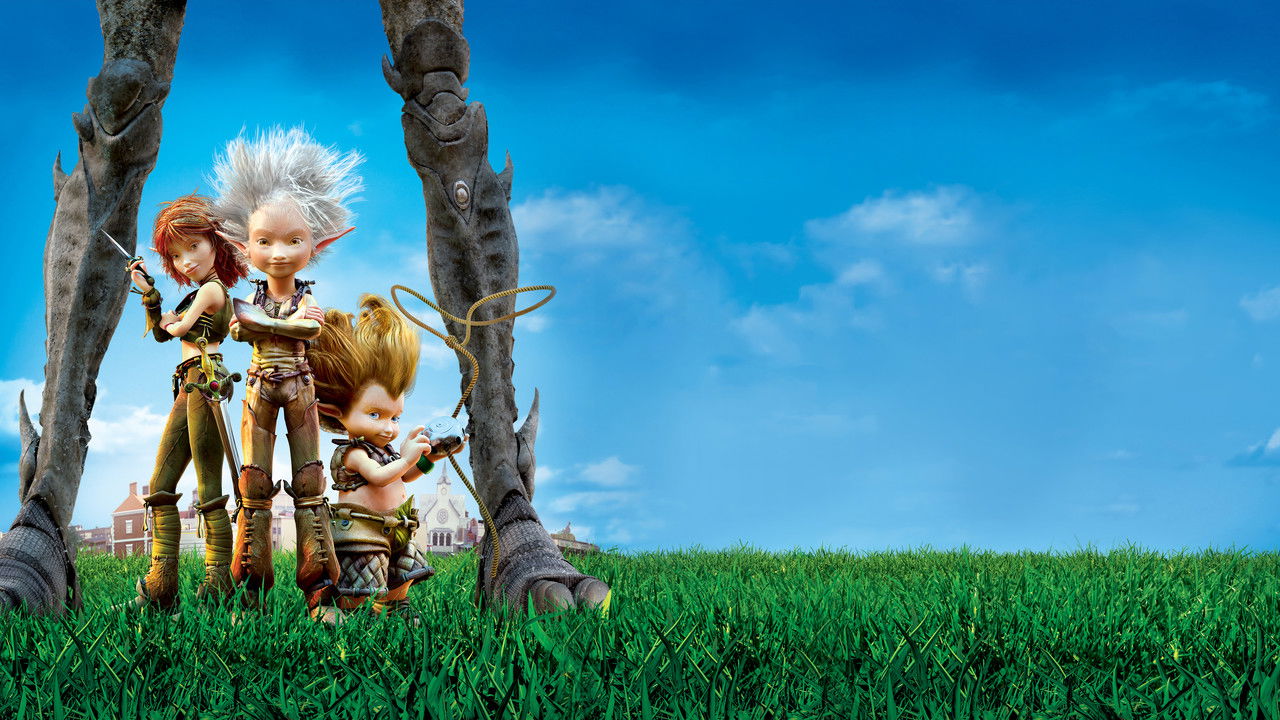
By 2010, the "shrunken hero" trope was well-worn territory, but Besson decided to flip the script for the finale. Instead of keeping the action in the dirt, he brings the villain, Maltazard (voiced here by the legendary Lou Reed, who replaced David Bowie from the first film), into the human world. He’s seven feet tall, looks like a charred marshmallow with a penchant for Napoleonic fashion, and is currently terrorizing a small American town that looks suspiciously like a French backlot.
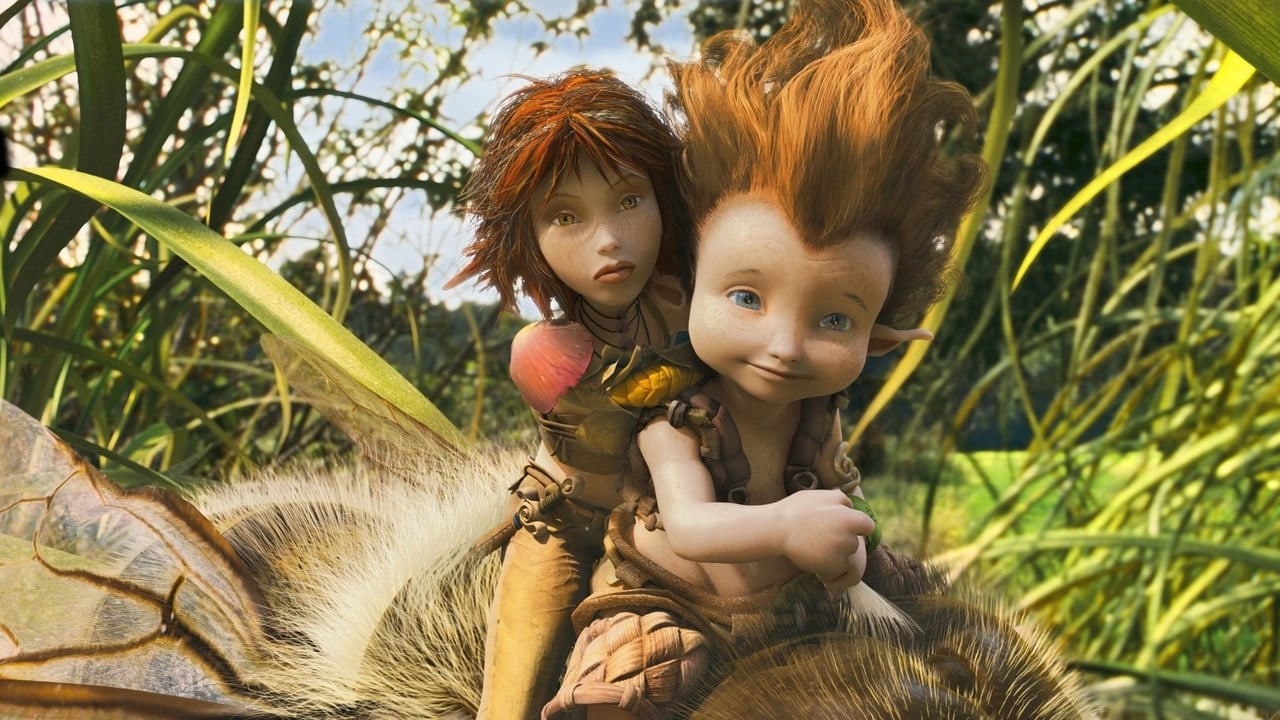
The stakes are ostensibly high, yet the movie maintains a frenetic, almost exhausting energy. Arthur, played by Freddie Highmore during that specific window where he was the go-to "earnest British lad" for every high-concept fantasy (see also: The Spiderwick Chronicles), is stuck in his two-inch form for a good chunk of the runtime. The scale play is where the adventure finds its feet. There’s a genuine sense of peril in a world where a common house cat is a Kaiju and a garden hose is a natural disaster. Besson has always had a keen eye for production design, and even when the script falters, the visual ingenuity of the "Invisibles" world—a mix of organic textures and discarded human junk—is surprisingly tactile.
A French Paradox in the Backyard
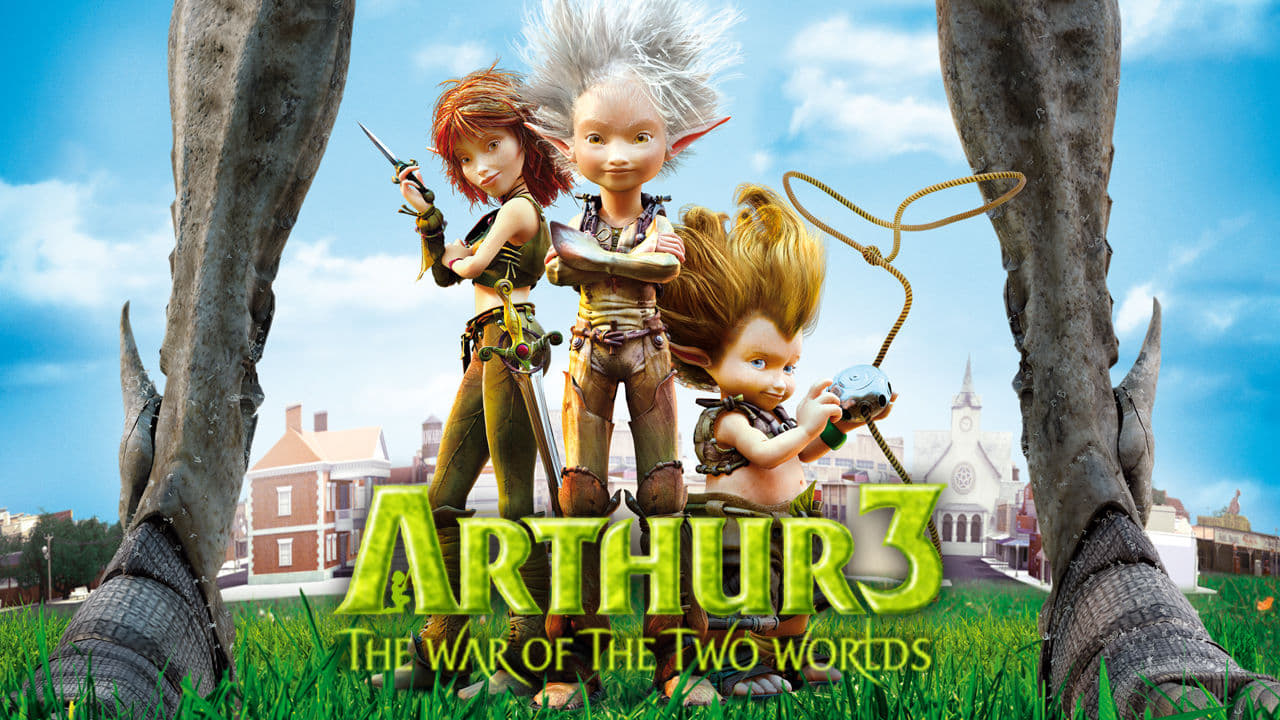
Looking back at the 1990-2014 era, we see the rise of the "Mid-Budget Speculative Franchise." This was a time when studios were desperately trying to find the next Harry Potter or Lord of the Rings, often by raiding European children's literature. Arthur 3 is a fascinating artifact because it feels like a movie caught between two identities. It wants the epic scope of a Hollywood blockbuster but retains the quirky, often grotesque sensibilities of French animation.
Mia Farrow returns as the long-suffering Granny, and Robert Stanton and Penny Balfour play Arthur’s parents with a level of slapstick gurning that feels beamed in from a different century. The human characters act like they’re in a silent comedy while the CGI characters are trying to survive an apocalyptic war. It’s a tonal whiplash that I found oddly charming, even if it’s objectively messy. This was the tail end of the "uncanny valley" era of CGI—just before Avatar moved the goalposts—and there’s a certain nostalgia in seeing these expressive, bug-eyed creatures interact with practical sets.
The CGI Growing Pains
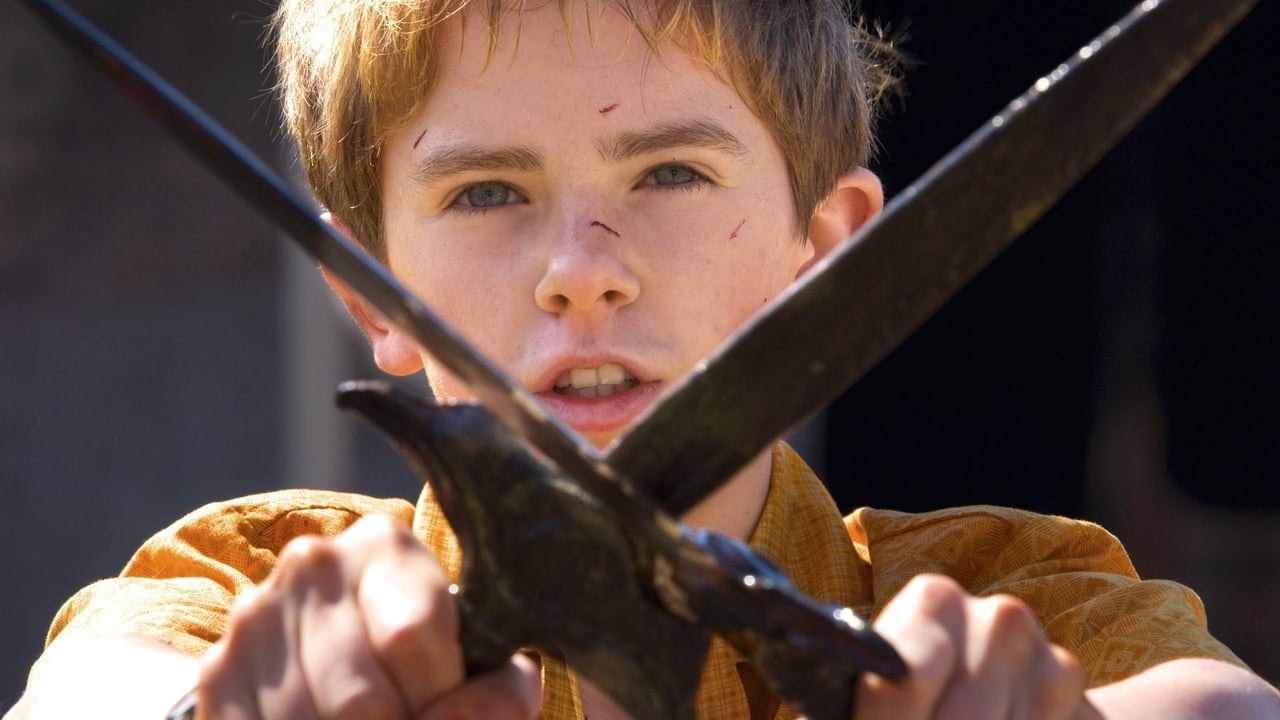
Technically, the film is a time capsule of 2010’s digital capabilities. The blend of live-action and animation was Luc Besson’s big gamble with his studio, EuropaCorp. While the hair physics and lighting don’t hold a candle to modern Pixar, there’s an ambition here that I have to respect. The "War" promised in the title eventually delivers a chaotic battle involving biplanes and giant insects that feels like a dry run for the more polished madness Besson would later unleash in Valerian and the City of a Thousand Planets.
The film was shot back-to-back with the second installment, Arthur and the Revenge of Maltazard, a move that was becoming standard practice for franchises like Pirates of the Caribbean. However, the Arthur series never quite captured the American imagination, relegated to the bargain bins of history while it remained a titan in its native France. It’s a "forgotten" film not because it’s bad, but because it’s so specific to Besson’s idiosyncratic vision of what a "family adventure" should look like—which, as it turns out, involves a lot more bug-riding and Lou Reed-voiced villains than most US audiences were prepared for.
Ultimately, Arthur 3: The War of the Two Worlds is the cinematic equivalent of a weird toy you find at a flea market: you’re not sure why someone made it, but you can’t stop looking at the craftsmanship. It’s too loud for some, too strange for others, and the plot has all the structural integrity of a wet croissant, but it’s never boring. If you’re a fan of Besson’s visual flair or just want to see Freddie Highmore navigate the dangers of a suburban lawn, it’s a journey worth taking exactly once. It marks the end of an era where a director could get seventy million dollars to play in his own backyard with a cast of digital elves, and for that alone, I’m glad it exists.
Keep Exploring...
-

Arthur and the Revenge of Maltazard
2009
-
Arthur and the Invisibles
2006
-

The Ant Bully
2006
-
Shrek the Halls
2007
-
The Extraordinary Adventures of Adèle Blanc-Sec
2010
-

The Swan Princess
1994
-
Shrek the Third
2007
-
Shrek Forever After
2010
-
The Smurfs
2011
-
The Messenger: The Story of Joan of Arc
1999
-
Tinker Bell and the Great Fairy Rescue
2010
-
The Tale of Despereaux
2008
-
Race to Witch Mountain
2009
-

Yogi Bear
2010
-
Tinker Bell
2008
-
Tarzan II
2005
-
Valiant
2005
-
Brother Bear 2
2006
-
Tales from Earthsea
2006
-
TMNT
2007