Biutiful
"Death is only the beginning of the work."
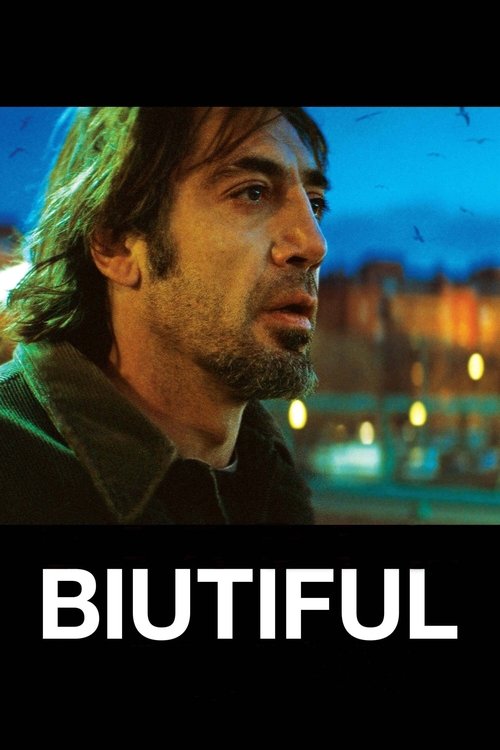
Most people think of Barcelona and see Gaudí’s swirling architecture or sun-drenched tapas bars, but Alejandro González Iñárritu decided to film the parts where the trash doesn't get picked up and the sunlight feels like an intrusion. I first watched this on a slightly scratched DVD I bought at a garage sale for two dollars, which felt oddly appropriate given how much of the movie deals with the value of things—and people—that society has cast aside. I watched it while wearing a pair of incredibly itchy wool socks that I couldn't take off because my apartment’s heater was broken, and that persistent physical discomfort felt like a 4D supplement to the protagonist's struggle.
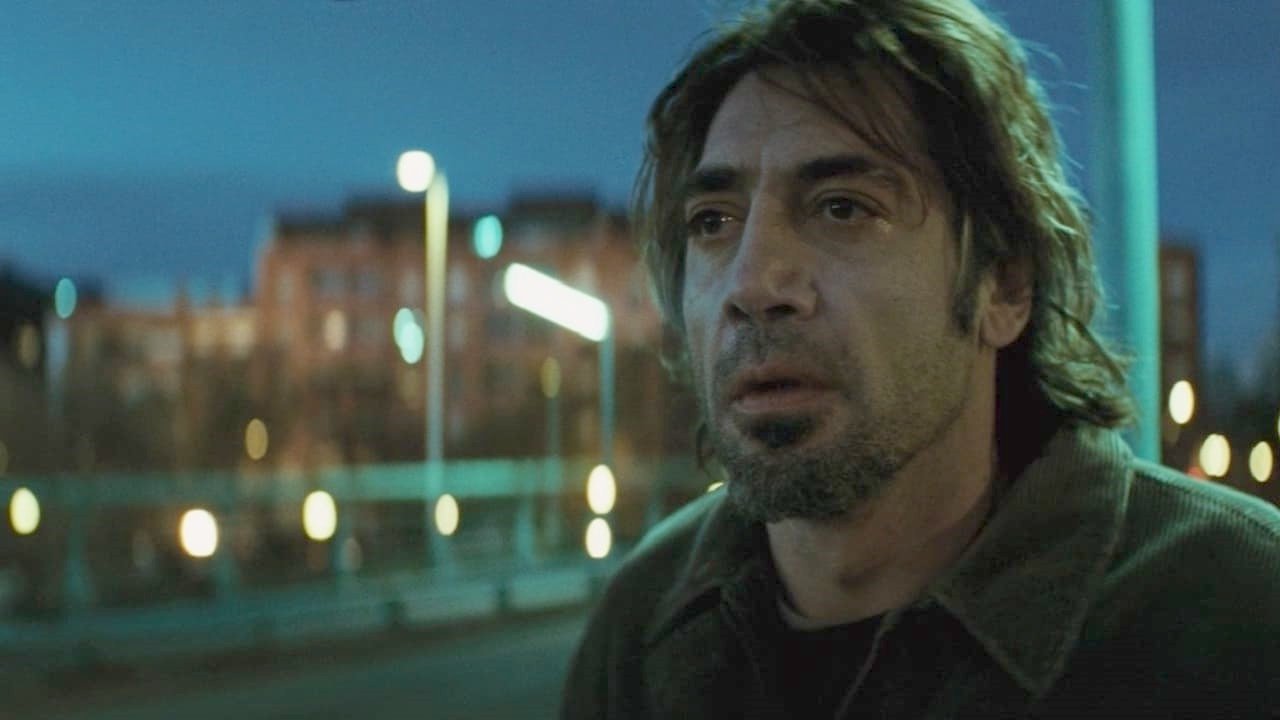
Biutiful isn't a vacation; it’s a funeral march that manages to find a weird, haunting melody along the way. It arrived in 2010, right at the tail end of that era where "prestige drama" meant something deeply gritty and relentlessly demanding. This was Iñárritu’s first feature after splitting from his long-time writing partner Guillermo Arriaga, and you can feel him trying to prove he could tell a linear, soul-crushing story without the "puzzle-box" narrative structure of Amores Perros (2000) or Babel (2006).
The Gravity of Javier Bardem
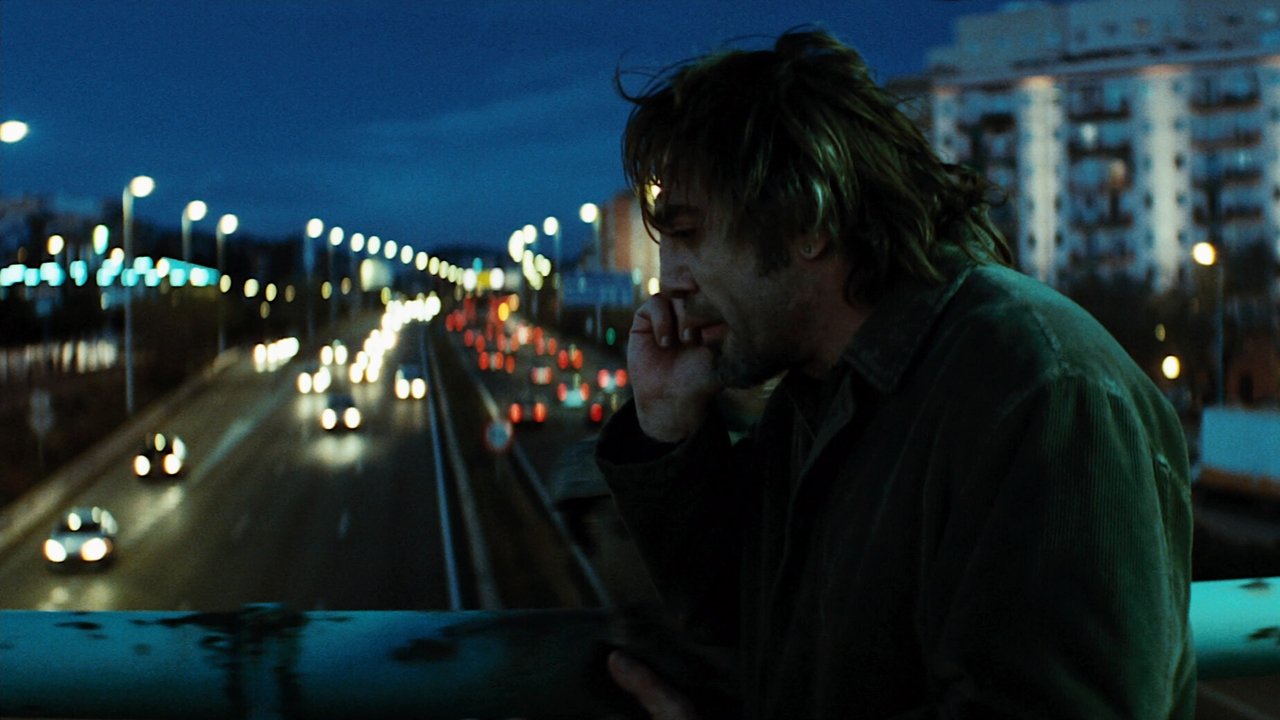
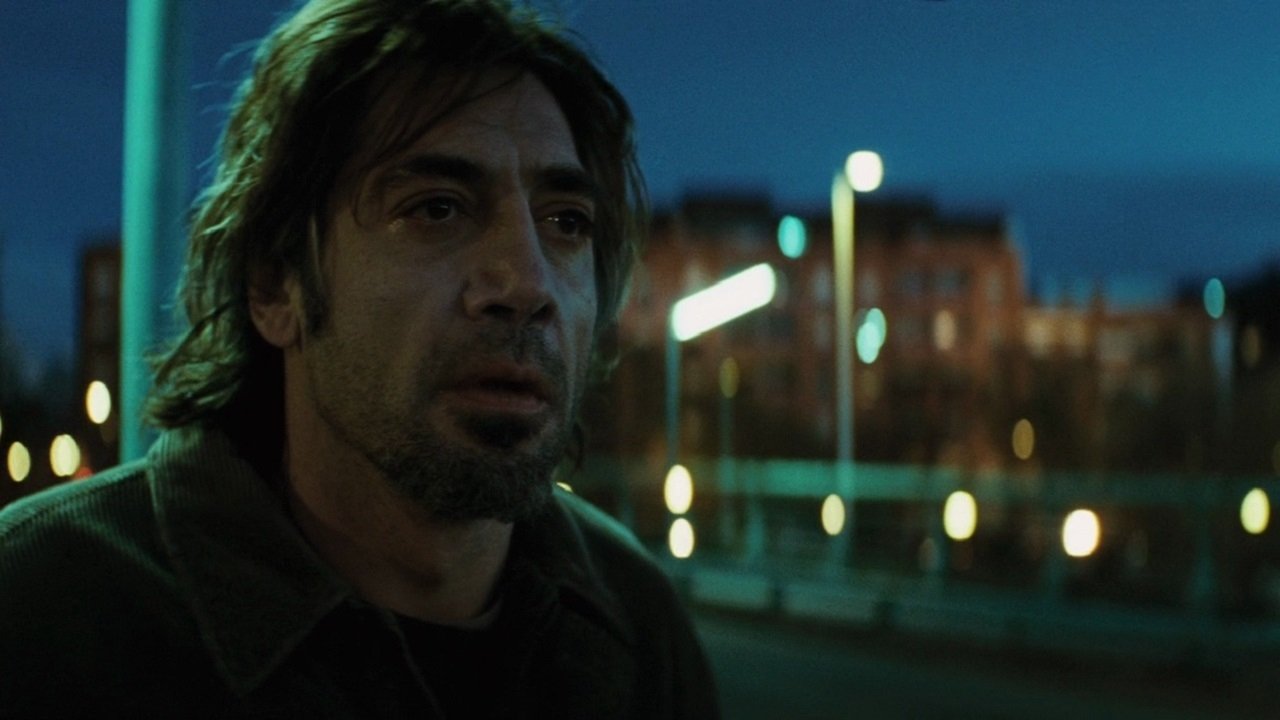
At the center of this wreckage is Uxbal, played by Javier Bardem in a performance that feels less like acting and more like a slow-motion collapse. Uxbal is a man balancing a dozen spinning plates, all of them made of lead. He’s a single father, a middleman for illegal immigrant labor, and—just to make things interesting—he can see and speak to the recently deceased. When he’s diagnosed with terminal prostate cancer, the film becomes a frantic race to secure a future for his children before his own clock runs out.
Javier Bardem has this incredible ability to look like he’s carrying the literal weight of the planet on his shoulders. Even his hair looks tired. He’s a criminal, sure, but he’s a criminal with a moral code that’s being shredded by necessity. Watching him navigate his relationship with his bipolar ex-wife, Marambra (Maricel Álvarez), is genuinely difficult. Maricel Álvarez is terrifyingly good here; she captures that unpredictable, frantic energy of someone who loves her children but is fundamentally incapable of providing the stability they need. The scenes where they attempt to play house are more suspenseful than most 2010s horror movies.
A Grime-Streaked Ghost Story
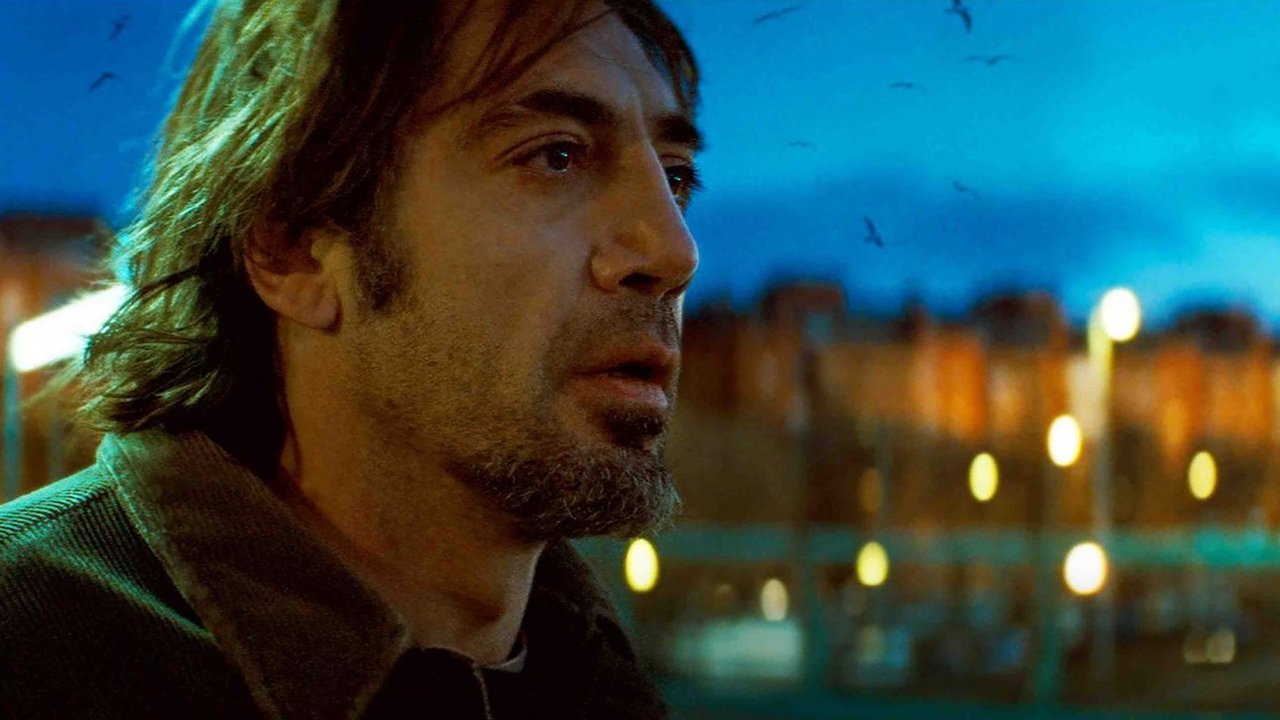
What's fascinating about Biutiful is how it treats the supernatural. In many 2010 films, seeing ghosts would be a "jump scare" mechanic. Here, the spirits of the dead are just another part of the urban decay. They huddle on the ceilings of dingy apartments like stains. Iñárritu and cinematographer Rodrigo Prieto (who also shot The Wolf of Wall Street and Brokeback Mountain) use a handheld, shaky aesthetic that makes the spiritual elements feel as tactile and dirty as the crowded basements where Chinese immigrants are forced to sleep.
The film captures a specific anxiety of the late 2000s—the dark side of globalization. We see the exploitation of African street vendors and Chinese sweatshop workers not as a political lecture, but as the oxygen Uxbal breathes. It’s a messy, complicated web of survival. Apparently, the production was so intense that Javier Bardem ended up with a herniated disc from the physical demands of the role, and looking at his posture throughout the film, you can believe it. The man was literally breaking for the craft.
The Beauty in the Misspelling
The title comes from a scene where Uxbal’s daughter, Ana (Hanaa Bouchaib), shows him a drawing and spells the word phonetically: "Biutiful." It’s a small, heartbreaking detail that highlights the gap between the world Uxbal wants for his kids and the harsh reality they inhabit. By 2010, we were starting to see the rise of the slick, digital "content" era, but this film feels like a holdout of the analog spirit. It’s textured, grainy, and deeply human.
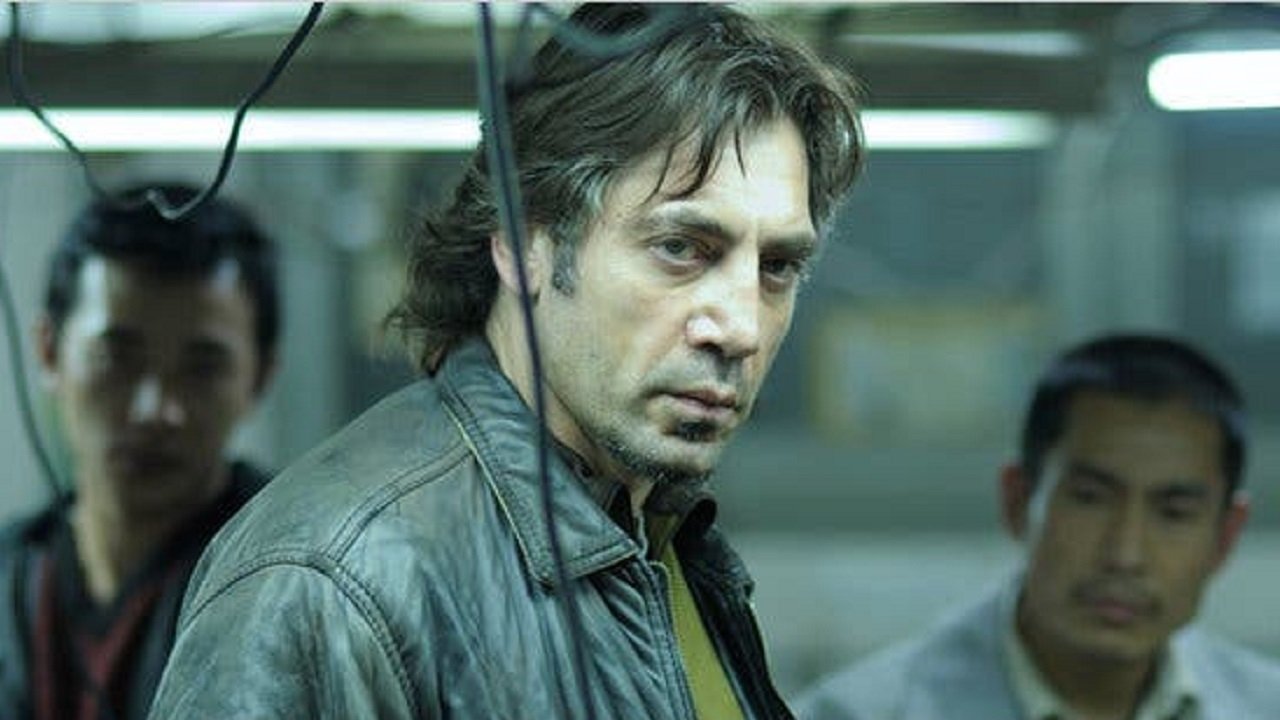
I’ve heard people complain that this movie is "poverty porn" or too relentlessly miserable. I disagree. If you think this movie is too sad, you’re probably just uncomfortable with how well it captures the feeling of being broke. There is a profound empathy in the way Iñárritu follows Uxbal. He isn't a hero, but he is a father, and the film earns its emotional beats by refusing to give him—or us—an easy out. The score by Gustavo Santaolalla (who later did The Last of Us) is sparse and haunting, using a Ronroco guitar to create a soundscape that feels like it’s vibrating at the frequency of grief.
Biutiful is a heavy lift, but it’s one that stays with you long after the credits roll. It’s a reminder of a time when world cinema was pushing into the dark corners of the modern city with both a camera and a prayer. It captures the transition of the 2000s into the 2010s perfectly—a world that was becoming more connected but feeling more isolated than ever. If you have two and a half hours to spare and don't mind feeling like your heart has been through a blender, it’s a journey worth taking. Just make sure your socks aren't itchy.
Keep Exploring...
-
Birdman or (The Unexpected Virtue of Ignorance)
2014
-
Babel
2006
-
Amores Perros
2000
-
21 Grams
2003
-
The Sea Inside
2004
-
The Revenant
2015
-
Instructions Not Included
2013
-
A Bittersweet Life
2005
-
A Lot Like Love
2005
-
Broken Flowers
2005
-
Caché
2005
-
Capote
2005
-

Casanova
2005
-

Goal!
2005
-
Good Night, and Good Luck.
2005
-

Ice Princess
2005
-
Joyeux Noel
2005
-
Lady Vengeance
2005
-
Oliver Twist
2005
-

Revolver
2005