Black Death
"God has left the building."
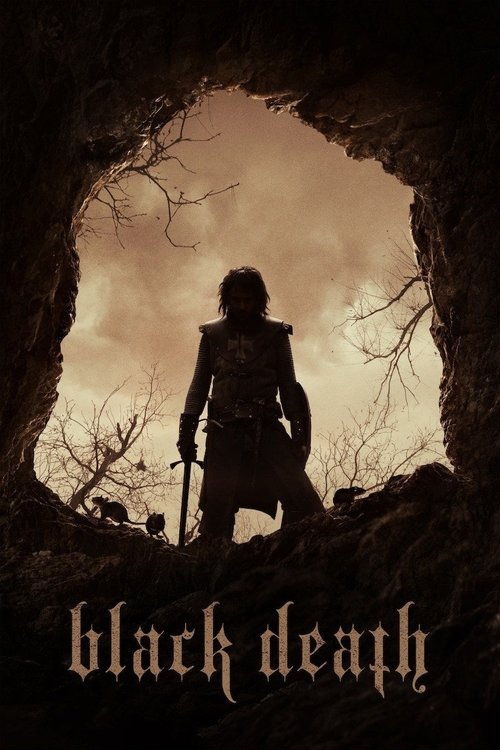
I can’t look at a puddle of mud without thinking of Black Death. I watched this film for the first time on a rainy Tuesday while trying to knit a scarf that ended up looking like a soggy dishrag, and honestly, that frayed, grey mess was the perfect accessory for the experience. Directed by Christopher Smith, this is a movie that you don't just watch; you sort of endure it, emerging on the other side feeling like you’ve been dragged through a 14th-century hedge backwards.
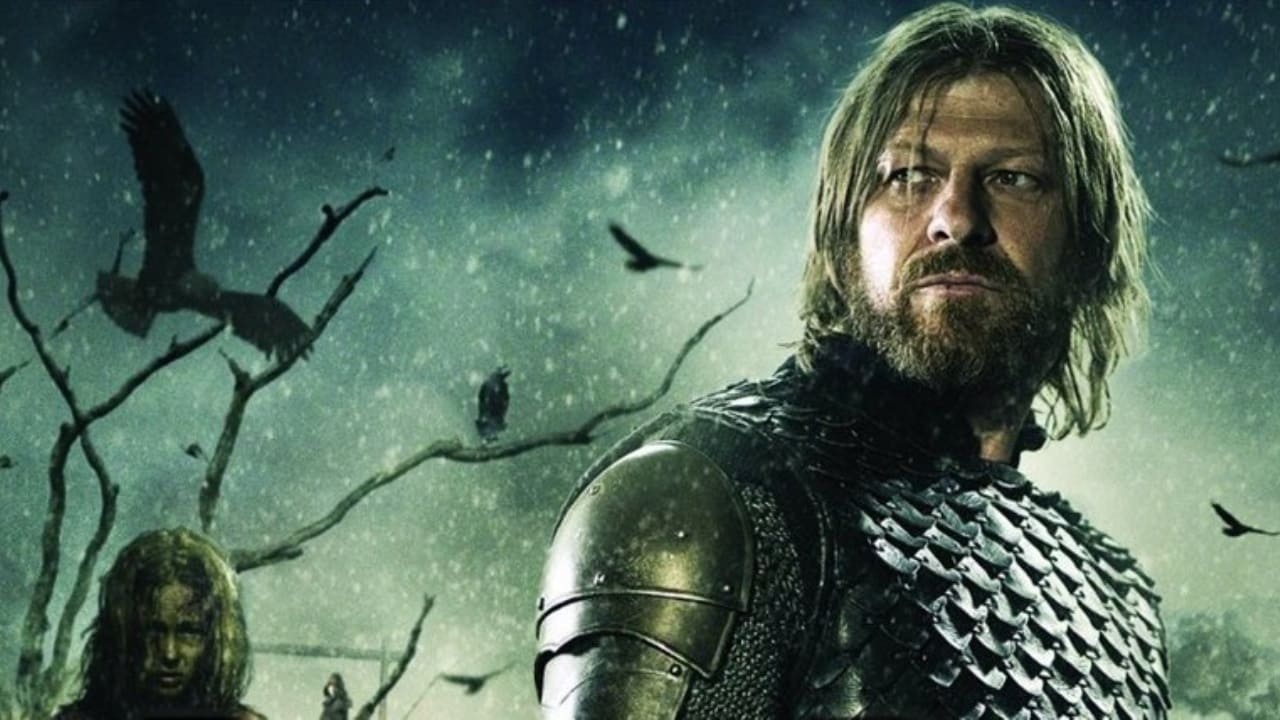
Released in 2010, Black Death arrived at a strange crossroads in cinema. We were moving away from the polished, epic sweep of the Lord of the Rings era and entering a period of "grimdark" realism. While big studios were busy airbrushing their medieval fantasies, Smith—the guy who gave us the brilliant, looping slasher Triangle—decided to go the other way. He went for the grime. He went for the smell. You can practically smell the wet wool and the rotting livestock through the screen.
Mire, Misery, and the Middle Ages
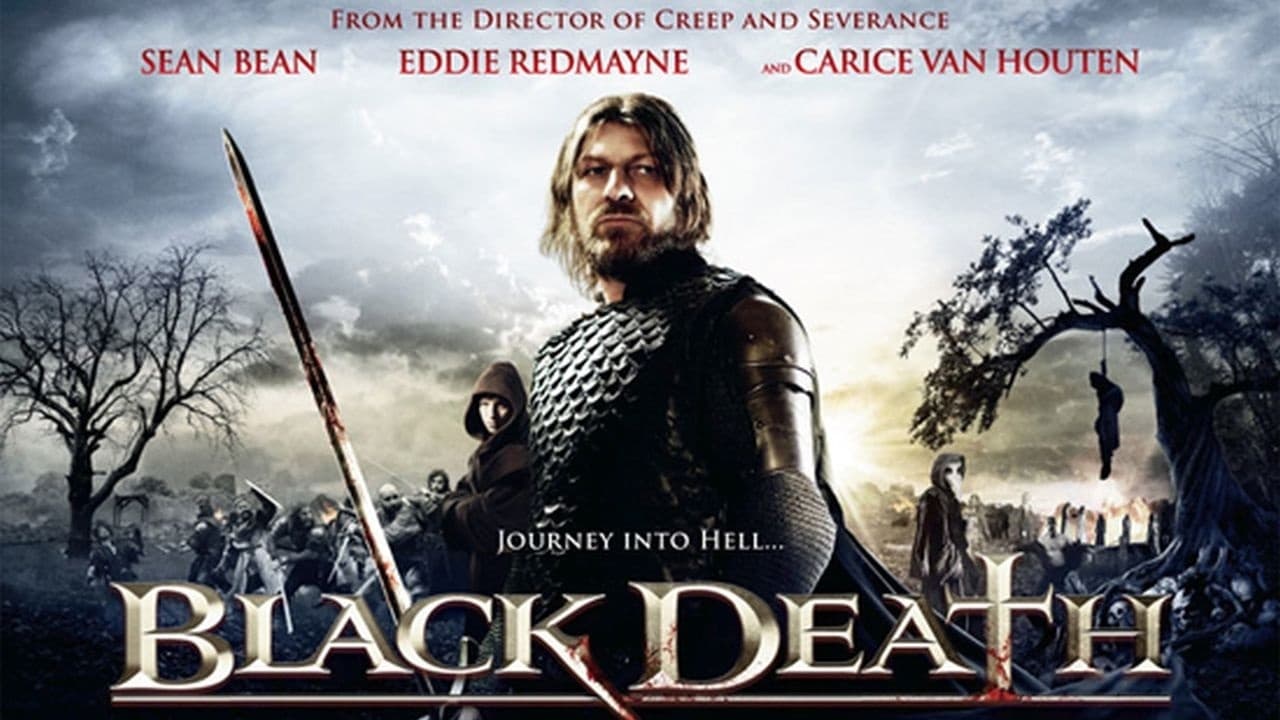
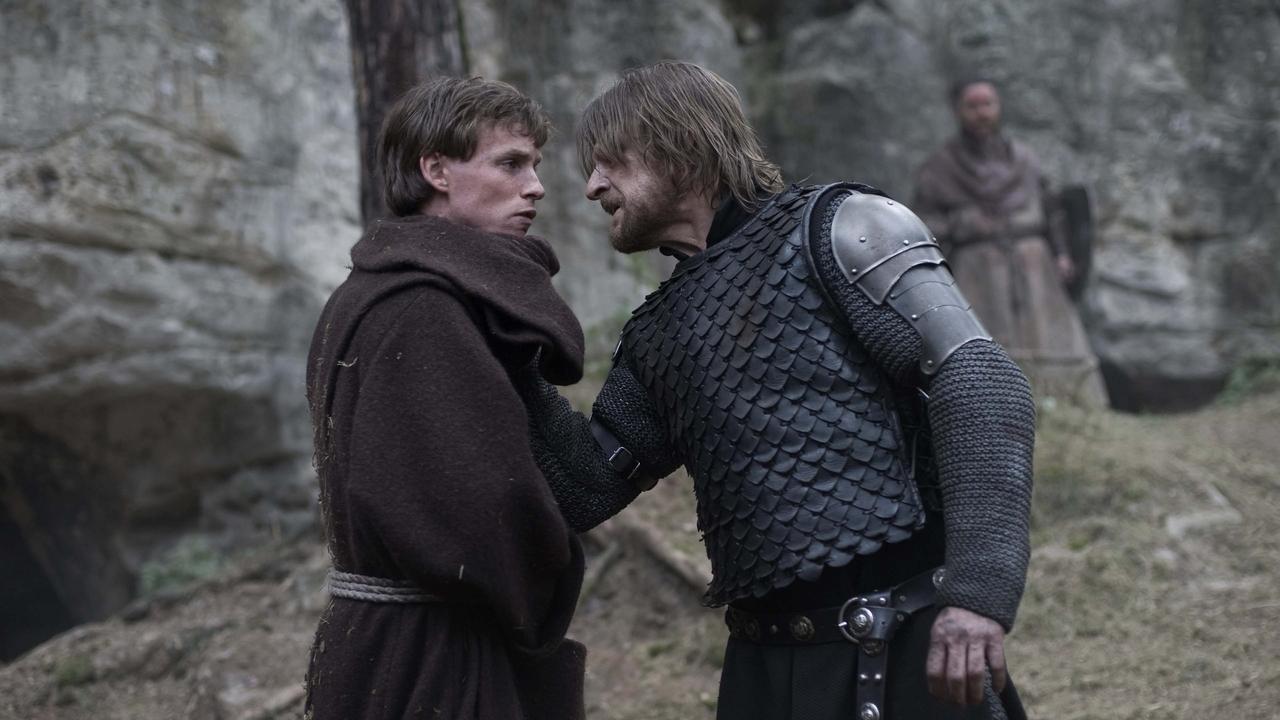
The setup is deceptively simple. It’s 1348, and the bubonic plague is treating Europe like an all-you-can-eat buffet. Eddie Redmayne plays Osmund, a young monk who is hopelessly in love with a girl named Averill (Kimberley Nixon). To escape the monastery and find her, he joins a group of fundamentalist knights led by Ulric, played by a gruff, weary Sean Bean. Their mission is a holy hit-job: rumors say a remote village remains untouched by the plague because a necromancer there is bringing the dead back to life.
What I love about this era of filmmaking is how it handled the transition from practical effects to digital. While 2010 gave us some truly questionable CGI in big-budget films, Black Death leans heavily on the physical. The gore is wet and heavy, the armor looks like it weighs eighty pounds, and Sean Bean’s haircut looks like it was managed by a very stressed sheep. It’s that post-9/11 cynicism applied to history; there’s no glory here, just survival and the terrifying things people do when they think God has stopped answering their prayers.
A Trio of Icons Before They Were Icons
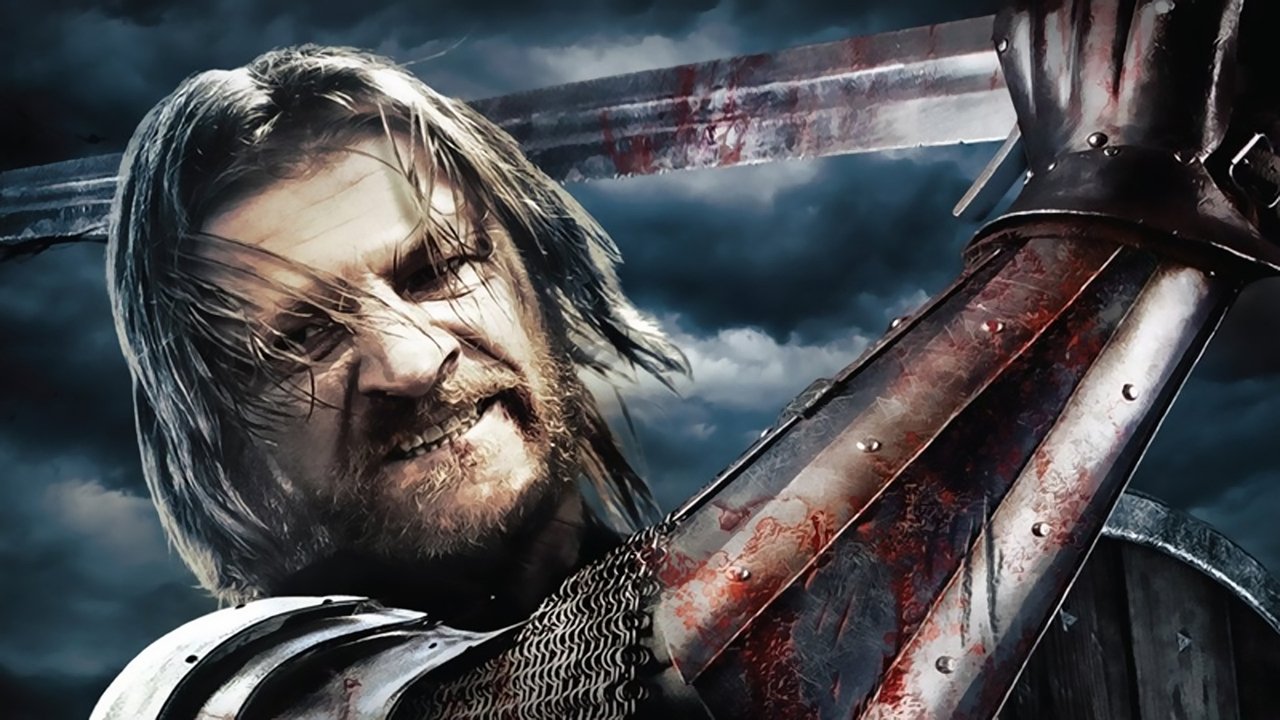
Looking back at the cast is a trip. This was "Before They Were Famous" for several heavy hitters. You have a pre-Oscar Eddie Redmayne doing what he does best: looking perpetually worried and vaguely damp. Then there’s Carice van Houten as Langiva, the leader of the mysterious village. If you only know her as Melisandre from Game of Thrones, you’ll see the seeds of that performance here, but stripped of the high-fantasy gloss. She is chillingly grounded.
Then, of course, there is Sean Bean. By 2010, the "Sean Bean always dies" meme was already in full swing, and Black Death plays with that expectation beautifully. Ulric is a man so blinded by his faith that he’s arguably more dangerous than the plague he’s running from. John Lynch and Tim McInnerny round out a supporting cast that makes every scene feel lived-in and dangerous. There’s a specific kind of British character actor who just looks like they were born to stand in a cold forest and scream about heresy, and this movie has all of them.
The Horror of Human Certainty
Is it a horror movie? Yes, but not in the way you’d expect. There are no jump scares or CGI monsters lurking in the woods. The horror is purely atmospheric and psychological. It’s about the terrifying vacuum left behind when society collapses. The film expertly balances the supernatural with the mundane—are these people actually raising the dead, or is it just the fever dreams of a desperate population?
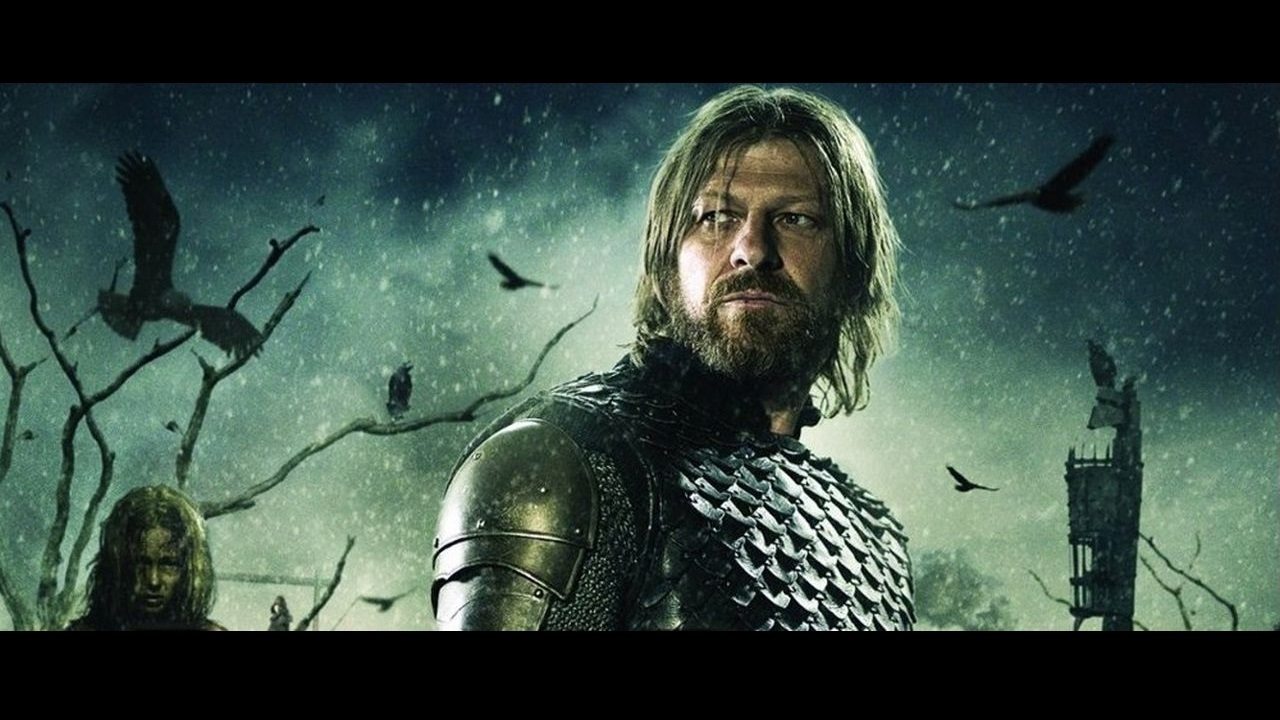
The movie treats the Black Plague like a slasher villain that you can’t outrun or stab. That sense of impending doom is where the "Modern Cinema" era thrived, reflecting a global anxiety that felt very real in the late 2000s. It’s a movie about the "other"—the fear of people who don't believe what you believe. When the group finally reaches the village, the shift from a road-trip thriller to a cult-horror nightmare is handled with surgical precision.
This film was a total ghost at the box office, earning less than $400,000. It vanished almost immediately, likely because it was too bleak for the general public and too "historical" for the horror crowd. But in the years since, it has become a staple for those who like their history served with a side of existential dread. It’s a "DVD era" classic—one of those movies you’d find in a bargain bin, take home on a whim, and then find yourself thinking about for three weeks.
Black Death is a beautifully shot, relentlessly grim exploration of what happens when faith turns into a weapon. It doesn't offer easy answers or a feel-good ending, but it does offer a masterclass in atmosphere and a reminder that humans are often much scarier than any supernatural entity. If you’re in the mood for something that makes you appreciate your modern plumbing and lack of religious inquisitions, give it a spin. Just maybe don't eat any pepperoni pizza while you're watching the bubonic boil scenes.
Keep Exploring...
-
Elizabeth: The Golden Age
2007
-
The Devil's Rejects
2005
-
The New World
2005
-
Flags of Our Fathers
2006
-

Inland Empire
2006
-
Invincible
2006
-
The Good Shepherd
2006
-
World Trade Center
2006
-

Charlie Wilson's War
2007
-
In the Valley of Elah
2007
-
Defiance
2008
-
The Duchess
2008
-
Untraceable
2008
-
Agora
2009
-
Carriers
2009
-

Coco Before Chanel
2009
-
The Last House on the Left
2009
-

Triangle
2009
-
The Way Back
2010
-
Take Shelter
2011