Black Swan
"Perfection has a bloody price."
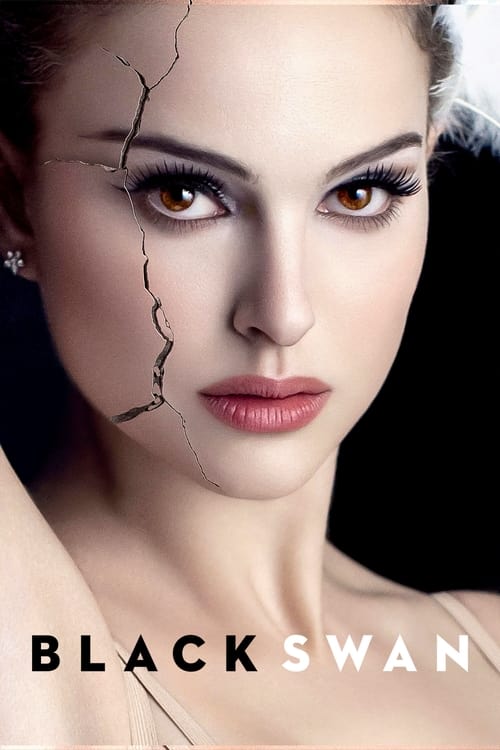
The first time I sat through the closing credits of Black Swan, I realized I’d been gripping my armrests so hard my knuckles were white. It’s a movie that doesn't just ask for your attention; it demands your nervous system. By the time the screen went black, I felt like I’d just finished a twelve-round boxing match, which is fitting considering Darren Aronofsky originally envisioned this as a companion piece to his previous film, The Wrestler (2008). While that movie was about the meat-grinder of professional wrestling, this is about the psychic shredder of high-stakes ballet. I watched this again recently on a laptop while nursing a lukewarm cup of peppermint tea that had a weird oily film on top, and honestly, that murky tea felt like a perfect companion to the onscreen rot.
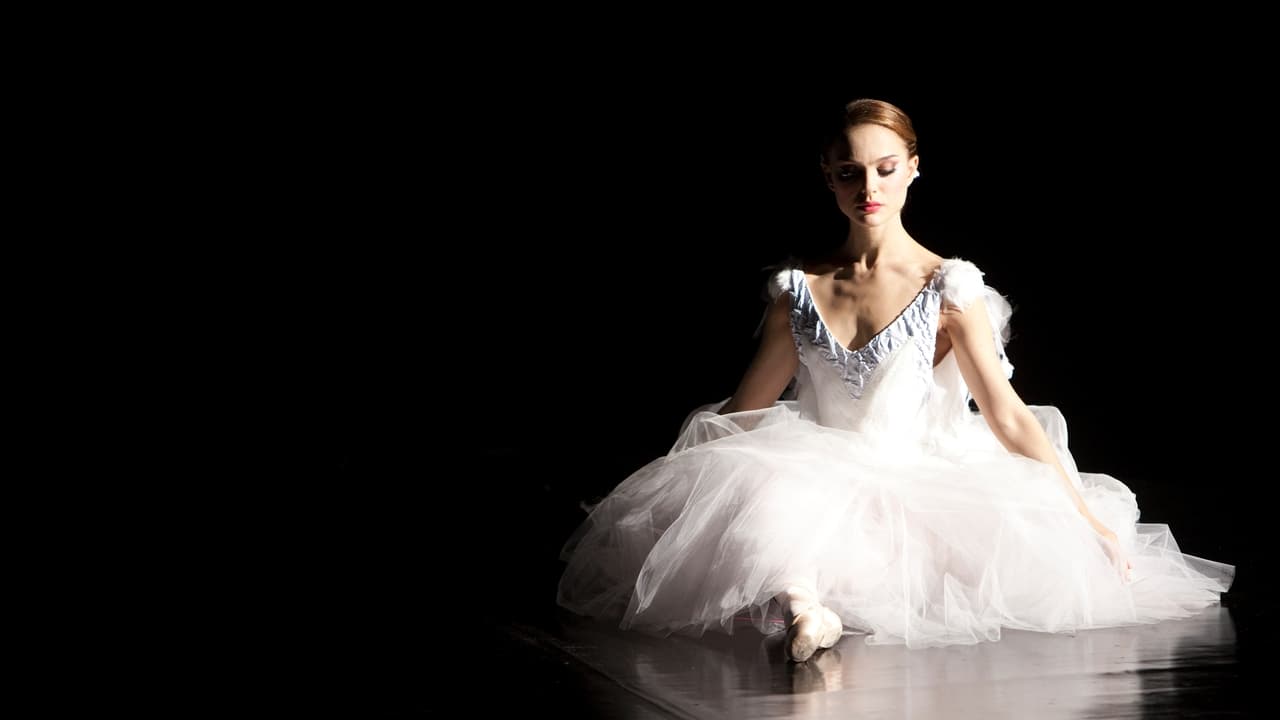
The Grime Beneath the Tutu
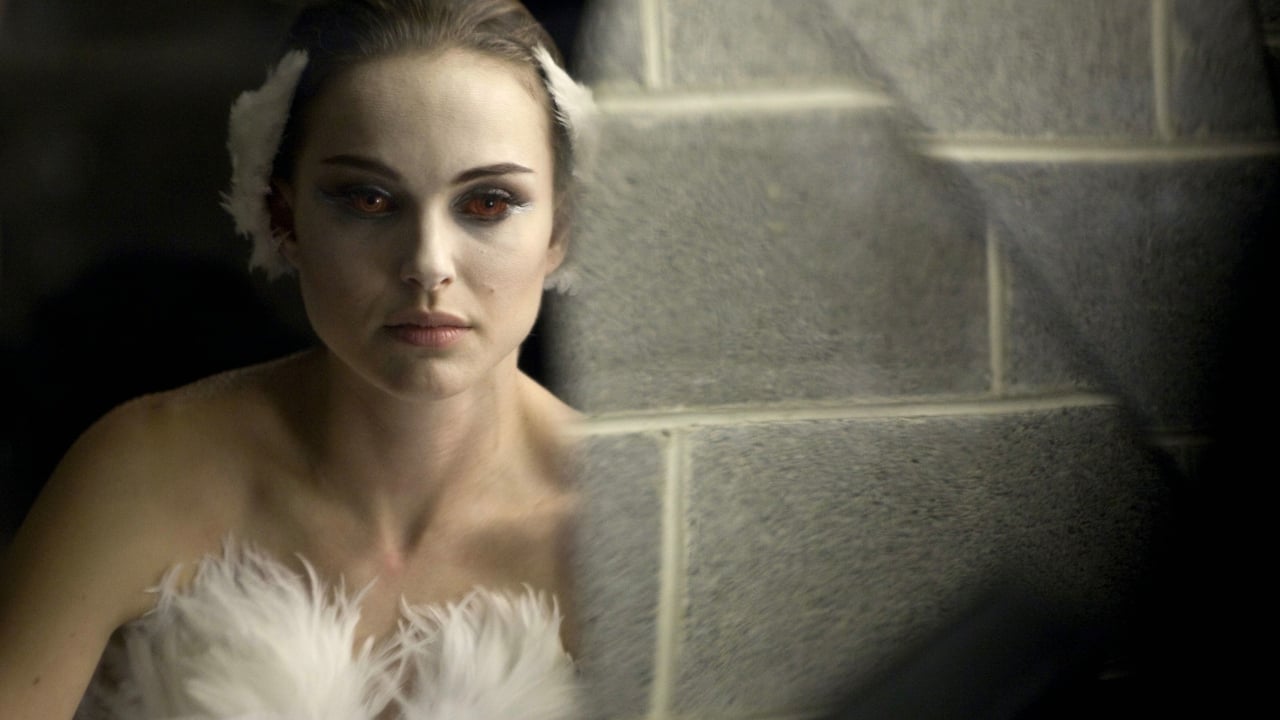
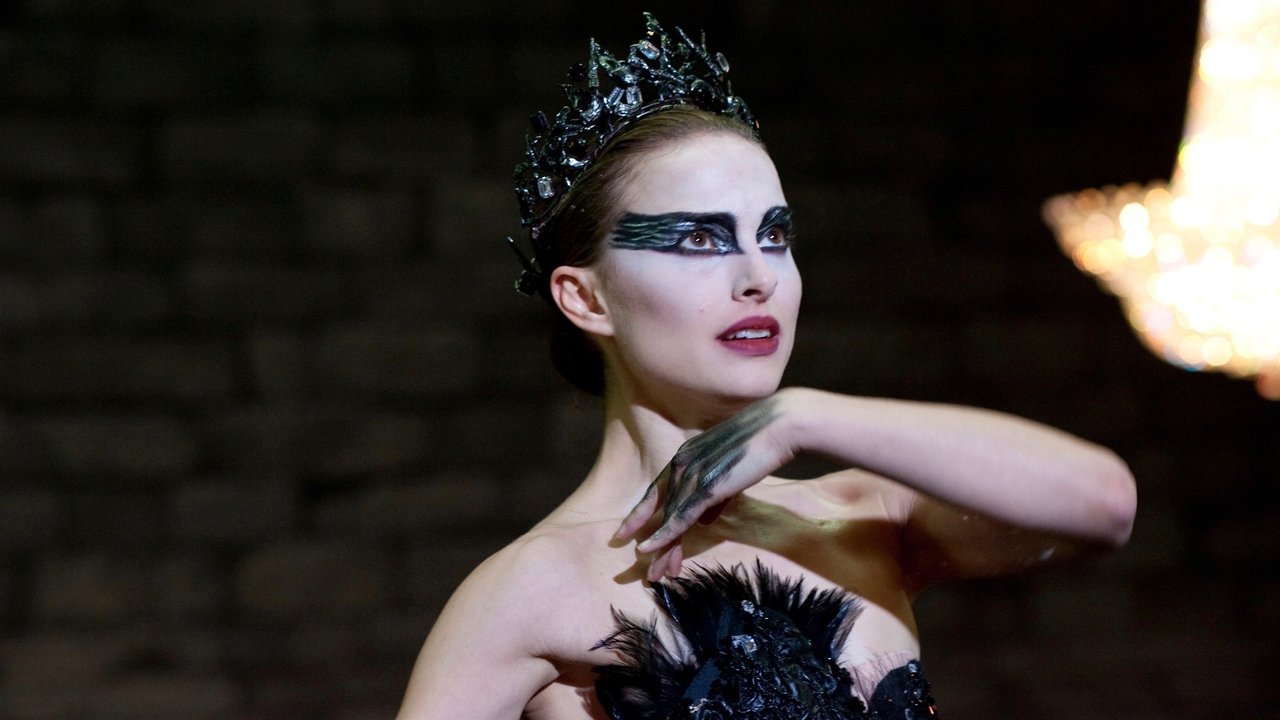
Most films about the arts treat the stage as a place of transcendence. Aronofsky treats it like a crime scene. We follow Nina Sayers—played by Natalie Portman in a performance that redefined "commitment"—as she lands the dual role of the White and Black Swan in a new production of Swan Lake. Nina is a technical marvel but an emotional void, a girl-woman living in a pink-hued bedroom that feels more like a velvet-lined coffin, overseen by her smothering mother, Erica (Barbara Hershey).
The horror here isn't found in jump scares, but in the sound of cracking joints and the sight of peeling skin. The sound design is a quiet MVP; every time Nina stretches, you hear the groan of wood and the snap of sinew. It’s "body horror" in the most literal sense. Nina’s transformation into the Black Swan isn't just a psychological break; it’s a physical haunting. When she starts finding mysterious scratches on her back or seeing her reflection move a second too late, the movie pivots from a drama about ambition into a full-blown descent into madness. Nina’s mother is basically a horror movie villain who just happens to bake "pretty" pink cakes, and her presence turns their cramped apartment into a claustrophobic pressure cooker.
The 2010 Indie Juggernaut
Looking back from the 2020s, it’s wild to remember how much of a cultural moment Black Swan was. This was a $13 million R-rated psychological thriller about ballet, yet it pulled in over $300 million worldwide. It was the ultimate "watercooler movie" of the transition era between the DVD boom and the streaming age. It captured that 2010 energy where "gritty" was the ultimate compliment, but it applied that grit to a world usually reserved for glitter and silk.
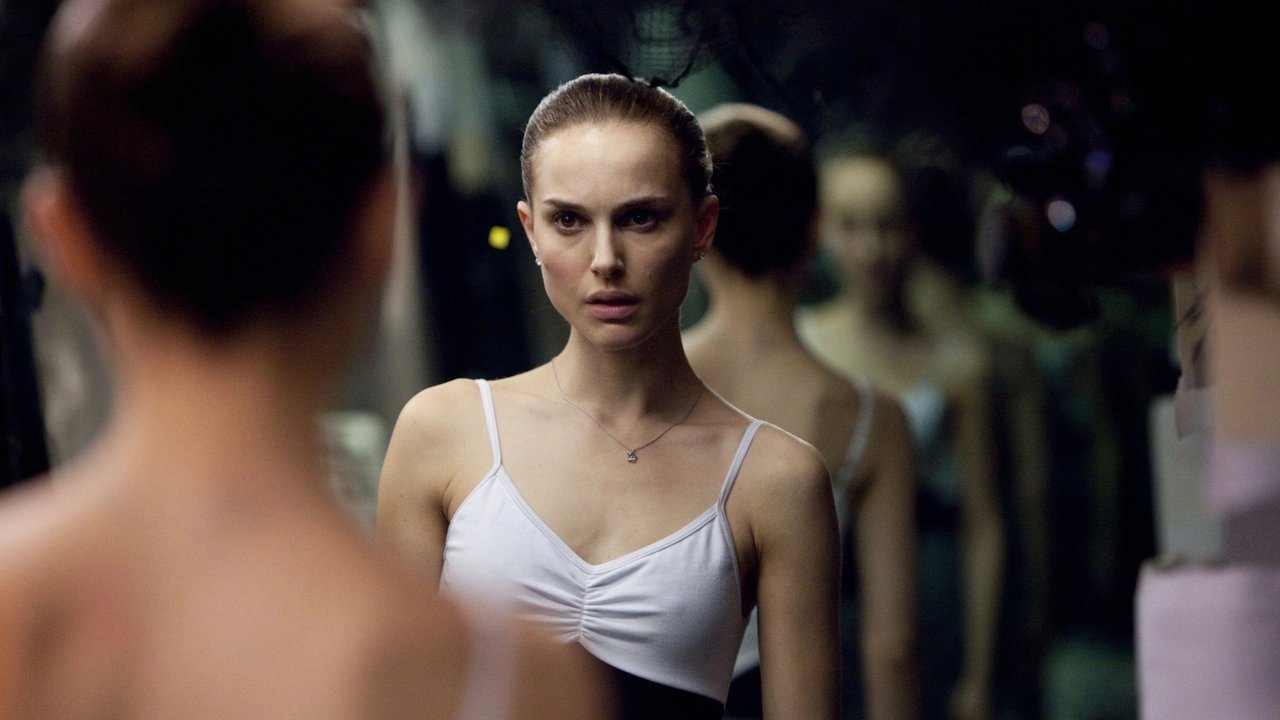
Aronofsky and his cinematographer, Matthew Libatique, shot much of the film on 16mm film using handheld cameras. This gives the whole thing a voyeuristic, documentary-like feel that makes the supernatural elements feel uncomfortably real. It’s a stark contrast to the slick, digital perfection we see in modern blockbusters. The grain on the film stock matches the scales Nina thinks she sees growing on her skin.
The production was famously grueling. Natalie Portman reportedly lost 20 pounds and trained for a year, often paying for her own physical therapy because the budget was so tight. That raw, hollowed-out look she carries isn't just good makeup—it's the result of actual exhaustion. Then you have Mila Kunis as Lily, the "Black Swan" to Nina’s "White." Kunis brings a loose, smoky energy that acts as the perfect foil to Portman’s rigid perfectionism. Their chemistry is electric, mostly because they represent two different philosophies of art: discipline versus abandon.
A Masterclass in Escalation
The third act is where the movie truly earns its stripes. As the opening night of the ballet arrives, the lines between Tchaikovsky’s plot and Nina’s reality blur into a psychedelic nightmare. The score by Clint Mansell (who also did the haunting music for Requiem for a Dream) takes the familiar themes of Swan Lake and twists them into something jagged and menacing.
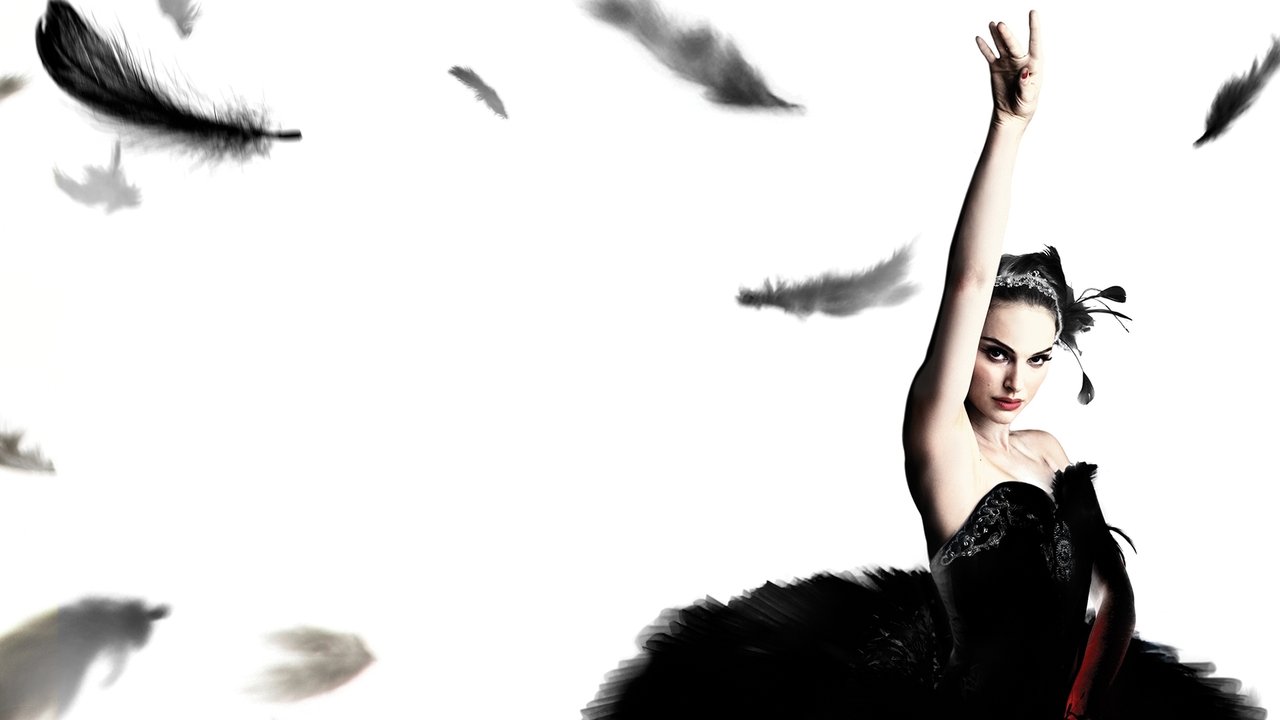
There’s a specific sequence during the performance where Nina finally gives in to her dark side, and the CGI wings in the finale are the only time the movie stops being a thriller and starts being a heavy metal album cover. It works because the film has spent ninety minutes earning that moment of surrealism. It’s a high-wire act of tone; in the hands of a lesser director, it would have been campy. Under Aronofsky, it’s terrifyingly beautiful.
Even the supporting cast adds to the feeling of a world closing in. Vincent Cassel is oily and manipulative as the director, Thomas Leroy, playing "The Gentleman" with a predatory edge. And Winona Ryder—in a brilliant bit of meta-casting—appears as Beth, the aging prima ballerina being pushed out of the spotlight. Seeing the 90s icon play the "discarded" star adds a layer of Hollywood reality that bites just as hard as the fictional plot.
Black Swan remains a staggering achievement in the horror of the self. It’s a film that understands that the most dangerous monsters aren't under the bed, but in the mirror, demanding we do better, work harder, and be "perfect." It’s an exhausting, exhilarating experience that I can’t help but revisit every few years, even if it makes me want to double-check my own reflection for a few days afterward. If you’ve never seen it, or haven't seen it since the theater, give it a spin—just maybe keep some bandages nearby for your cuticles.
---
Keep Exploring...
-
Pi
1998
-
Inland Empire
2006
-
Take Shelter
2011
-
Martyrs
2008
-
Thirst
2009
-
The Skin I Live In
2011
-

Inside Man
2006
-
The Town
2010
-
Argo
2012
-

The Impossible
2012
-
Zero Dark Thirty
2012
-
The Conjuring
2013
-
The Orphanage
2007
-

I Am Legend
2007
-
The Bourne Ultimatum
2007
-

The Girl with the Dragon Tattoo
2009
-

Rise of the Planet of the Apes
2011
-
Gravity
2013
-
Dawn of the Planet of the Apes
2014
-
Ghost
1990