Blue Valentine
"Watch the fire. Then watch the ash."
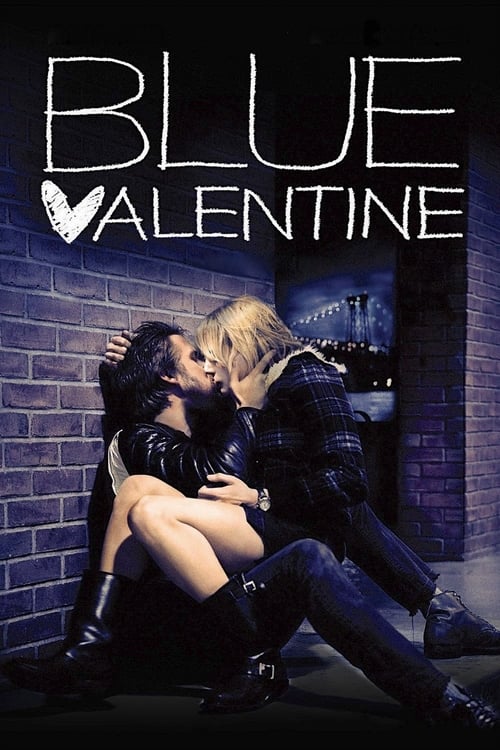
There is a specific kind of low-budget, high-concept sadness that only an indie drama from the tail end of the 2000s can truly nail. It’s the feeling of a film that looks like a home movie but hurts like surgery without anesthesia. Blue Valentine arrived right as the Sundance-to-mainstream pipeline was peaking, proving that you didn't need a sprawling digital landscape or a franchise hook to destroy an audience. All you needed was a ukelele, a receding hairline, and two actors willing to let us watch their souls bruise in real-time. I watched this on a laptop with a dying battery, which added a weirdly appropriate sense of impending doom to the final act.
The Beauty of the Breakdown
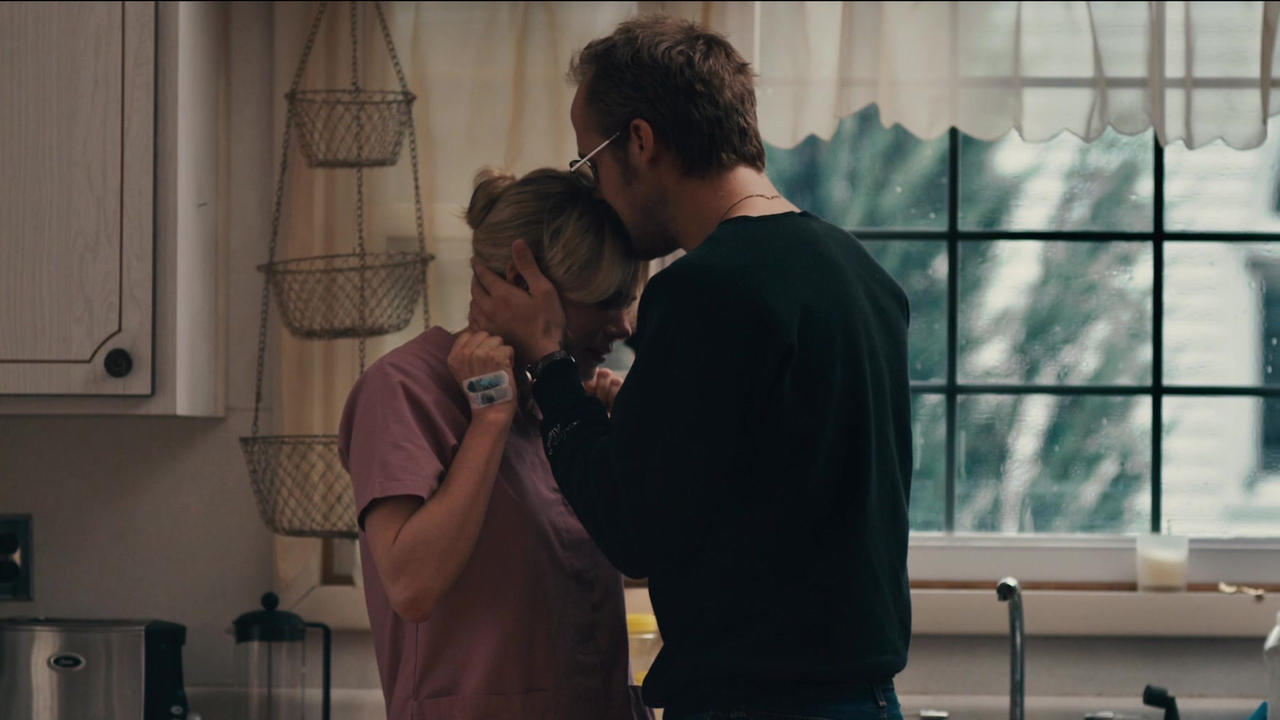
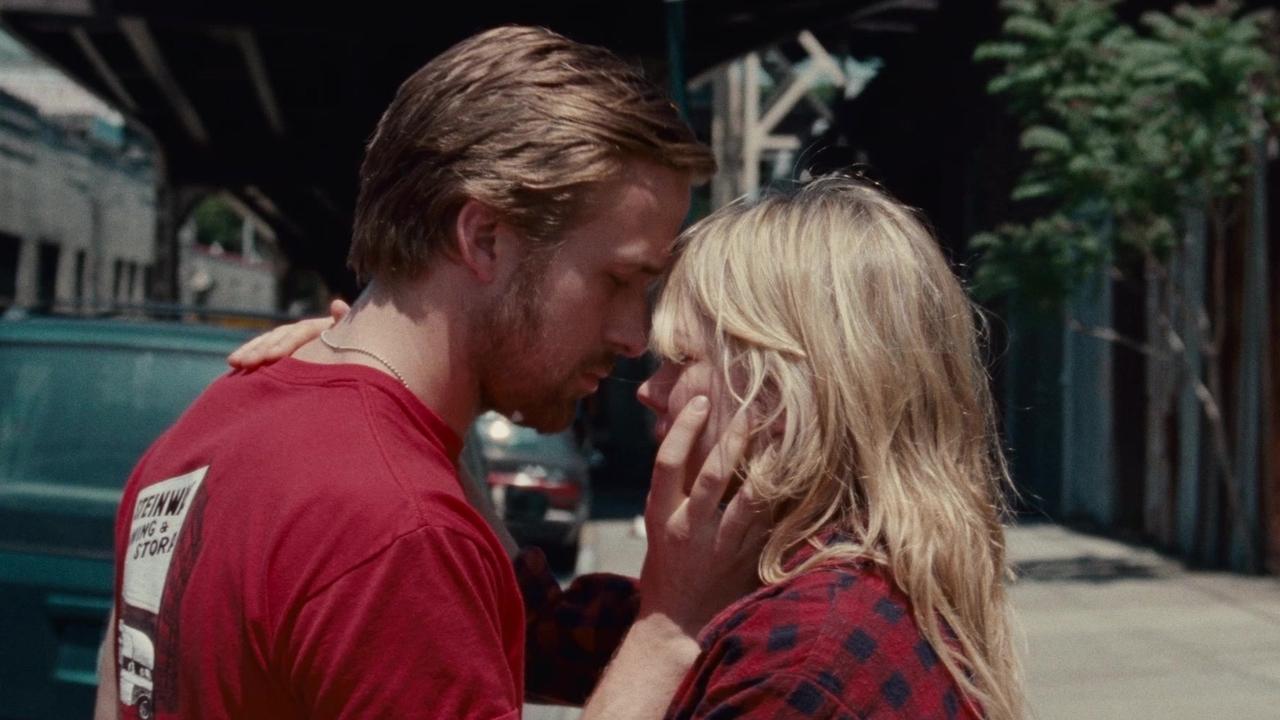
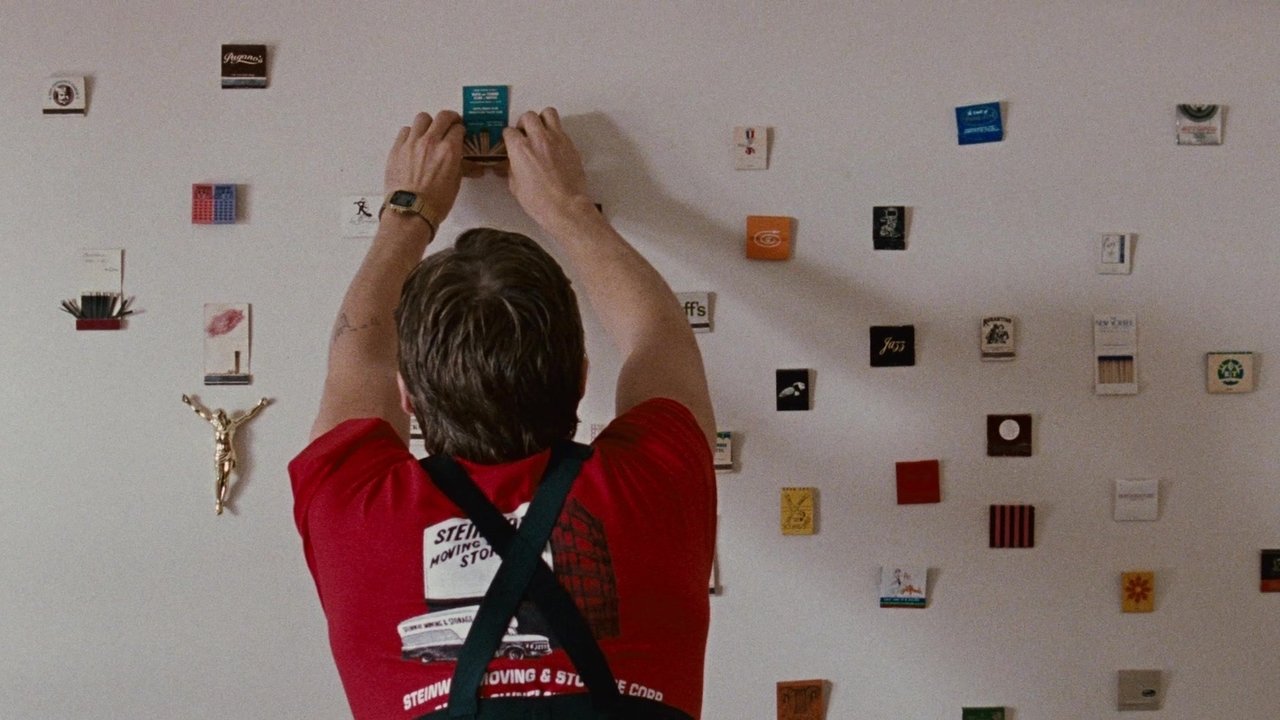
Director Derek Cianfrance spent twelve years trying to get this movie made, and you can feel that decade of obsession in every frame. The film operates on a dual-timeline structure that is, frankly, cruel. We jump between the "Then"—a grainy, 16mm-shot whirlwind romance where Ryan Gosling’s Dean is a charming high-school dropout and Michelle Williams’ Cindy is a pre-med student with a heavy heart—and the "Now." The "Now" is shot on high-definition digital, looking clinical and cold, capturing the claustrophobia of a marriage that has run out of oxygen.
Looking back, this was a massive moment for the "Indie Film Renaissance." It was a time when digital cameras were finally becoming sophisticated enough to capture intimacy without looking like a cheap wedding video. Andrij Parekh’s cinematography is vital here; he uses long lenses to stay out of the actors' faces during the "Now" segments, making us feel like voyeurs watching a private tragedy. Conversely, the "Then" segments are handheld and breathy, capturing that feeling of being young and thinking that "love" is a sufficient substitute for "a plan."
Performances That Leave Scars
We need to talk about Ryan Gosling and Michelle Williams. Before Gosling was an "interlinked" replicant or a plastic kensational icon, he was the king of the "damaged but soulful" indie lead. His performance as Dean is a masterclass in how charm can curdle into something suffocating. He’s the guy who thinks he’s being romantic by focusing entirely on his family, but he’s actually just stagnant. Dean is a manic pixie dream boy who aged into a functional alcoholic nightmare.
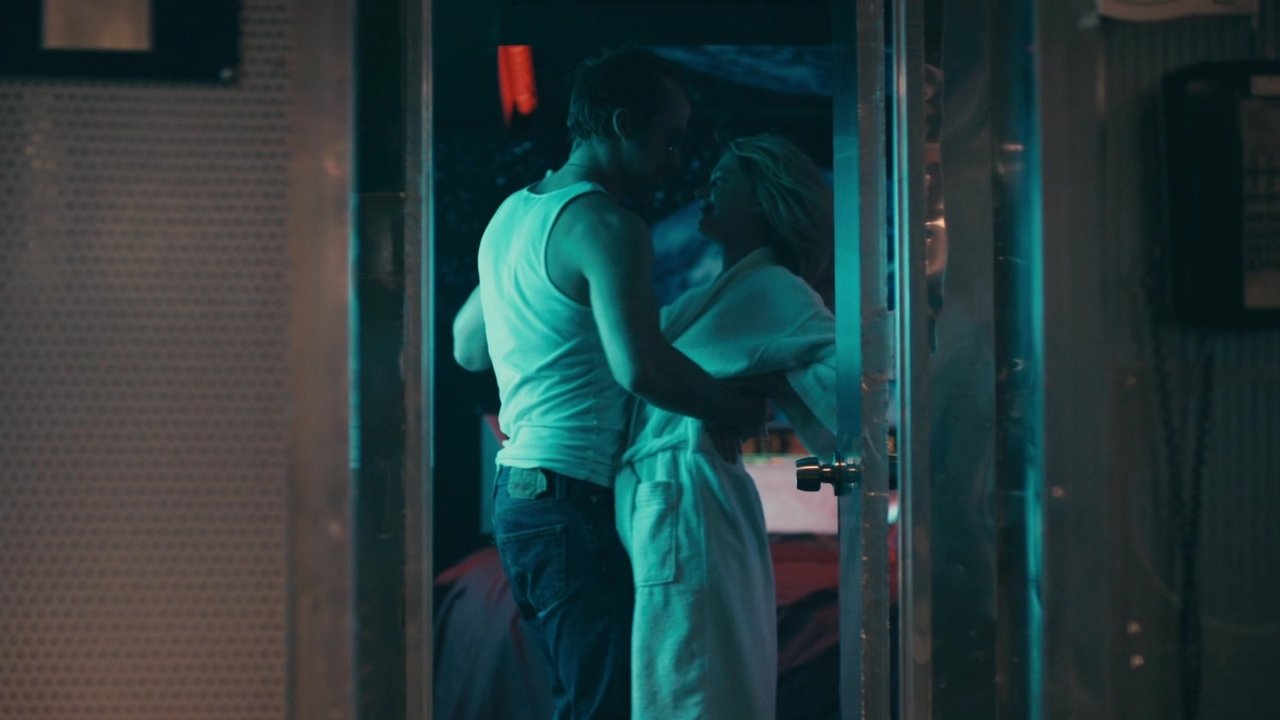
Williams, meanwhile, provides the film’s heartbeat. Her Cindy isn't a villain for falling out of love; she’s just exhausted. There’s a scene in a "Future Room" at a cheesy themed motel where the two try to jump-start their libido, and the result is one of the most uncomfortable sequences in modern cinema. It’s not just the nudity—which famously earned the film a temporary NC-17 rating that the producers had to fight tooth and nail—it’s the psychic distance between them. They are touching, but they are miles apart.
The supporting cast, including John Doman as Cindy’s harsh father and Mike Vogel as an old flame, fill out a world that feels lived-in and weary. There’s no Hollywood sheen here. Even the score by Grizzly Bear—the ultimate "it" band of 2010 indie culture—feels like a fading memory, all tinkling piano and melancholy swells that haunt the background.
The Method in the Misery
One of the reasons the chemistry feels so lived-in is that Cianfrance went full "method" with his leads. To prepare for the "Now" segments, Gosling and Williams actually lived together in the film’s house for a month. They were given a grocery budget based on their characters' meager incomes, they did the dishes, and they even staged real arguments. When you see them bickering over a lost dog or a breakfast plate, you aren't seeing "acting" so much as you're seeing the genuine irritation of two people who have spent too much time in a small kitchen.
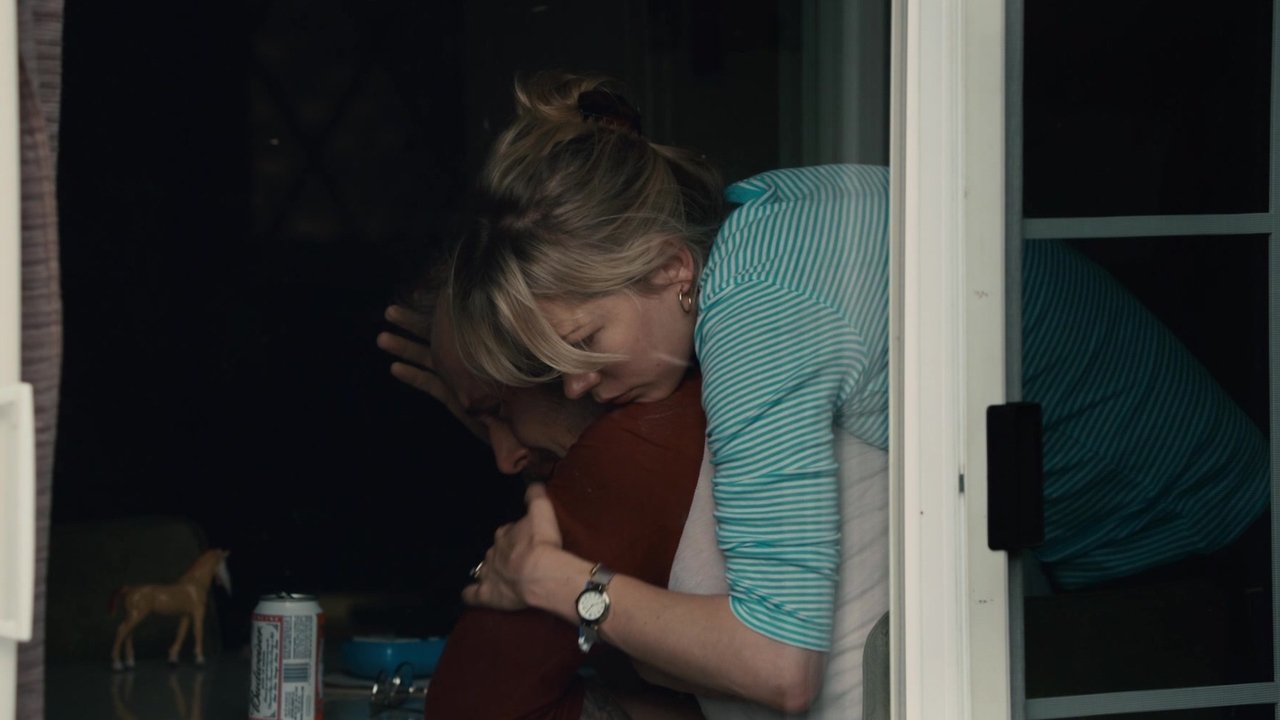
This was the era where "realism" meant more than just gritty lighting; it meant an emotional transparency that felt almost invasive. In retrospect, Blue Valentine stands as a correction to the glossy rom-coms of the early 2000s. It takes the "Happily Ever After" and subjects it to a stress test until the bolts fly off. It reminds me of why we go to the movies: not always to be comforted, but to see our own messy, complicated human failures reflected with dignity.
The film doesn't offer easy answers or a tidy resolution, and that’s precisely why it sticks to your ribs years later. It’s a grueling watch, but an essential one for anyone who appreciates the craft of performance and the bravery of a director willing to let a story breathe. You might need a drink or a long walk afterward, but you won't forget the way Dean looks at Cindy in the moonlight, or the way she looks away from him in the morning light. It's a beautiful, brutal achievement that perfectly captures the "recent enough to remember, old enough to reassess" sweet spot of the 2010s.
Keep Exploring...
-
The Place Beyond the Pines
2013
-
High School Musical
2006
-
Beginners
2011
-
The First Time
2012
-
Before Midnight
2013
-
Don Jon
2013
-
The Spectacular Now
2013
-
Lars and the Real Girl
2007
-
Half Nelson
2006
-
Imagine Me & You
2006
-
Once
2007
-

Heartbeats
2010
-

Now Is Good
2012
-

Blue Is the Warmest Color
2013
-
The Light Between Oceans
2016
-
Leaving Las Vegas
1995
-
Chasing Amy
1997
-
Buffalo '66
1998
-
Monster's Ball
2001
-
Secretary
2002