Buried
"Hope is running out of air."
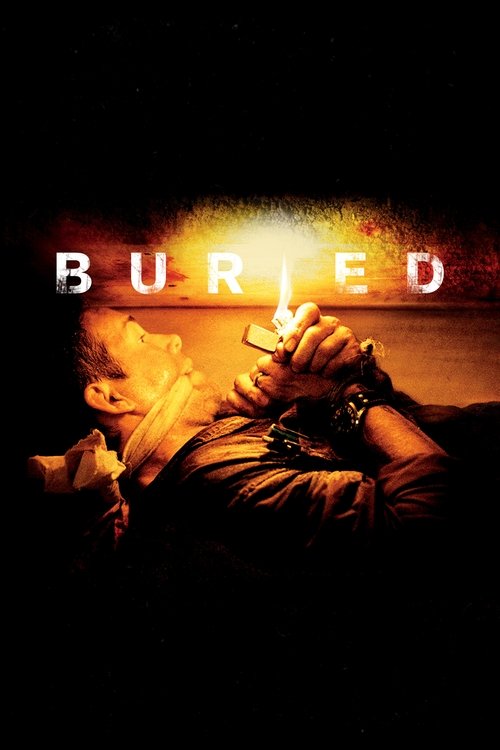
Ninety-five minutes. One actor. One wooden box. On paper, the pitch for Buried sounds like a dare a film student would make after three cans of Red Bull, but the result is a high-wire act that shouldn't work. It’s a film that grips you by the throat in the first thirty seconds and gradually tightens its hold until you’re gasping for air alongside the protagonist. In an era where "Modern Cinema" often meant bloating budgets to accommodate massive CGI set pieces, director Rodrigo Cortés decided to go the opposite direction, proving that you can create an epic sense of dread within the confines of a few square feet.
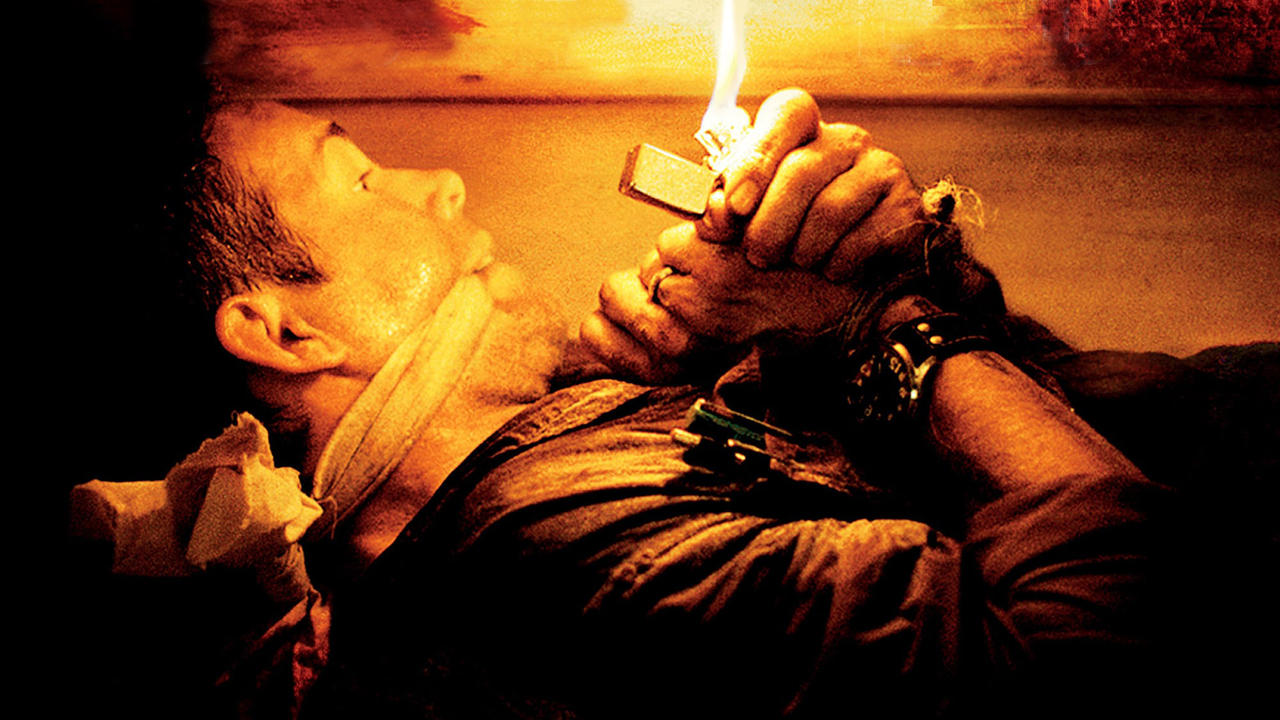
I first watched this movie on a laptop in a very cramped basement apartment where the radiator was hissing like a disgruntled snake. Halfway through, the screen brightness flickered and dimmed, and for a second, I felt the same panic as Paul Conroy. That’s the magic of this film—it’s an empathetic vacuum. It sucks you into the coffin with him.
The Reynolds Revelation
Before he was the Merc with a Mouth or a global brand ambassador for gin and cell phone plans, Ryan Reynolds was a charismatic leading man who Hollywood didn't quite know what to do with. He had the "it" factor, but he was often stuck in middling rom-coms like The Proposal or underwhelming action flicks. Buried was the turning point where he proved he could carry a movie with nothing but his face and his voice.
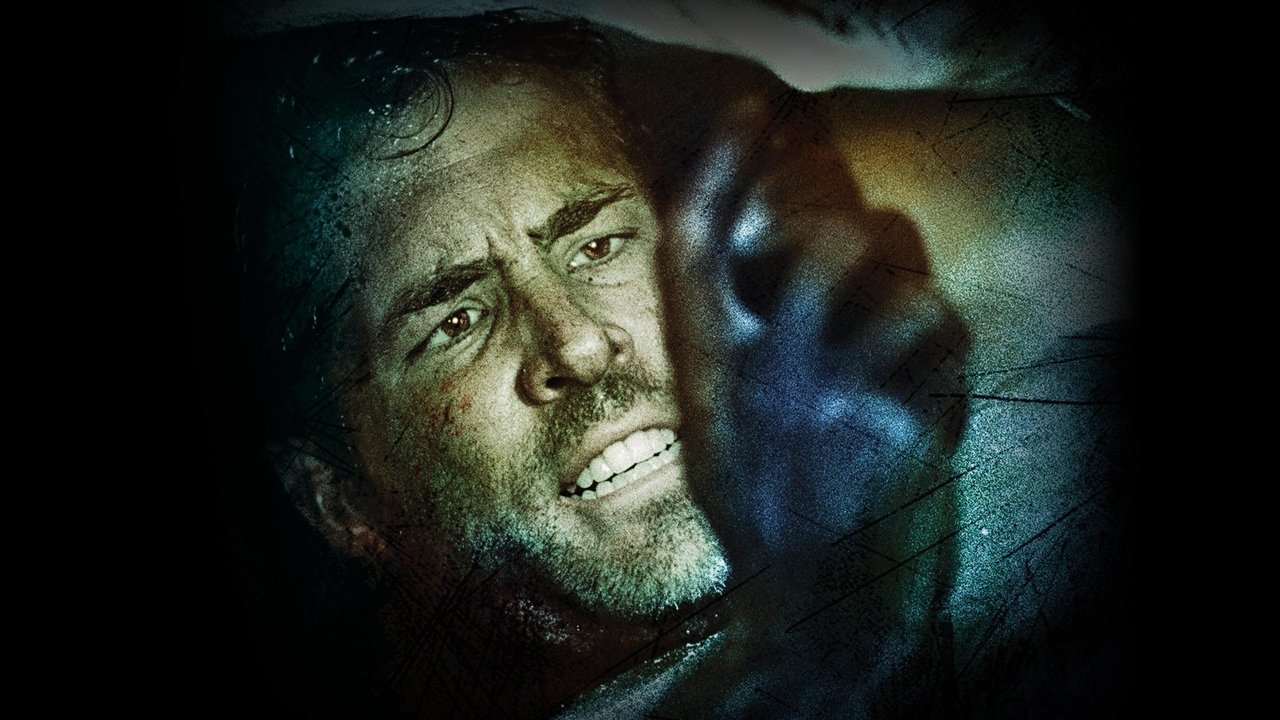
As Paul Conroy, a civilian truck driver in Iraq who wakes up six feet under, Reynolds delivers a performance that is stripped of his usual defensive sarcasm. He is raw, terrified, and increasingly desperate. Because we never leave the box, we are forced to observe every micro-expression. We see the sweat bead on his forehead, the red-rimmed eyes, and the sheer physical toll of trying to maneuver in a space that barely accommodates his shoulders. It’s a masterclass in "limited" acting; he has to convey a lifetime of regret and a ticking clock of survival while essentially being paralyzed. Reynolds turned a gimmick into a tragedy.
A Masterclass in Constraints
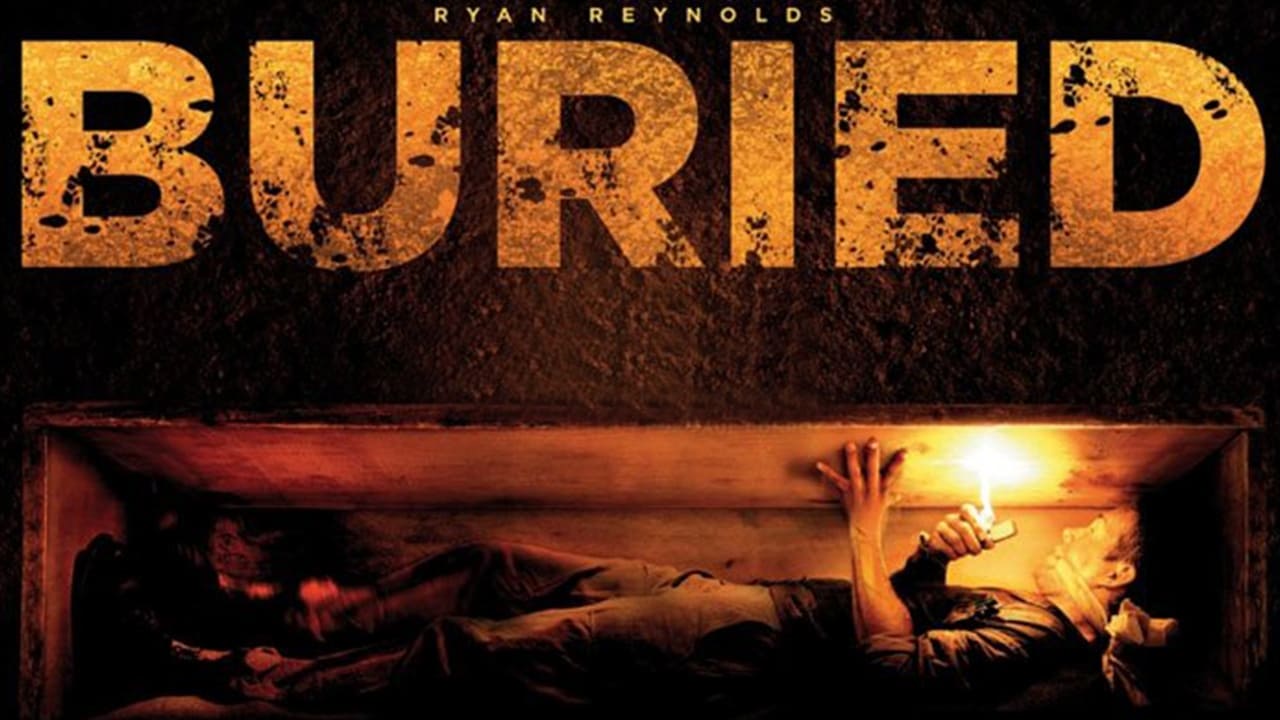
How do you keep a movie visually interesting when your "set" is a brown rectangle? This is where Rodrigo Cortés and cinematographer Eduard Grau (who later shot A Single Man) showed their genius. They treated the coffin not as a cage, but as a shifting landscape. They used seven different coffins during the 17-day shoot, each designed to allow for specific camera movements—some had removable walls for tracking shots, while others were built to allow the camera to rotate 360 degrees around Reynolds.
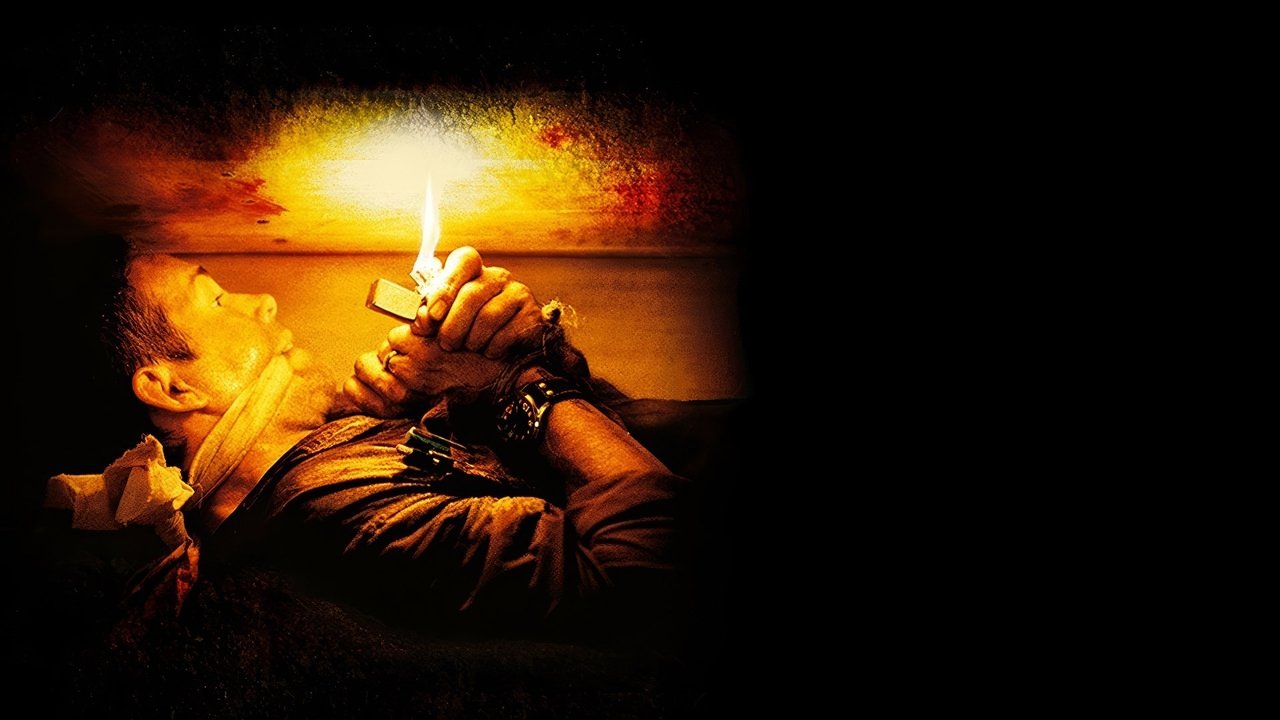
The lighting is equally brilliant. The only light sources are a Zippo lighter, a glow stick, a flashlight, and the harsh blue glow of a BlackBerry. Each light source brings a different mood to the screen. The Zippo offers a warm, flickering hope that eats up oxygen; the glow stick provides a sickly, alien green that highlights the absurdity of Paul’s situation. Even the sound design is oppressive. Every scrape of wood and every grain of sand hitting the lid feels like a thunderclap.
Looking back at the 2010 landscape, Buried feels like a reaction to the "Post-9/11" anxiety that permeated the decade. It deals with the cold, hard reality of being a cog in the military-industrial complex. The most infuriating parts of the movie aren't the kidnappers, but the phone calls Paul makes to his employers and the government. Listening to Stephen Tobolowsky as a corporate legal head or Robert Paterson as a hostage negotiator, you realize that the bureaucracy of war is just as suffocating as the sand.
The Indie Grit
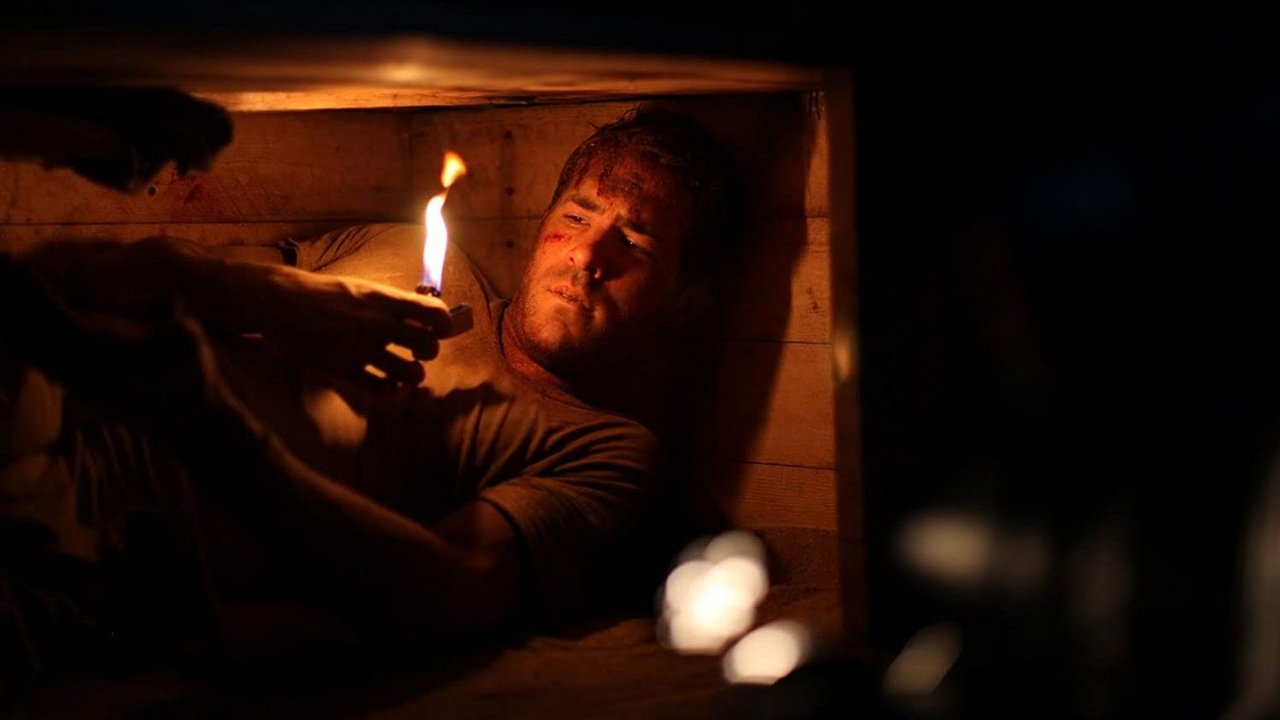
What makes Buried a true indie gem is the sheer resourcefulness of its production. With a budget of just under $2 million, the team managed to create a film that looks and feels more "expensive" than most mid-budget thrillers. They didn't have the luxury of cutaways to a "command center" or scenes of the family weeping at home. They stayed in the box. This wasn't just an artistic choice; it was a financial necessity that became the film's greatest strength.
Apparently, Reynolds actually suffered from claustrophobia during the shoot, which intensified as the coffin was slowly filled with sand toward the climax. The crew even had to deal with the heat from the Zippo lighters making the small space unbearable. It’s that tangible, physical discomfort that translates through the screen. There’s no digital polish here—just wood, grit, and a man losing his mind. This film has more narrative tension in a low-battery icon than most Marvel movies have in an entire city-leveling finale.
Buried is a reminder of what cinema can do when it stops trying to show us everything and instead focuses on how we feel. It’s a lean, mean, and deeply cynical thriller that respects its audience enough to stay committed to its premise until the bitter end. It’s not a "fun" watch in the traditional sense, but it’s an essential one for anyone who appreciates the craft of filmmaking under pressure. Just make sure you have a clear exit path and a window open before you hit play.
Keep Exploring...
-
The Girl Who Played with Fire
2009
-
Pi
1998
-
The Secret in Their Eyes
2009
-
After.Life
2009
-
The Skin I Live In
2011
-
The Orphanage
2007
-
Marshland
2014
-
Caché
2005
-
Flightplan
2005
-

Revolver
2005
-
Stay
2005
-
The Constant Gardener
2005
-
The Jacket
2005
-
The Skeleton Key
2005
-
Inland Empire
2006
-
Lucky Number Slevin
2006
-
Tell No One
2006
-
Disturbia
2007
-
In the Valley of Elah
2007
-
The Bourne Ultimatum
2007