Centurion
"Hell has frozen over in Roman Britain."
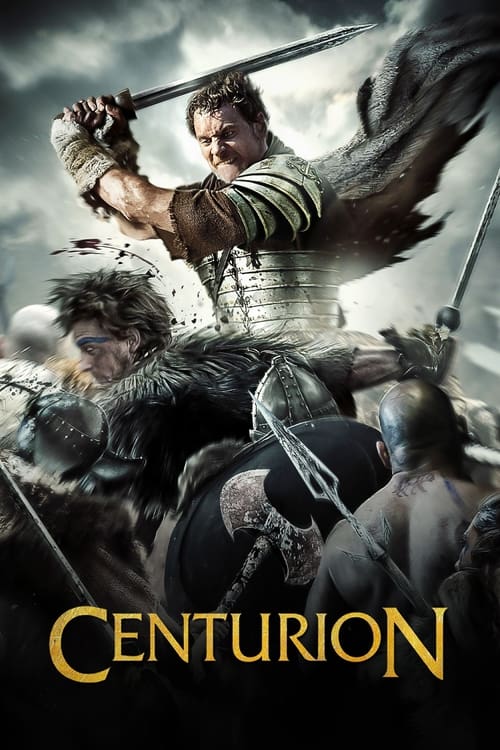
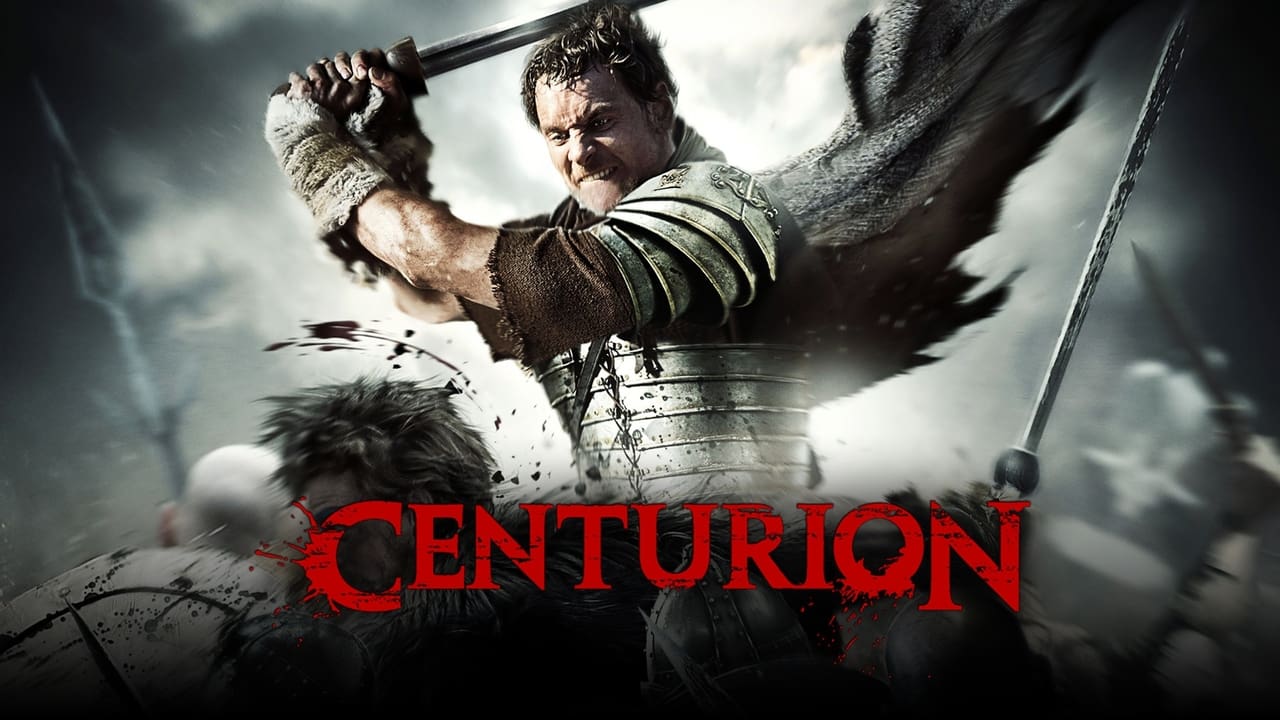
I first watched Centurion on a grainy DVD I bought for three dollars at a closing Blockbuster, while my cat, Barnaby, sat on my lap and shed enough orange fur to make me look like I’d just survived a Pictish ambush myself. At the time, I was looking for a distraction from a particularly brutal winter, and I found it in a movie that somehow looked even colder than the view outside my window. Neil Marshall’s 2010 survival thriller is a lean, mean, and surprisingly bleak entry into the swords-and-sandals genre that history—and the box office—seem to have swept under the rug.
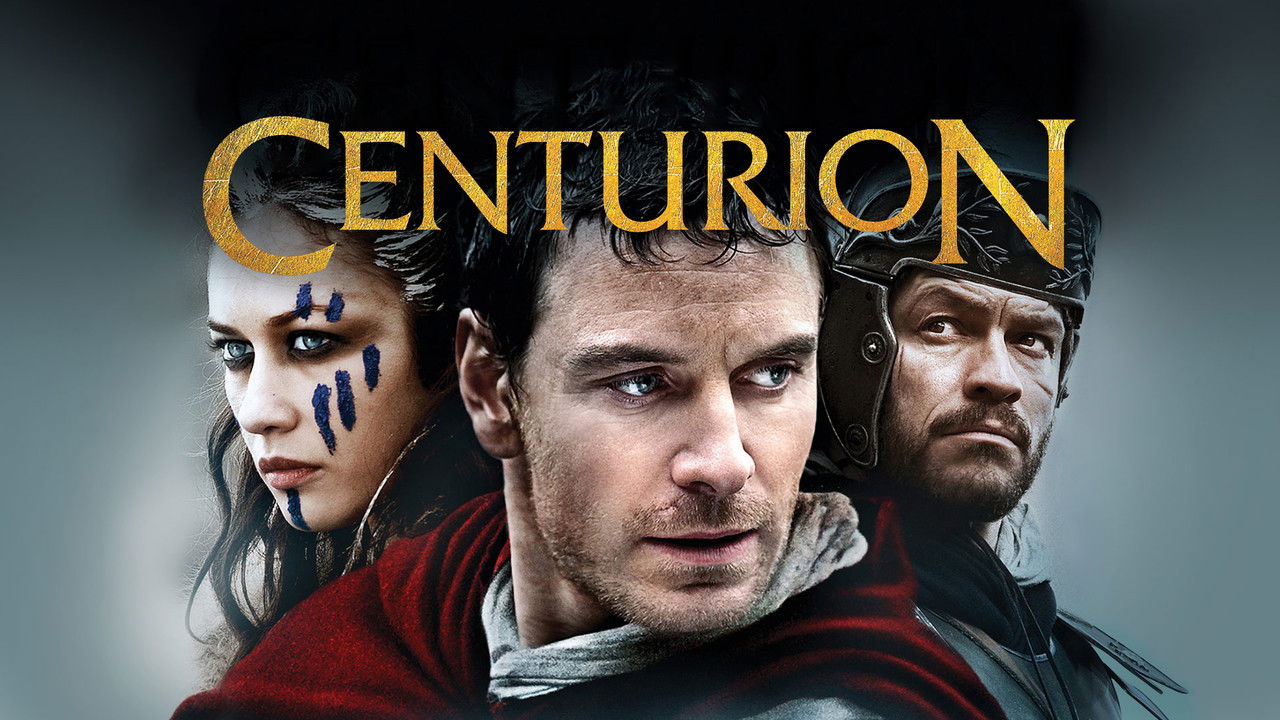
The Survivalist’s Epic
By 2010, the "historical epic" was in a weird spot. We were a decade removed from the sweeping grandeur of Gladiator and starting to see the rise of the hyper-stylized, green-screen bloodbaths like 300. Neil Marshall, the man who gave us the claustrophobic nightmare of The Descent (2005) and the werewolf-soldier fun of Dog Soldiers (2002), took a different path. He decided to treat the Roman conquest of Britain not as a grand political drama, but as a slasher movie where the "final girl" is a group of desperate Roman soldiers being hunted through the Scottish Highlands.
The plot is stripped down to the bone: the legendary Ninth Legion marches into the mist to wipe out the Picts, gets absolutely decimated in a forest ambush, and a handful of survivors have to run for their lives back to the Roman border. It’s the cinematic equivalent of getting hit in the face with a frozen steak. There’s no bloat here. At 97 minutes, it moves with a frantic energy that most modern three-hour epics would kill for. Marshall understands that if you have Michael Fassbender and a handful of grizzled character actors running through real snow, you don’t need twenty minutes of exposition about Roman tax law.
Practical Mud and Digital Blood
One of the things I appreciate most about Centurion, looking back from our current era of Marvel-style "grey sludge" backgrounds, is how tactile it feels. Marshall shot this on location in the Scottish Highlands during a particularly nasty winter, and you can see the actors’ breath and their genuine shivers. There’s a scene where Michael Fassbender (just a year before his breakout in X-Men: First Class) is shirtless in the snow after escaping a Pictish camp, and you can tell he isn’t acting. He’s just trying not to get hypothermia for the sake of the shot.
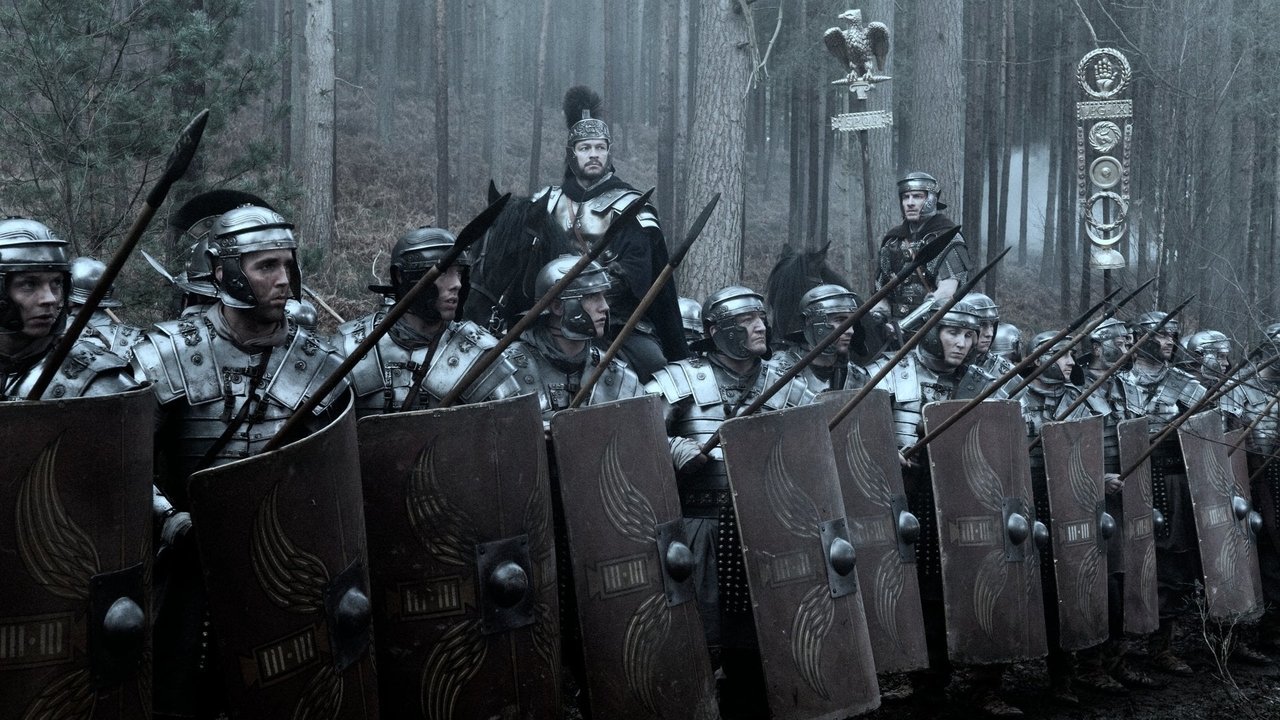
However, being a product of the late 2000s, it does fall into that era’s biggest trap: digital blood. This was the peak of the "CGI arterial spray" trend, and while it allows for some truly gruesome decapitations that would be impossible with practical squibs, it sometimes looks like someone is throwing buckets of raspberry jam at the lens. It’s a minor gripe, but it serves as a perfect time capsule of that transition period where filmmakers were still figuring out how to make digital effects feel "heavy." Despite the CG gore, the hand-to-hand choreography is superb. The fights are messy, desperate, and involve a lot of rolling around in the mud—exactly how you’d imagine a fight for survival in 117 A.D. would go.
A Cast of Silent Killers
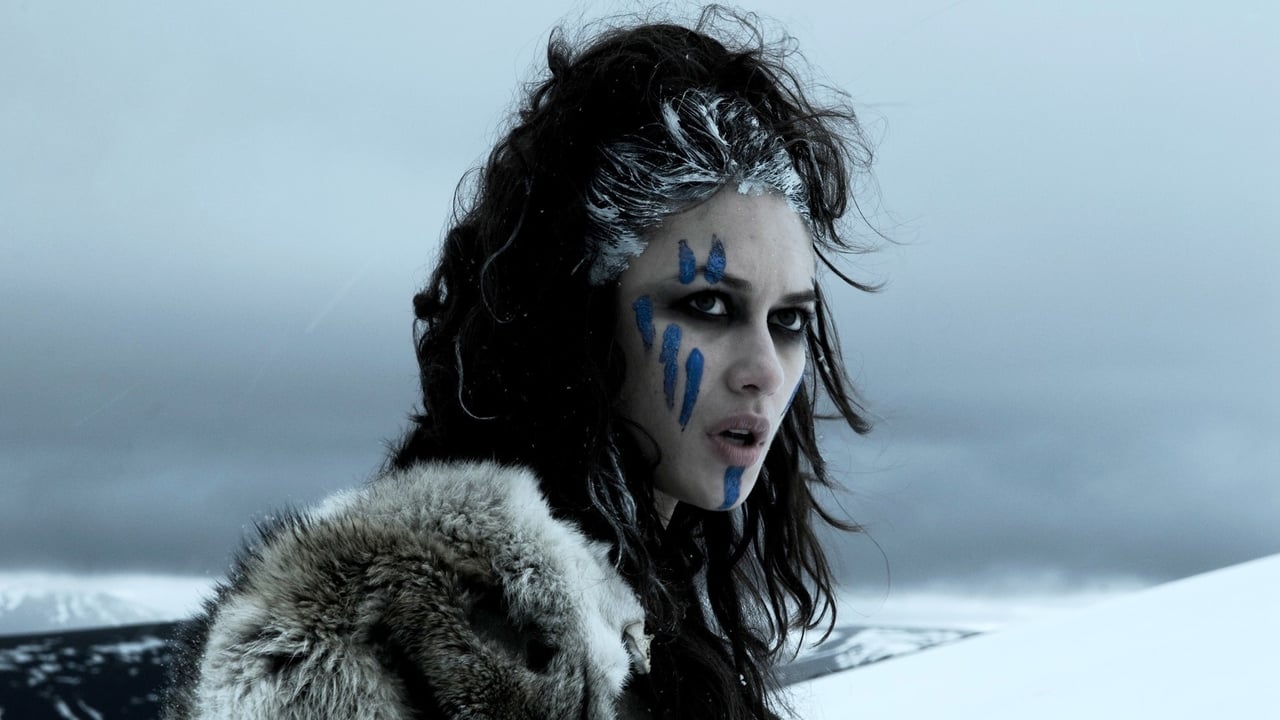
Michael Fassbender plays Quintus Dias with a haunted, physical intensity that has become his trademark. He doesn’t say much, but he doesn't have to. Opposite him is Olga Kurylenko (fresh off her turn in Quantum of Solace) as Etain, a mute Pictish scout with a grudge and a spear. She is basically a slasher movie villain in face paint, and she is terrifying. She doesn't have a single line of dialogue, yet she dominates every scene she’s in through sheer predatory movement.
The supporting cast is a "Who's Who" of "hey, I know that guy!" talent. You’ve got Liam Cunningham (Davos Seaworth himself) and David Morrissey (The Governor from The Walking Dead) as part of the ragtag band of survivors. Even Dominic West pops up as General Virilus, playing a version of a Roman commander that feels like Jimmy McNulty from The Wire just swapped the badge for a gladius. It’s a cast that brings a lot of gravitas to a movie that could have easily felt like a cheap B-movie.
Why Did History Forget This?
It’s a bit of a mystery why Centurion didn't leave a bigger mark. Part of it was likely "Legion Fatigue." Between this, Channing Tatum’s The Eagle (2011), and the TV show Spartacus, the early 2010s were suddenly flooded with leather tunics. Marshall’s film was the grimmest of the bunch, lacking the PG-13 safety net or a massive marketing budget. It’s also unapologetically cynical. In a post-9/11 world, Marshall leans into the idea of a superpower (Rome) stuck in a "forever war" against an indigenous insurgency (the Picts) that they simply don't understand. There are no real heroes here—just people trying to survive a meat grinder.
If you missed this one during its brief theatrical run or saw it sitting in a bargain bin and kept walking, it’s time to give it a look. It’s a high-octane chase movie that values practical locations and physical performances over green-screen safety. It’s a reminder of a time when "mid-budget" action movies could still be gritty, standalone, and genuinely mean-spirited.
The film ends not with a victory parade, but with a exhausted, blood-soaked realization of what "glory" actually costs. It’s the kind of movie that makes you want to take a hot shower and check your pulse. For anyone who misses the days when action movies felt like they were filmed in actual dirt rather than a computer lab, Centurion is a hidden gem waiting to be rediscovered. Just make sure you have a warm blanket nearby—those Highland winds are no joke.

Keep Exploring...
-
Doomsday
2008
-
Valhalla Rising
2009
-
All Is Lost
2013
-

Sahara
2005
-
First Knight
1995
-
The Descent
2005
-
1492: Conquest of Paradise
1992
-
The Edge
1997
-

Dog Soldiers
2002
-
Flight of the Phoenix
2004
-
Walking Tall
2004
-
Harry Brown
2009
-
Days of Thunder
1990
-
Maverick
1994
-
Wyatt Earp
1994
-
Executive Decision
1996
-
The Messenger: The Story of Joan of Arc
1999
-
The Karate Kid
2010
-
The Grey
2012
-
Exodus: Gods and Kings
2014