Charlie St. Cloud
"The hardest part of living is letting go."
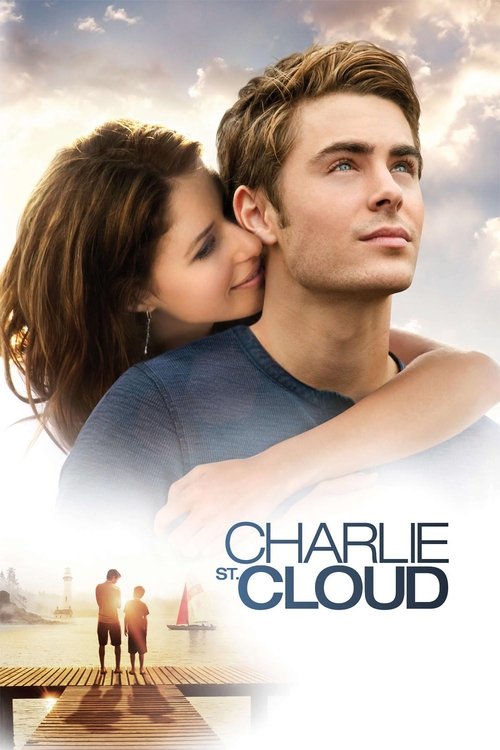
In 2010, the world was witnessing a very specific kind of Hollywood experiment: the "Prestige Pivot" of Zac Efron. After hanging up the East High jersey from High School Musical, Efron was a young man with a blindingly white smile and an even brighter target on his back from critics who wanted to see him fail. He had already done the safe comedy route with 17 Again, but Charlie St. Cloud was supposed to be the "Heavy Stuff." It was the kind of movie designed to prove that the boy could bleed, cry, and carry the weight of a supernatural tragedy on those well-moisturized shoulders.
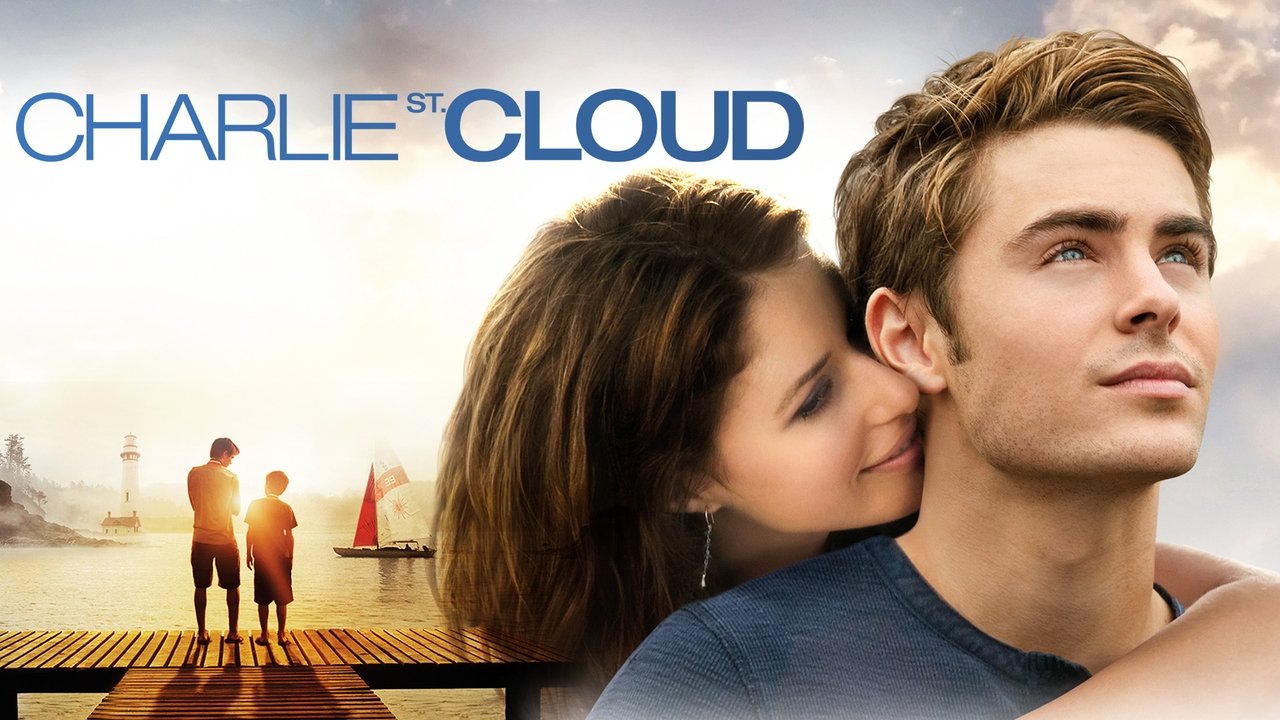
I remember watching this on a Tuesday night while my apartment radiator was clanking like a rhythmic ghost in the corner, and honestly, that mechanical haunting was a fitting soundtrack. This is a film that exists in a strange, misty middle ground—not quite a ghost story, not quite a romance, but a full-blown exercise in 2010s earnestness.
The Burden of the Ghost-Catcher
The setup is pure tear-jerker fuel. Zac Efron plays Charlie, a sailing prodigy with a scholarship and a bright future that vanishes the moment a car accident takes the life of his younger brother, Sam (Charlie Tahan). Through a mix of grief and what the movie suggests is a literal miracle, Charlie discovers he can see and talk to Sam’s spirit. He makes a promise: every day at sunset, when the cannons fire in their sleepy Pacific Northwest town, they’ll meet in the woods to play catch.
Fast forward five years, and Charlie has become the town’s "weirdo" groundskeeper at the cemetery. He’s essentially the boy who stayed behind, stuck in a permanent sunset of his own making. This is where the film’s "Modern Cinema" DNA really shows. Director Burr Steers and cinematographer Enrique Chediak lean heavily into that late-2000s "Golden Hour" aesthetic. Everything is drenched in a soft, digital amber glow that feels like an early Instagram filter.
Looking back, the CGI used to create the supernatural elements—the fading spirits and the shimmering forest—actually holds up surprisingly well because it’s used sparingly. It’s not trying to build a universe; it’s just trying to show the ache of a memory. It’s a far cry from the over-saturated Marvel spectacles that would soon take over the industry. Here, the "special effects" are mostly just Efron’s blue eyes looking mournfully at a kid who isn't there.
A Different Kind of Romantic Anchor

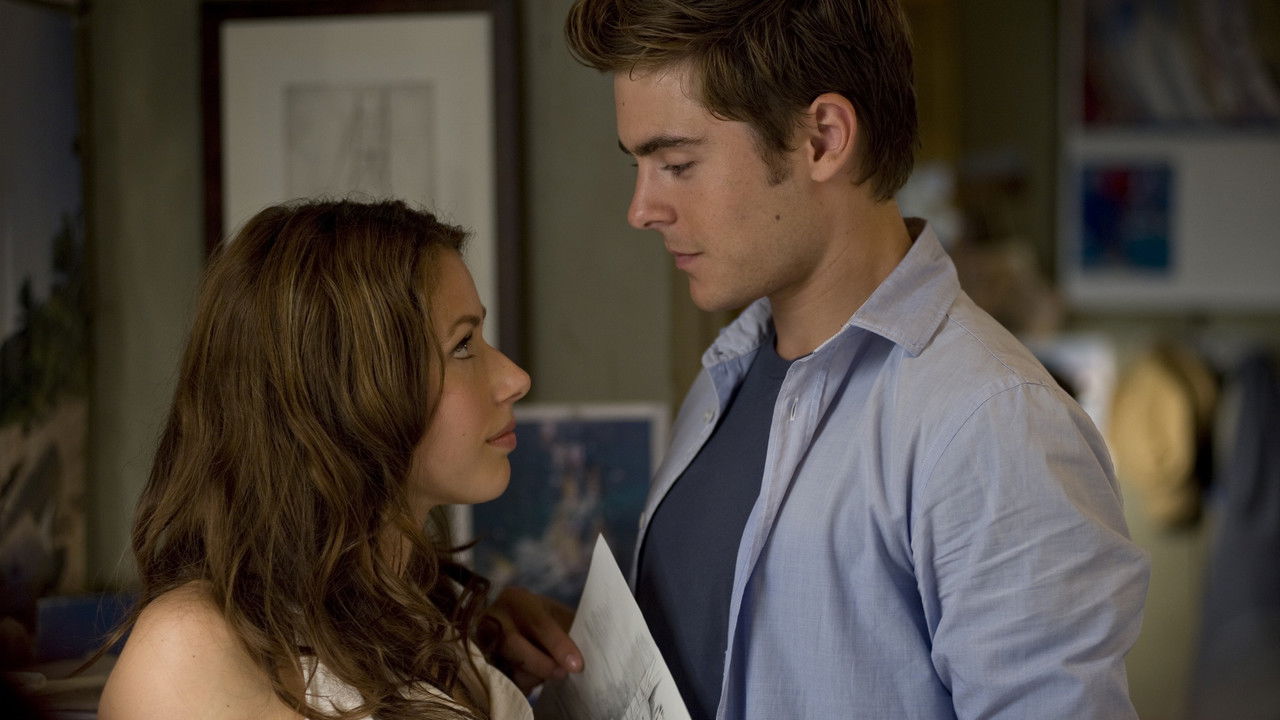
The drama shifts when Tess Carroll (Amanda Crew) sails back into town. She’s ambitious, brave, and headed for a solo trip around the world—basically the anti-Charlie. Their chemistry is sweet, if a bit predictable, but it highlights the film’s central conflict: can you love someone who is alive if you’re still tethered to the dead?
Amanda Crew brings a necessary spark to a movie that otherwise feels like it’s underwater. She has to do the heavy lifting of making us believe that a woman would fall for a guy who literally sprints away from her every evening because he has a "standing appointment" in the woods. Augustus Prew also deserves a shoutout as Charlie's friend Alistair; he provides the only moments of levity in a script that is otherwise allergic to having a sense of humor.
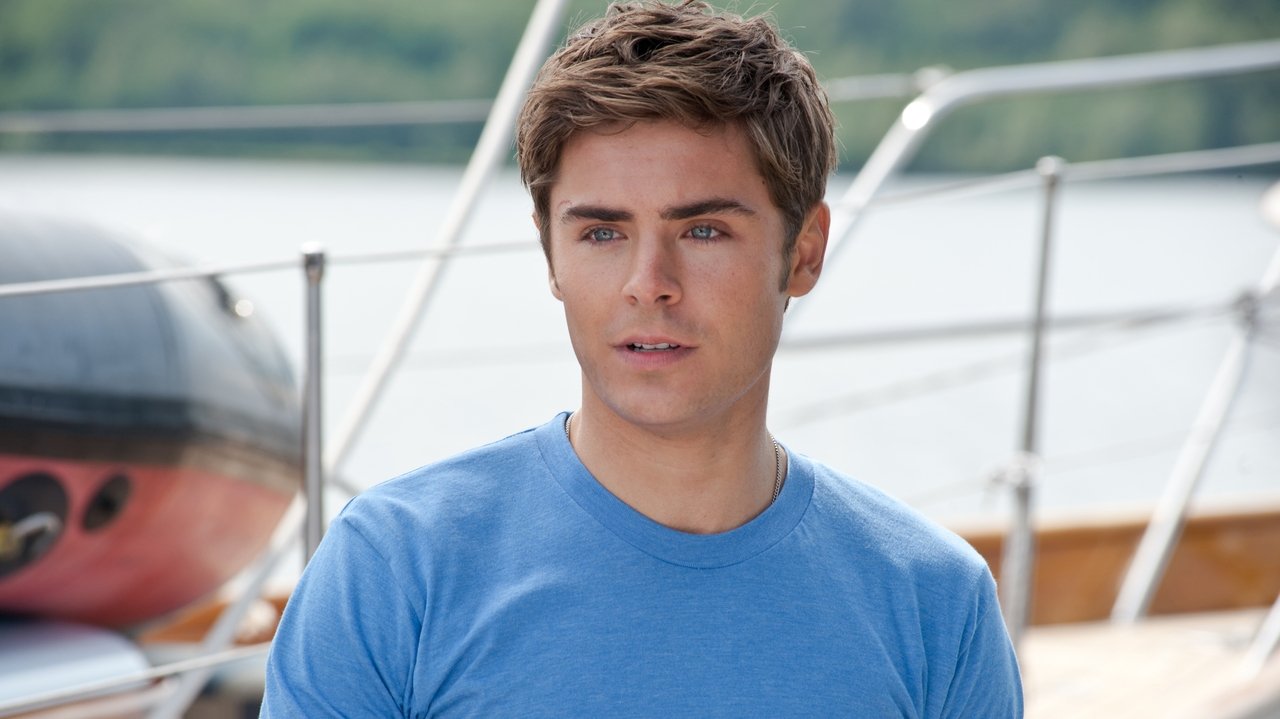
Interestingly, Zac Efron actually turned down the lead role in the Footloose remake to do this film. He was desperate to be taken seriously as a dramatic lead, and you can see the effort on screen. He’s not bad—he’s just trapped in a movie that feels like a Nicholas Sparks adaptation that accidentally wandered into a graveyard. Apparently, Efron also spent weeks training with a world-class sailor in British Columbia to make the racing scenes look authentic. Those scenes are actually the highlights; they have a tactile, windy energy that temporarily wakes the movie up from its melancholy slumber.
Why This Niche Gem Still Matters
While it wasn't a box office smash, Charlie St. Cloud has developed a persistent cult following, especially among those who grew up during the transition from DVD to streaming. It’s a "comfort sad" movie. It captures that 2010 vibe where we were obsessed with grief as a personality trait (think The Lovely Bones or Remember Me).

The film was shot in Gibsons, British Columbia, standing in for Marblehead, Massachusetts. This choice gave the film a lush, evergreen texture that feels very "Pacific Northwest Indie," even though it’s a Universal Pictures production. It’s a movie that smells like pine needles and salt spray. It also features a tragically small role for Kim Basinger as Charlie's mother. She disappears from the movie so early that I genuinely wondered if I’d missed a scene where she also became a ghost.
One of the more fascinating bits of trivia is that the movie changed the book’s title from The Death and Life of Charlie St. Cloud to just the character's name. It was a marketing move to make it feel less morbid, but the morbidity is the only thing that gives it teeth. Without the "Death," it’s just a movie about a guy who really likes playing catch.
Ultimately, Charlie St. Cloud is a beautiful-looking postcard about a very ugly experience. It’s a film that tries to be profound but ends up being merely pleasant. It’s the cinematic equivalent of a high-end scented candle: it looks nice on the shelf and creates a specific mood, but it doesn't leave much of a lasting impression once the flame goes out. If you’re in the mood for a "sad Efron" double feature, pair it with The Lucky One and bring a box of tissues—just don’t expect it to change your life.
Keep Exploring...
-

17 Again
2009
-

High School Musical 2
2007
-

The Lucky One
2012
-

High School Musical 3: Senior Year
2008
-
Just Like Heaven
2005
-
The Lake House
2006
-

The Other Boleyn Girl
2008
-
The Time Traveler's Wife
2009
-

Letters to Juliet
2010
-
Life As We Know It
2010
-
Remember Me
2010
-
The Last Song
2010
-
The Next Three Days
2010
-
Beastly
2011
-
One Day
2011
-

LOL
2012
-
Seeking a Friend for the End of the World
2012
-
Magic in the Moonlight
2014
-
The Best of Me
2014
-

High School Musical
2006