Chloe
"The truth is a very expensive mistress."
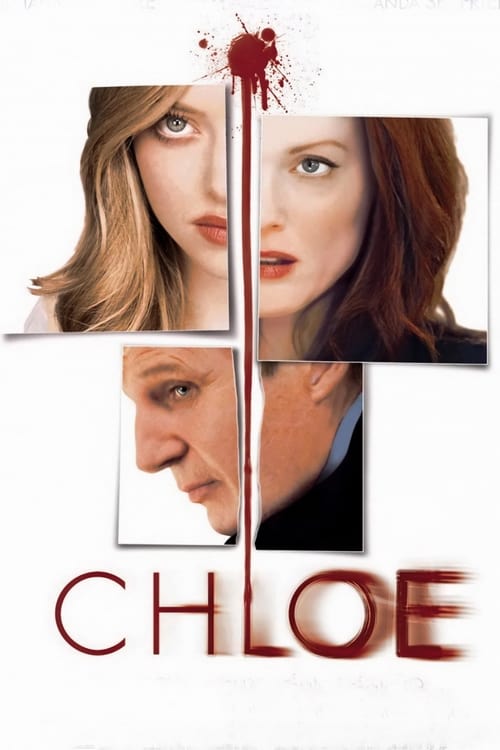
I distinctly remember watching Chloe for the first time on a scratched DVD I’d scavenged from a bargain bin while drinking lukewarm peppermint tea in a drafty apartment. There’s something about Atom Egoyan’s films that demands a bit of a chill in the room; he’s the master of "glass and steel" cinema—movies that look beautiful and expensive but feel like they might shatter if you breathe on them too hard.
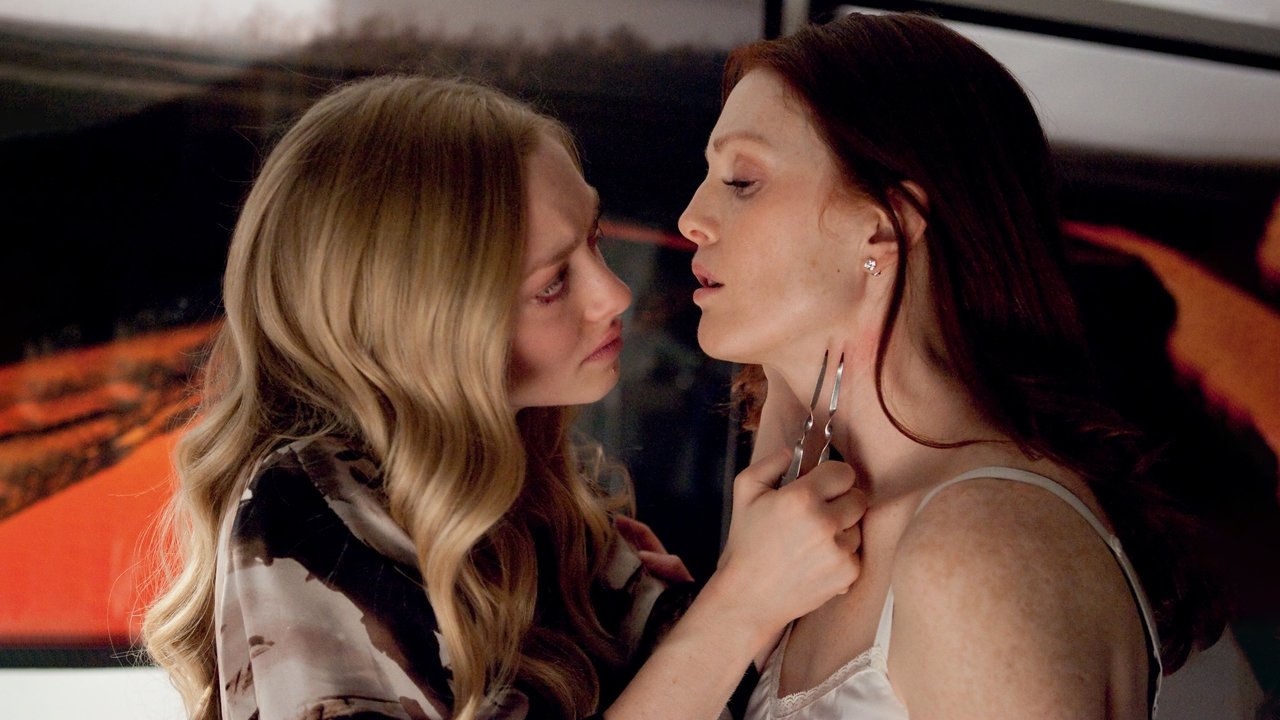
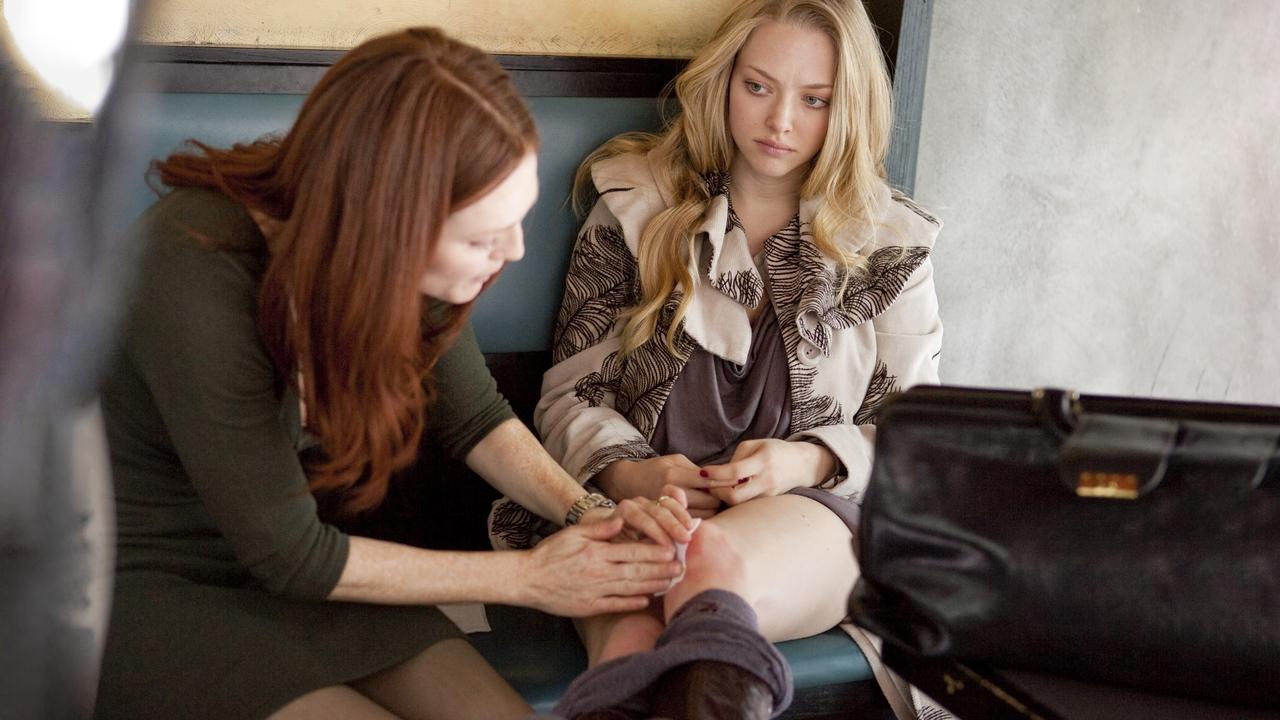
Released in 2010, Chloe arrived at the tail end of the "prestige erotic thriller" era. It was a time when studios were still trying to figure out if people wanted high-brow psychodramas or just another Taken sequel. Ironically, it stars Liam Neeson, right as his career was pivoting into "man with a very specific set of skills" territory, but here he plays David, a music professor who might just be a garden-variety philanderer. His wife, Catherine, played by the perpetually luminous Julianne Moore (Magnolia, Far From Heaven), is a successful doctor who suspects her husband is cheating after he misses a flight and a surprise party. Her solution? Hire a high-end escort named Chloe (Amanda Seyfried) to "test" him and report back with the sordid details.
The Art of the Hired Seduction
What follows is a slow-burn descent into voyeurism. The film’s greatest strength isn't actually the mystery of whether David is cheating—it’s the chemistry between the two women. Amanda Seyfried was coming off Mean Girls and Mamma Mia! at the time, and this was her "I’m a serious actor now" pivot. She’s hypnotic here, using those massive, feline eyes to project a mix of innocence and predatory calculation. I’ve always maintained that Seyfried plays "unhinged" better than almost anyone in her generation.
As Chloe describes her encounters with David to Catherine, the movie shifts into a strange, vicarious headspace. We see these encounters in flashback, but because they are being narrated by an escort who is being paid to tell a specific story, we’re never quite sure what’s real. Egoyan and screenwriter Erin Cressida Wilson (who wrote the equally kinky Secretary) lean into the idea that words are often more erotic than the acts themselves. The Stewart house, all floor-to-ceiling windows and cold surfaces, acts as a perfect cage for Catherine’s growing obsession. It’s a classic Egoyan setup: people using technology and intermediaries to avoid actually talking to the person sleeping next to them.
Real-Life Tragedy and the Neeson Factor
There is a heavy, somber cloud hanging over this production that’s hard to ignore in retrospect. During filming, Liam Neeson’s wife, Natasha Richardson, suffered her tragic skiing accident. Neeson famously left the set to be with her and returned just days after her passing to finish his scenes. Knowing this, his performance feels remarkably grounded, though his character is kept at a distance for much of the runtime.
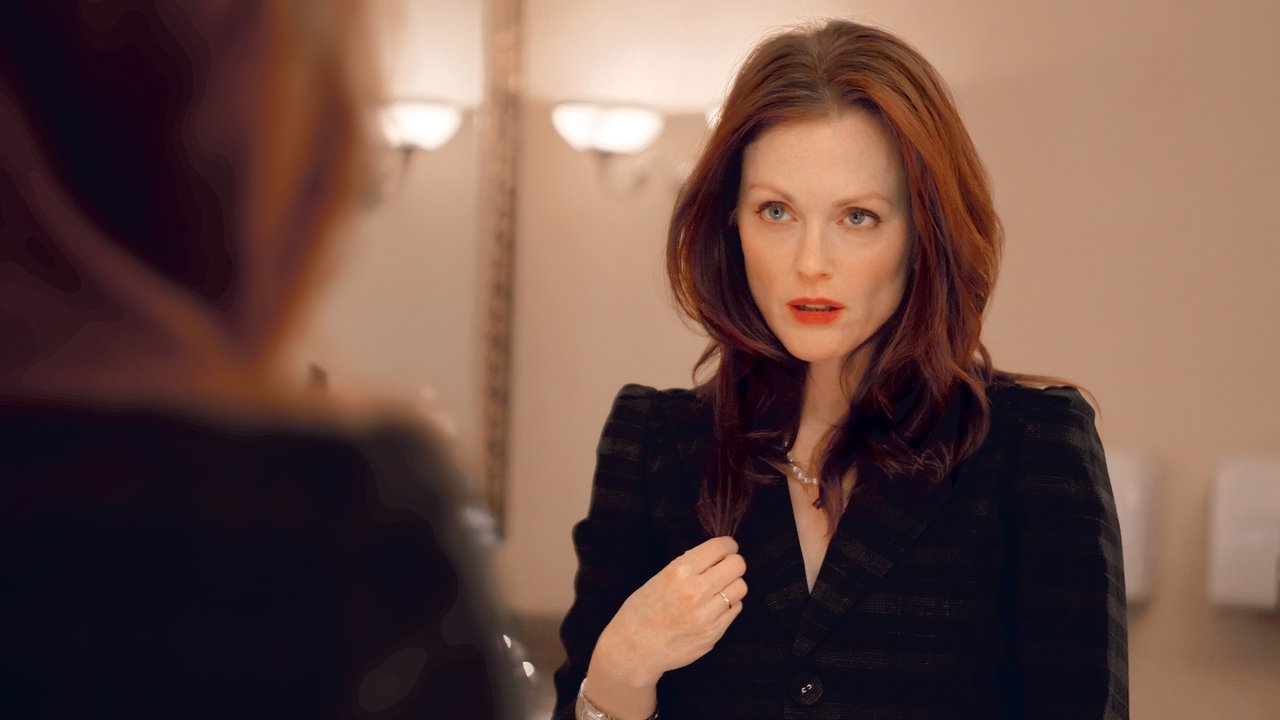
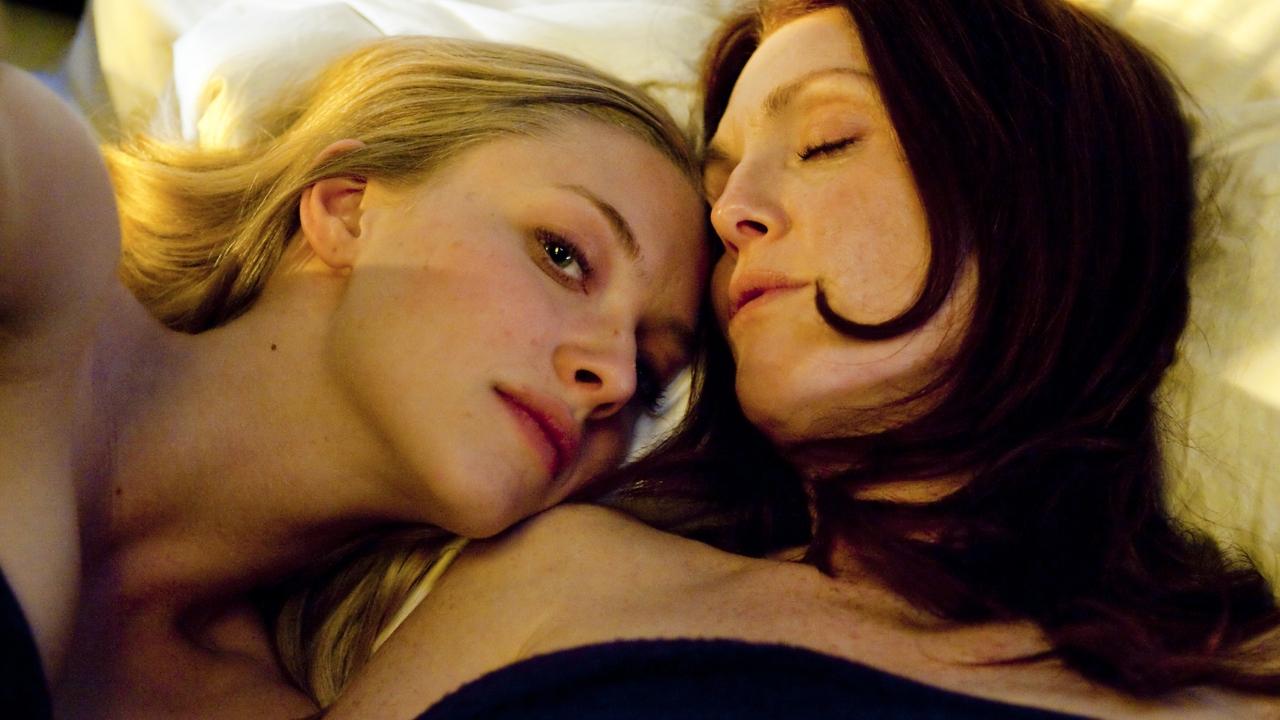
His absence from the middle chunk of the film actually works in its favor, allowing the tension between Julianne Moore and Amanda Seyfried to move from professional to deeply, uncomfortably personal. Moore is the absolute queen of the "contained breakdown," and watching her navigate Catherine’s crumbling self-esteem is the real draw here. She makes you feel the pathetic, human itch of needing to know the truth, even when you know the truth is going to wreck your life.
The film is a remake of a 2003 French film called Nathalie..., and you can feel that European DNA in its DNA. It’s a movie that’s more interested in the texture of a silk dress or the way light hits a greenhouse than it is in providing a traditional "whodunnit" payoff. It’s "Elevated Lifetime Movie" at its finest, and I mean that as a sincere compliment.
Why It Slipped Through the Cracks
So, why don't we talk about Chloe more? It’s a bit of a genre orphan. It was too "trashy" for the hardcore arthouse crowd who wanted another The Sweet Hereafter from Egoyan, and it was too slow and cerebral for the audience looking for a tawdry thriller. It exists in that middle ground of the early 2010s where digital cinematography started making everything look a little too clean, losing some of the grainy, sweat-soaked atmosphere of 90s thrillers like Basic Instinct.
The ending of this movie is, frankly, a bit of a structural car crash. It takes a hard turn into conventional "thriller" territory that feels at odds with the elegant psychological game of the first two acts. It’s as if the producers got nervous that a movie about three people talking in glass rooms wouldn't sell tickets and demanded a "climax" in the most literal, Hollywood sense.
Despite the wonky third act, the film remains a fascinating artifact of a time when we still put movie stars in rooms together and let them be weird. It’s a beautifully shot, superbly acted exploration of how jealousy can become a more powerful drug than love. If you’re in the mood for something that feels like a cold glass of Sancerre—crisp, a little bitter, and likely to give you a headache if you overindulge—Chloe is well worth the 96 minutes.
Ultimately, Chloe survives on the backs of its two lead actresses. While the plot eventually meanders into territory that feels a little too "Fatal Attraction" for its own good, the middle hour is a masterclass in tension. It captures that specific, modern anxiety of living in a beautiful home with a person you realize you don't actually know. It’s not a masterpiece, but it’s a stylish, moody distraction that reminds us why Julianne Moore is a goddamn national treasure. Just don't go hiring any escorts to test your spouse afterward; it rarely ends this cinematically.

Keep Exploring...
-
The Captive
2014
-
The Jacket
2005
-
Inland Empire
2006
-
In the Valley of Elah
2007
-
Premonition
2007
-
Untraceable
2008
-

Kill the Messenger
2014
-

Red Riding Hood
2011
-

Revolver
2005
-
Stay
2005
-
The Constant Gardener
2005
-
Blindness
2008
-
Passengers
2008
-

Pride and Glory
2008
-
Edge of Darkness
2010
-
The Client
1994
-
Courage Under Fire
1996
-
Breakdown
1997
-
Kiss the Girls
1997
-
Wild Things
1998