Clash of the Titans
"Release the Kraken. Avoid the 3D."
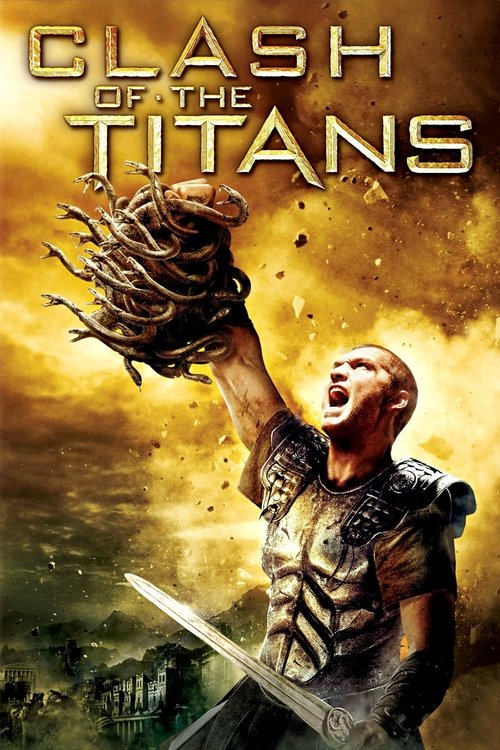
I remember the headache more vividly than the plot. Not a metaphorical headache brought on by a convoluted script, but a very literal, throbbing pain behind my eyes caused by the 2010 theatrical experience. I watched this at a midnight screening in a theater that smelled faintly of damp upholstery and over-salted popcorn, wearing a pair of those heavy, plastic 3D glasses over my actual glasses. It was a disaster. At the time, Hollywood was drunk on Avatar fever, and Louis Leterrier’s Clash of the Titans was the first major casualty of the "post-conversion" craze—a process where a movie shot in 2D is hastily scrubbed into 3D in post-production. It looked like a pop-up book made of mud.
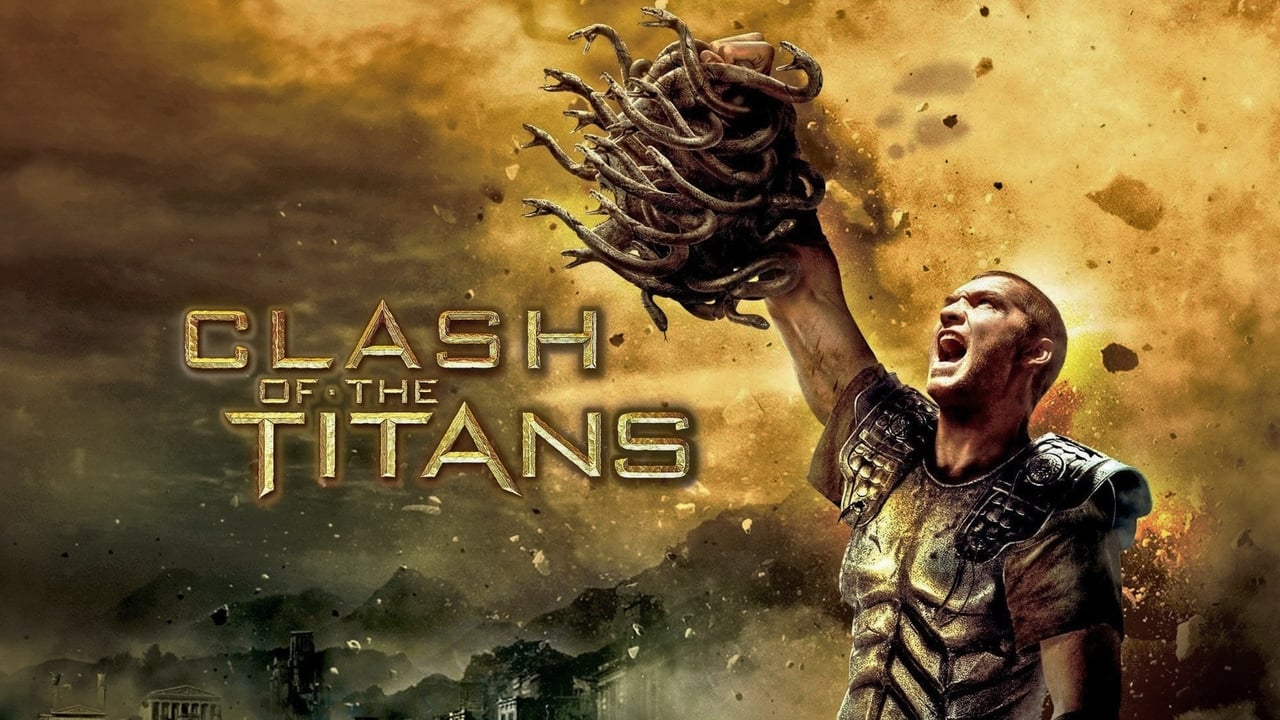
But looking back at it now on a crisp 2D screen, without the literal blurred vision, the film reveals itself as a fascinating artifact of the late-2000s blockbuster machine. It’s a movie caught between two worlds: the charmingly tactile legacy of Ray Harryhausen’s 1981 original and the emerging "dark and gritty" mandate that governed every franchise in the wake of The Dark Knight.
The Demigod with a Buzzcut
The 2010 version of Perseus isn't a flowing-locked hero of myth; he’s a disgruntled soldier played by Sam Worthington with a modern military buzzcut and a permanent scowl. Worthington was the "it" guy of this specific window (2009–2012), and his Perseus is less about divine destiny and more about a man who just wants to punch a god in the mouth. I actually appreciate his stubbornness now more than I did then. He refuses the gifts of the gods, insisting on winning as a man, which gives the film a distinctly post-9/11 cynicism toward higher authorities.
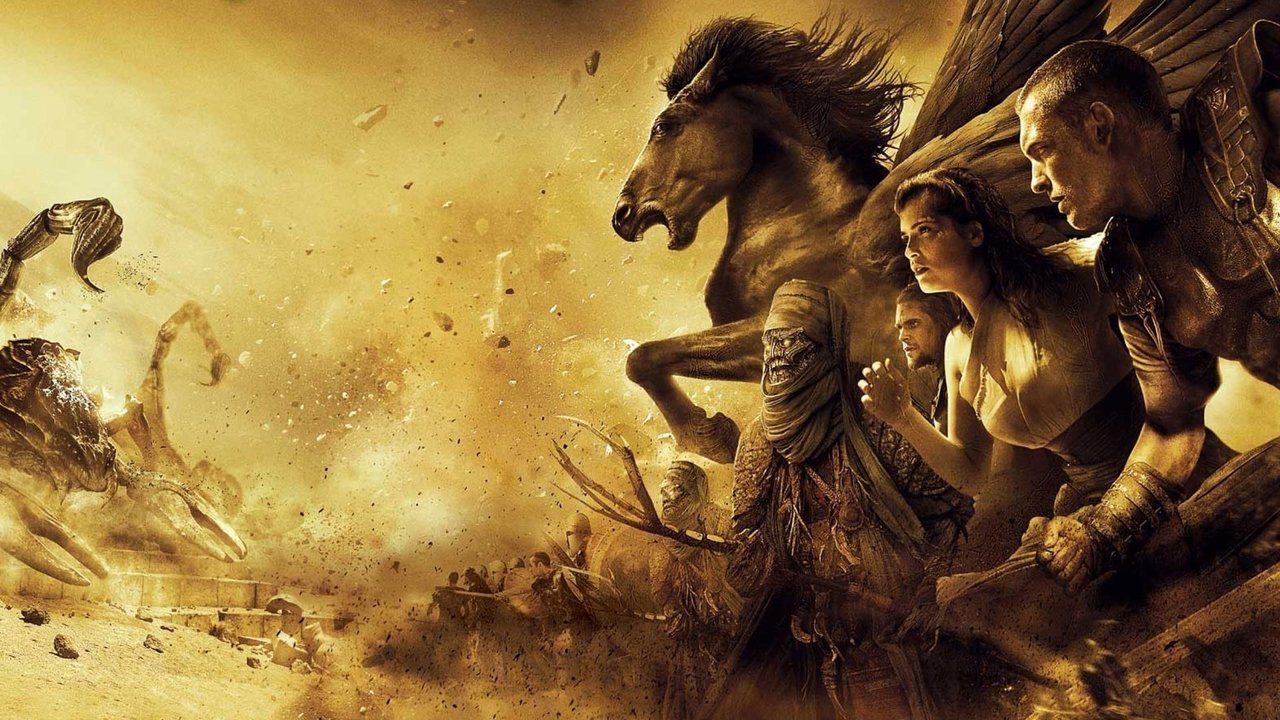
The real MVP here, however, is Mads Mikkelsen as Draco. He brings a weathered, weary gravitas to the leader of the King’s Guard that the rest of the movie doesn't quite earn. Every time Mikkelsen is on screen, the stakes feel physical. You believe he’s spent decades training to fight things that shouldn't exist. Beside him, Gemma Arterton does her best with the role of Io, a sort of immortal spiritual guide who replaces the traditional love interest role of Andromeda (played by Alexa Davalos, who is mostly relegated to "sacrifice" status here).
Action Choreography and the Digital Kraken
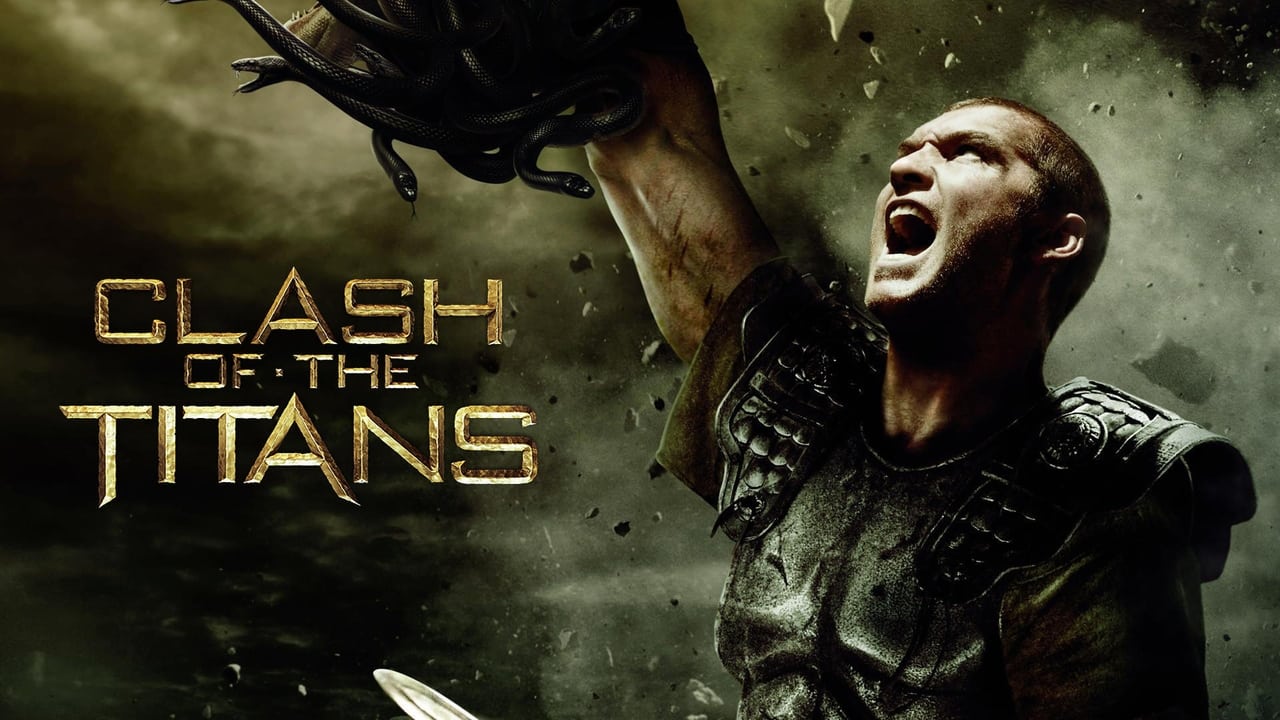
If you’re watching this for the action—and let’s be honest, that’s the only reason to watch—there are moments of genuine flair. The battle with the giant scorpions (the "Scorpioch") is a high point. It has a frantic, heavy rhythm that feels like a precursor to the "monsters-versus-puny-humans" style Leterrier would later refine. The cinematography by Peter Menzies Jr. captures the scale of the Canary Islands locations, giving the journey a sense of geological weight before the CGI takes over.
Then there’s the Medusa sequence. This is where the CGI revolution of the era really shows its teeth. Unlike the stop-motion Medusa of the '81 film—which remains terrifying because of its uncanny stillness—this Medusa is a fast-moving, digital blur. It’s a well-staged sequence, emphasizing the verticality of the temple, but it lacks the soul of the practical effects it replaced. The Kraken itself is basically a giant, wet house of cards that falls over the moment the plot requires it. It’s a spectacle, sure, but it feels hollow compared to the more intimate fights.
The Glittering Gods of Olympus
One thing that has aged into pure "camp" territory is the depiction of Mount Olympus. Liam Neeson (Zeus) and Ralph Fiennes (Hades) are essentially playing a celestial version of Schindler’s List's central conflict, but with more sequins. Neeson’s armor is so shiny it looks like he’s wearing a disco ball’s prom suit, and Fiennes plays Hades as a raspy, smoke-wreathed emo uncle.
Apparently, the production was quite a whirlwind. The studio famously fast-tracked the 3D conversion in just ten weeks to capitalize on the Avatar hype, which is why it looked so atrocious in theaters. Interestingly, the budget sat at a hefty $125 million, and despite the critical drubbing, it hauled in nearly $500 million globally. It was a massive commercial win that proved the "brand name" of Greek mythology was still a goldmine, even if the soul of the story was stripped for parts.
There’s also a great bit of behind-the-scenes friction: Sam Worthington reportedly hated the idea of Perseus having a "traditional" hero look and fought the director to keep his hair short and his toga functional. He wanted a "grunt's-eye view" of the gods. That grit is palpable, but it often clashes with the film’s desire to be a bright, bombastic spectacle. It's a movie that wants to be Gladiator but is forced to be a Saturday morning cartoon.
Clash of the Titans isn't a masterpiece, nor is it the disaster the initial 3D reviews suggested. It’s a loud, occasionally thrilling, and deeply weird transition film that captures Hollywood’s awkward puberty between practical sets and total digital immersion. It’s the kind of movie I’d happily have on in the background while folding laundry—it doesn't demand much, provides a few cool monster designs, and gives you Mads Mikkelsen looking cool with a sword. Sometimes, that’s enough for a Tuesday night.

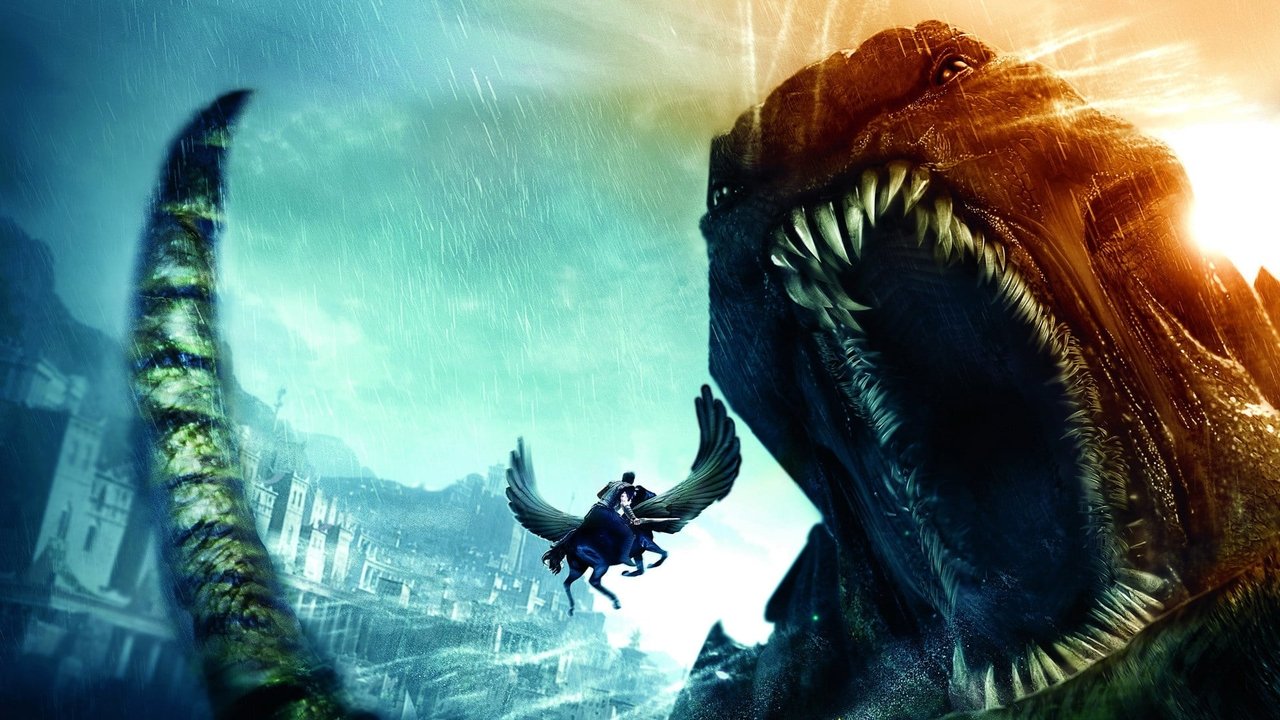
Keep Exploring...
-

Wrath of the Titans
2012
-

Night at the Museum
2006
-
The Incredible Hulk
2008
-

Puss in Boots
2011
-
Thor: The Dark World
2013
-
Solomon Kane
2009
-
Prince of Persia: The Sands of Time
2010
-
The Mummy Returns
2001
-

10,000 BC
2008
-
The Mummy: Tomb of the Dragon Emperor
2008
-
Night at the Museum: Battle of the Smithsonian
2009
-

Race to Witch Mountain
2009
-
The Sorcerer's Apprentice
2010
-
Thor
2011
-

Hansel & Gretel: Witch Hunters
2013
-
Jack the Giant Slayer
2013
-
DragonHeart
1996
-
Pirates of the Caribbean: At World's End
2007
-
The Hobbit: An Unexpected Journey
2012
-

The Hobbit: The Desolation of Smaug
2013