Confessions
"Class is in session. Revenge is the only subject."
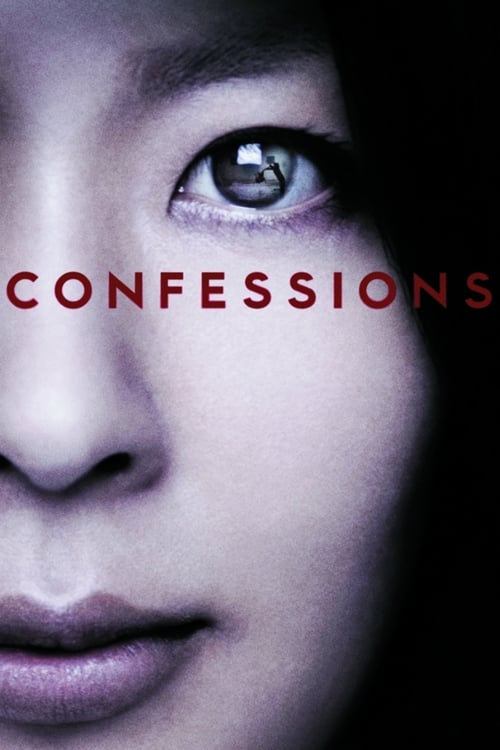
I watched Confessions (2010) on a Tuesday night while nursing a bag of slightly stale strawberry Pocky, and by the thirty-minute mark, I’d completely forgotten to keep eating. My jaw was just hanging open. I’ve seen my share of "revenge" flicks—the gritty Korean thrillers, the slick Hollywood noir—but nothing quite prepared me for the icy, calculated precision of Tetsuya Nakashima’s masterpiece.
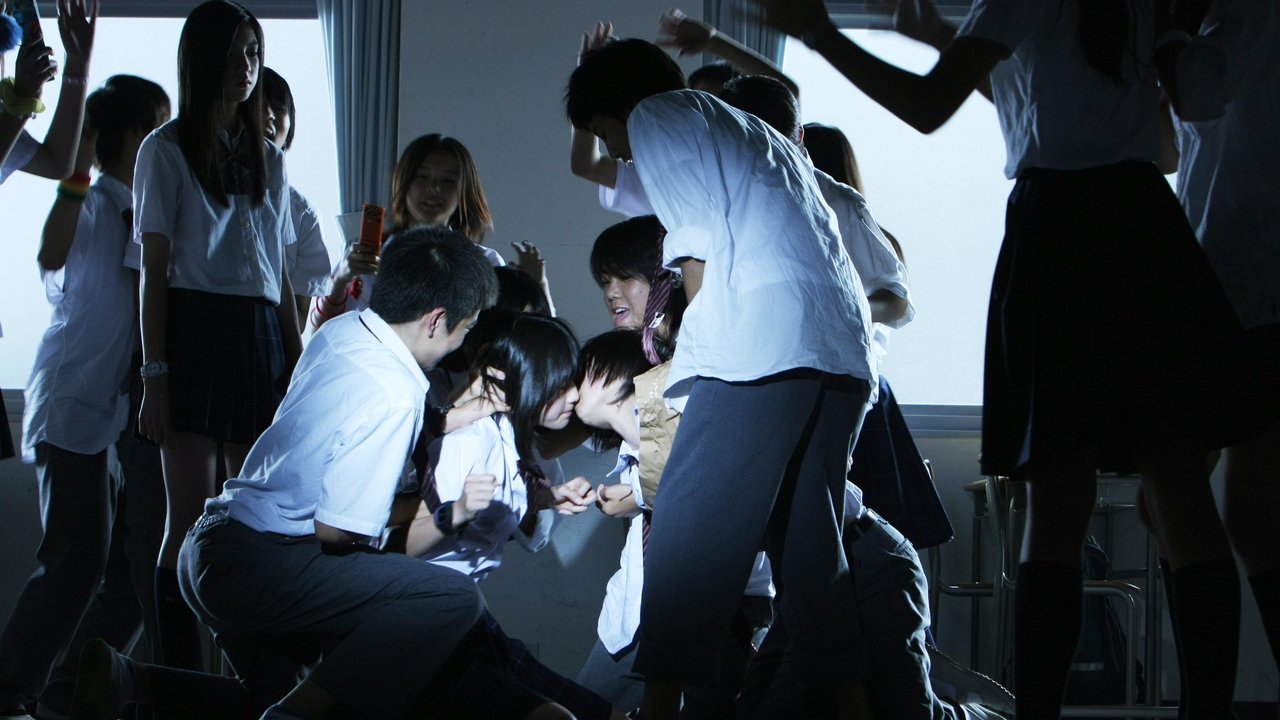
If you haven’t heard of it, don’t feel bad. While it was Japan’s official entry for the Academy Awards back in 2010, it’s since slipped into that "if you know, you know" category of international cinema. It’s a film that lives in the shadows of the early digital era, a time when directors were experimenting with just how much they could manipulate the image to reflect a fractured psyche.
The Most Terrifying Parent-Teacher Conference
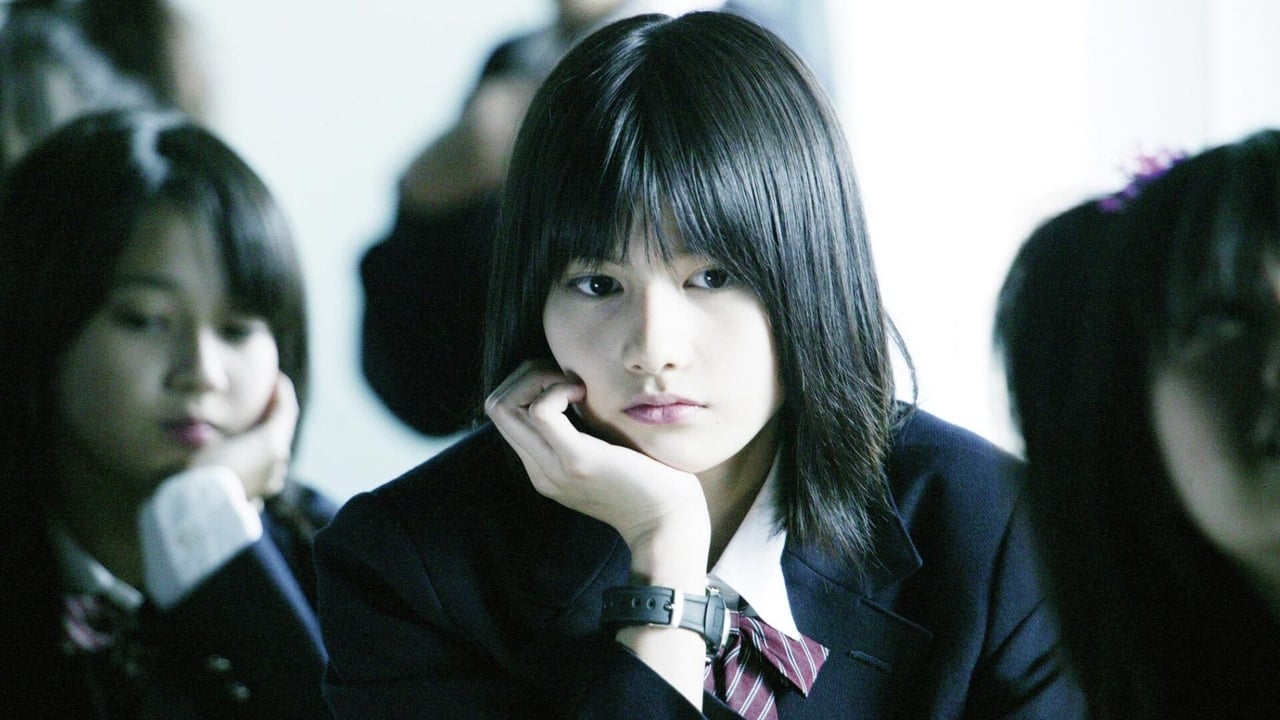
The film opens with a sequence that should be studied in every film school. For nearly thirty minutes, Yuko Moriguchi—played with a haunting, porcelain-doll stillness by Takako Matsu—stands before her middle school class on the last day of the semester. The kids are chaotic, screaming, throwing things, and drinking their government-mandated milk. She calmly announces her retirement, and then, with the casual tone of someone reading a grocery list, explains that her four-year-old daughter did not accidentally drown in the school pool. She was murdered. And the killers are sitting in this room.
Moriguchi doesn't call the police. She knows that as "juveniles," the law will protect them. Instead, she informs the class that she has injected the blood of her late husband—who died of AIDS—into the milk cartons the two killers just finished drinking.
It is a staggering opening. Takako Matsu delivers this monologue with a terrifying lack of histrionics. She doesn't scream; she doesn't weep. She just destroys their lives with a soft voice and a steady gaze. Looking back at the 2010 landscape, this was the height of the "Monster Parent" and "Classroom Collapse" anxieties in Japan, and Nakashima taps directly into that jugular. He takes the safety of the schoolhouse and turns it into a sociopath’s Pinterest board come to life.
A Symphony of Digital Gloom
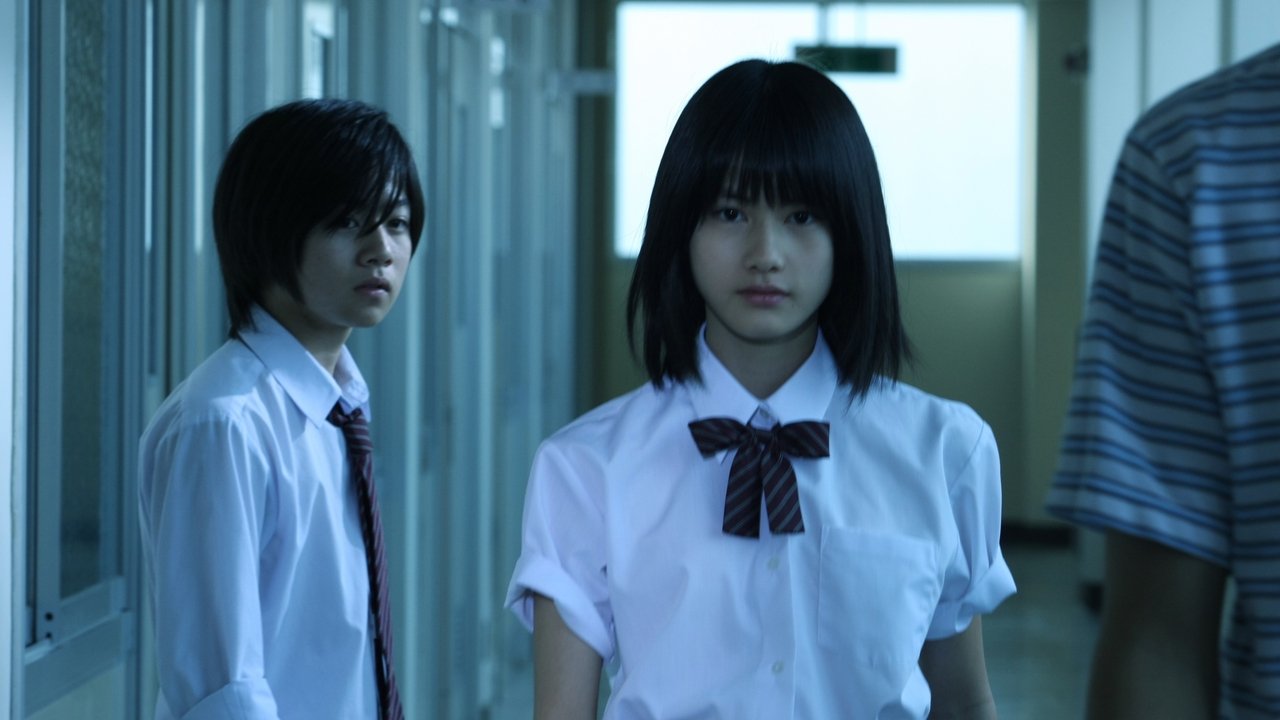
Visually, Confessions is unlike anything else from its era. Director Tetsuya Nakashima came from a commercial and music video background, and you can see that DNA in every frame. The film is drenched in a cold, monochromatic blue-grey palette. Everything is shot in high-definition digital that feels hyper-real yet utterly detached, like a fever dream you’re having while suffering from the flu.

He uses slow-motion relentlessly—raindrops hanging in the air, blood splashing against a chalkboard, a girl’s hair whipping across her face. In 2010, this kind of stylized "digital chic" could have felt dated or gimmicky, but here, it serves the narrative perfectly. It slows down time so we can see the exact moment a teenager’s conscience (or lack thereof) begins to rot.
The soundtrack is equally jarring and brilliant. It jumps from the ethereal, melancholic tones of Radiohead’s "Last Flowers" to the heavy, oppressive sludge of the Japanese experimental band Boris. This contrast between the "beautiful" visuals and the "ugly" subject matter is the film’s greatest strength. It’s a movie that asks you to admire the craftsmanship of a ticking bomb.
The Kids Aren't Alright
While Takako Matsu is the anchor, the film shifts perspectives to the students and their parents, revealing the "confessions" of the title. We see the world through the eyes of Shuya (Yukito Nishii), a boy whose genius is matched only by his desperate, lethal need for his mother’s attention, and Naoki (Kaoru Fujiwara), a weak-willed boy being smothered by his mother’s (Yoshino Kimura) toxic "my-son-could-never" delusions.
The performances from these young actors are genuinely unsettling. There’s a specific brand of teenage cruelty that feels universal—the boredom, the casual bullying, the desire to feel anything—and Nakashima captures it with an unflinching eye. Ai Hashimoto is also standout as Mizuki, the class representative who develops a morbid fascination with Shuya.
It’s worth noting that Confessions doesn't offer the easy catharsis of a typical thriller. There are no heroes here. Even Moriguchi, our protagonist, is a woman who has moved beyond the realm of "good" in her quest for a punishment that fits the crime. It’s a dark, intense exploration of how grief can turn a person into a monster, and how those monsters, in turn, create new ones.

Why This Gem Deserves a Rewatch
Why did this film fade from the mainstream conversation? Perhaps it was just too bleak for the 2010s "blockbuster" palate, or maybe its critique of Japanese social structures felt too specific to the region. But watching it today, it feels incredibly prescient. In an age of viral infamy and the performative nature of social media, Shuya’s obsession with "making a mark" on the world feels uncomfortably modern.
It’s also a masterclass in adaptation. Based on the novel by Kanae Minato, the script manages to juggle multiple unreliable narrators without ever losing the thread of the plot. Every time you think the film has reached its peak intensity, it finds a new gear.
Confessions is a cold, brilliant, and deeply disturbing piece of cinema that lingers in your mind long after the final, explosive frame. It’s a film that demands your full attention and rewards it with some of the most striking imagery of the 21st century. It isn't a "fun" movie—I certainly didn't finish my Pocky—but it is an essential one for anyone who appreciates the darker corners of the human heart. If you can handle the chill, it’s time to head back to class.
Keep Exploring...
-
Caché
2005
-
Inland Empire
2006
-
Tell No One
2006
-
In the House
2012
-
Arlington Road
1999
-
Infernal Affairs
2002
-
I'm Not Scared
2003
-
Lucky Number Slevin
2006
-
The Bourne Ultimatum
2007
-
The Girl with the Dragon Tattoo
2009
-
The Secret in Their Eyes
2009
-
Shutter Island
2010
-
The Skin I Live In
2011
-

Gone Girl
2014
-
The Constant Gardener
2005
-
The Jacket
2005
-
In the Valley of Elah
2007
-
Kill the Messenger
2014
-
Lady Vengeance
2005
-
The Protector
2005