Despicable Me
"Evil has a new face. And it’s wearing pajamas."
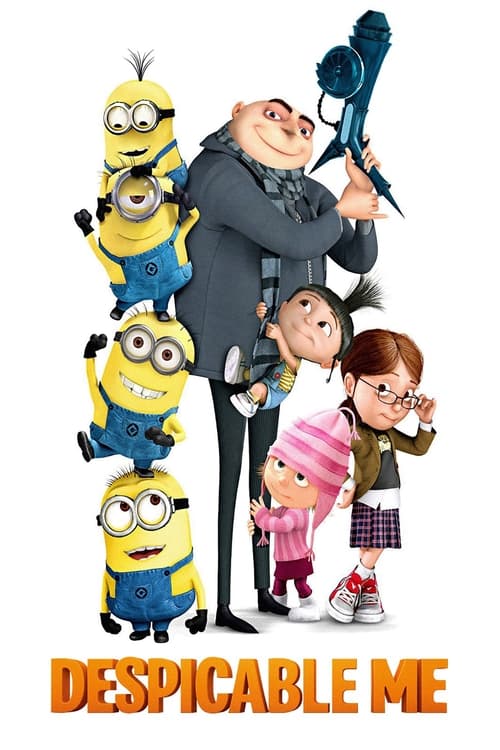
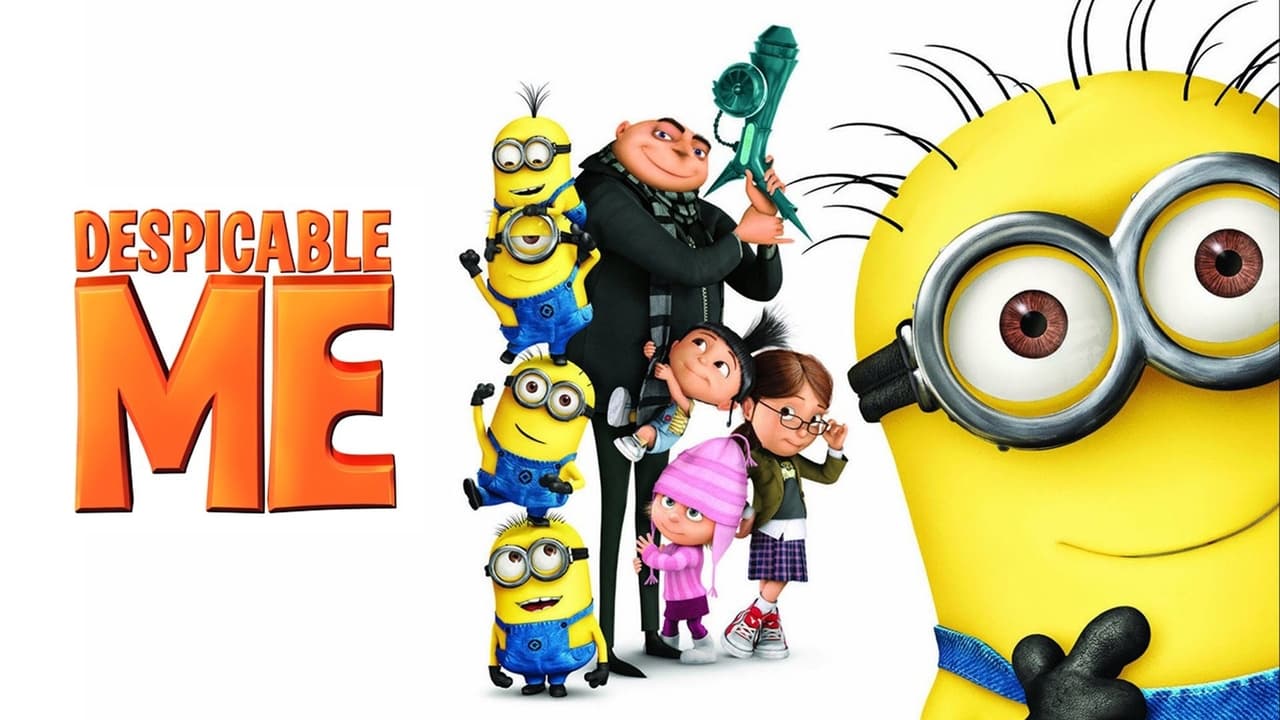
I remember first seeing Despicable Me while sitting in a folding chair in my cousin’s basement, eating a lukewarm burrito that was approximately 40% bean-filler. It was 2010, the "Golden Age" of Pixar was in full swing with Toy Story 3, and Dreamworks had just peaked with How to Train Your Dragon. Enter Illumination Entertainment, a relative underdog with a $69 million budget—roughly half of what the big dogs were spending—and a protagonist who looked like a cross between a Gothic gargoyle and a very grumpy uncle.
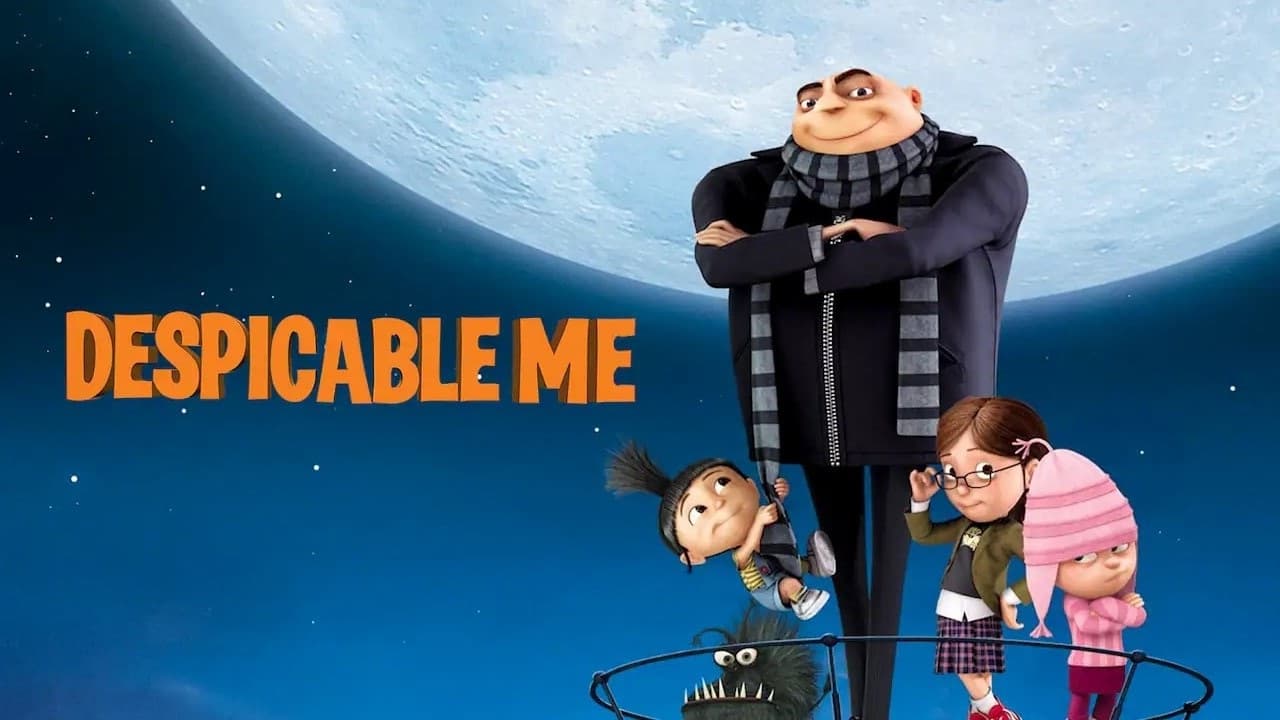
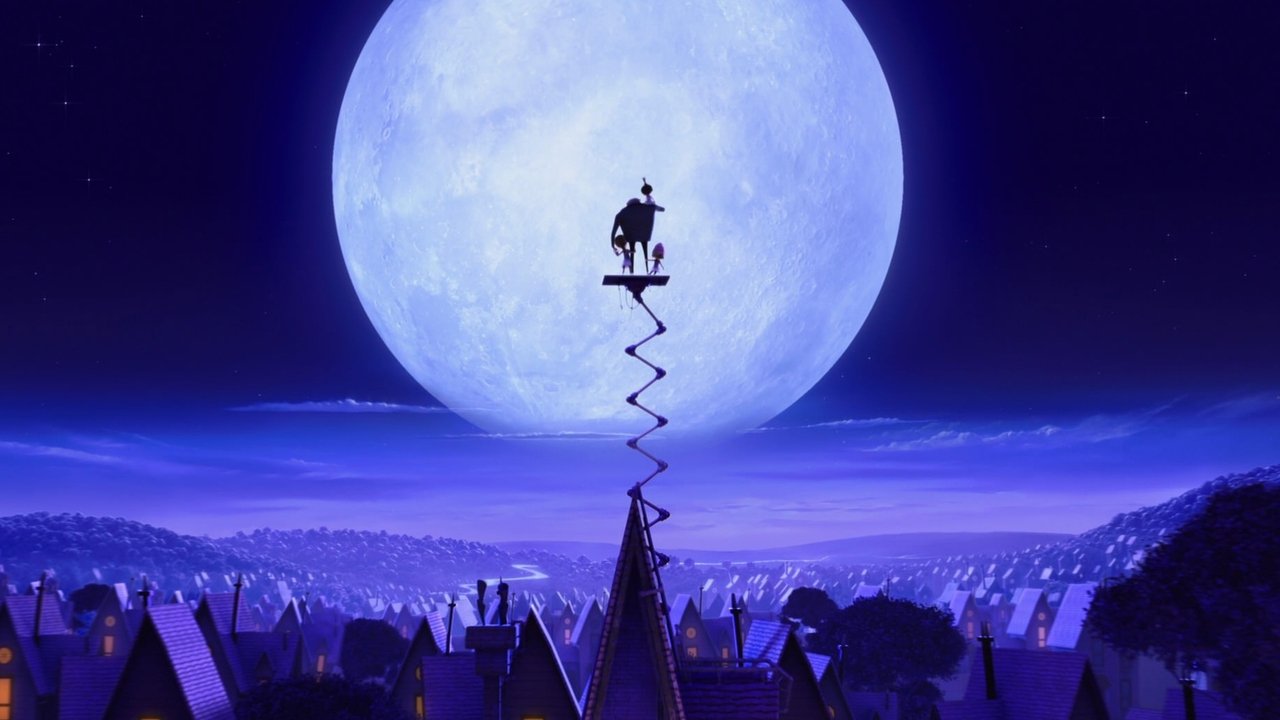
Looking back, the film shouldn't have worked as well as it did. It’s a science fiction heist movie disguised as a family comedy, starring a man who wants to commit the ultimate cosmic crime: stealing the moon. But beneath the shrink rays and the slapstick, I found a surprisingly sharp piece of storytelling that managed to dodge the "sweetness trap" that usually kills movies about orphans and grumps.
The Anti-Hero in the Nursery
The late 2000s were obsessed with the anti-hero. We had The Sopranos and Breaking Bad on TV, but the world of kids' animation was still mostly populated by wide-eyed dreamers. Steve Carell (The Office, Foxcatcher) flipped that script. His Gru is a delightful disaster—a man whose pride is wounded because a younger, more obnoxious villain named Vector (Jason Segel) stole the Great Pyramid of Giza.
Carell’s vocal performance is a masterclass in "character over celebrity." He doesn't just use his normal voice; he creates this bizarre, vaguely Eastern European growl that makes every line—especially his disdain for "leeeetle girls"—funnier than it has any right to be. When he’s paired with Russell Brand (Get Him to the Greek) as the elderly, hard-of-hearing Dr. Nefario, the movie leans into a dry, British-inflected wit that balances out the more frantic energy of the plot.
High-Tech Heists and Looney Tunes Logic
As a piece of sci-fi, Despicable Me is wonderfully absurd. It captures that "Retro-Future" aesthetic where everything is made of brushed metal and glows with purple light. The gadgets are the star of the show here. We get the SR-6 Shrink Ray, the freeze ray, and the "Cookie Robots" used to infiltrate Vector’s fortress. Vector himself is a hilarious send-up of the tech-bro villain—he looks like he’s perpetually ready to film a 1990s Microsoft commercial in his orange tracksuite.
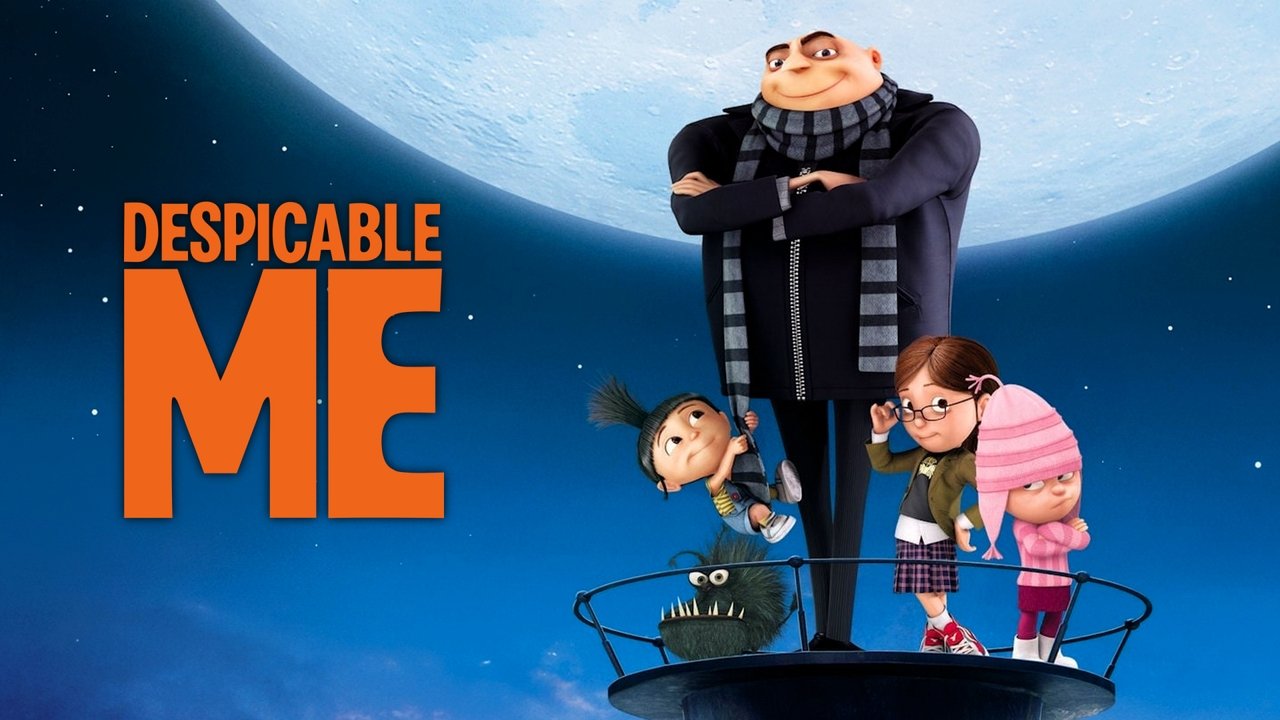
The directors, Pierre Coffin and Chris Renaud, clearly grew up on a diet of Looney Tunes and Bond films. The way Gru navigates his world—driving a vehicle that takes up four lanes and produces enough smog to choke a dragon—is pure visual comedy. It’s "Soft Sci-Fi" at its best; the movie doesn't care about the physics of how a shrink ray works or why the moon doesn't cause immediate tidal apocalypses when moved. It only cares about the rule of cool (and the rule of funny).
The Yellow Elephant in the Room
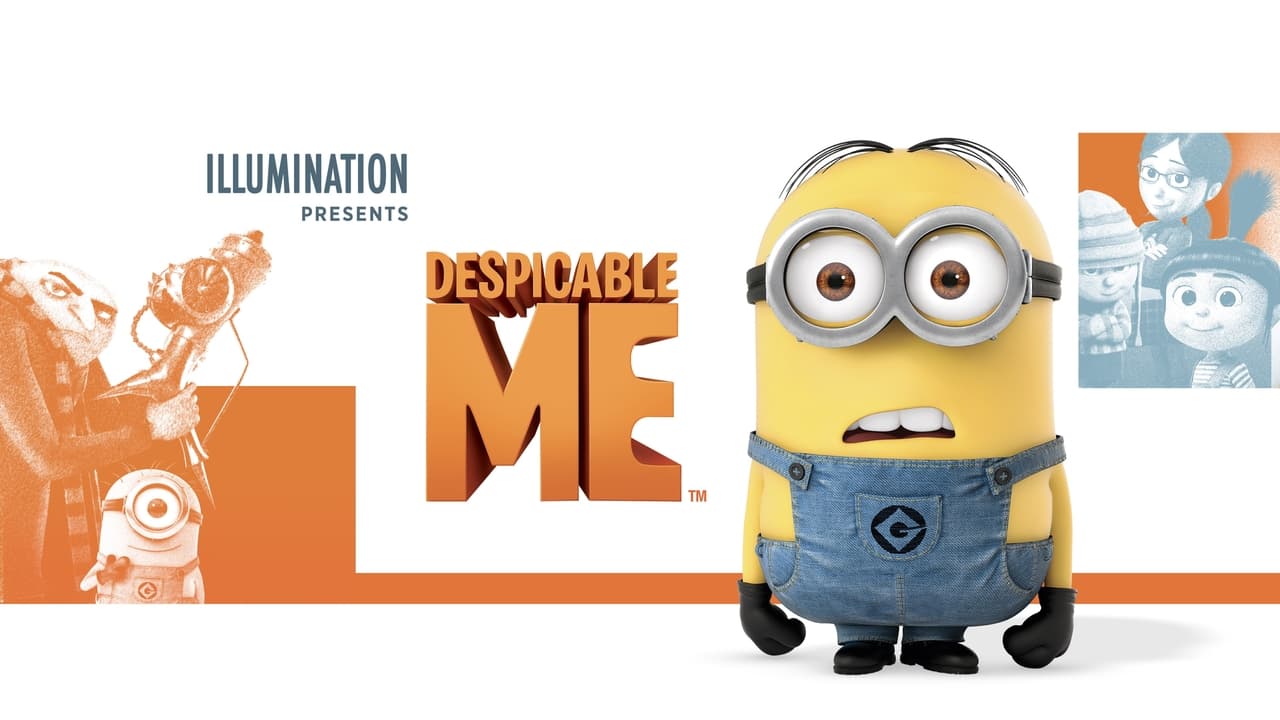
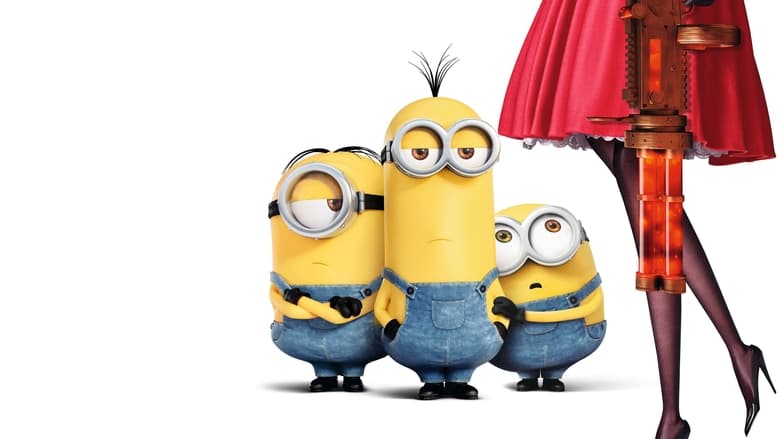
We have to talk about the Minions. Before they were on every lunchbox, t-shirt, and weirdly aggressive Facebook meme in existence, they were just a brilliant production solution. Apparently, the original designs for Gru’s henchmen were more human-like, but budget constraints forced the team to simplify. The result? Yellow, pill-shaped chaotic neutrals who speak a gibberish language—composed of French, Spanish, English, and Italian food names—voiced by the directors themselves.
In this first outing, they aren't the main event; they are the seasoning. Their slapstick interludes feel like a throwback to silent cinema. I’ve always felt that the Minions are basically the Looney Tunes of the iPad generation, for better or worse. In 2010, they felt fresh. They provided the "Comedy" in the "Comedy/Sci-Fi" equation, allowing the human characters to handle the emotional heavy lifting.
A Legacy of Heart (and Marketing)
While the film grossed a massive $543 million and launched a franchise that would eventually include Minions (2015) and several sequels, the original holds up because of its sincerity. The relationship between Gru and the three orphans—Margo (Miranda Cosgrove), Edith (Dana Gaier), and the unicorn-obsessed Agnes (Elsie Fisher)—actually earns its keep. When Gru reads them his "sleepy kittens" book, it doesn't feel like a cynical plot beat. It feels like a genuine thaw.
The production also benefitted from a killer soundtrack by Pharrell Williams. Before "Happy" became a song we all heard ten thousand times too many, his work on this film provided a sleek, Pharrell-esque groove that separated Despicable Me from the orchestral swells of its competitors. It gave the movie a modern, urban edge that felt very "2010."
Despicable Me is a rare example of a blockbuster that managed to be both a marketing juggernaut and a genuinely good film. It took the burgeoning "villain-as-protagonist" trope and gave it a technicolor, gadget-filled playground to run around in. While the later films in the collection might lean a bit too hard into the Minion-mania, this original entry remains a tight, inventive, and hilariously mean-spirited-yet-sweet adventure. It’s the kind of movie that makes me want to go out and buy a shrink ray, if only to deal with the guy who keeps mowing his lawn at 8:00 PM on a Sunday.
Keep Exploring...
-
Despicable Me 2
2013
-
Despicable Me 4
2024
-
Despicable Me 3
2017
-
Robots
2005
-
Horton Hears a Who!
2008
-

Minions: The Rise of Gru
2022
-
Minions
2015
-
The Secret Life of Pets
2016
-
The Lorax
2012
-

Ice Age: The Meltdown
2006
-
Meet the Robinsons
2007
-
Ratatouille
2007
-
Shrek the Third
2007
-

Ice Age: Dawn of the Dinosaurs
2009
-
Megamind
2010
-
How to Train Your Dragon 2
2014
-
Mr. Peabody & Sherman
2014
-
The Lego Movie
2014
-
Lilo & Stitch 2: Stitch Has a Glitch
2005
-

Madagascar
2005