Devil
"Five strangers. Six floors. One Devil."
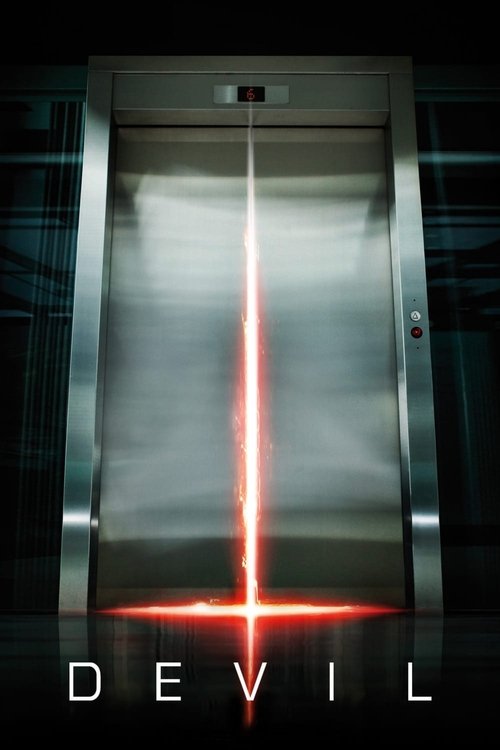
The first thing you notice about Devil is that the world is literally upside down. The opening credits crawl over an inverted Philadelphia skyline, a simple but effective visual trick by cinematographer Tak Fujimoto (the man who gave us the haunting palettes of The Silence of the Lambs and The Sixth Sense). It’s a signal: the moral compass is broken, and gravity doesn't matter where we’re going. I watched this most recently on a laptop in a hotel room where the elevator made a screeching sound like a dying cat, and to be honest, that mechanical whining did about 40% of the heavy lifting for the atmosphere before the movie even started.
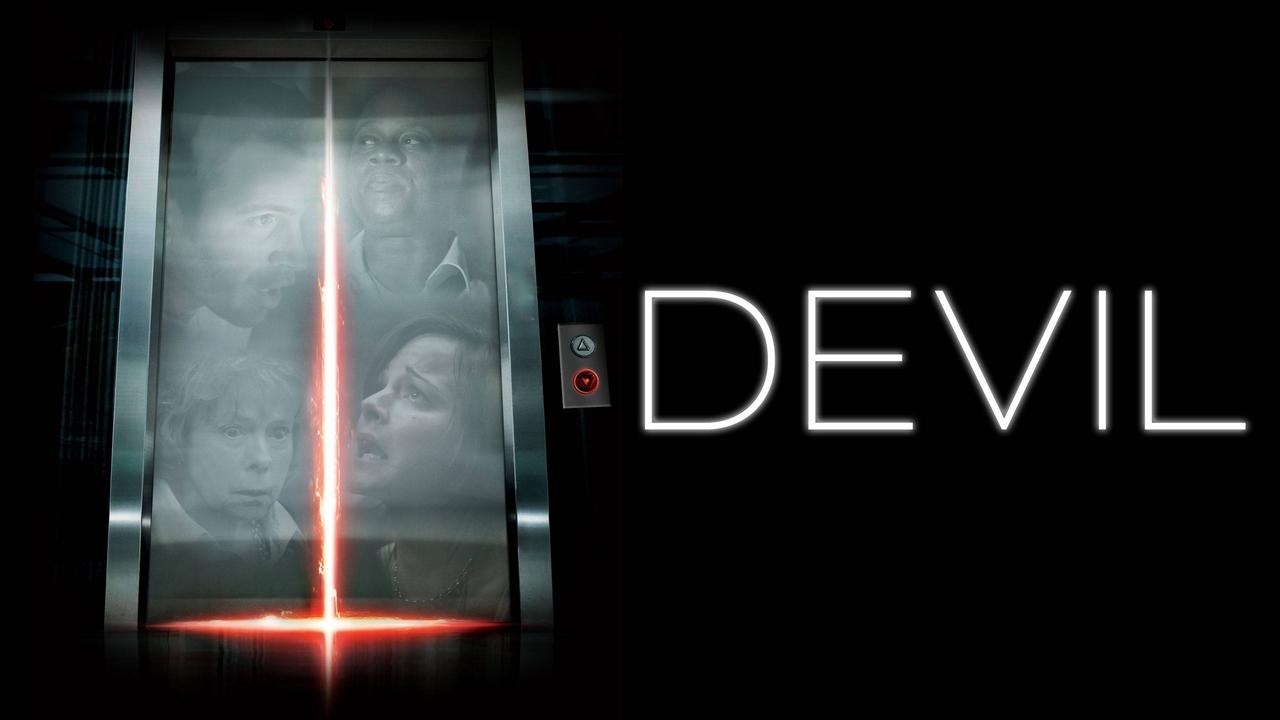
The Shyamalan Shadow and the Lift to Nowhere
Back in 2010, the marketing for Devil carried a heavy burden: the words "From the Mind of M. Night Shyamalan." At the time, Night was in a critical slump so deep he was basically digging for oil with The Last Airbender. When the trailer for this movie first hit theaters, audiences actually booed when his name popped up. It was a weird, reactionary moment in film culture, but looking back, we were all being a bit too precious. While he didn't direct this—that task fell to John Erick Dowdle, who did the American Rec remake, Quarantine—his fingerprints are all over the high-concept, "locked room" supernatural mystery.
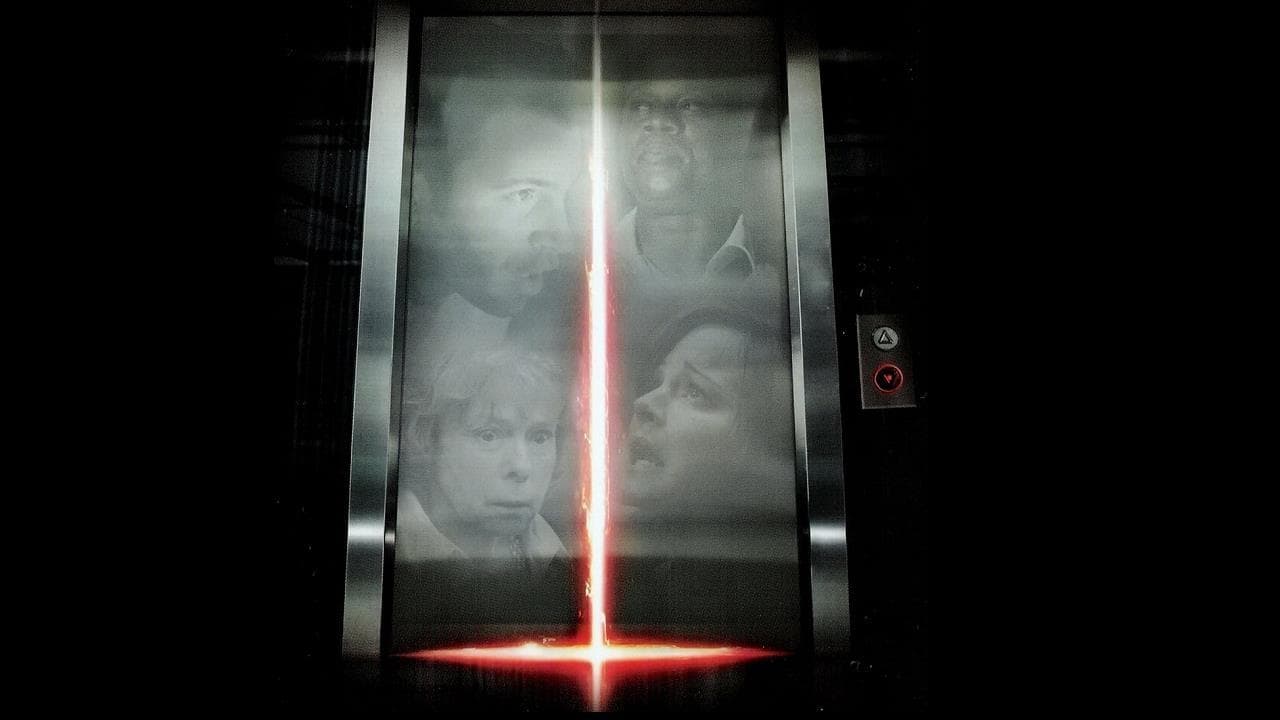
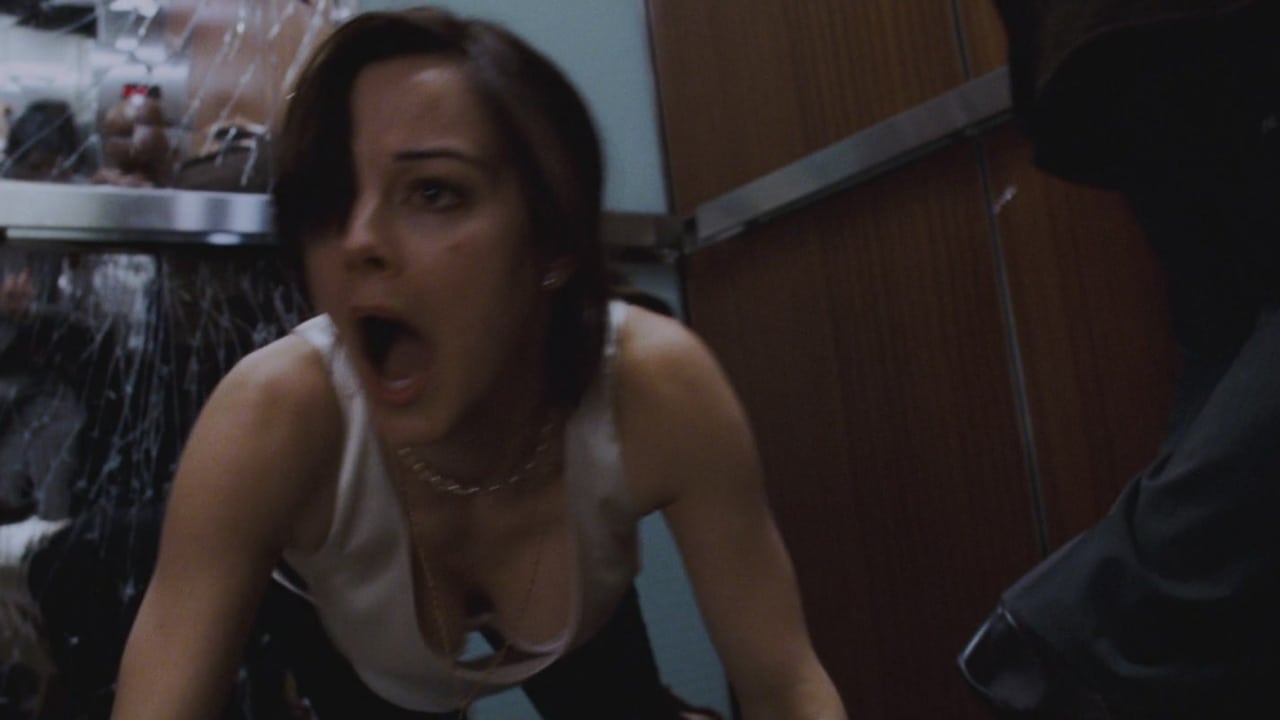
The premise is as lean as it gets. Five strangers step into an elevator in a sleek Philly high-rise. The doors jam. The lights flicker. Every time the power cuts out, someone ends up bleeding or dead. Outside the box, we have Chris Messina as Detective Bowden, a man grieving his own family tragedy, watching the carnage unfold on a grainy security feed. It’s a 10-minute campfire story stretched to 80 minutes, and for the most part, it stays surprisingly light on its feet.
Tight Spaces and Character Tropes
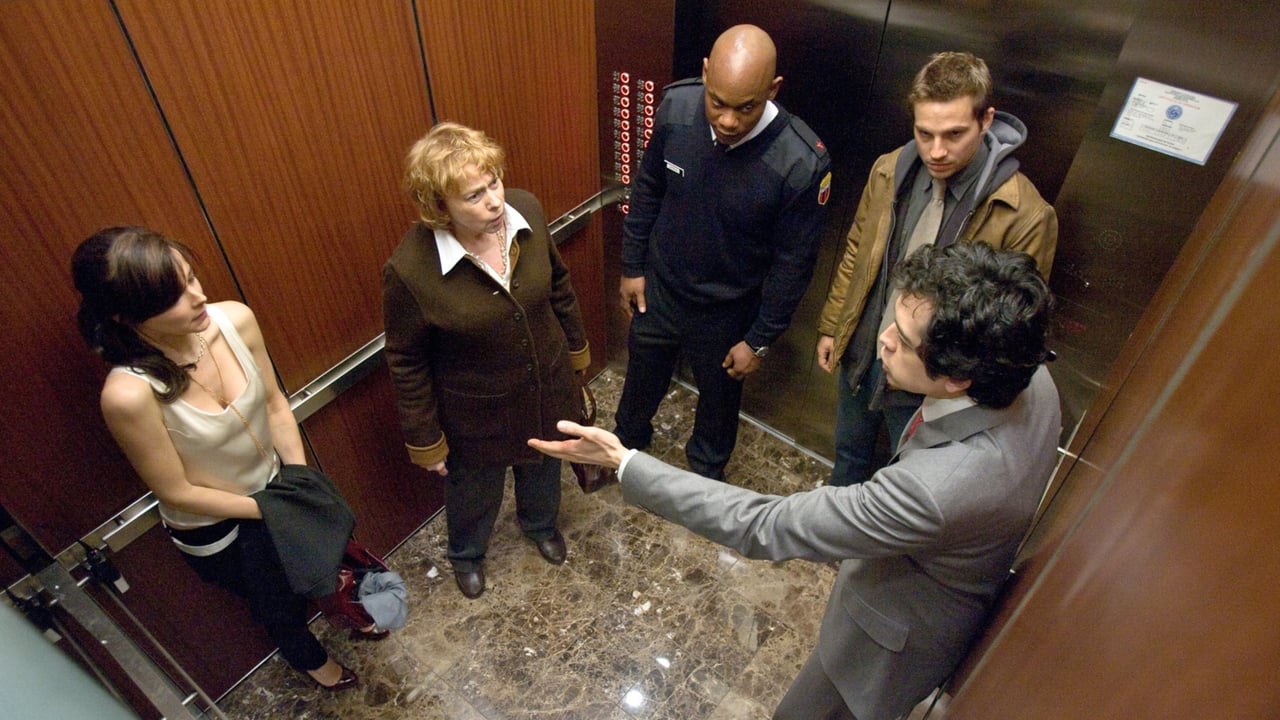
The "trapped" cast is a collection of archetypes designed to make you play a game of "Guess the Sinner." There’s the salesman, the mechanic (Logan Marshall-Green, looking like a budget Tom Hardy before he became a star in his own right), the old lady, the young woman (Bojana Novaković), and the security guard (Bokeem Woodbine). Because they are in such a confined space, the acting has to be dialled up to eleven. Every bead of sweat and shifty glance is magnified.
Bokeem Woodbine is particularly fun here; he has this nervous energy that makes you wonder if he’s the killer or just a guy who really, really hates his job. The film relies heavily on "elevator logic"—that silent, awkward tension we all feel with strangers—and turns it into a weapon. It’s basically a feature-length episode of The Twilight Zone produced by someone who once saw a ghost in a Wegmans. The script by Brian Nelson (Hard Candy) keeps the mystery moving, though it occasionally trips over its own religious heavy-handedness. When a security guard starts explaining how the Devil gathers "damned souls" by dropping a piece of jelly toast to see if it lands face-down, you have to decide if you’re in or out. I was in, mostly because the sheer absurdity of "the toast prophecy" is exactly the kind of B-movie nonsense I live for.
Behind the Scenes of a Cult Mystery
Devil was intended to be the first of "The Night Chronicles," a planned trilogy of films based on Shyamalan's ideas but handled by emerging directors. While the trilogy never truly materialized (though some say the ideas for the second film, Reincarnate, eventually evolved into other projects), this standalone entry has aged into a solid cult favorite for a few reasons:
The Toast Theory: The "Jelly Side Down" superstition mentioned in the film is a real-world variation of Murphy’s Law, and the production team actually tested it on set to see if they could get it to land jelly-side up. The "Night" Brand: Despite the initial backlash, the film was a massive financial success, grossing over $60 million on a $10 million budget. It proved that "M. Night" was still a box-office draw, even when people claimed to be tired of him. Philly Pride: Though set in Philadelphia, most of the film was actually shot in Toronto. If you look closely at the street signs outside the office building, you’ll spot some Canadian giveaways. The Intro: Those upside-down opening shots were intended to make the audience feel "nauseous and uneasy" before the first line of dialogue was even spoken. It’s a masterclass in using cinematography to set a tone. * The Detective's Faith: Chris Messina’s character was written to be a staunch atheist to provide a grounded foil to the supernatural events, a classic trope of the 2000s-era thriller.
At the end of the day, Devil doesn't try to reinvent the wheel—it just wants to stop the wheel between the 20th and 21st floors and scare you for an hour. It’s a relic of that 2010 era where digital effects were becoming seamless enough to hide in the shadows, but we still cared about a good, old-fashioned "whodunnit" twist. It’s short, punchy, and perfect for a rainy Tuesday night when you want to feel slightly better about taking the stairs. Just remember: if the lights go out, don't stand next to the guy in the uniform.
Keep Exploring...
-
As Above, So Below
2014
-
House of Wax
2005
-
The Skeleton Key
2005
-
Quarantine
2008
-
Pandorum
2009
-
Case 39
2009
-

Red Riding Hood
2011
-
30 Days of Night
2007
-
The Ninth Gate
1999
-
From Hell
2001
-
Ghost Ship
2002
-
Inland Empire
2006
-

The Omen
2006
-
Untraceable
2008
-
Drag Me to Hell
2009
-

A Nightmare on Elm Street
2010
-
The Ward
2010
-

The Invasion
2007
-
After.Life
2009
-
The Last Exorcism
2010