Diary of a Wimpy Kid
"Middle school is a war zone with dairy-based landmines."
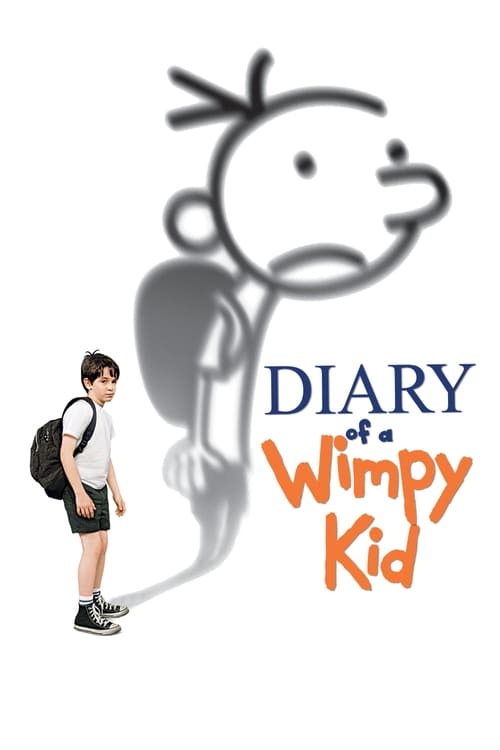
Middle school is a biological horror show, a high-stakes social hierarchy where your entire future can be dismantled by the wrong pair of shoes or an ill-timed growth spurt. Most "family" films of the late 2000s tried to sugarcoat this transition with glittery Disney Channel optimism, but Thor Freudenthal’s Diary of a Wimpy Kid (2010) opted for something much more honest: it embraced the cringe. Looking back at this film from our current era of hyper-polished streaming content, there is a refreshing, tactile grittiness to its suburban setting. It’s a movie that understands that for an eleven-year-old, a piece of moldy cheese on a blacktop is more terrifying than any CGI monster.
The Rise of the Pre-Teen Anti-Hero
What immediately separates this film from its contemporaries—and why I think it has been unfairly relegated to the "just for kids" bin—is its protagonist. Zachary Gordon plays Greg Heffley not as a misunderstood hero, but as a deeply flawed, status-obsessed, and often borderline delusional narcissist. Greg Heffley is essentially a middle-school sociopath in training, and that’s exactly what makes the movie work. While other films of the 2010 era were busy trying to make their leads relatable, this movie was brave enough to make us root against its hero’s ego.
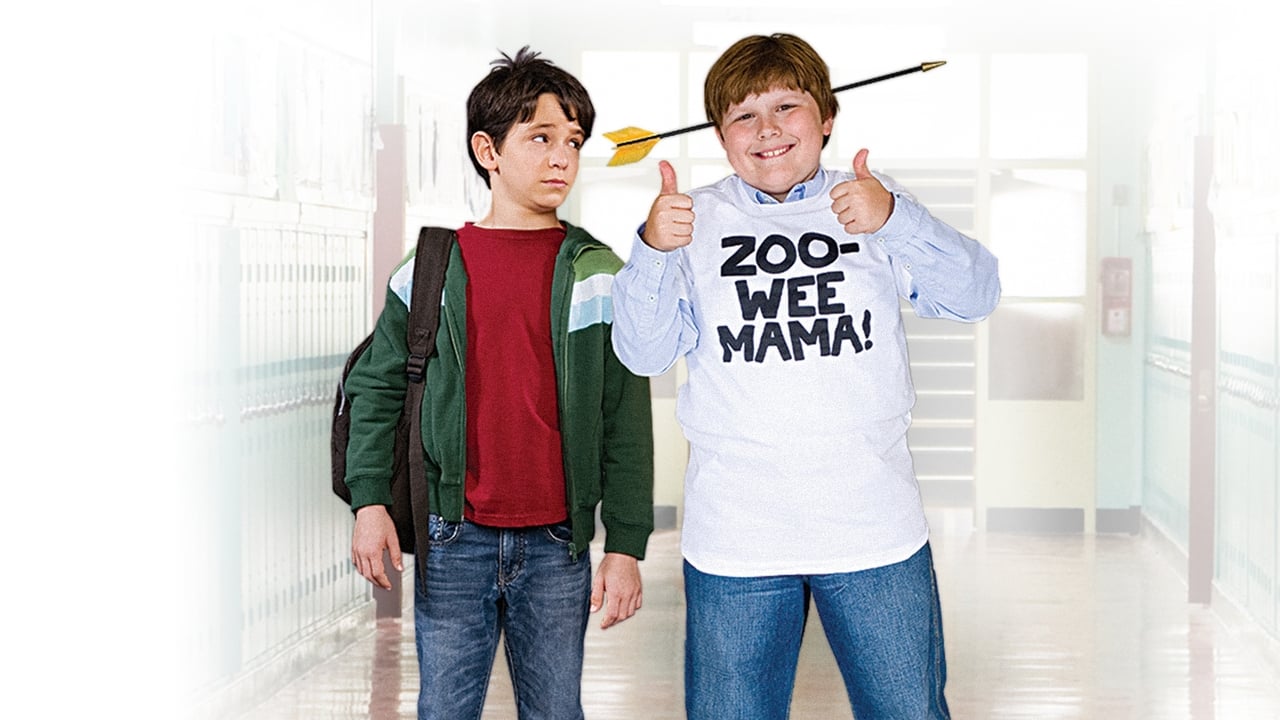
I watched this on a DVD I found in a thrift store bin wedged between a copy of Gigli and a workout video by Denise Austin, and I was genuinely shocked by how much "adult" cringe comedy is packed into the runtime. It’s structured like a series of escalating humiliations, reminiscent of Seinfeld or Curb Your Enthusiasm, but with more wedgies and "Zoo-Wee Mama" catchphrases. Greg’s constant attempts to exploit his best friend, the pure-hearted Rowley Jefferson (Robert Capron), are genuinely uncomfortable to watch. Robert Capron is the secret weapon here; he provides the necessary warmth to keep the movie from descending into total nihilism. His performance as a kid who is perfectly happy being himself is the foil Greg’s vanity deserves.
A Hybrid Aesthetic of the Digital Transition
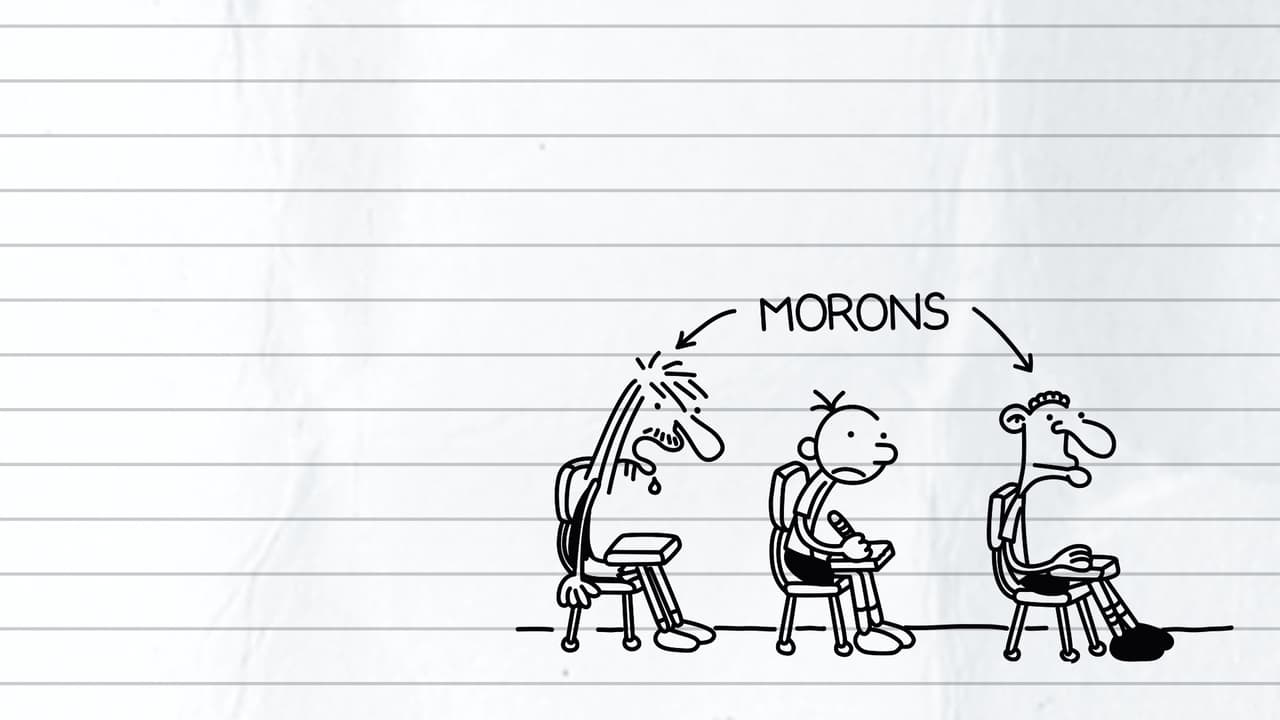
Released during that sweet spot where CGI was becoming the default but practical filmmaking still held the line, Diary of a Wimpy Kid uses its budget efficiently to bridge the gap between Jeff Kinney’s iconic stick-figure drawings and live-action reality. The way Freudenthal integrates 2D animations to transition between scenes or illustrate Greg’s internal fantasies was fairly innovative for a $15 million production. It gives the film a frantic, kinetic energy that mirrors the scattered brain of a middle-schooler.
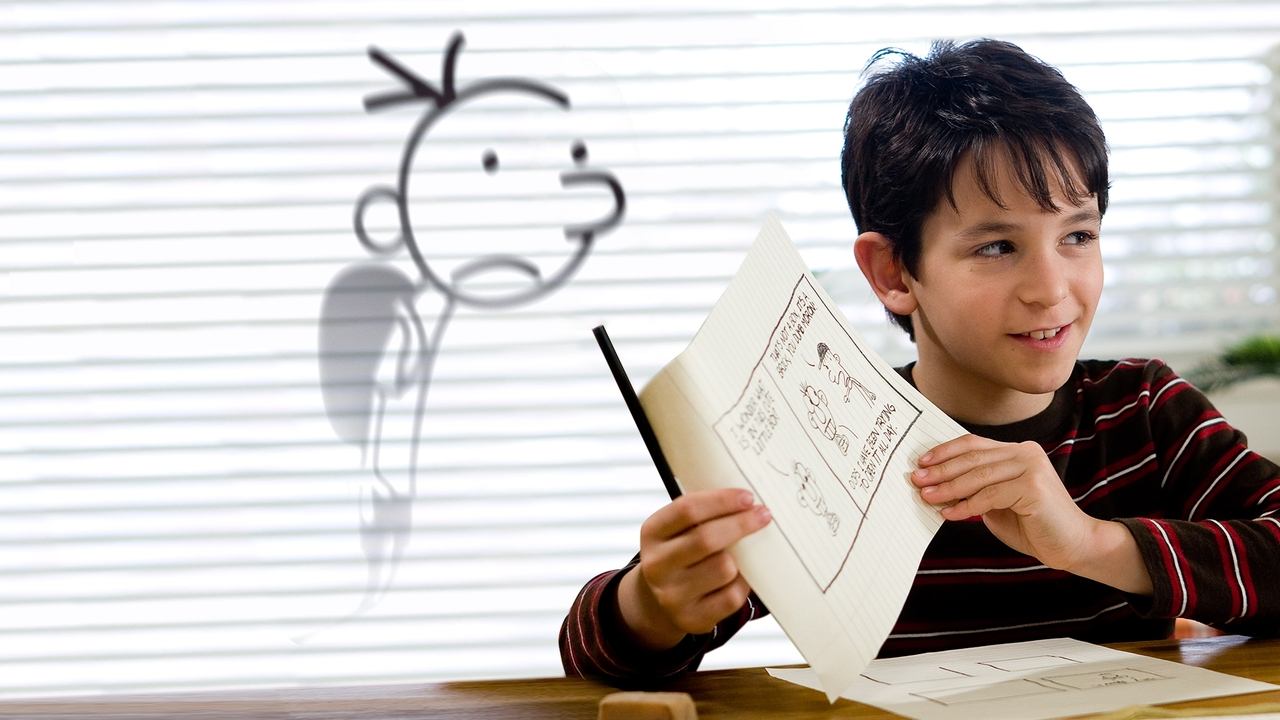
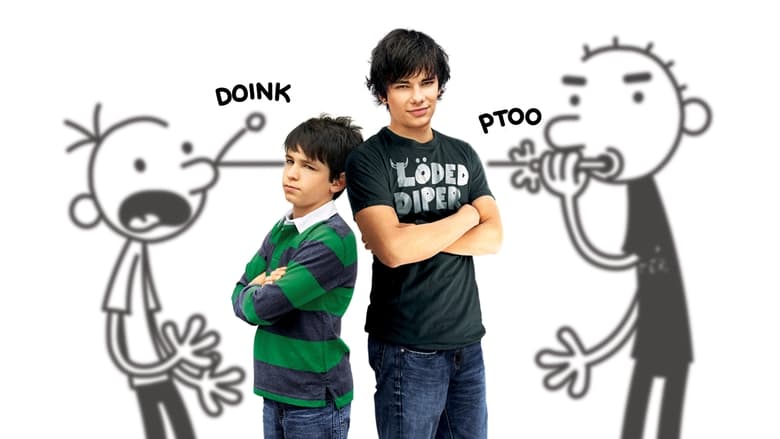
The adult cast also helps ground the absurdity. Steve Zahn and Rachael Harris as the Heffley parents offer a masterclass in weary, suburban parenting. Steve Zahn in particular, playing Frank Heffley, manages to convey a man who is both baffled by his children and deeply concerned about his Civil War dioramas. Then there’s Devon Bostick as the older brother, Rodrick. In retrospect, this movie is secretly the Citizen Kane of pre-teen narcissism, but Devon Bostick turns it into a masterclass on how to play a low-stakes antagonist. He’s a legend of the "Older Brother" archetype, leaning into the greasy-haired, "Löded Diper" drumming aesthetic that defined a very specific subculture of the late 2000s.
The Mystery of the Missing "Cheese Touch" Legacy
Despite being a box office success, grossing over $75 million, the 2010 original feels like a forgotten curiosity today. This might be due to the franchise’s own trajectory; as the sequels progressed and the original cast aged out, the series lost that specific, biting edge. When the 2017 "reboot" arrived with a new cast, the original 2010 film was buried under the weight of internet memes (the infamous #NotMyRodrick movement).
However, the original film is worth a second look because of how well it captures the specific anxieties of the early digital age. This was a time when kids were transitioning from playground rumors to the dawn of social media, and you can see those "status" anxieties reflected in Greg's constant checking of the "Class Favorites" list. Interestingly, Chloë Grace Moretz was added to the film as a character who doesn't exist in the books—Angie Steadman—to provide a voice of reason. While she's a bit of a "cool girl" trope, her presence highlights the movie's central theme: that the only way to survive middle school is to stop caring what the "hairy-freckled morons" think.
One piece of trivia that always amuses me is that the "Cheese Touch" was a real-life playground legend long before the books. The production team actually had to go through several iterations of the "cheese" to find a version that looked sufficiently "nuclear" on camera. They ended up using a piece of silicone that was hand-painted to look like it was harboring its own ecosystem. It’s that level of dedication to a disgusting gag that gives the film its lasting charm.
Ultimately, Diary of a Wimpy Kid is a much smarter comedy than its "family-friendly" label suggests. It’s a sharp, often mean-spirited look at the ego of childhood and the brutal reality of the social ladder. While Greg Heffley might be a bit of a jerk, the film is an honest reflection of the awkward, embarrassing people we all were before we learned how to hide it. If you haven't seen it since 2010, give it a rewatch—you might find that the "Cheese Touch" still holds a certain power over you.
Keep Exploring...
-
Diary of a Wimpy Kid: Rodrick Rules
2011
-

Diary of a Wimpy Kid: Dog Days
2012
-

Hotel for Dogs
2009
-

The Nut Job
2014
-
Are We There Yet?
2005
-

Ice Princess
2005
-
Valiant
2005
-
Yours, Mine & Ours
2005
-
Aquamarine
2006
-
Just My Luck
2006
-
Mr. Magorium's Wonder Emporium
2007
-
TMNT
2007
-
Nim's Island
2008
-
Aliens in the Attic
2009
-
Little Nicholas
2009
-
Nanny McPhee and the Big Bang
2010
-
The Spy Next Door
2010
-
A Monster in Paris
2011
-
Winnie the Pooh
2011
-
The Odd Life of Timothy Green
2012