Dinner for Schmucks
"The guest list is exclusive. The guests are exhausted."
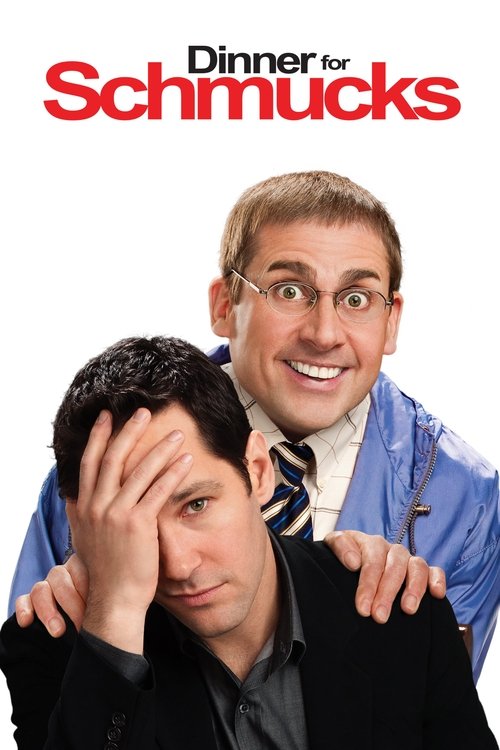
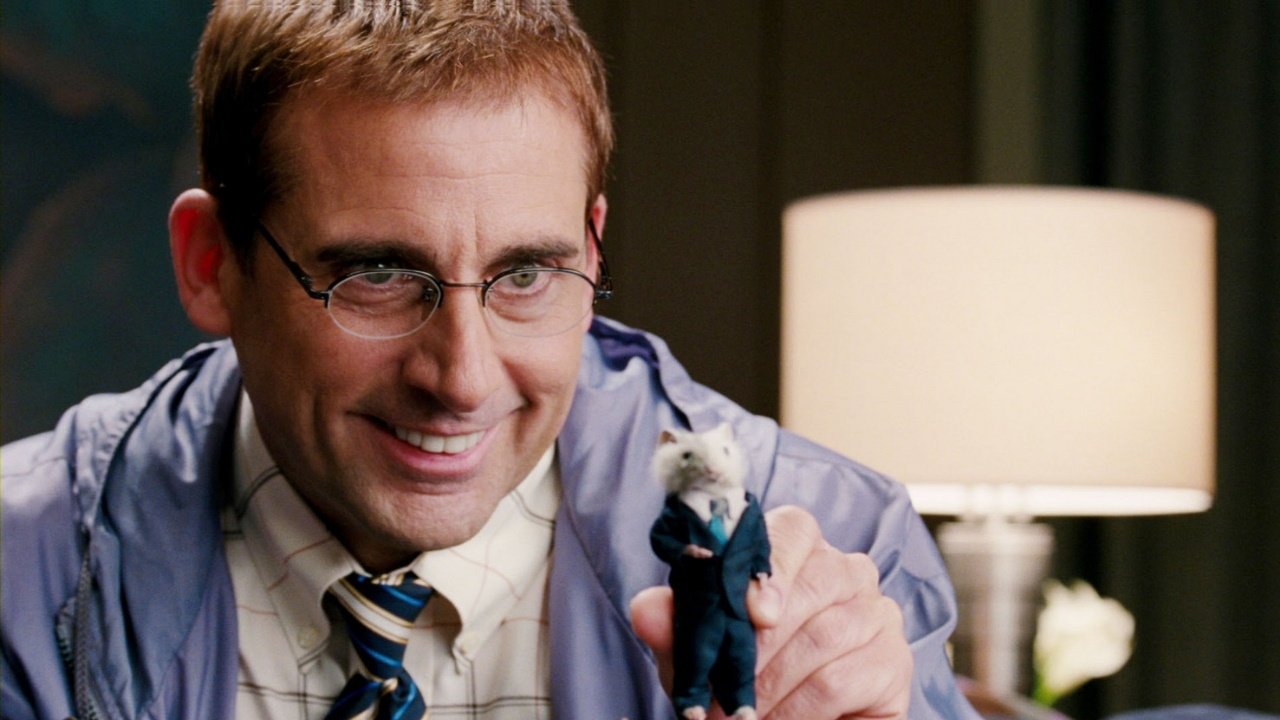
There is a specific, unsettling beauty in a mouse dressed as a Victorian scholar, hunched over a tiny desk with a microscopic quill. These dioramas, the "Mousterpieces" created by Barry Speck, are the beating heart of Dinner for Schmucks, and they are easily the most fascinating thing in a movie that otherwise feels like it’s constantly trying to apologize for its own premise. When I first saw this in a theater that smelled faintly of damp upholstery and overpriced nachos, I remember feeling a strange mix of genuine laughter and a deep, gnawing secondary embarrassment that made me want to slide under my seat.
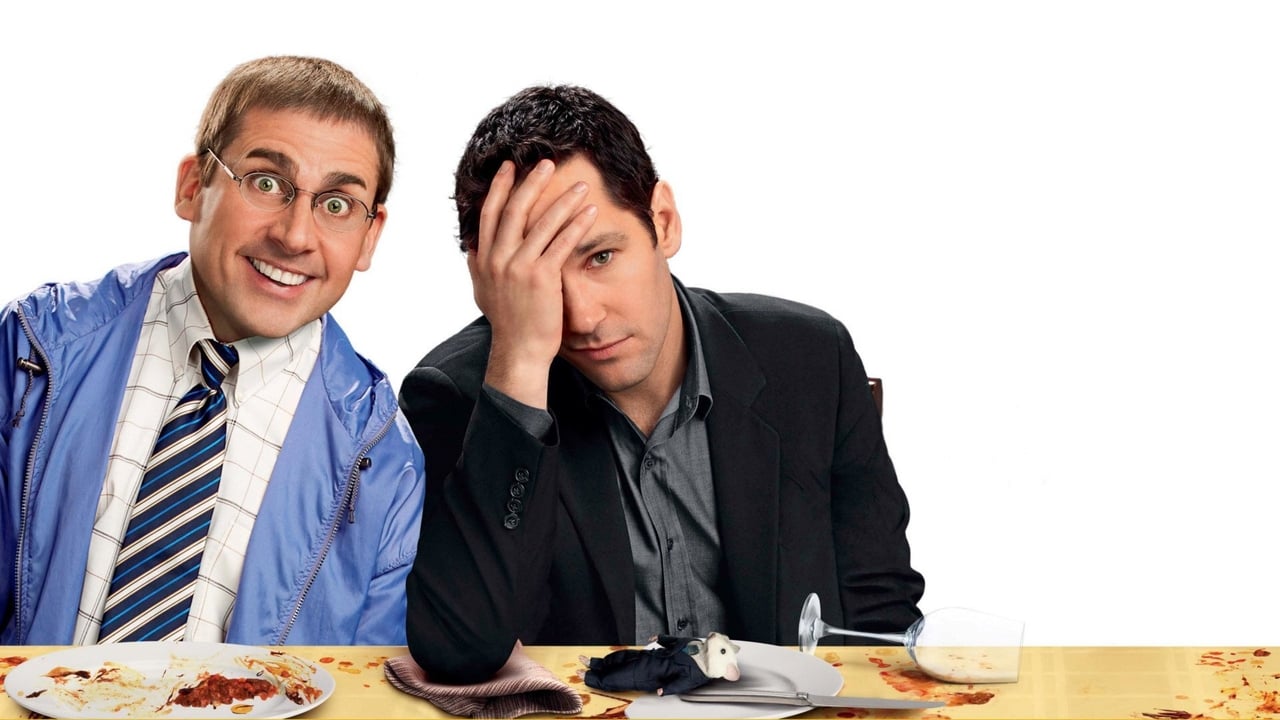
Directed by Jay Roach—who previously mastered the art of the cringe-comedy landscape with Meet the Parents (2000)—this 2010 film arrived at the tail end of the high-concept studio comedy boom. It was a time when you could throw $69 million at a movie about a mean-spirited dinner party and expect a return. Looking back, it’s a fascinating relic of that "Modern Cinema" transition, sitting right on the fence between the star-driven vehicles of the 2000s and the more fragmented, streaming-focused comedy landscape we have now.
The Straight Man and the Human Chaos Engine
The movie is a remake of Francis Veber’s French classic Le Dîner de Cons, but it Americanizes the spirit by adding a layer of sentimentality that the original wouldn't touch with a ten-foot pole. Paul Rudd plays Tim, an ambitious executive who needs to find a "buffoon" to bring to his boss’s monthly dinner. The prize? A corner office and a seat at the big table. Enter Steve Carell as Barry, an IRS employee who taxidermies mice in his spare time and possesses a supernatural ability to destroy Tim’s life within seconds of meeting him.
Paul Rudd is the undisputed heavyweight champion of the "I can’t believe this is happening" facial expression. He plays Tim with a weary, relatable edge, but let’s be honest: the movie’s biggest crime is asking us to believe Paul Rudd is an underdog. He’s too charming, even when he’s being a corporate climber. The real magic happens when Steve Carell leans into Barry’s literal-mindedness. Barry isn't just a "schmuck"; he’s a well-intentioned wrecking ball. The comedy doesn't come from Barry being "stupid"—it comes from his aggressive empathy. He wants to help Tim so badly that he accidentally dismantles Tim’s career, relationship, and sanity.
A Masterclass in Scene-Stealing
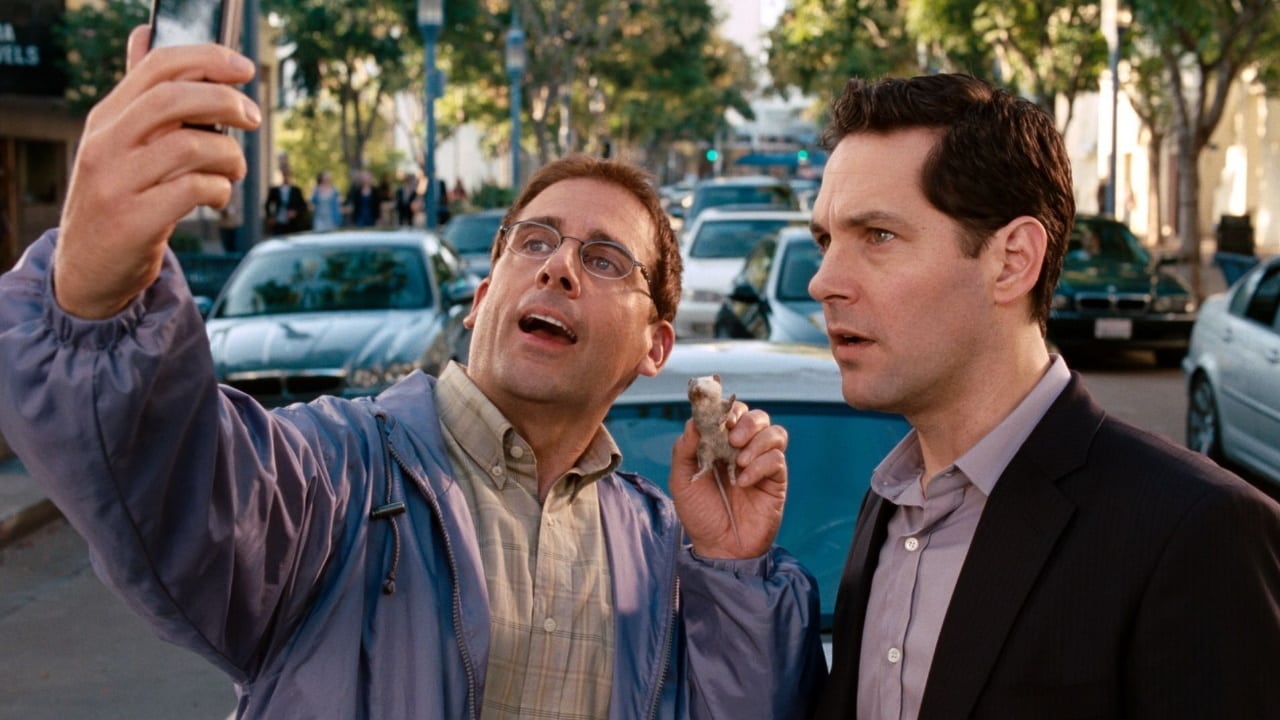
While the central duo carries the plot, the movie is actually a secret showcase for a group of world-class comedic weirdos who were just starting to dominate the cultural conversation. Jemaine Clement (fresh off Flight of the Conchords) is an absolute revelation as Kieran Vollard, a pretentious, hyper-sexualized artist who speaks in a low-register purr and views himself as a god. Every time he’s on screen, the movie’s IQ drops and its entertainment value skyrockets.
Then there’s Zach Galifianakis as Therman, a man who believes he has the power of mind control. Coming off the massive success of The Hangover (2009), Galifianakis was in his prime "weird guy" era, and his scenes with Carell—two titans of deadpan absurdity clashing over the concept of "mind vultures"—are the highlights of the film. I watched this again recently while eating a bowl of slightly stale cereal, and Therman’s orange turtleneck alone made me laugh more than most contemporary sitcoms.
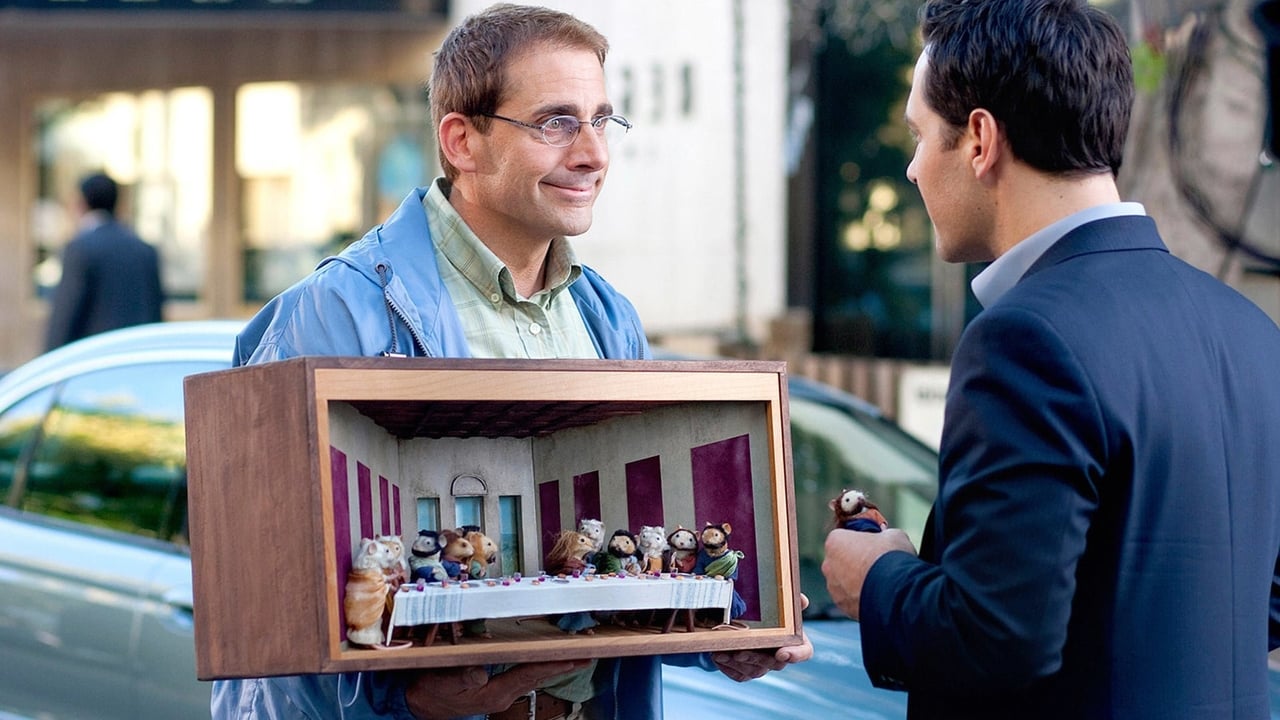
The production design of the mice dioramas deserves a special mention. They were actually created by The Chiodo Brothers—the same minds behind Killer Klowns from Outer Space (1988) and the puppets in Team America: World Police (2004). There is an earnestness in those little mouse displays that gives the film a soul it probably doesn't deserve. It’s the one part of the movie that feels truly unique, a tactile, handmade element in an era that was starting to lean way too hard on glossy, digital perfection.
Does the Joke Still Land?

Comedy is notoriously difficult to preserve in amber. What felt "edgy" in 2010 can often feel mean-spirited today. Dinner for Schmucks walks a very thin line. The premise—mocking people for sport—is inherently cruel, and the movie knows it. It spends a lot of time trying to convince us that Tim is a "good guy" despite his participation in this sociopathic tradition.
In retrospect, the film is most successful when it stops trying to be a rom-com and leans into the pure farce of the third act. The actual dinner scene is a chaotic, loud, and frequently hilarious explosion of physical comedy. However, the film's length (114 minutes!) is a symptom of that era’s tendency to overstay its welcome. You can feel the script stretching to accommodate improvisational riffs that probably should have stayed on the DVD "Deleted Scenes" reel.
Is it a forgotten masterpiece? No. But it is a fascinatingly weird footnote in the careers of some comedy legends. It captures that specific 2010 moment where big-budget comedies were still allowed to be deeply strange and slightly uncomfortable before the genre mostly moved to smaller-scale indie projects or massive franchise "action-comedies."
Dinner for Schmucks is a movie that works best if you view it as a showcase for its supporting cast rather than a cohesive narrative. It’s an uneven ride, bogged down by a need to be "sweet," but the moments of pure, unadulterated absurdity—mostly involving taxidermied rodents and Jemaine Clement’s ego—make it worth a revisit. It’s the kind of film that reminds me why I miss the mid-budget studio comedy, flaws and all.
Keep Exploring...
-
The Campaign
2012
-
Meet the Parents
2000
-

Austin Powers in Goldmember
2002
-
Meet the Fockers
2004
-

I Love You, Man
2009
-

Our Idiot Brother
2011
-

Austin Powers: International Man of Mystery
1997
-
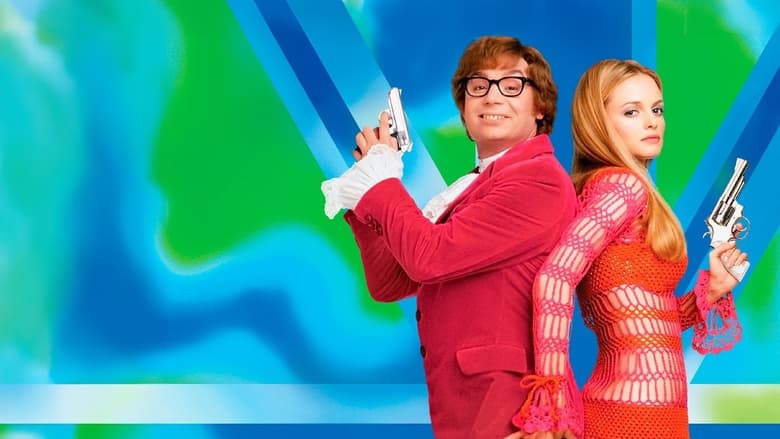
Austin Powers: The Spy Who Shagged Me
1999
-

Youth in Revolt
2009
-

You Will Meet a Tall Dark Stranger
2010
-

Stand Up Guys
2012
-
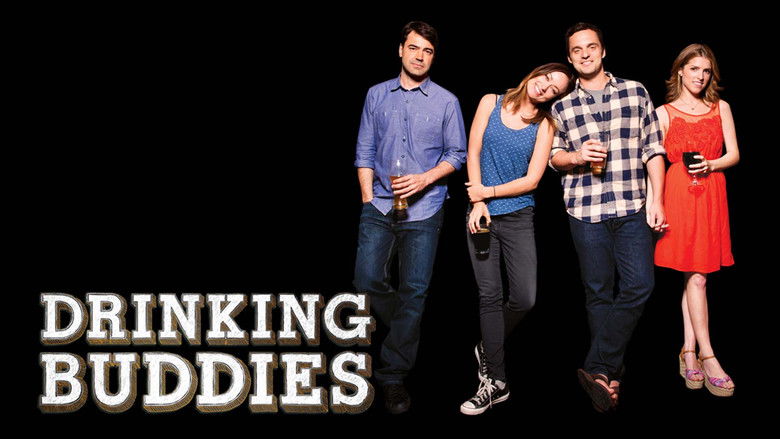
Drinking Buddies
2013
-
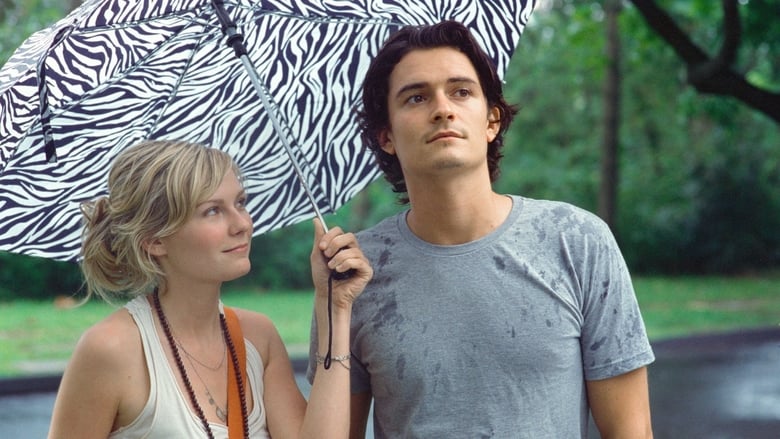
Elizabethtown
2005
-

Rumor Has It...
2005
-

Sahara
2005
-
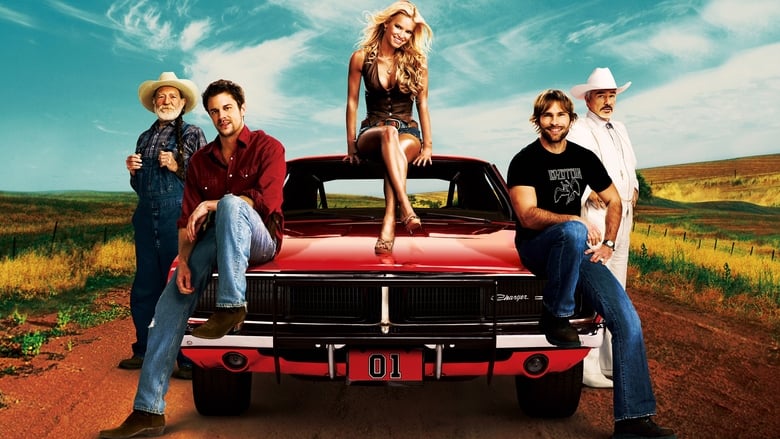
The Dukes of Hazzard
2005
-
Barnyard
2006
-
Charlotte's Web
2006
-

Failure to Launch
2006
-
Little Man
2006