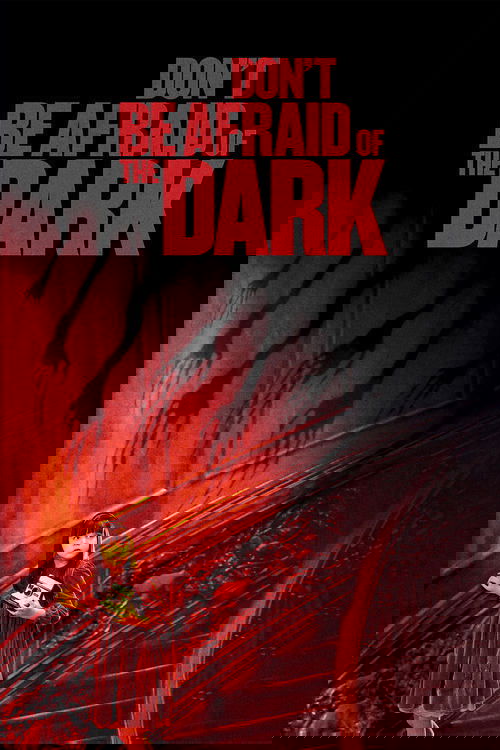
Don't Be Afraid of the Dark
"The tooth fairy wants more than just teeth."
I remember watching this for the first time in a cramped basement apartment with a leaky faucet that sounded exactly like the scratching of claws on stone. Every time the screen went dark, I found myself glancing at my own floor vents, half-expecting a tiny, shriveled hand to reach out and reclaim a lost earring—or a finger. That’s the specific brand of "get-under-your-skin" unease that Guillermo del Toro trades in, even when he isn’t the one sitting in the director's chair.
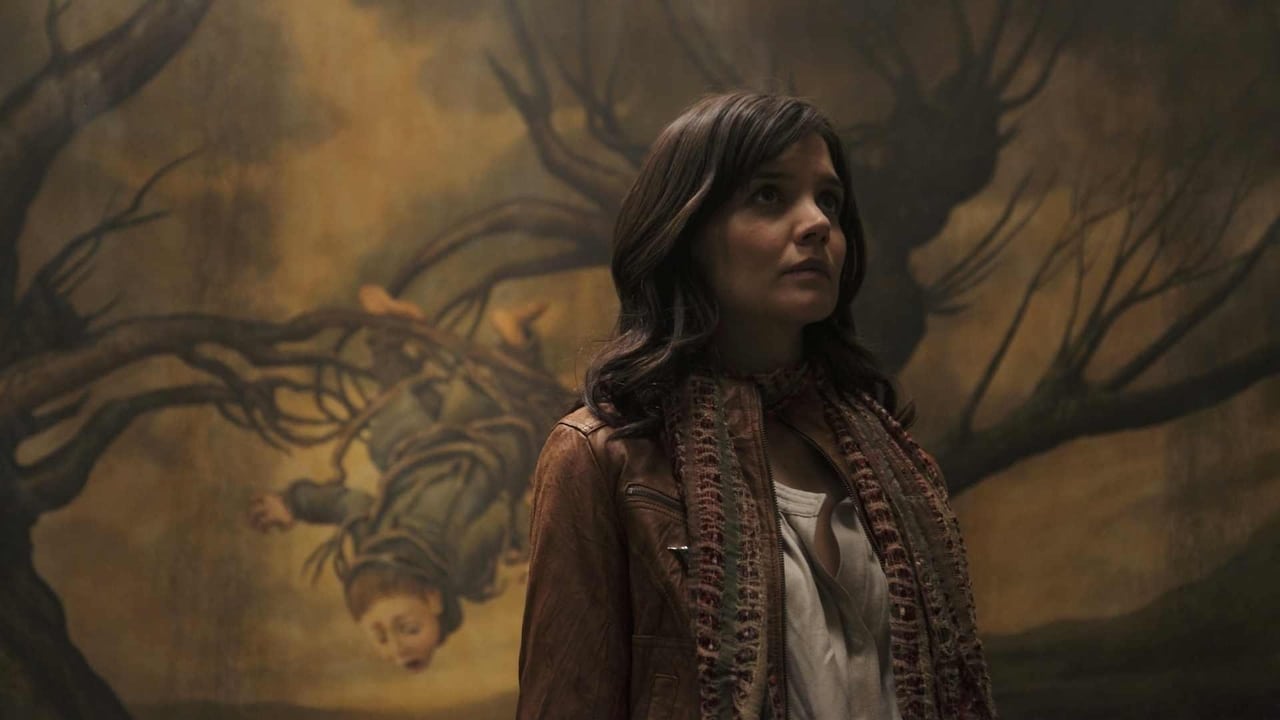
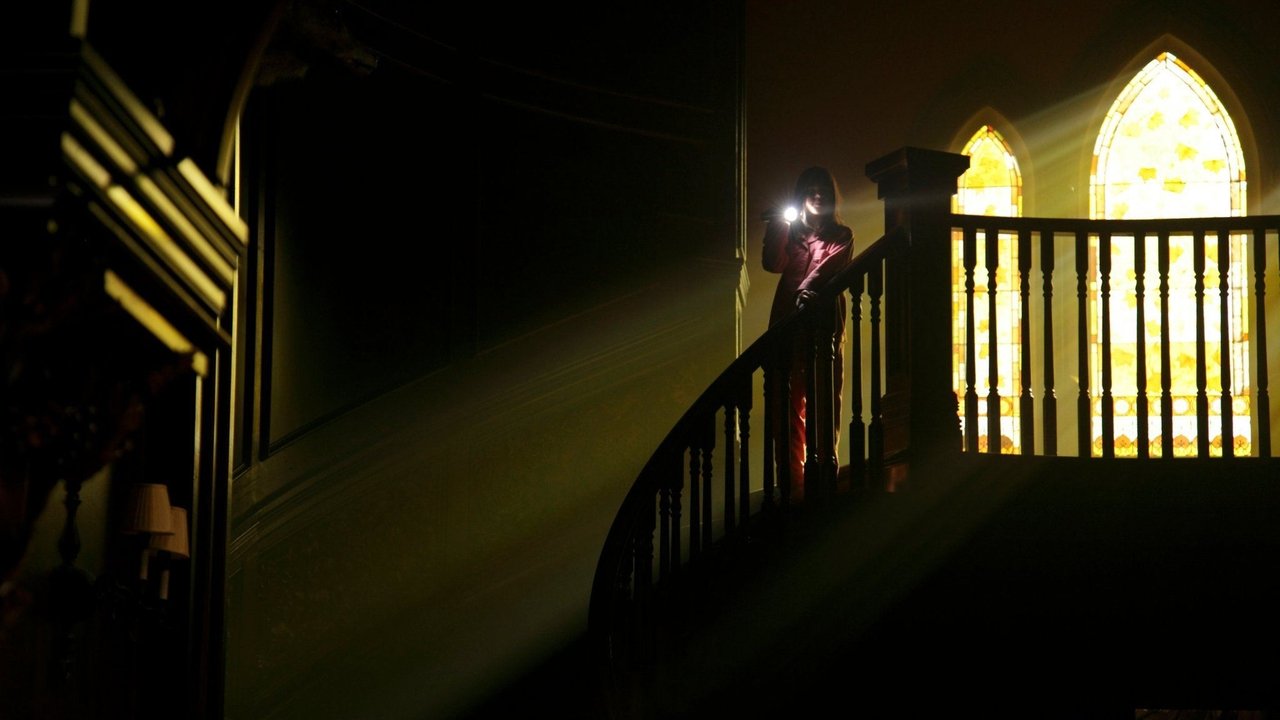
Don't Be Afraid of the Dark is a curious beast. Released in 2010 but feeling like a throwback to the 1970s TV-movie era that spawned its predecessor, it arrived just as the horror genre was pivoting toward the "found footage" craze of Paranormal Activity. While everyone else was shaking handheld cameras in suburban bedrooms, Troy Nixey (a comic book artist handpicked by Del Toro) was busy building a gothic, shadow-drenched mansion that looked like it was imported directly from a nightmare. It’s a movie that feels wonderfully out of its own time, a lushly photographed fairy tale that holds a serrated knife behind its back.
The Patron Saint of Monsters
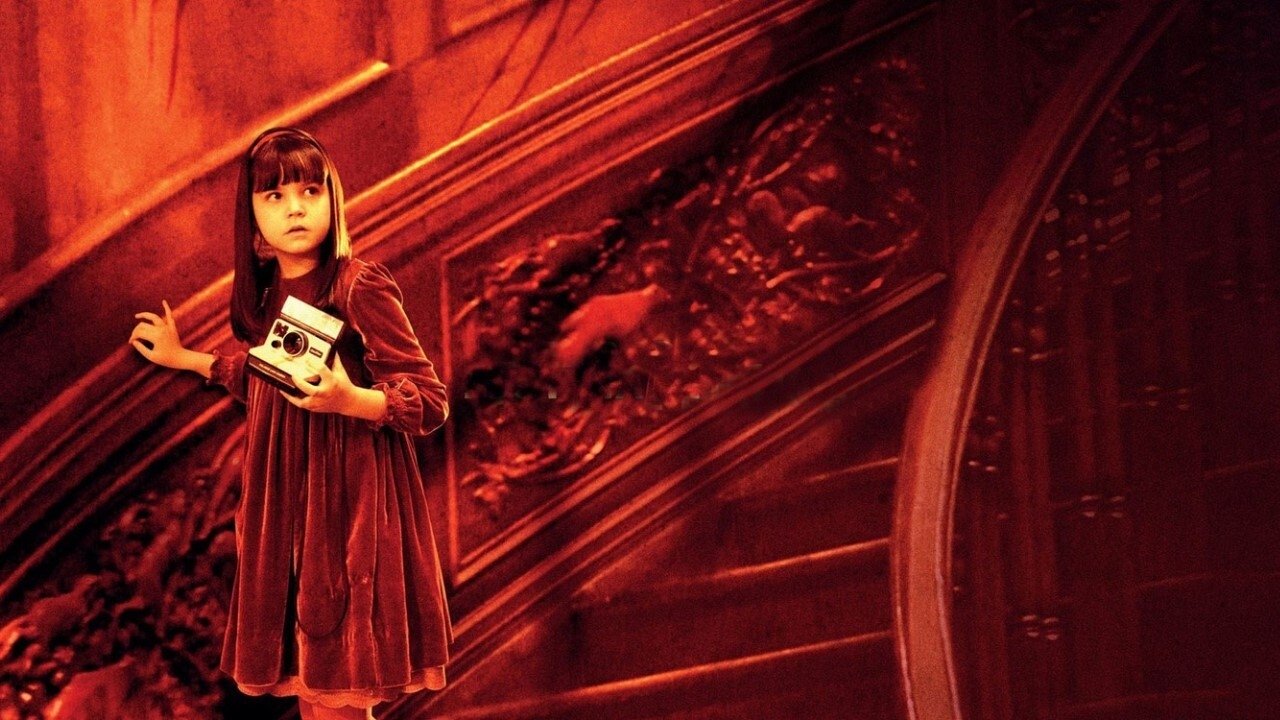
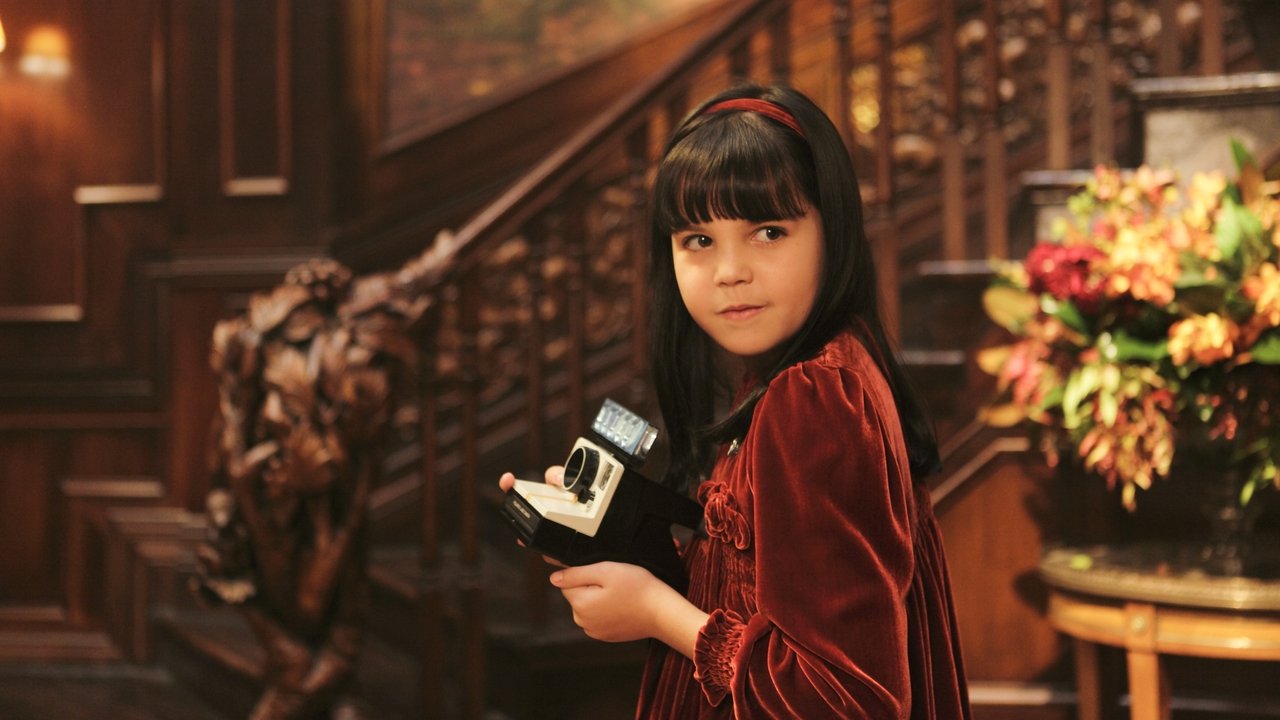
You can feel Del Toro’s fingerprints on every inch of the Blackwood Manor sets. He produced and co-wrote this remake of the 1973 cult classic, and his obsession with "creature features" is the film's heartbeat. The story follows young Sally, played with a heartbreaking amount of vulnerability by Bailee Madison, who is sent to live with her father, Alex (Guy Pearce), and his new girlfriend, Kim (Katie Holmes).
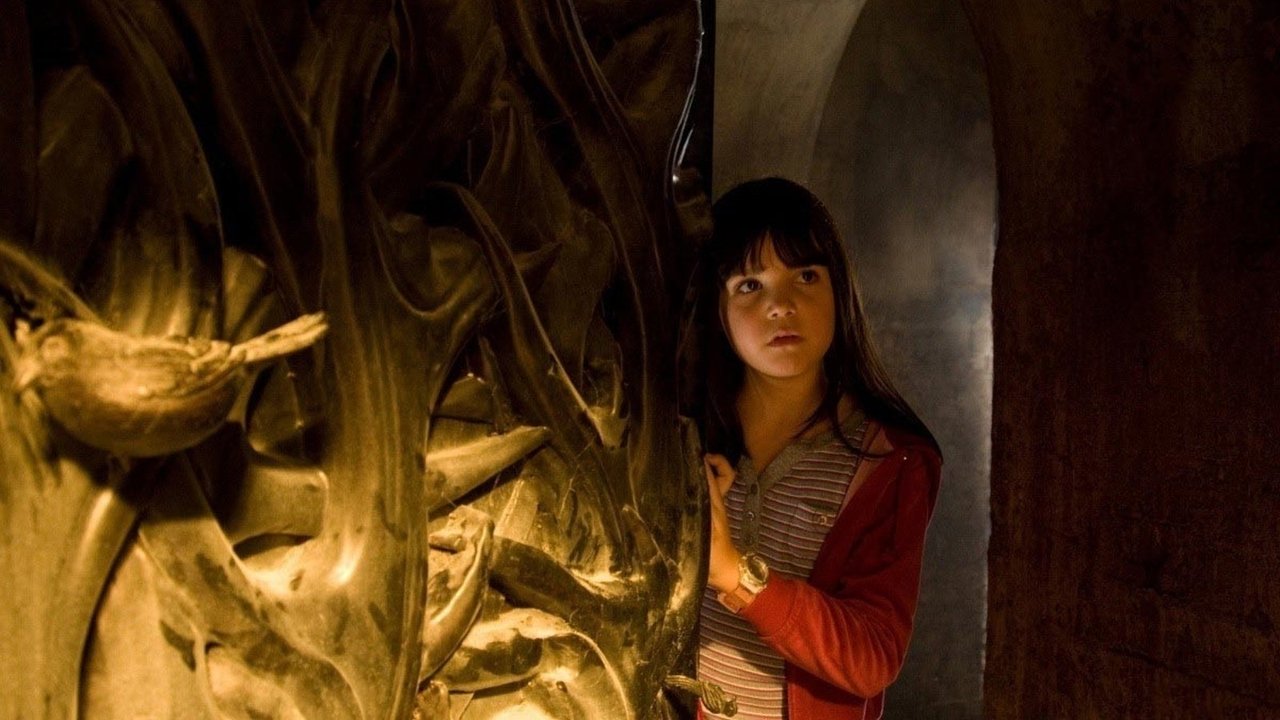
The house they’re restoring is a Victorian marvel, but it hides a sealed-off basement and a very hungry ash pit. Bailee Madison is the real star here; she manages to avoid the "annoying horror movie kid" trope by playing Sally as a child who is genuinely depressed and medicated, making her the perfect target for the whispers coming from the vents. When the creatures start promising to be her "friends," you actually understand why a lonely kid might stop and listen. Guy Pearce plays the world's most oblivious architect since the guy who designed the Death Star, and his refusal to believe his daughter provides the standard, yet frustrating, "adults are useless" engine that drives the plot.
Shadows, Silver, and CGI
The horror mechanics here rely heavily on atmosphere and the subversion of childhood myths. We’re taught that the Tooth Fairy is a benevolent gift-giver; this movie suggests they are ancient, subterranean homunculi who need human bone to survive. It’s a nasty, clever twist. The sound design is particularly effective—the way the creatures’ voices are layered with a dry, papery rasp makes the "whispering in the walls" scenes genuinely hair-raising.
Visually, the film is a feast. Cinematographer Oliver Stapleton (who did the gorgeous The Cider House Rules) uses a color palette of deep ochres and bruised purples. However, the film hits a snag when it comes to the creatures themselves. This was 2010, a period where the "CGI Revolution" was in full swing, and there was a temptation to show everything. While the creature designs are grisly and distinct, I can't help but feel they lost some of their power once they were fully revealed in the light. In the first act, they are terrifying blurs in the periphery; by the third act, they feel a bit like aggressive CGI raisins hopped up on caffeine. Had they leaned more into the practical effects work of someone like Doug Jones, the terror might have lingered longer.
The R-Rated "Kids" Movie
One of the most fascinating things about this film’s release was its R-rating. The MPAA gave it the restricted tag not for gore or language, but for "pervasive scariness." Looking back, that’s almost a badge of honor. It’s a movie about a child in peril that refuses to pull its punches, leading to a climax that is surprisingly bleak for a mainstream studio release. It captured that post-9/11 anxiety where the "safe" spaces—the home, the bedroom—become the most dangerous, and the people meant to protect you are too distracted by their careers (or their Victorian crown molding) to see the threat.
The film also features solid supporting turns from Jack Thompson as the grizzled caretaker who knows too much and Alan Dale as a skeptical benefactor. They add a layer of prestige to what could have been a standard "creepy house" flick. While it didn't set the box office on fire—likely because it sat on a shelf at Miramax during the studio's corporate restructuring—it has aged into a solid "rainy afternoon" horror movie. It’s the kind of film you’d find on a DVD shelf in 2012 and be pleasantly surprised by the production value and the sheer meanness of its little monsters.
Ultimately, Don't Be Afraid of the Dark is a flawed but deeply atmospheric piece of gothic horror. It struggles with the transition from the "less is more" school of suspense to the "more is more" school of digital effects, but it’s anchored by a fantastic central performance and a setting you can practically smell the dust in. It’s a reminder that even in the age of digital gloss, a good old-fashioned basement with a dark secret is still one of the most effective tools in the genre's shed. If you haven't seen it, watch it with the lights low—and maybe tape your vents shut just in case.
Keep Exploring...
-
Stigmata
1999
-

Red Riding Hood
2011
-
Inland Empire
2006
-
Land of the Dead
2005
-
The Covenant
2006
-
The Grudge 2
2006
-
The Hills Have Eyes 2
2007
-
The Hitcher
2007
-

Vacancy
2007
-
Quarantine
2008
-
The Eye
2008
-

The Midnight Meat Train
2008
-
Untraceable
2008
-
Cirque du Freak: The Vampire's Assistant
2009
-
The Descent: Part 2
2009
-
The Haunting in Connecticut
2009
-
The Last House on the Left
2009
-
The Stepfather
2009
-
The Ward
2010
-
House at the End of the Street
2012