Edge of Darkness
"Grief has a very high body count."
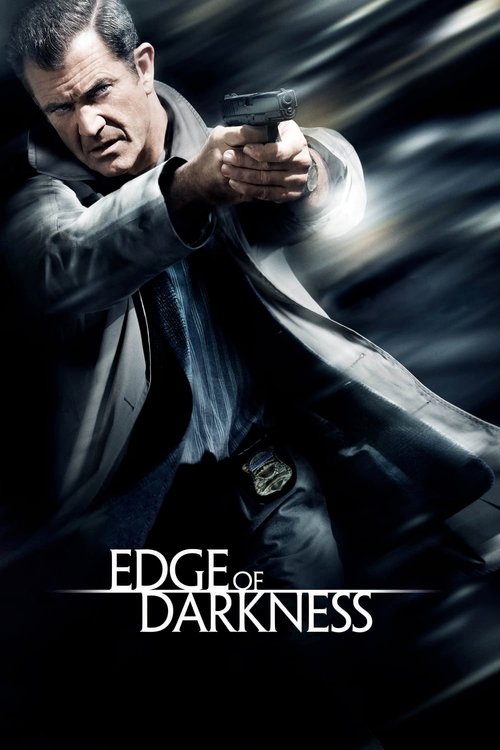
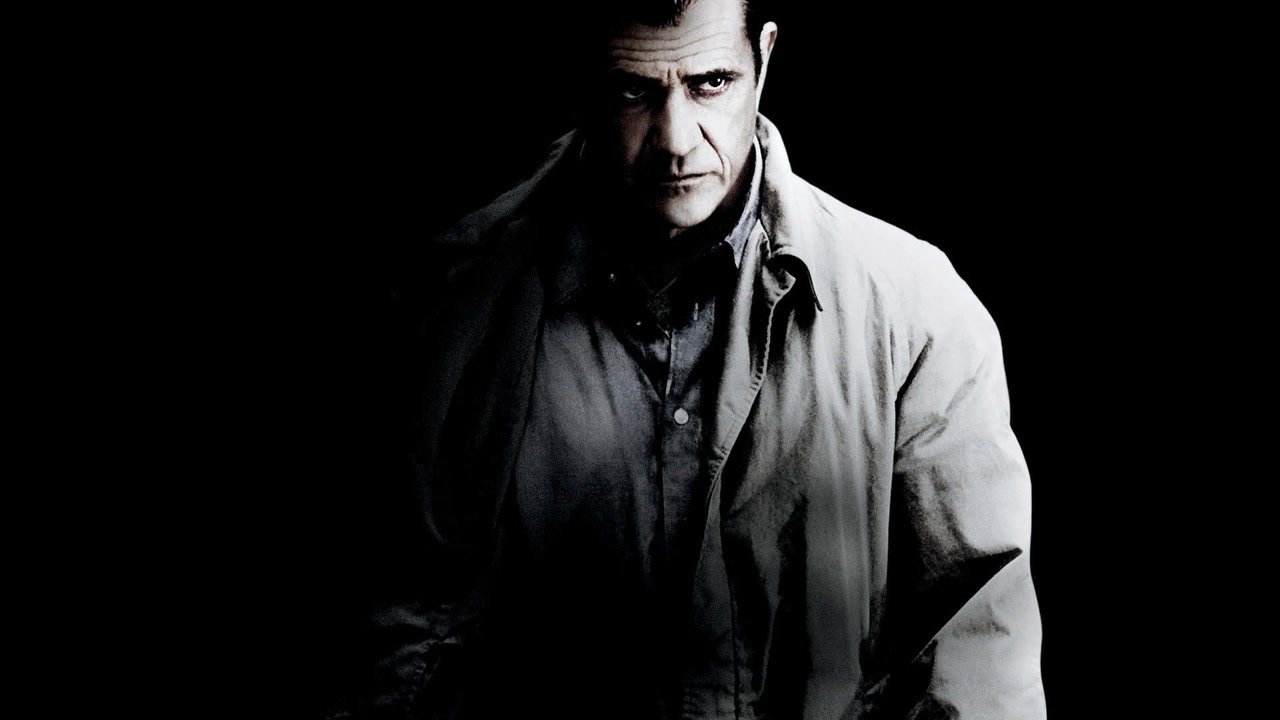
There’s a specific kind of weariness that Mel Gibson wears better than almost anyone else in Hollywood. By the time 2010 rolled around, he wasn’t the spry, manic "Lethal Weapon" guy anymore; he was a man whose off-screen life had become a tabloid bonfire, and you can see every bit of that scorched-earth history in his face during Edge of Darkness. He looks like he’s been carved out of an old leather boot. I remember watching this for the first time on a random Tuesday night while eating a bowl of lukewarm Frosted Flakes, and there was something about the sheer, unadulterated grimness of his performance that made my cereal feel significantly more depressing.
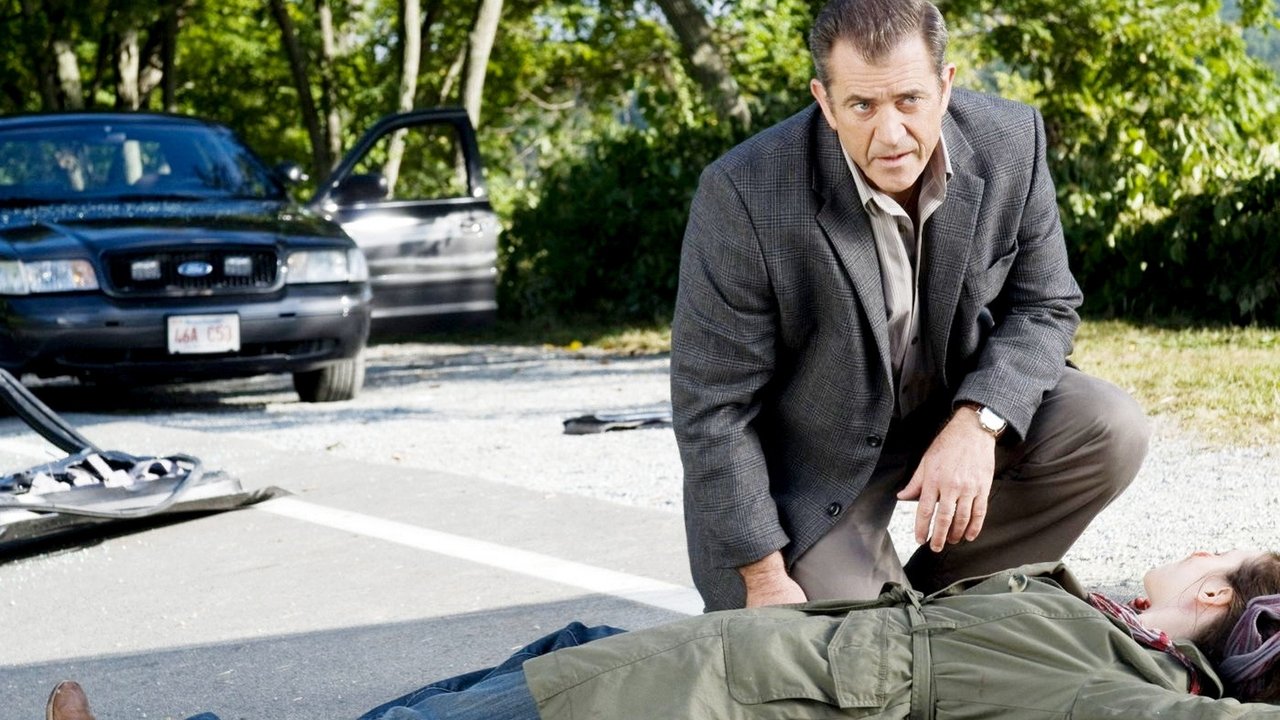
This film is a curious creature—a mid-budget, adult-skewing conspiracy thriller that arrived just as the genre was being ushered out the door by the rising tide of superhero spectacles. It’s directed by Martin Campbell, the man who gave us GoldenEye and Casino Royale, and who, interestingly enough, directed the original 1985 BBC miniseries this film is based on. Returning to your own masterpiece twenty-five years later is a move fraught with peril, but Campbell treats this version like a lean, mean Boston noir rather than a bloated remake.
The Weight of the Badge
The story kicks off with a scene that still feels like a punch to the solar plexus. Thomas Craven (Mel Gibson), a veteran Boston detective, welcomes his daughter Emma (Bojana Novaković) home, only for her to be gunned down on his front porch. The police assume the bullets were meant for the "old man" with the badge, but Craven—driven by a quiet, vibrating intensity—realizes his daughter was the target. She was a whistleblower in a corporate-government nuclear conspiracy, and suddenly the "homicide detective" part of his brain has to wrestle with the "grieving father" part.
What makes this work as a drama, rather than just another "dad with a gun" flick, is the restraint. Mel Gibson spends a lot of time talking to the ghost of his daughter, and while that sounds like a recipe for melodrama, it’s played with such raw, jagged honesty that it hurts to watch. It’s easily the most expensive way to watch a man drink milk and cry, but Gibson finds a frequency of grief that feels earned. He’s not doing a "set of skills" speech; he’s just a man with nothing left to lose, which is a much scarier person to be.
The Fixer and the Snake
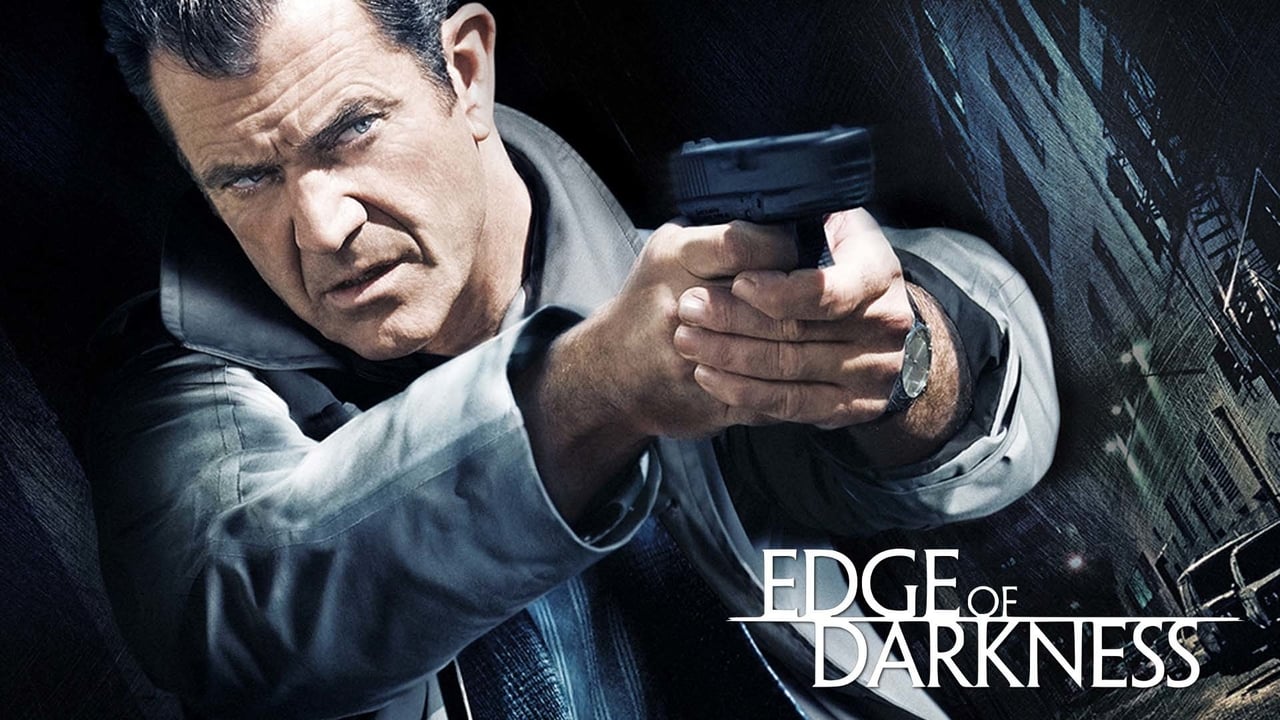
The film’s secret weapon isn't the action—though the gunfights are sudden, loud, and incredibly violent—it’s Ray Winstone. He plays Jedburgh, a British "fixer" sent to clean up the mess Emma left behind. Originally, Robert De Niro was cast in this role, but he famously walked off the set after just two days due to "creative differences." Looking back, that was a stroke of luck for the audience. Ray Winstone brings a philosophical, world-weary charm that acts as the perfect foil to Gibson’s kinetic rage. Their scenes together, usually involving whiskey and subtext, are the highlights of the film. They feel like two dinosaurs discussing the impending meteor.
On the other side of the coin, you have Danny Huston as Jack Bennett, the head of a shadowy defense contractor. Huston has made a career out of being the most punchable man in a tailored suit, and he doesn’t disappoint here. He’s the embodiment of that post-9/11 corporate anxiety—the idea that some companies are simply too big and too connected to be held accountable by a guy with a badge and a grudge.
A Relic of a Shifting Era
Watching Edge of Darkness now, it feels like a postcard from a transitional era of cinema. Released in early 2010, it sits right at the end of the 1990-2014 window where a movie could still rely entirely on a "Movie Star" and a "Director" to sell a dark, R-rated story about corporate greed. There are no franchise hooks here, no post-credit scenes, and the CGI is almost non-existent. Phil Meheux, the cinematographer, shoots Boston in cold grays and deep shadows, giving it a texture that feels analog and heavy.
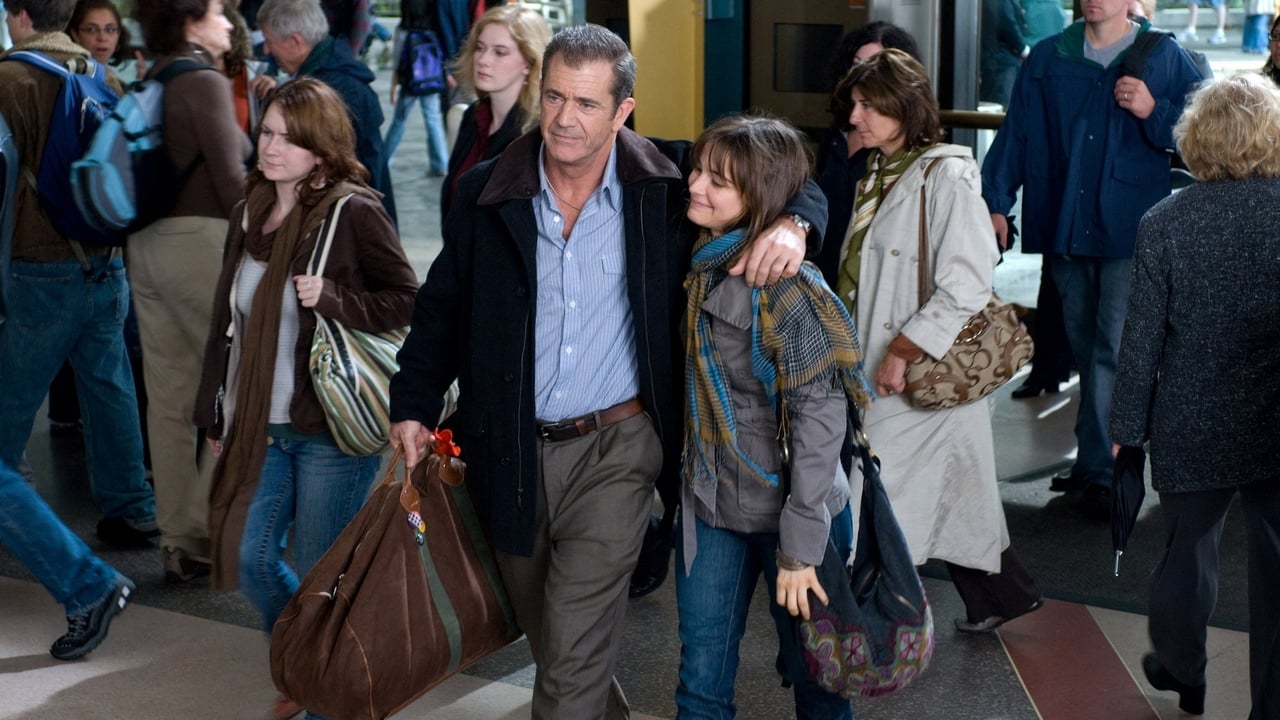
However, the film struggled at the box office, barely recouping its $80 million budget. Part of that was likely the "Mel Factor"—the public wasn't quite ready to embrace him again—but it was also a movie out of time. The script, co-written by William Monahan (The Departed), is filled with that sharp-tongued, cynical Boston dialogue that felt like the height of cool in 2006 but was starting to feel a bit familiar by 2010. Still, the film’s exploration of government collusion and the "military-industrial-congressional complex" (as the film calls it) feels surprisingly prescient today.
If you can get past the baggage of its lead actor, Edge of Darkness is a rock-solid thriller that treats its audience like adults. It’s a film about the cost of the truth and the weight of a father’s love, wrapped in a cold, metallic shell of conspiracy. It might have vanished from the cultural conversation shortly after it hit theaters, but it’s a hidden gem for anyone who misses the days when thrillers were allowed to be bleak, slow-burning, and genuinely angry. It’s not a fun watch, but it is a compelling one.
I’m glad I gave it a second look away from the cold cereal. It turns out that some movies, much like Mel Gibson’s face in this film, actually benefit from a little bit of aging and a few more scars. It’s a somber, effective piece of filmmaking that reminds me why we used to go to the movies just to see a pro do their job.

Keep Exploring...
-
In the Valley of Elah
2007
-
Untraceable
2008
-
Kill the Messenger
2014
-
Kiss the Girls
1997
-
Basic
2003
-

Get the Gringo
2012
-

Revolver
2005
-
Tell No One
2006
-

Pride and Glory
2008
-
Conspiracy Theory
1997
-
Payback
1999
-
The Gambler
2014
-
The Client
1994
-
Breakdown
1997
-
Arlington Road
1999
-
The Pledge
2001
-
The Score
2001
-
I'm Not Scared
2003
-
A Walk Among the Tombstones
2014
-
Stay
2005