Enter the Void
"A neon-soaked out-of-body experience you can’t look away from."
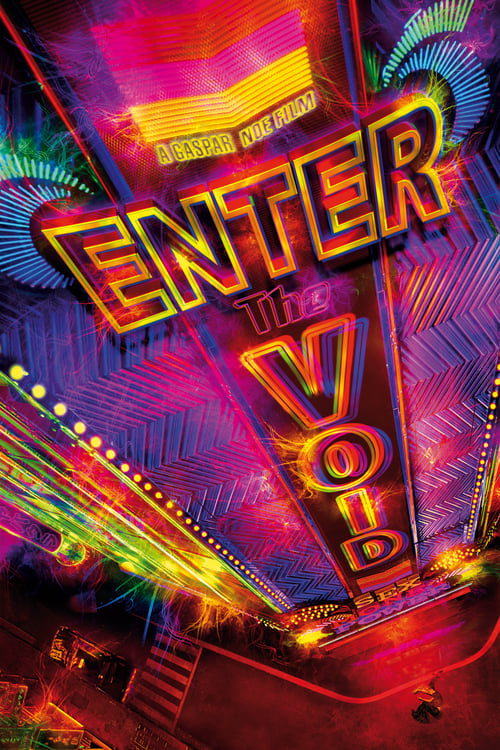
There’s a moment about fifteen minutes into Enter the Void where the camera, which has been locked firmly inside the skull of a small-time drug dealer named Oscar, simply drifts out of the back of his head and starts floating over the neon-drenched streets of Tokyo. It’s not a cut; it’s a transition that feels like your soul is detaching from your spine. At that point, you’re either strapped in for the duration or you’re looking for the exit. I watched this for the third time last Tuesday while nursing a lukewarm cup of peppermint tea that I’d forgotten to strain, so I was occasionally chewing on soggy tea leaves while Oscar’s ghost was drifting through the ceiling of a love hotel. It added a gritty, unwanted texture to the experience that felt strangely appropriate for a Gaspar Noé film.
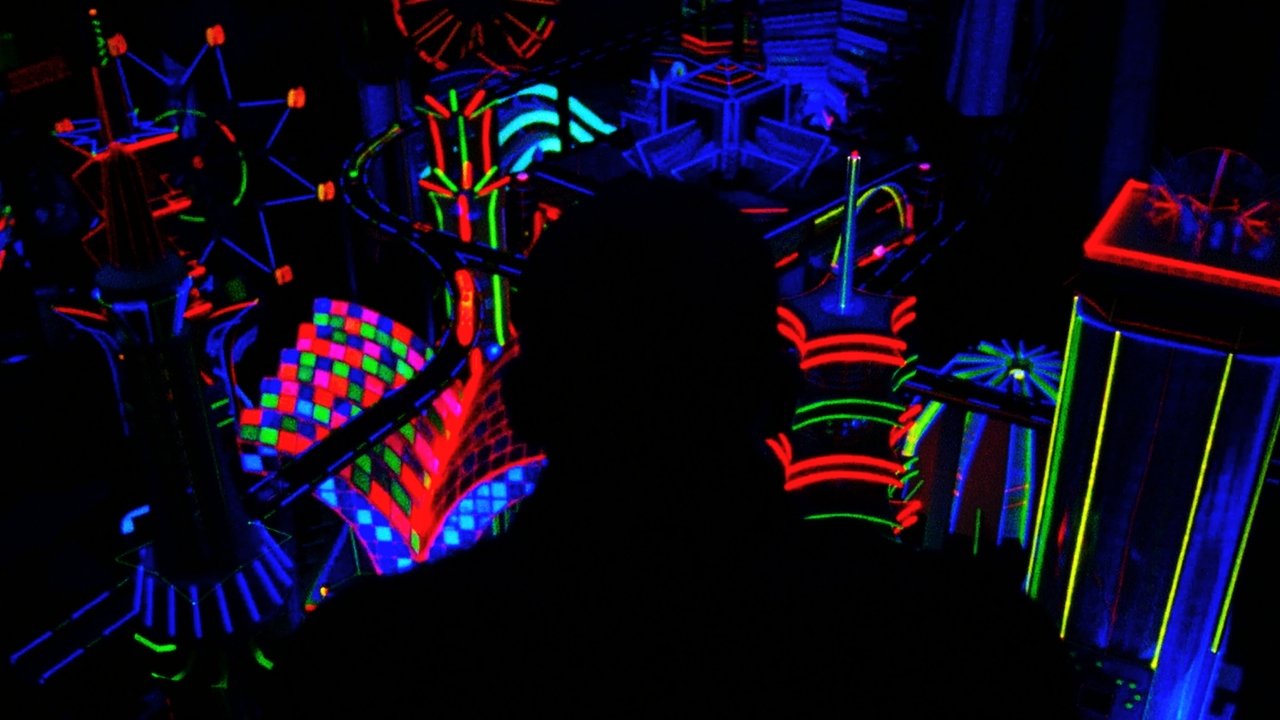
Tokyo Through a Dead Man's Eyes
Released in 2010, Enter the Void sits at a fascinating crossroads of cinema history. We were just moving out of the "shaky cam" era of the 2000s and into a period where digital technology finally allowed directors to do things that previously required a crane and a prayer. Gaspar Noé (who previously scarred us all with Irréversible) decided to use this newfound technical freedom to adapt The Tibetan Book of the Dead into a three-hour psychedelic nightmare.
The plot is deceptively simple: Oscar (Nathaniel Brown) is a young American living in Tokyo with his sister, Linda (Paz de la Huerta). After a drug bust goes south and Oscar is shot by the police in a cramped nightclub bathroom, the film shifts into a persistent, gliding point-of-view shot. We follow his spirit as it hovers over the city, revisiting the trauma of his childhood, witnessing his own autopsy, and hovering over his grieving sister. It’s a drama, sure, but it’s a drama told through the lens of a metaphysical drone.
The Agony and the Ecstasy of the Long Take
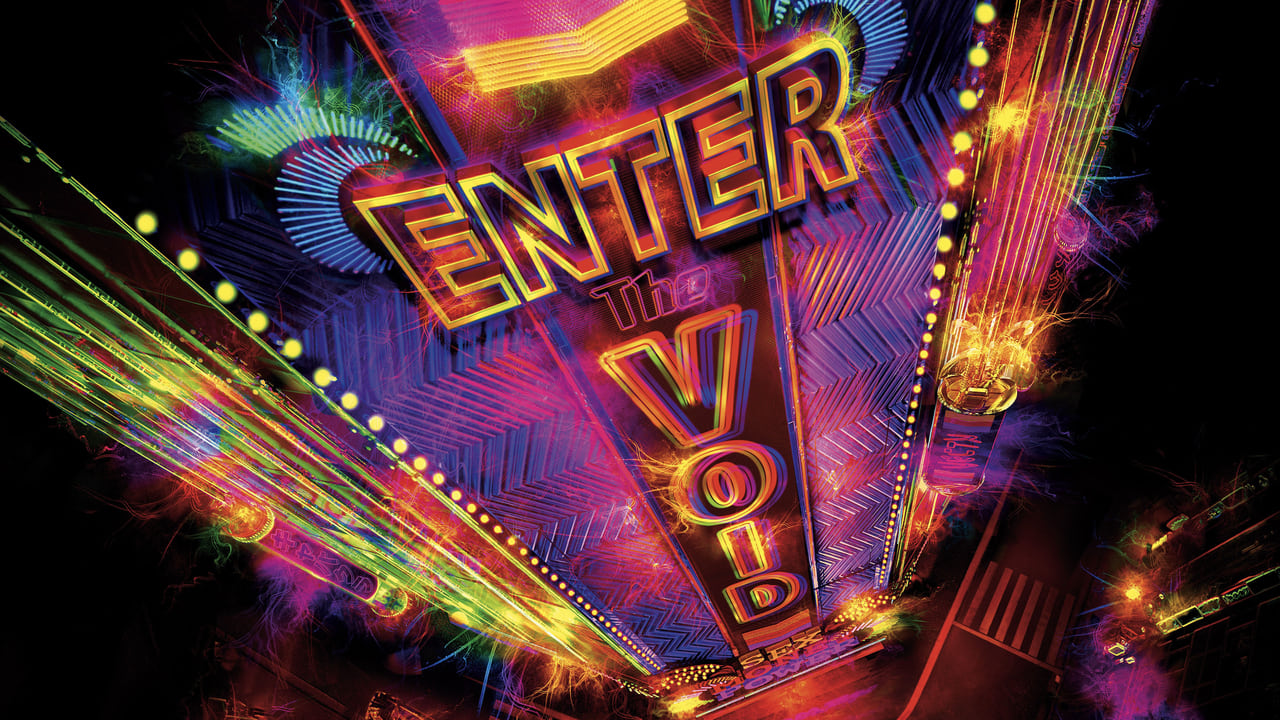
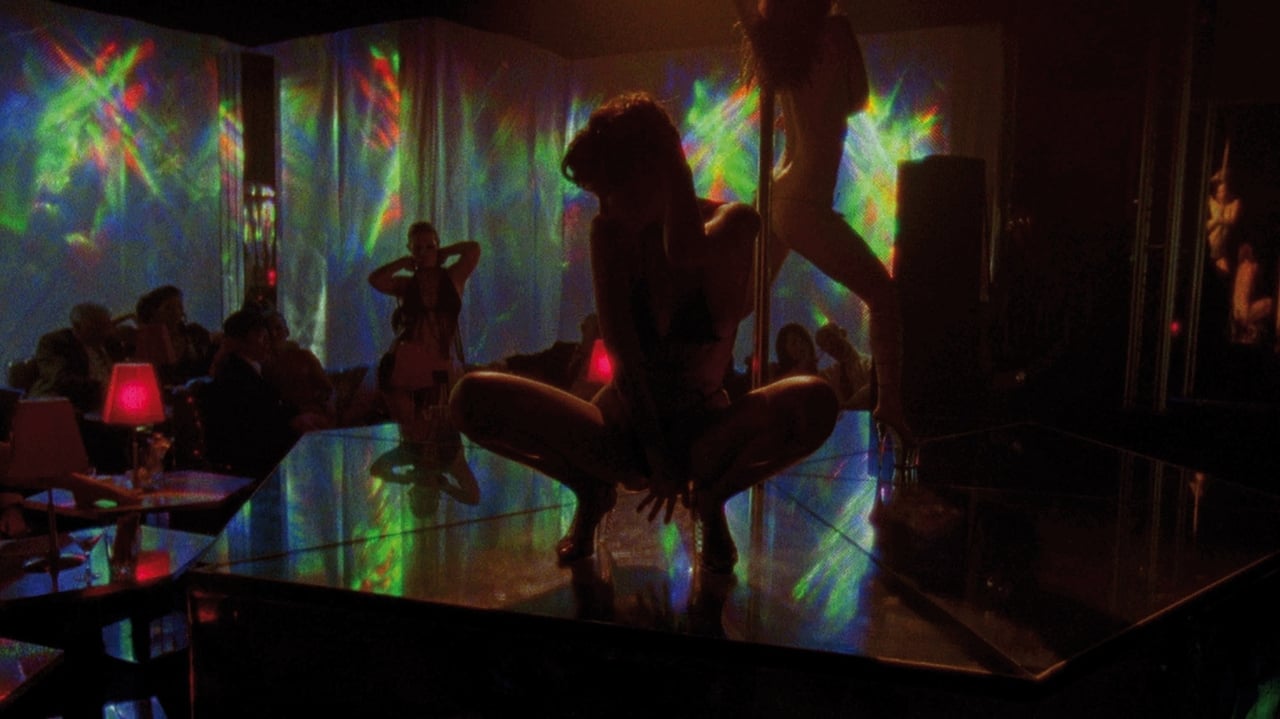
The real star here isn't any of the actors, but the cinematography of Benoît Debie. If you’ve seen his work on Spring Breakers (2012), you know he treats neon light like it’s a religious experience. In Enter the Void, the colors don't just sit on the screen; they bleed into your retinas. The film is constructed to look like a series of unbroken takes, weaving through walls and floors with an impossible fluidity.
However, that ambition comes with a price. The middle hour of this movie is essentially a screensaver for a particularly nihilistic deity. By the time we get to the third sequence of Oscar’s spirit drifting over a scale model of the city, the "wow" factor begins to wilt under the 161-minute runtime. I found myself wishing Oscar would just find a light and go into it already. But that’s Noé’s brand—he wants to exhaust you. He wants the film to be a physical trial. Gaspar Noé is the cinematic equivalent of that guy at the party who won't stop talking about his DMT trip while staring directly into your soul.
A Masterclass in Raw Performance
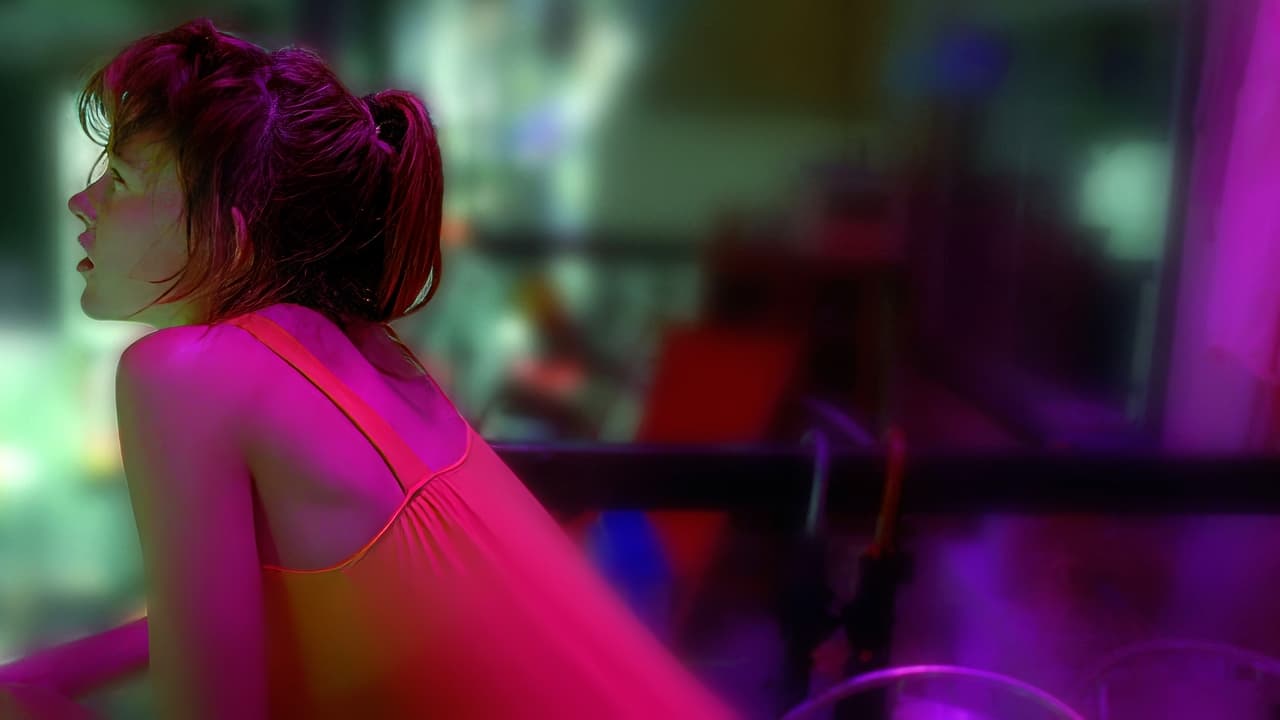
Despite the technical wizardry, the film lives and dies on the relationship between Oscar and Linda. Paz de la Huerta gives a performance that is uncomfortably raw. She doesn't "act" so much as she vibrates with a desperate, jagged energy. There’s a scene where she screams at her boss, Mario (Masato Tanno), that feels so genuine I felt like I should apologize to my neighbors for the noise.
Nathaniel Brown has a harder job because we mostly see the back of his head or hear his muffled thoughts. Yet, the chemistry between the two—a bond forged in the fires of a horrific childhood car accident—is what keeps the film from floating away into pure abstraction. You care about whether Linda survives her grief, even when the movie is busy showing you a CGI representation of a glowing fetus.
Why This Neon Dream Vanished
It’s not hard to see why Enter the Void earned less than $800,000 at the box office against a $13 million budget. It’s a hard sell. In 2010, audiences were flocking to the structured dream-logic of Christopher Nolan’s Inception, which felt like a safe, guided tour of the subconscious. Noé’s film, by contrast, feels like being shoved into a blender with a bag of glow sticks.

The production was famously difficult. Apparently, Noé had been trying to make this film for fifteen years, originally inspired by watching Lady in the Lake while on mushrooms in his twenties. He finally got the funding after the success of Irréversible, but the shoot in Tokyo was a logistical nightmare. The car crash sequence alone, which is one of the most terrifyingly realistic depictions of an accident I've ever seen, took dozens of takes and precise digital stitching to perfect.
Looking back, the film is a relic of a time when "Extreme Cinema" was trying to find a home in the digital age. It’s a bridge between the grit of the 90s indie scene and the high-gloss, tech-heavy spectacles of the 2010s. It hasn't aged a day because there is still nothing else that looks or feels like it.
Enter the Void is a gorgeous, bloated, infuriating, and occasionally profound piece of work. It’s the kind of movie that reminds you that the camera can be more than a silent observer—it can be a soul. You might not want to watch it twice, and you’ll definitely need an aspirin when the credits roll, but you won’t forget a single frame. It’s a reminder that sometimes, the most interesting things in cinema happen when a director is given too much money and zero supervision.
---
Keep Exploring...
-
Irreversible
2002
-
The Jacket
2005
-
Inland Empire
2006
-

The Fall
2006
-
Across the Universe
2007
-
Ghost Town
2008
-

Ruby Sparks
2012
-
The Odd Life of Timothy Green
2012
-
Byzantium
2013
-
The Tale of The Princess Kaguya
2013
-

Where the Wild Things Are
2009
-

Wizards of Waverly Place: The Movie
2009
-

16 Wishes
2010
-

Ruby Red
2013
-
Sapphire Blue
2014
-

The Muppet Christmas Carol
1992
-
The Secret Garden
1993
-

Heavenly Creatures
1994
-
The Hudsucker Proxy
1994
-
A Little Princess
1995