Exit Through the Gift Shop
"The greatest trick the street ever pulled."

I watched this while my neighbor was power-washing his driveway, which felt like a fittingly destructive soundtrack to a movie about graffiti. There’s something inherently hilarious about watching a film dedicated to "street art"—an medium that exists specifically to defy ownership and permanency—while sitting in a comfortable chair drinking overpriced sparkling water. It’s a contradiction that Banksy, the world’s most famous invisible man, leans into until the whole structure of the documentary starts to creak and groan under the weight of its own irony.
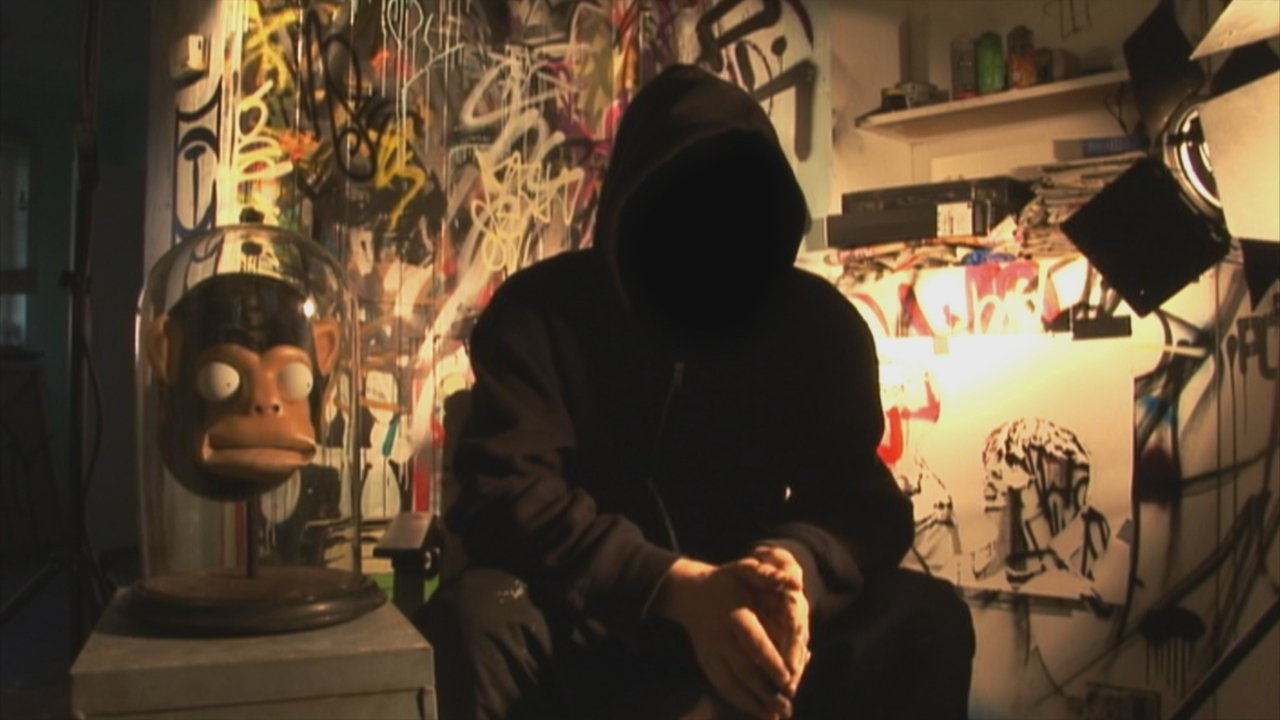
In 2010, the "is it real?" marketing trend was reaching its peak. We’d survived the found-footage boom of the late 90s and the early YouTube era where every grainy clip of a "ghost" was debated in comment sections. Exit Through the Gift Shop arrived right at that sweet spot, masquerading as a traditional documentary before pulling the rug out so violently that you’re left wondering if the protagonist even exists.
The Man with the Camcorder
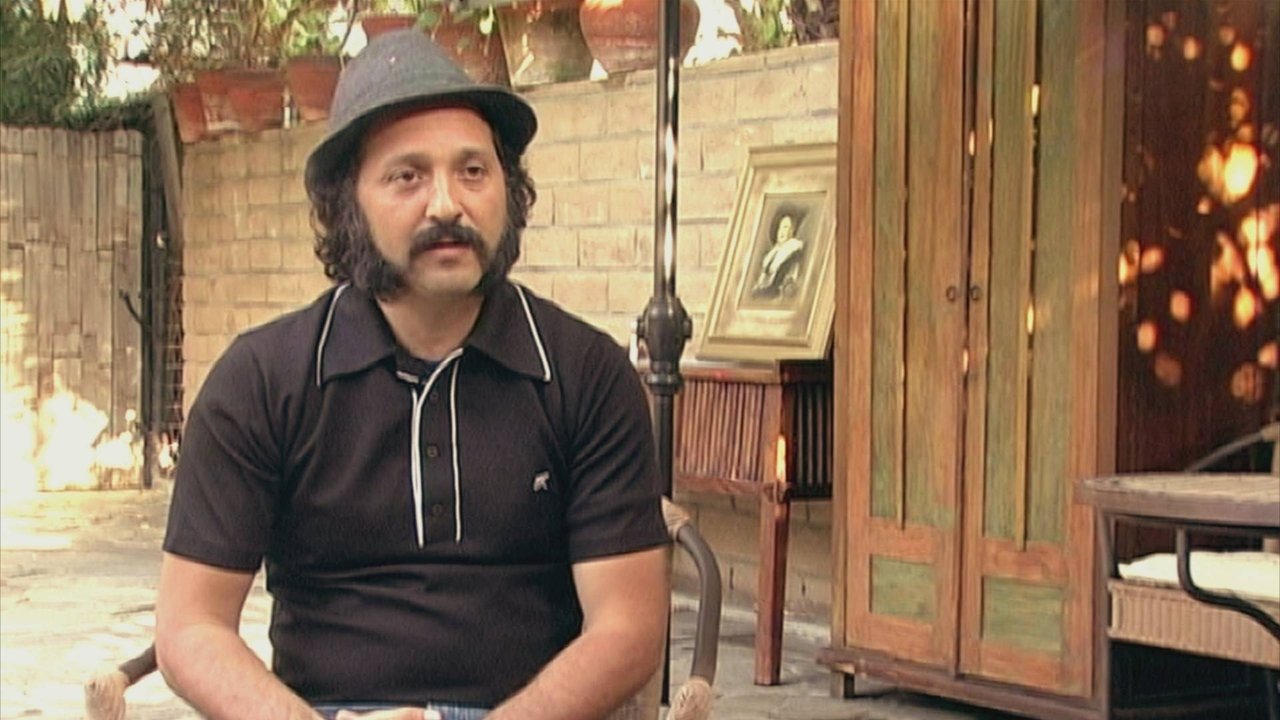
The story follows Thierry Guetta, a French expatriate in Los Angeles who is, to put it politely, a bit of a nutcase. He’s obsessed with filming everything. Long before everyone had a 4K camera in their pocket, Thierry was lugging around heavy digital camcorders, capturing thousands of hours of footage that he never actually watched. He’s the ultimate hoarder of experiences, a man who believes that if it isn't on tape, it didn't happen.
Through his cousin, the mosaic artist Invader, Thierry finds himself embedded in the secret world of night-time vandalism. He eventually meets Shepard Fairey (the man behind the "Obey" and "Hope" posters) and, ultimately, the elusive Banksy. The "drama" here isn't in a scripted conflict; it’s in the slow-motion car crash of a man who has no artistic vision being handed the keys to the kingdom. Thierry Guetta is essentially a human ‘Error 404’ message for the concept of talent, and watching him navigate the high-stakes world of street art is both agonizing and riveting.
The Ultimate Art World Prank
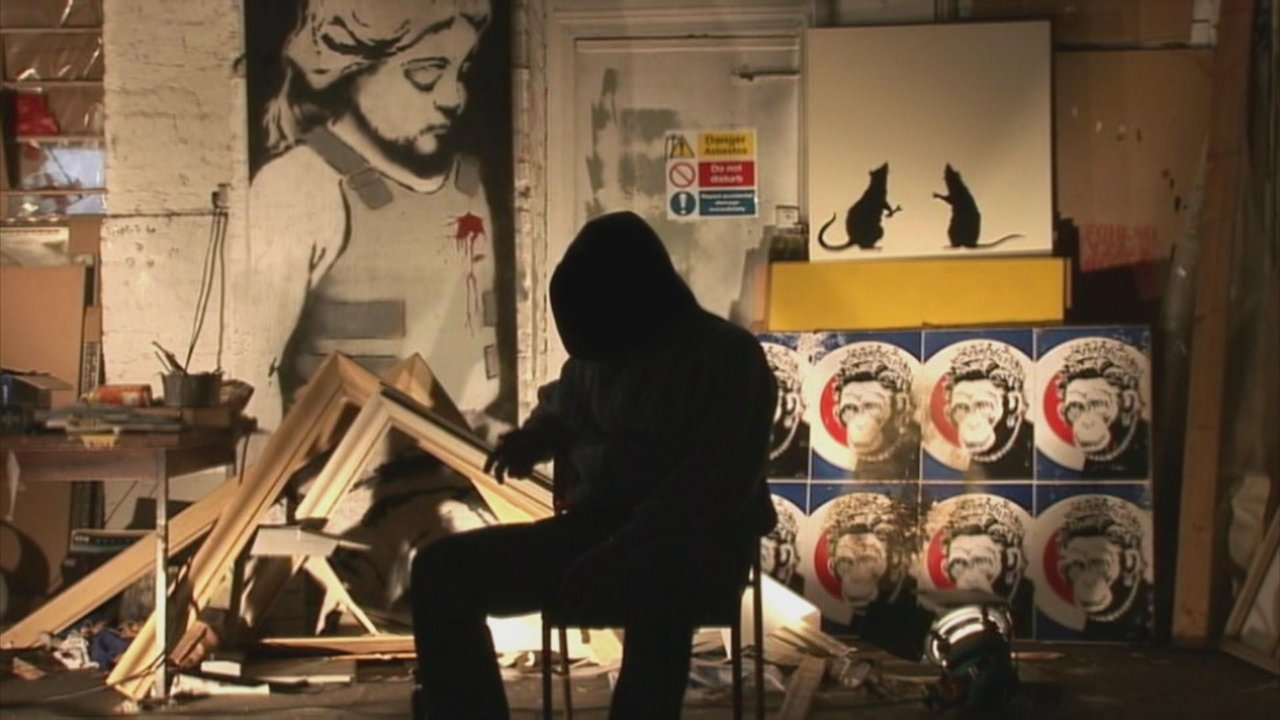
The twist, of course, is that Thierry is a terrible filmmaker. When he finally shows Banksy his "masterpiece"—an unwatchable, seizure-inducing nightmare called Life Remote Control—the artist realizes he’s made a mistake. In a brilliant reversal of the "subject-filmmaker" relationship, Banksy takes the cameras away from Thierry and tells him to go "make some art" of his own while Banksy tries to edit the footage into a real movie.
What follows is the birth of "Mr. Brainwash," Thierry’s art-world persona. Seeing a man with zero background in art hire a team of graphic designers to manufacture "street art" for a massive Los Angeles show is the film’s most biting commentary. It captures that specific late-2000s transition where subculture was being rapidly commodified. It’s the death of the "indie" spirit in real-time. The film asks a deeply uncomfortable question: If someone can become a world-renowned artist just by following a template and having a good marketing team, was the "authentic" art ever actually special to begin with?
Selling the Rebellious Dream
The performance of Thierry Guetta is fascinating because you can never quite tell if he’s a genius or a fool. He approaches art like a retail manager—which, given his background in vintage clothing, makes sense. He knows how to sell an "aesthetic" even if he doesn't understand the soul of it. Rhys Ifans narrates the whole thing with a dry, Shakespearean gravity that makes the absurdity of Thierry’s rise feel even more like a Greek tragedy written by a prankster.
Looking back, the film captures the exact moment the digital revolution democratized fame. Thierry didn't need a gallery’s permission; he just needed a hype machine and a warehouse. It’s a precursor to the influencer era, a warning shot fired across the bow of high society. The production itself feels raw—grainy digital video interspersed with high-gloss shots of Banksy in the shadows, his voice distorted to sound like a witness in a mob trial. It’s a "disaster movie" not because anything explodes, but because the idea of the "starving artist" is blown to smithereens.
Is the whole thing a hoax? Did Banksy invent Thierry? To me, it doesn't really matter. The brilliance of the film lies in the ambiguity. It forces us to confront our own role as the "gift shop" patrons, ready to buy a t-shirt of a rebellion we weren't brave enough to participate in. It’s a cerebral gut-punch delivered with a wink and a spray-can.
Ultimately, this is a film that rewards the skeptical viewer. It’s one of the few documentaries from the digital transition era that actually feels more relevant today than it did upon release. As we move further into a world of AI-generated content and manufactured virality, the story of Mr. Brainwash feels less like a prank and more like a prophecy. Whether you’re a fan of street art or someone who thinks a banana taped to a wall is a scam, this film will give you exactly what you want: a reason to never trust the price tag on a painting again.

Keep Exploring...
-

Grizzly Man
2005
-

Blackfish
2013
-

One Direction: This Is Us
2013
-

Citizenfour
2014
-
Senna
2010
-
Man on Wire
2008
-

Inside Job
2010
-
Searching for Sugar Man
2012
-

The Fall
2006
-
Synecdoche, New York
2008
-
Detachment
2011
-

Paperman
2012
-
Justice League: The Flashpoint Paradox
2013
-

Nebraska
2013
-
Bowling for Columbine
2002
-
Jackass Number Two
2006
-

Barbie in the 12 Dancing Princesses
2006
-

Fearless
2006
-
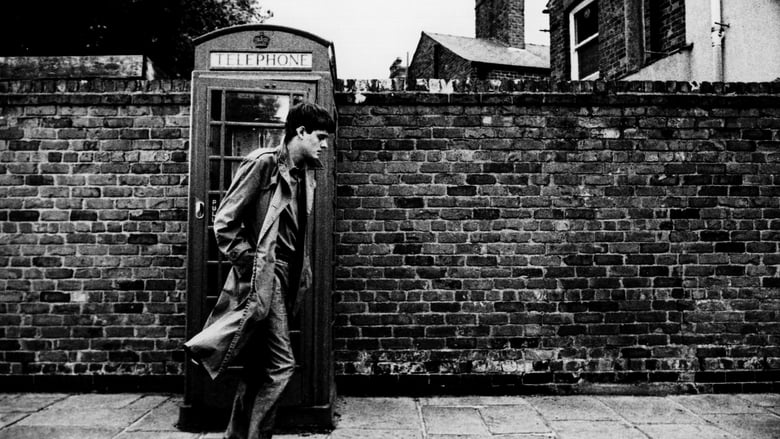
Control
2007
-

Evangelion: 1.0 You Are (Not) Alone
2007