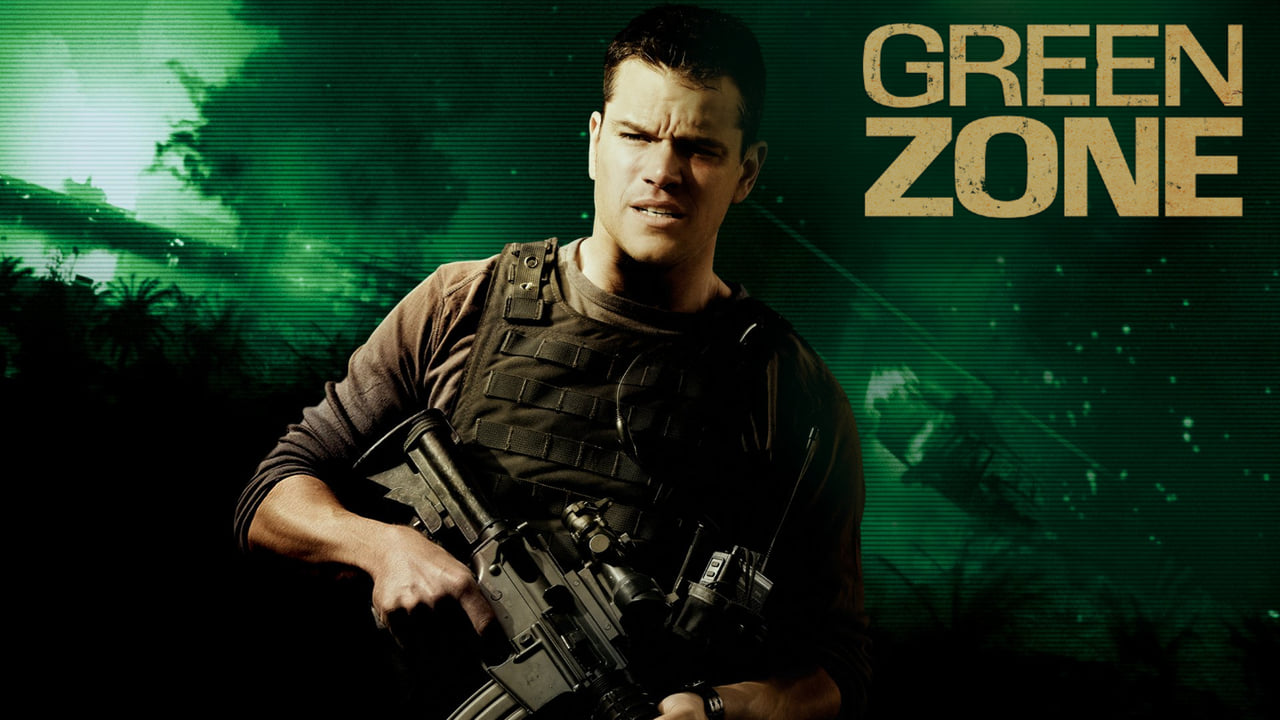
Green Zone
"The truth is the only target he can't find."
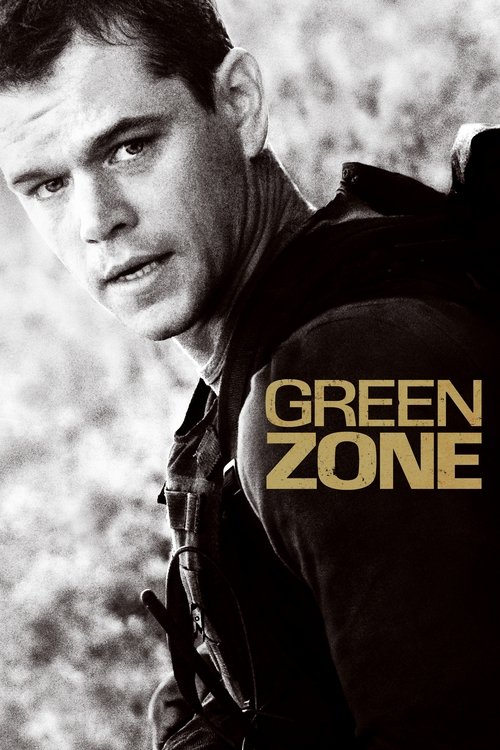
I remember sitting in a half-empty theater in March 2010, watching the opening credits of Green Zone while trying to navigate an exceptionally large box of Raisinets. About twenty minutes in, I dropped a handful of them, and for the rest of the film, the rhythmic crunch of chocolate-covered raisins under my sneakers actually blended quite well with the sound of Matt Damon stomping through the Iraqi gravel. It was an oddly immersive experience for a movie that feels like it’s trying to shake the teeth right out of your skull.
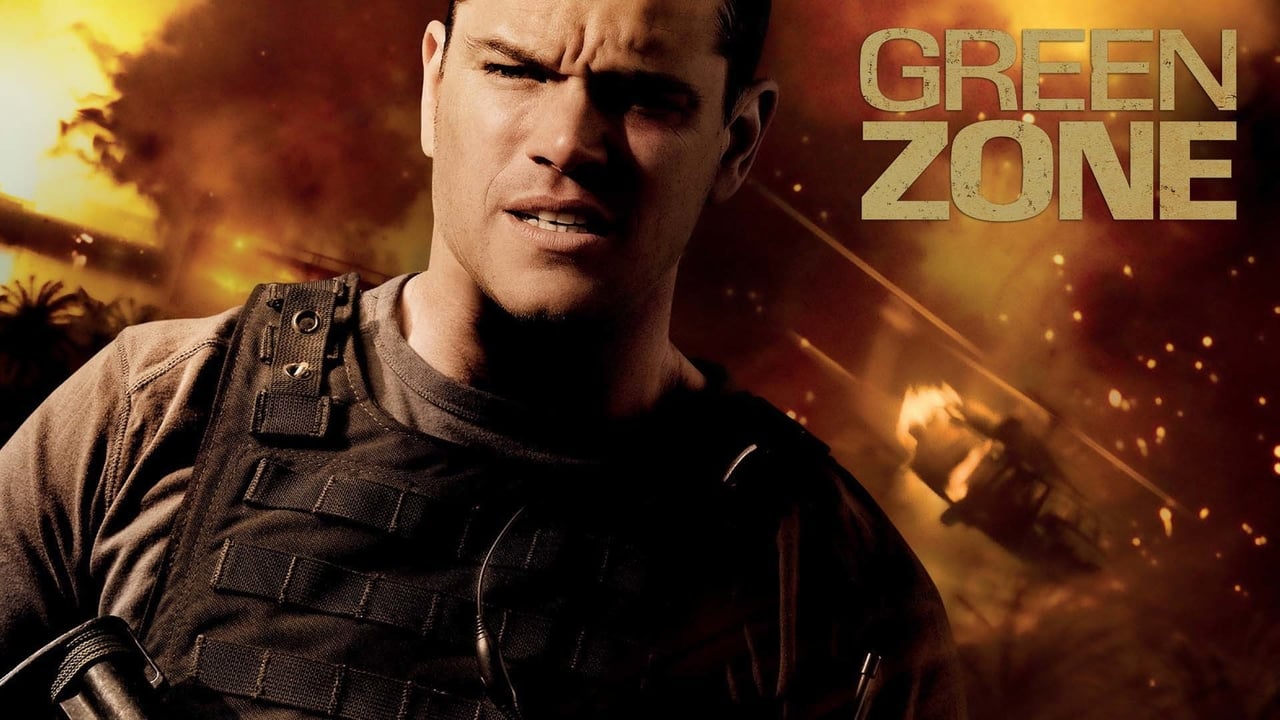
At the time, the world was suffering from a bit of "Iraq War Fatigue." We’d had The Hurt Locker, Stop-Loss, and Redacted, and audiences were starting to check out. But Green Zone was different. It was Universal’s attempt to take the high-octane, shaky-cam magic of the Bourne franchise and transplant it into the middle of the WMD hunt. It’s a $100 million political thriller that plays like a frantic game of keep-away, and looking back, it’s a fascinating relic of a very specific moment in Hollywood’s post-9/11 soul-searching.
Bourne in Baghdad
The DNA of this movie is pure Paul Greengrass. If you’ve seen The Bourne Supremacy (2004) or United 93 (2006), you know the drill: the camera doesn’t just move; it panics. For some, this "shaky-cam" style is a headache-inducing nightmare, but I’ve always felt it worked for Greengrass because it captures the fog of war better than almost any other technique.
Matt Damon plays Chief Warrant Officer Roy Miller, a guy whose entire job is to find the weapons of mass destruction that the U.S. government insisted were there. The problem? Every site he raids is a big, dusty goose egg. Miller isn’t a superhero; he’s a frustrated investigator who starts to realize his intel is garbage. Matt Damon is basically playing a very grumpy middle-manager with a high-clearance security pass and a rifle. He brings that same earnest, "I just want the truth" energy that made Jason Bourne so likable, but without the amnesia or the superhuman fighting skills.
The supporting cast is where the movie really finds its flavor. Greg Kinnear plays Clark Poundstone, a suit-wearing bureaucrat who is essentially the human personification of "The Party Line." He’s slick, well-groomed, and utterly infuriating. Opposite him is Brendan Gleeson (who was brilliant in The Guard) as the cynical CIA veteran who knows the whole invasion is a house of cards. The back-and-forth between the "let's build a democracy" idealism of the Pentagon and the "we just set this place on fire" reality of the CIA provides the film’s real tension.
The Art of the Frantic Chase
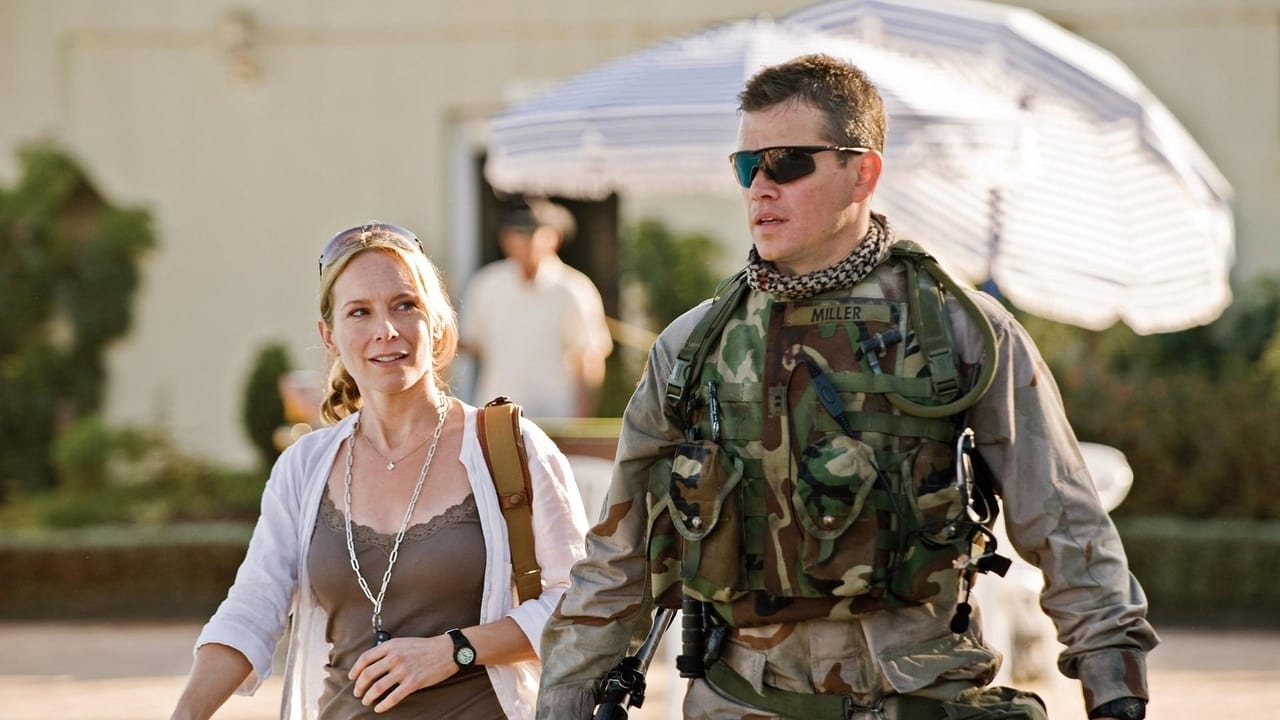
While the politics are heavy, Green Zone is first and foremost an action movie. The choreography isn't about beautiful martial arts; it’s about the chaotic, heavy physics of soldiers moving through a city that doesn't want them there. There’s a night-time chase toward the end of the film through the dark alleys of Baghdad that is a masterclass in tension. It uses night-vision perspectives and thermal imaging to create a sense of claustrophobia that I haven't seen replicated quite the same way since.
Interestingly, Greengrass insisted on a high level of authenticity. He cast actual Iraq and Afghanistan veterans to play Miller’s squad. You can see it in the way they move—how they clear a room or hold their weapons. It adds a layer of weight to the spectacle. The WMD hunt in this film is basically a $100 million game of Go Fish where nobody has any cards, and the frustration of the soldiers on screen feels genuine because the people playing them have actually been in those boots.
The sound design also deserves a shout-out. The hum of the Black Hawks, the distant pop of small arms fire, and the way voices echo in those cavernous, half-destroyed palaces—it all builds an atmosphere that feels expensive and lived-in. It’s a movie where you can almost smell the jet fuel and the dust.
A Cult Perspective on the Flop
Why didn't this hit big? In 2010, people wanted to go to the movies to escape, and Green Zone felt like a homework assignment about a war we were still fighting. It was "too soon" for some and "too political" for others. But revisiting it now, away from the immediate heat of the mid-2000s headlines, it’s a cracking good thriller. It’s cynical, fast-paced, and surprisingly brave for a big studio blockbuster.
It’s also one of the last gasps of the pre-MCU era, where a studio would drop nine figures on a standalone, R-rated political actioner starring a major A-lister. We don't see many "dad thrillers" with this kind of budget anymore. It’s the kind of movie that flourished on DVD, where people could pause and say, "Wait, is that Jason Isaacs with a massive mustache?" (Yes, it is, and the mustache deserves its own billing.)
Looking back, Green Zone doesn't feel like a failed Bourne spin-off. It feels like a smart, angry film about the cost of bad information. It’s the perfect watch for a rainy Tuesday when you want something with more grit than a superhero flick but more adrenaline than a standard documentary. Just maybe skip the Raisinets—the movie is loud enough on its own.
Ultimately, Green Zone is a testament to the Greengrass/Damon partnership, proving they could tackle real-world messiness with the same intensity they brought to fictional spies. It’s a film that asks uncomfortable questions while never forgetting to keep the pulse pounding. Even if the history books have been written, this remains a gripping "what if" that deserves a spot in your weekend queue.

Keep Exploring...
-
The Bourne Ultimatum
2007
-
The Bourne Supremacy
2004
-
Kingdom of Heaven
2005
-

Poseidon
2006
-
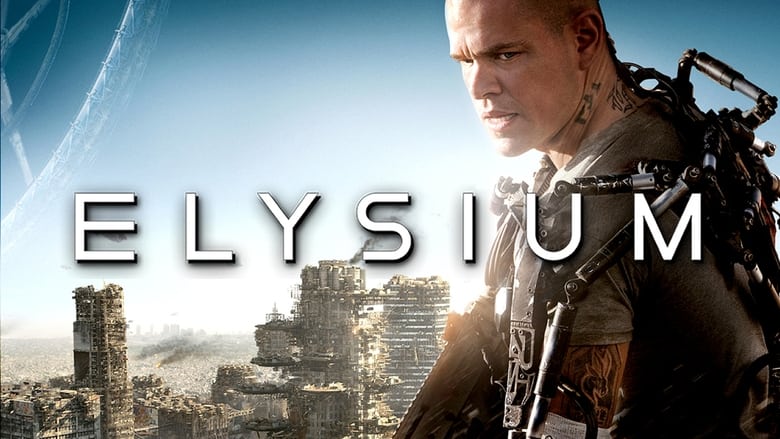
Elysium
2013
-
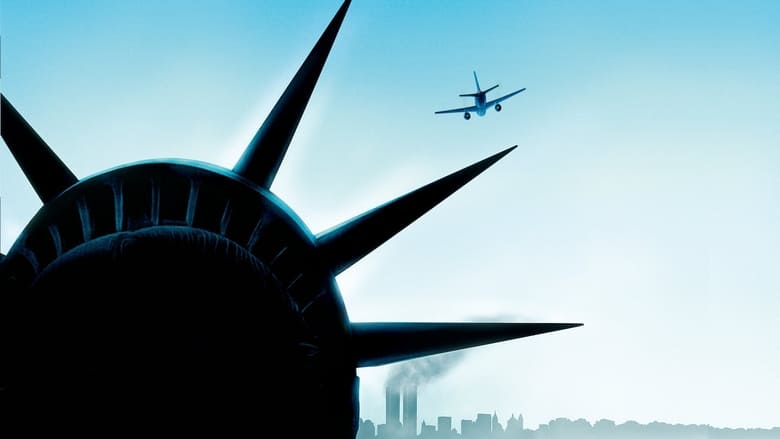
United 93
2006
-
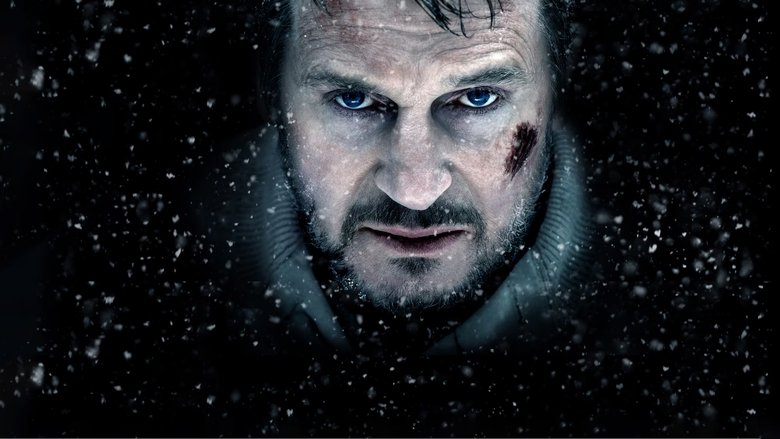
The Grey
2012
-
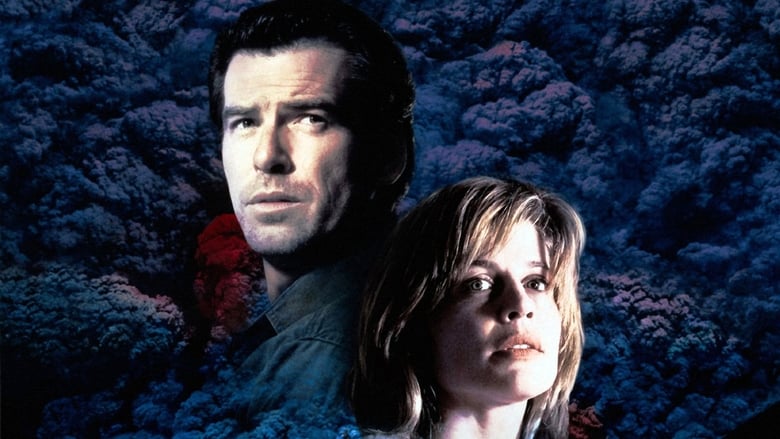
Dante's Peak
1997
-

Alexander
2004
-

King Arthur
2004
-

The Brothers Grimm
2005
-
Jason Bourne
2016
-
Red Cliff
2008
-

In the Heart of the Sea
2015
-

King Kong
2005
-
Munich
2005
-
The Island
2005
-

16 Blocks
2006
-
Mission: Impossible III
2006
-

The Fast and the Furious: Tokyo Drift
2006