Harry Potter and the Deathly Hallows: Part 1
"A grim road trip that trades magic wands for desperate survival and heavy hearts."
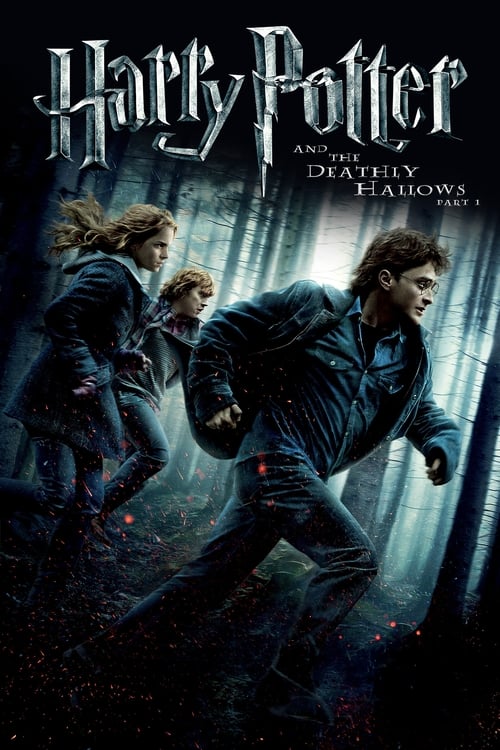
The Warner Bros. logo doesn’t just appear at the start of Harry Potter and the Deathly Hallows: Part 1; it decays. It’s rusted, pitted, and emerging from a thunderous, charcoal sky. It’s the perfect warning for what follows. By 2010, the "boy who lived" had spent a decade growing up on screen, but this was the moment the safety net of Hogwarts was finally yanked away, leaving us—and the trio—shivering in the woods. I remember watching this in a theater where the guy in the row behind me kept rattling a bag of SunChips, which strangely synced up with the sound of dry leaves crunching under Rupert Grint’s boots. It was the most grounded I’d ever felt in a world of wizards.
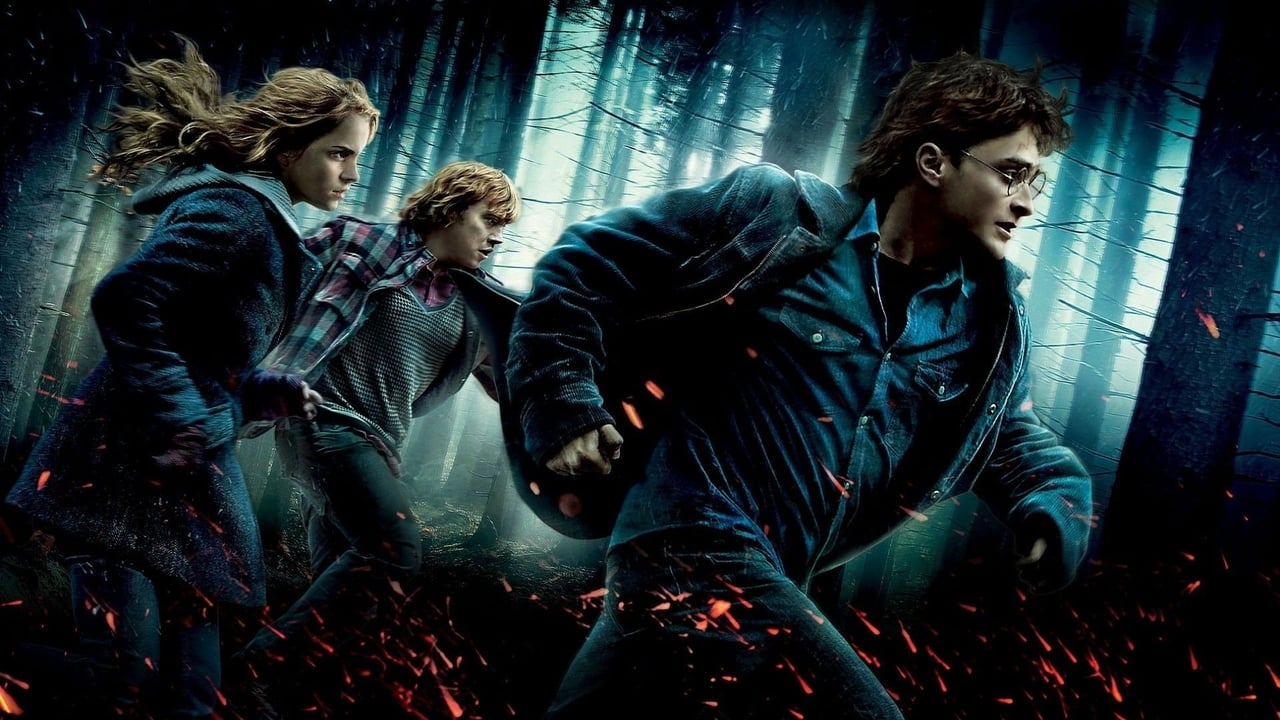
A Long Walk in the Woods
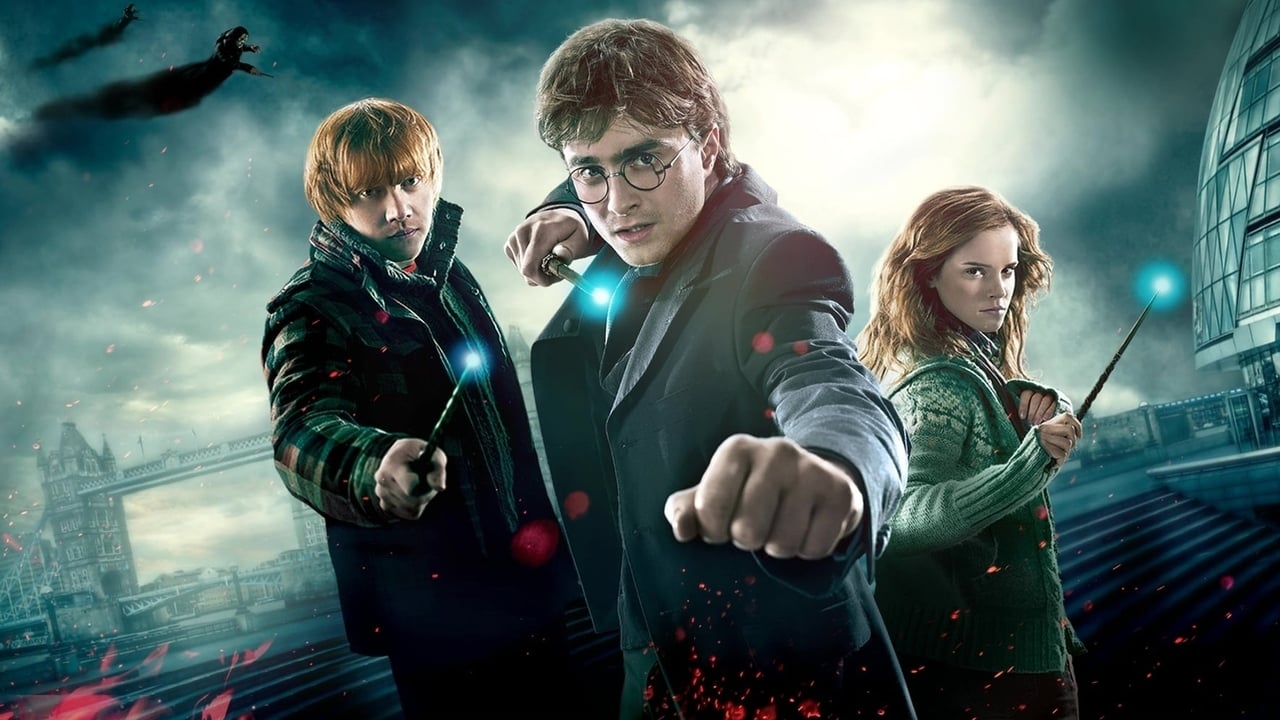
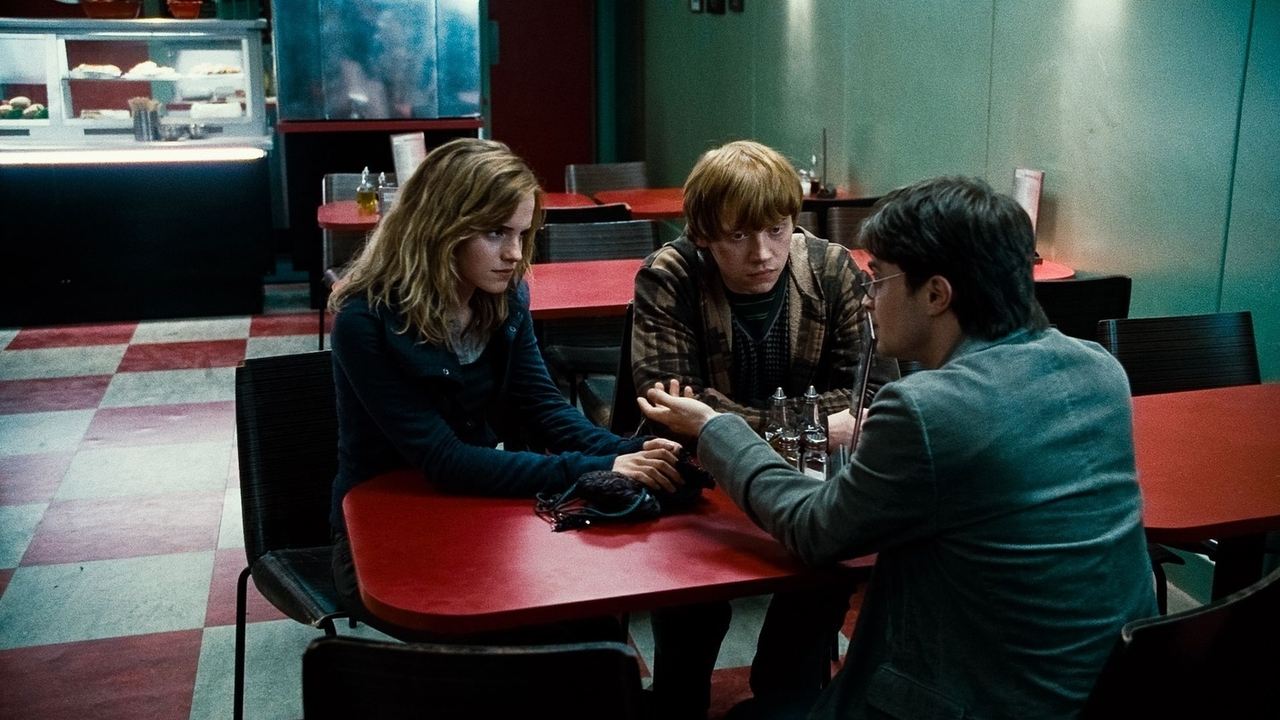
For years, the knock on Deathly Hallows: Part 1 was that it’s "the one where they go camping." People wanted spectacular wand duels and Quidditch matches; instead, director David Yates (who also steered The Legend of Tarzan) gave us a psychological thriller about three teenagers suffering from exhaustion, paranoia, and the crushing weight of a Horcrux that literally burns into their skin. Looking back, this "boring" camping trip is actually the secret sauce of the entire series. It allows the characters to breathe—or gasp for air—away from the plot-heavy halls of a school.
The adventure here isn't about reaching a destination; it’s about the erosion of friendship. The chemistry between Daniel Radcliffe, Emma Watson, and Rupert Grint had reached a peak by this point. They aren't just reciting Steve Kloves’ lines; they are inhabiting a shared history. When Ron finally snaps and leaves, it doesn't feel like a scripted beat; it feels like a genuine betrayal. Rupert Grint is the MVP here, carrying the physical burden of the Horcrux with a snarling, sweaty intensity that proves he was always more than just the comic relief.
The Animation that Stole the Show
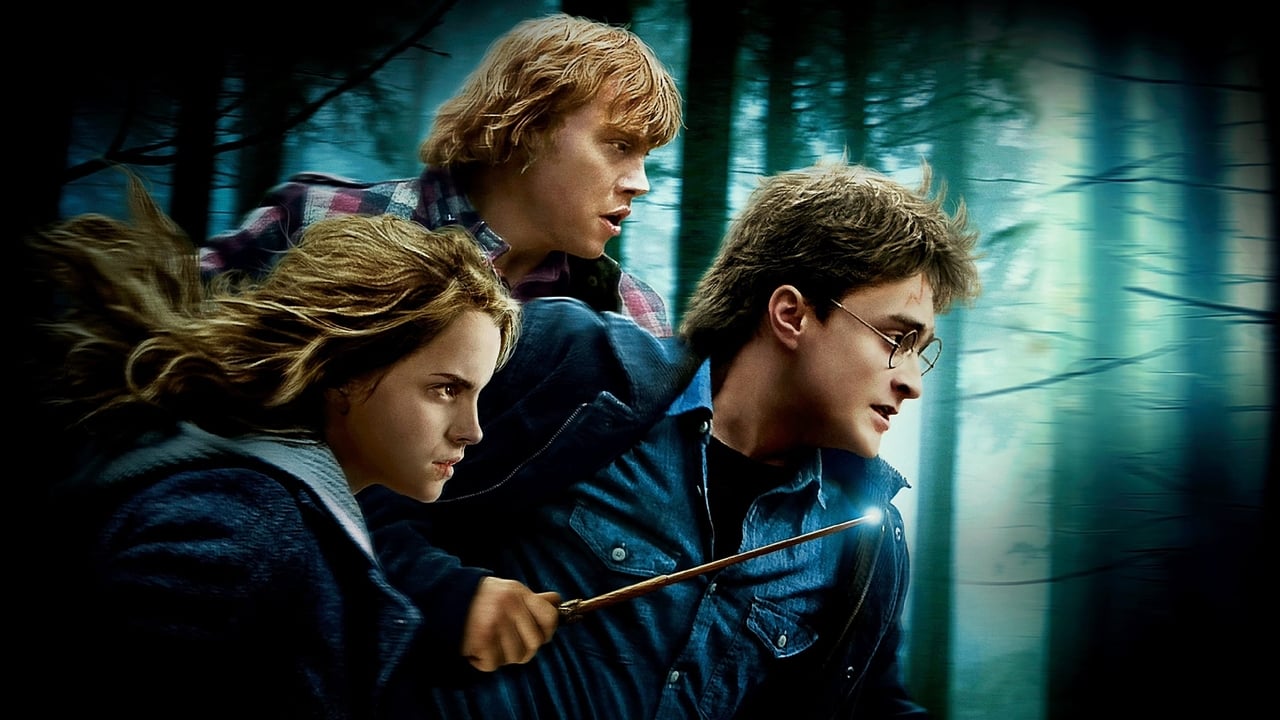
While the film leans heavily into the desaturated, gritty look that dominated the early 2010s—thanks to the moody, French-inspired cinematography of Eduardo Serra—it breaks its own rules with "The Tale of the Three Brothers." This animated sequence, directed by Ben Hibon, is a staggering piece of world-building. It uses a shadow-puppet aesthetic that feels ancient and tactile, providing a sharp contrast to the high-end CGI of the era. It’s a moment of pure wonder in an otherwise bleak landscape.
Speaking of CGI, let’s talk about Dobby. Voiced with heartbreaking sincerity by Toby Jones, the house-elf represents the massive leap in digital effects since his debut in Chamber of Secrets. In 2002, he was a cartoon; by 2010, he had soul in his eyes and texture in his skin. His presence makes the film’s climax hit like a physical blow. I’m not ashamed to admit I still get a lump in my throat when he utters his final line. If you didn’t cry during the beach scene, you might actually be a Death Eater.
The Birth of the "Part One" Gamble
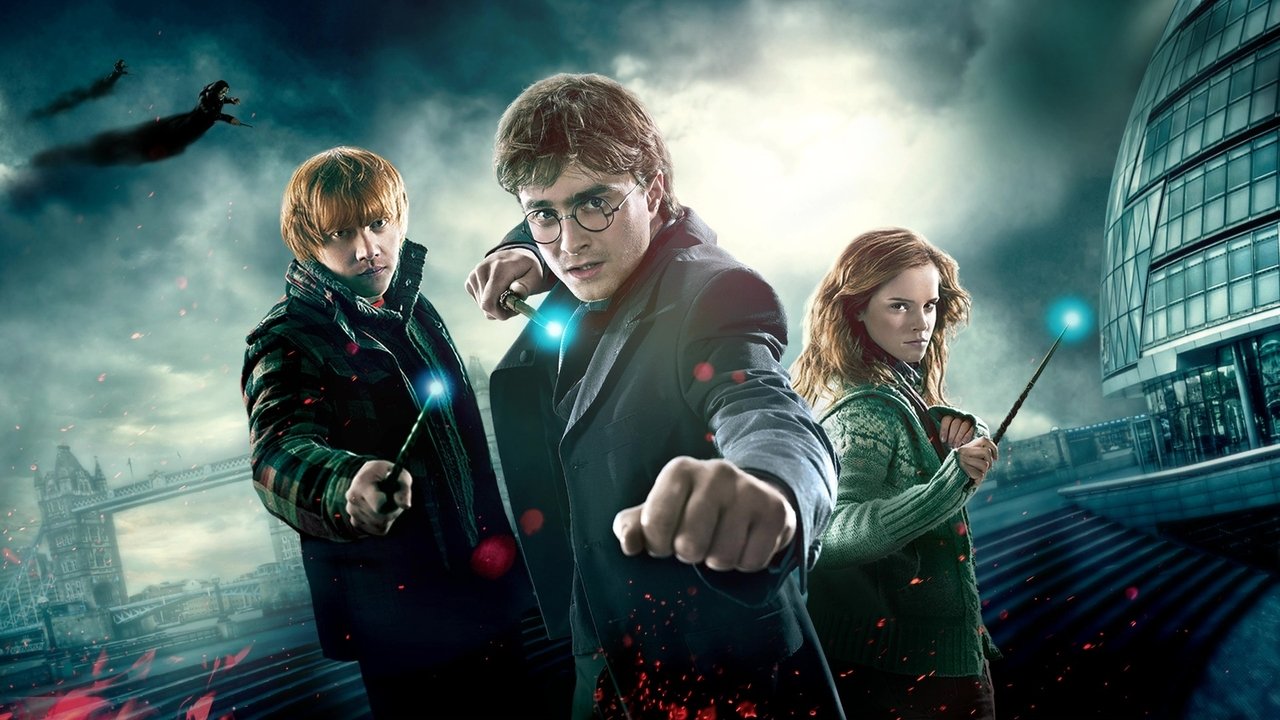
This film cemented a controversial industry trend: the "split-finale." Following the massive success of the Harry Potter franchise, which had already raked in billions, the decision to divide the final book into two films was seen by some as a cynical cash grab. However, it allowed the production to include the small, weird details that fans of the books cherished. We got the "Seven Potters" sequence—which reportedly took Daniel Radcliffe over 90 takes to perfect the subtle tics of his friends mimicking him—and the bizarrely touching dance between Harry and Hermione to a Nick Cave song.
The budget was a staggering $250 million (roughly shared with Part 2), and you see every cent on the screen, from the brutalist architecture of the Ministry of Magic to the sweeping, lonely vistas of the English countryside. The score by Alexandre Desplat (who later won Oscars for The Shape of Water and The Grand Budapest Hotel) replaces the bombastic themes of earlier films with something more orchestral, nervous, and melancholic. It perfectly captures the post-9/11 anxiety that had begun to seep into big-budget fantasy; nowhere is safe, the government has fallen, and the heroes are essentially refugees.
The film ends on a cliffhanger that felt agonizing in 2010 but plays like a masterstroke today. It leaves us on that lonely, windswept beach, mourning a hero who never asked for glory. It’s an adventure that respects its audience enough to be slow, dark, and deeply human before the fireworks of the grand finale. Looking back, it’s the most "indie" $250 million movie ever made, and it’s all the better for it.
Keep Exploring...
-
Harry Potter and the Deathly Hallows: Part 2
2011
-
Harry Potter and the Order of the Phoenix
2007
-
Harry Potter and the Half-Blood Prince
2009
-
Harry Potter and the Goblet of Fire
2005
-
Harry Potter and the Chamber of Secrets
2002
-
Harry Potter and the Philosopher's Stone
2001
-
Harry Potter and the Prisoner of Azkaban
2004
-
Charlie and the Chocolate Factory
2005
-

Pirates of the Caribbean: Dead Man's Chest
2006
-
Pirates of the Caribbean: At World's End
2007
-
Fantastic Beasts and Where to Find Them
2016
-
The Chronicles of Narnia: The Lion, the Witch and the Wardrobe
2005
-
Avatar
2009
-
How to Train Your Dragon
2010
-
The Hobbit: An Unexpected Journey
2012
-

Frozen
2013
-

The Hobbit: The Desolation of Smaug
2013
-
How to Train Your Dragon 2
2014
-
Maleficent
2014
-
The Hobbit: The Battle of the Five Armies
2014