Heartbeats
"Two friends. One boy. Zero chill."
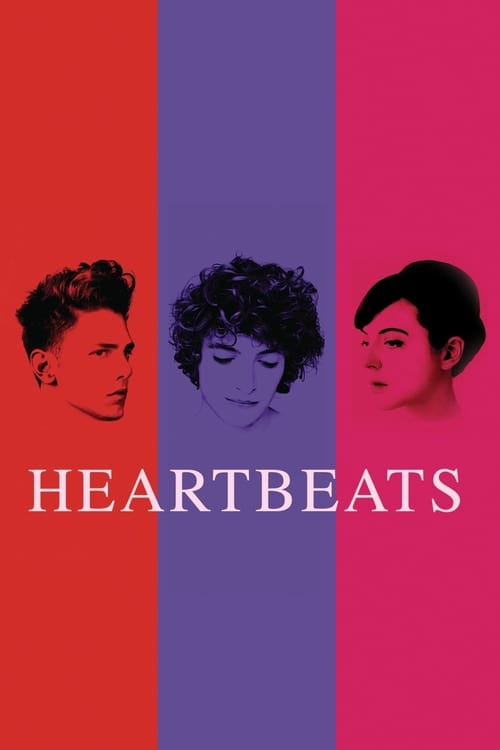
There is a specific type of agony found only in the way a person stirs their coffee when you’re desperately in love with them. In Xavier Dolan’s Heartbeats (or Les Amours Imaginaires), that agony isn't just a subtext; it is the entire visual language. Everything—from a vintage teacup to a stray curl of blonde hair—is framed with the trembling intensity of a private investigator looking for a motive. I watched this for the first time on a Tuesday evening while my neighbor was loudly practicing the tuba, and honestly, the brassy, clumsy blares from next door provided a strangely perfect counterpoint to the high-fashion, slow-motion heartbreak unfolding on my screen.
The Aesthetics of a Crush
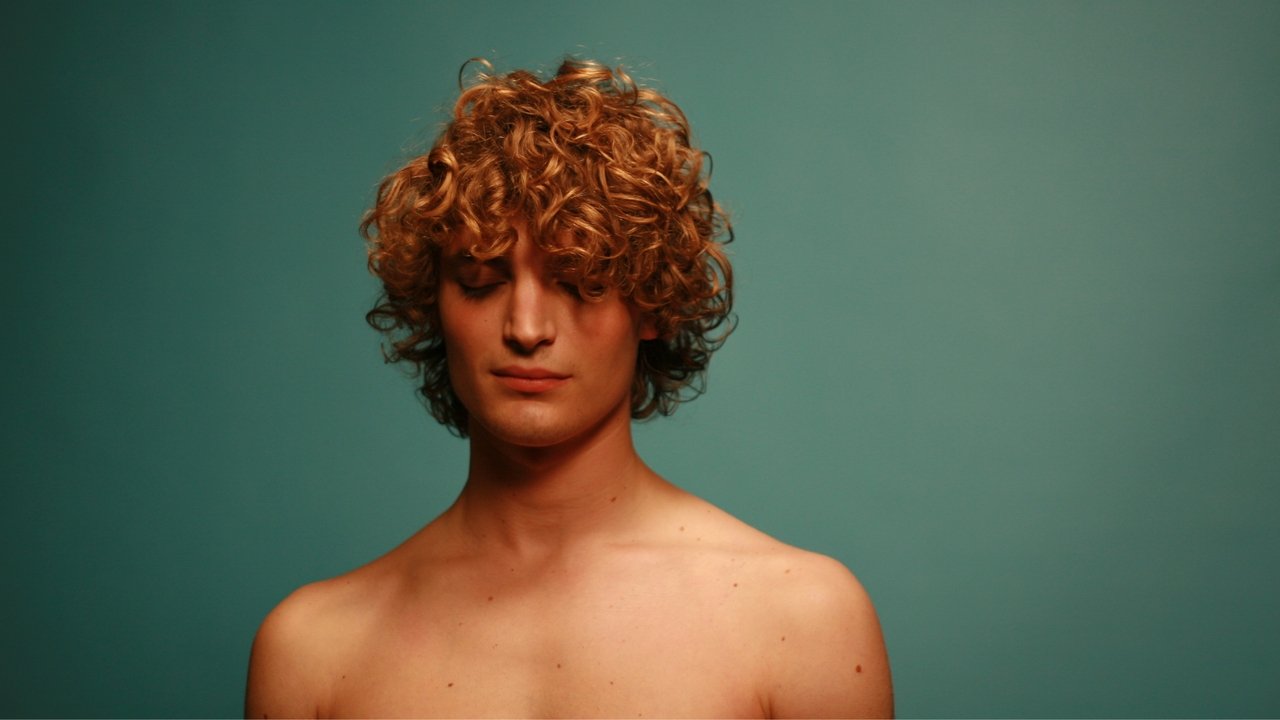
Released in 2010, Heartbeats arrived right at the peak of the "Tumblr-core" aesthetic era, and boy, does it lean into it. The film follows Francis (Xavier Dolan) and Marie (Monia Chokri), two impeccably dressed best friends in Montreal who both fall for the same person: Nicolas (Niels Schneider), a golden-haired Adonis who looks like he stepped out of a Botticelli painting and into a thrift store.
The plot is deceptively simple, but the execution is a colorful tantrum of style. Dolan, who was only 21 when this premiered at Cannes, directs with the kind of unbridled confidence that usually leads to either a disaster or a cult classic. He chooses the latter by making the film look like a $400,000 fashion shoot. I’m convinced that Xavier Dolan is the only person on the planet who can make three minutes of slow-motion walking look like a religious experience. He uses Dalida’s French-Italian cover of "Bang Bang" so many times it should be annoying, yet every time those horns kick in and we see the trio strutting through autumn leaves, I found myself wishing my own life had a dedicated cinematographer and a smoke machine.
A Trio of Self-Delusion
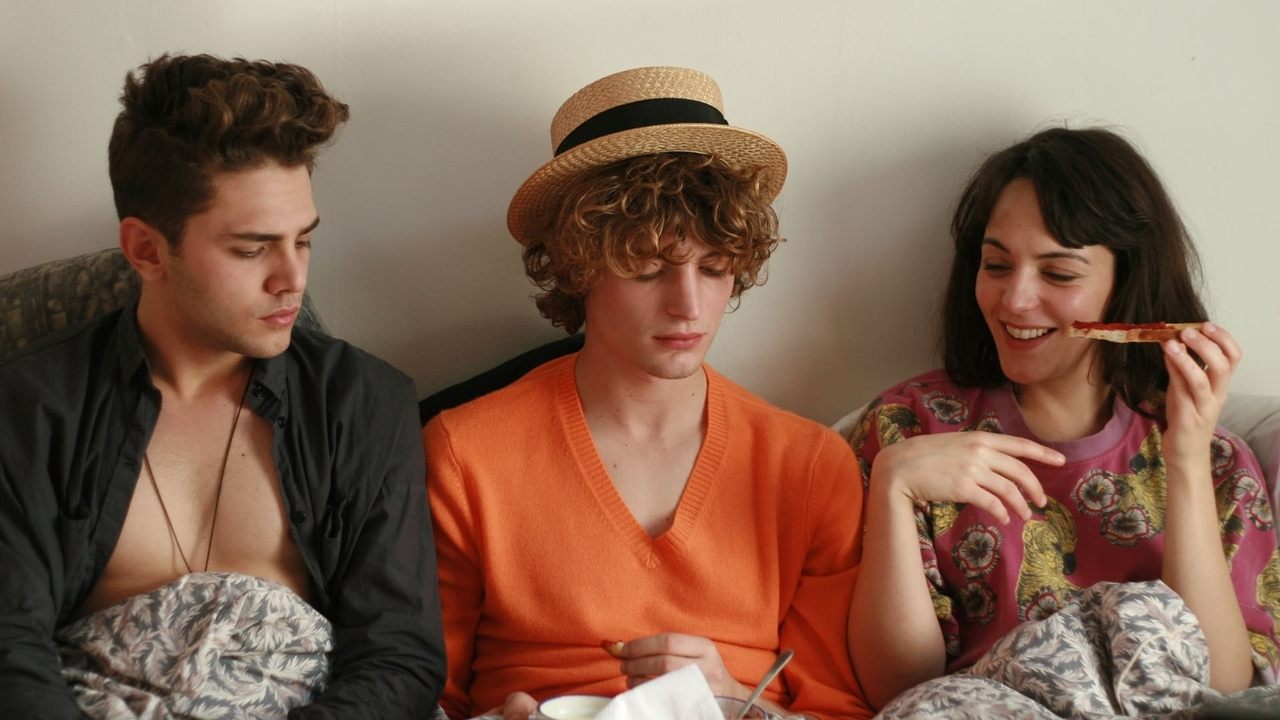
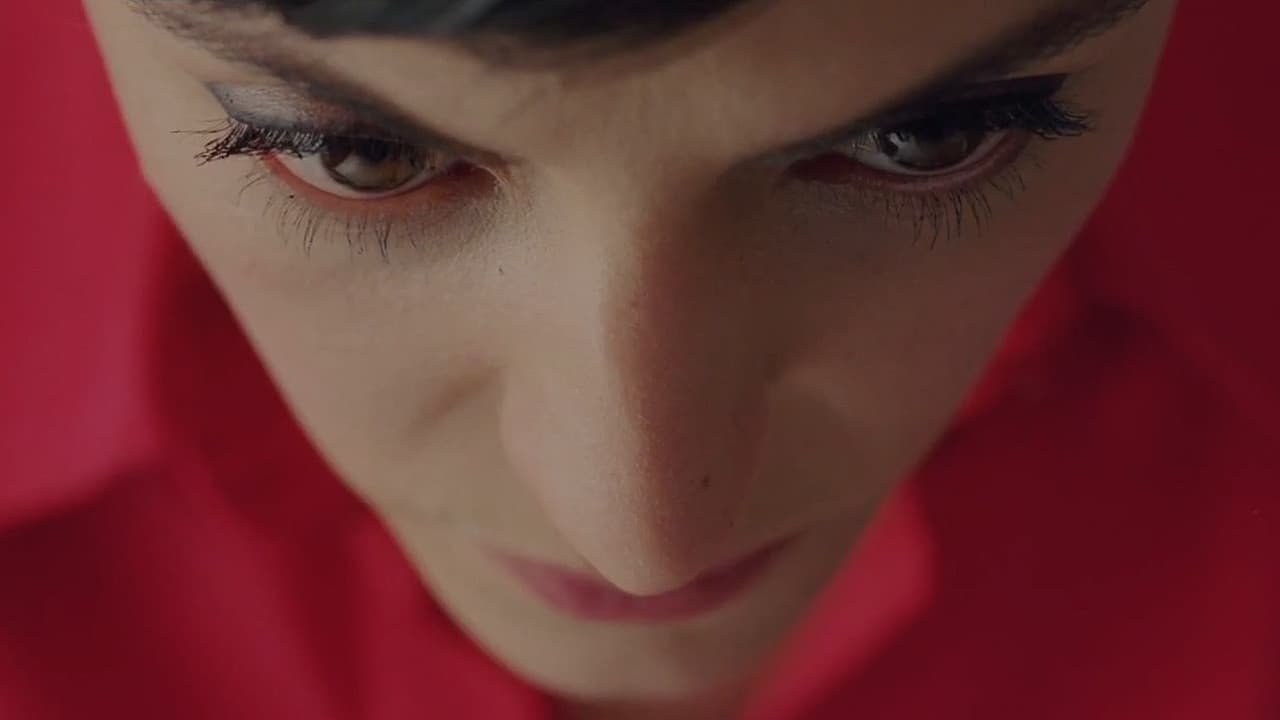
While the film is undeniably pretty, it’s the performances that prevent it from floating away into the ether of music video tropes. Monia Chokri is a revelation as Marie. She plays the "cool, detached girl" archetype with a brittle edge that suggests she might shatter if Nicolas so much as looks at another woman. Her wardrobe—heavy on 1950s vintage and sharp eyeliner—is a shield. Opposite her, Xavier Dolan plays Francis with a nervous, twitchy energy. Watching the two of them compete for Nicolas’s attention by buying him obscure gifts and over-analyzing his text messages is painfully relatable. We’ve all been there: Nicolas is essentially a human Golden Retriever with a better wardrobe, and his greatest sin isn't cruelty, but a complete, terrifying lack of awareness.
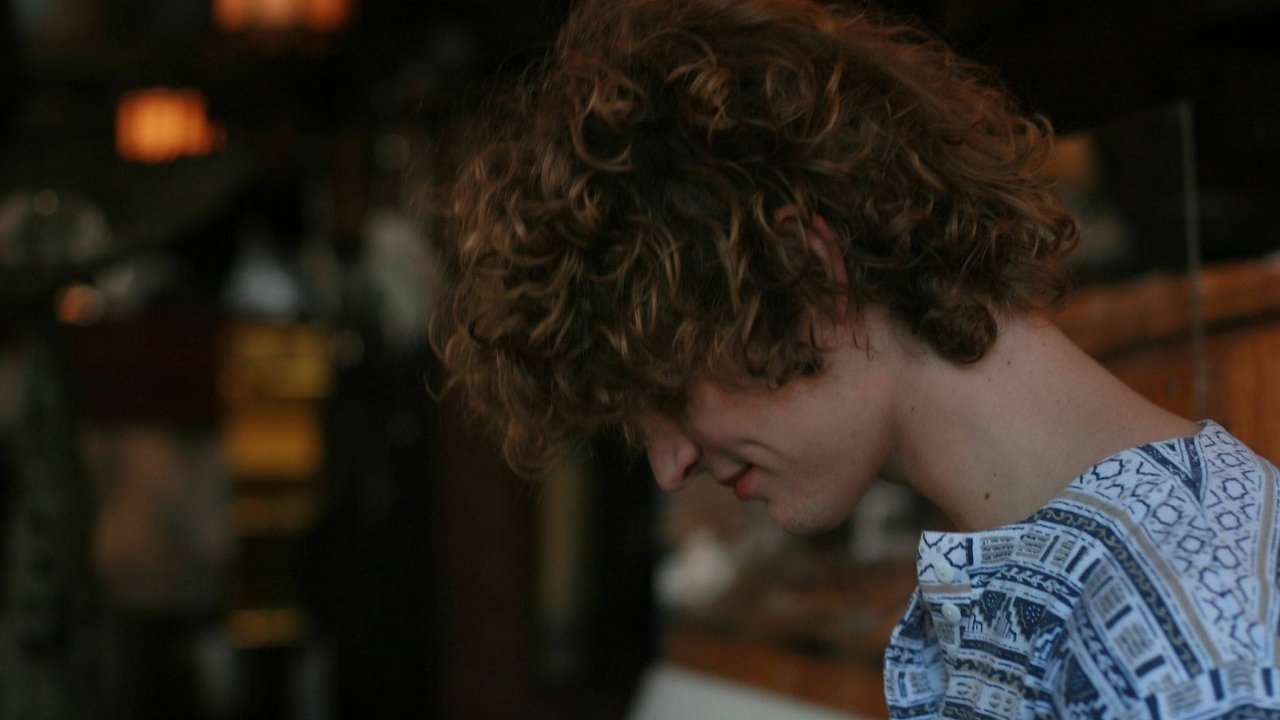
Niels Schneider plays Nicolas with a maddeningly vague affection. Is he gay? Is he straight? Is he just a narcissist who enjoys being a sun for these two planets to orbit? The film never quite tells us, and that’s the point. In the world of Heartbeats, the object of desire is rarely a person; they are a blank canvas upon which we paint our own desperate needs.
The Indie Hustle
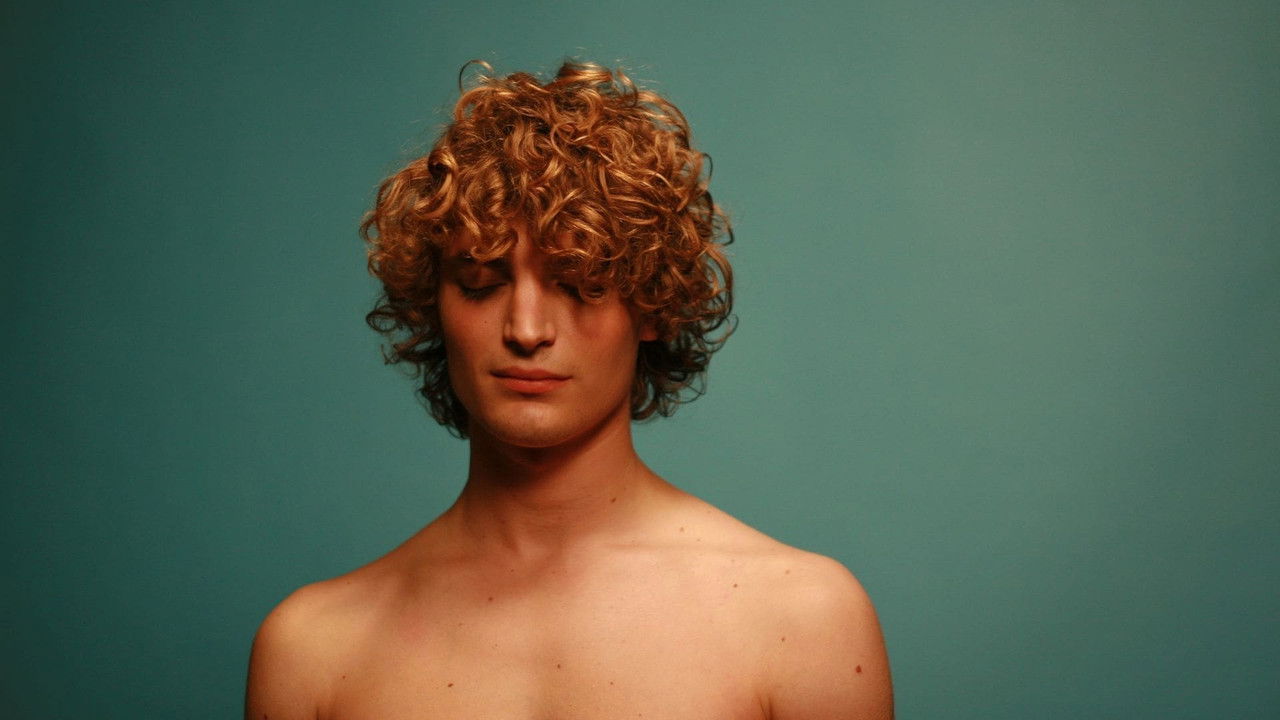
Looking back from a decade-plus distance, Heartbeats stands as a quintessential example of the "Millennium Indie" boom. This was an era where digital cameras were starting to democratize the field, yet Dolan insisted on shooting this on 35mm film. You can feel that choice in every frame—the grain, the richness of the primary colors, and the way light hits a cigarette cherry. It feels expensive, despite having a budget that wouldn't cover the catering on a Marvel movie.
Turns out, the production was a masterclass in independent resourcefulness. Much of the wardrobe was actually Monia Chokri’s personal vintage collection or items found in local Montreal thrift bins. The film was shot in just 25 days, fueled by the kind of "let’s put on a show" energy that defines the best of the Sundance/Cannes circuit. It’s a film that knows exactly what it is: a stylish, slightly bratty, and deeply felt exploration of how we make fools of ourselves for love. It doesn't need CGI dragons when it has the devastating impact of a phone call that goes to voicemail.
The film is punctuated by "confessional" style interviews with random young people talking about their own dating disasters. While these can occasionally feel like they’re padding the runtime, they ground the stylized fiction in a messy, documentary-style reality. It’s a reminder that while Marie and Francis are uniquely fashionable in their misery, their delusion is universal. By the time the final scene rolls around—featuring a hilarious cameo that I won't spoil—you realize that the cycle of infatuation is inescapable. It's a gorgeous, shallow, deeply profound little movie that captured a very specific moment in 21st-century indie cinema, and it still wears its heart on its well-tailored sleeve.
Keep Exploring...
-
Laurence Anyways
2012
-
I Killed My Mother
2009
-
Mommy
2014
-
High School Musical
2006
-
Imagine Me & You
2006
-
Once
2007
-
Blue Valentine
2010
-
Beginners
2011
-
Desire
2011
-

Now Is Good
2012
-
The First Time
2012
-
Before Midnight
2013
-

Blue Is the Warmest Color
2013
-
The Spectacular Now
2013
-
Chungking Express
1994
-
The Postman
1994
-
Leaving Las Vegas
1995
-
Chasing Amy
1997
-
Buffalo '66
1998
-
Monster's Ball
2001