Hereafter
"The quietest disaster movie you’ll ever see."
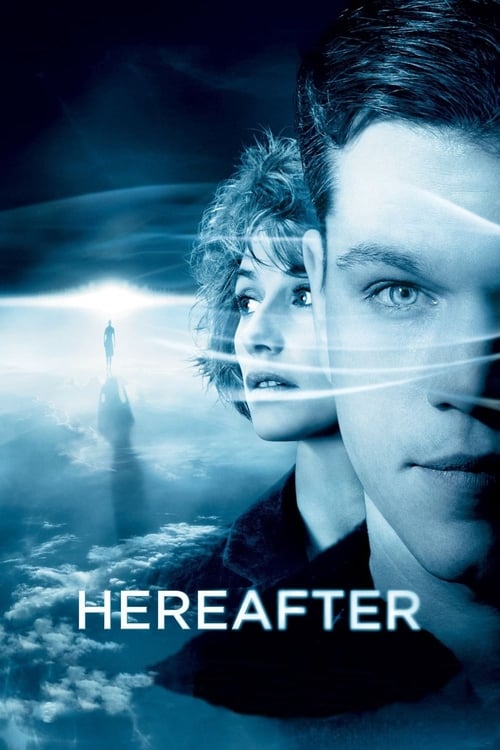
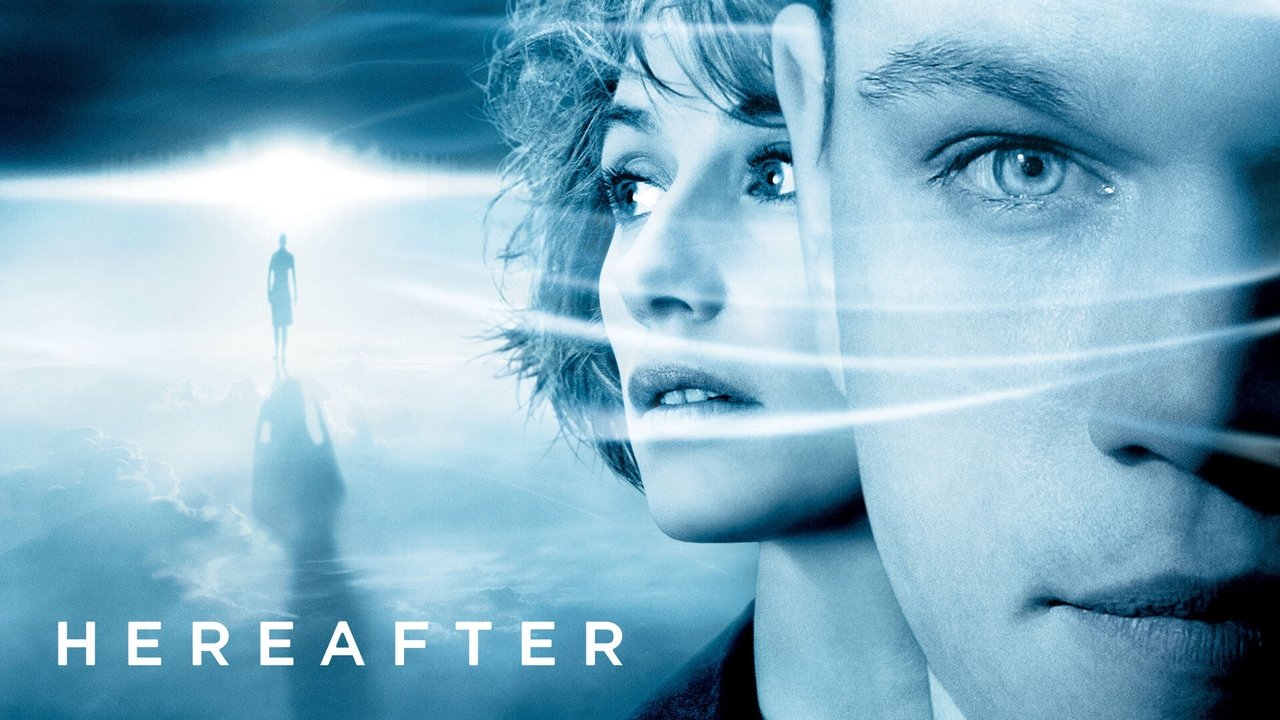
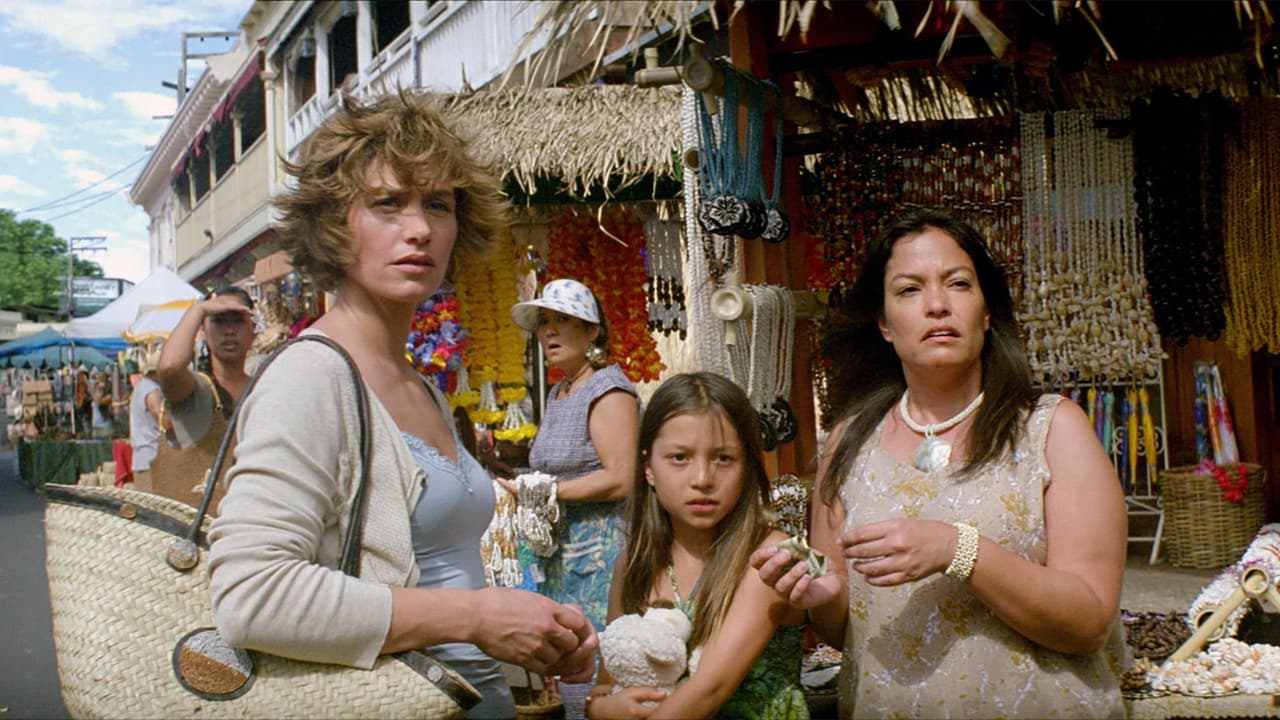
The movie starts with a wall of water so terrifyingly rendered that it feels like a personal threat. In 2010, the opening tsunami sequence of Hereafter was a technical marvel, a terrifying reconstruction of the 2004 Indian Ocean disaster that actually managed to out-scale the disaster epics of the previous decade. It’s loud, chaotic, and frighteningly digital. But then, as the water recedes and the title card fades, the movie goes nearly silent. It stays that way for almost two hours.
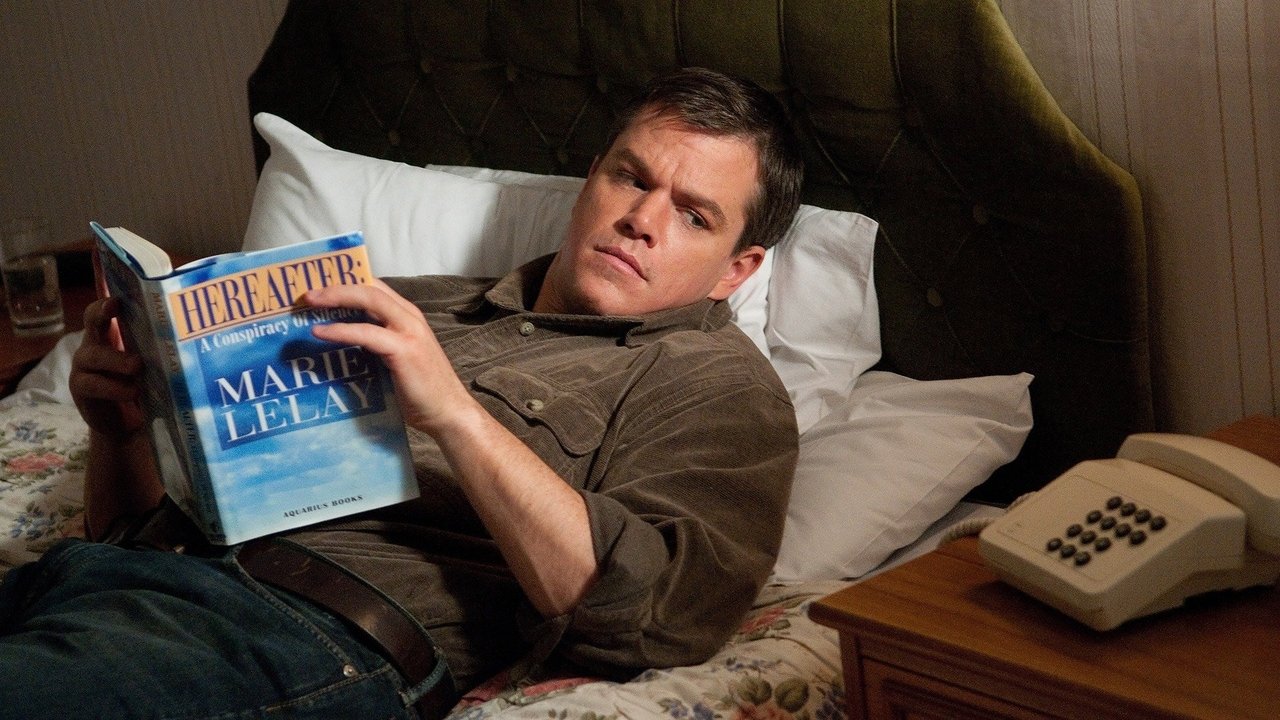
I remember watching this on a Tuesday night while my neighbor’s radiator was doing a rhythmic, metallic clanking that sounded exactly like someone trying to escape from a boiler room. Somehow, that mechanical dread perfectly matched the mood of this film. It’s a movie that spends a lot of time waiting for something—a sign, a message, a resolution—that might not ever come.
Three Lives, One Horizon
Clint Eastwood has always been a director of economy. He’s famous for doing one or two takes and moving on, a habit that usually gives his Westerns or crime dramas a lean, muscular feel. In Hereafter, he applies that same "just the facts" approach to the afterlife. It’s an odd pairing. You have a script by Peter Morgan—the man who usually writes about the sharp, political realities of The Queen or Frost/Nixon—tackling the nebulous "white light" of the great beyond.
The story follows three parallel tracks. In San Francisco, Matt Damon plays George, a blue-collar guy who can actually talk to the dead but treats the ability like a chronic migraine. He doesn't want to be a celebrity psychic; he just wants to work in a factory and listen to Dickens audiobooks. In Paris, Cécile de France is Marie, a top-tier journalist who survives that opening tsunami but brings back a "vision" that ruins her career. And in London, a young boy (played by George McLaren, though often overlooked in the credits) tries to reach his twin brother who died in a freak accident.
The movie is basically a high-budget supernatural soap opera that refuses to admit it's a soap opera. It carries itself with such immense, heavy-handed dignity that you almost feel guilty for wanting it to pick up the pace.
The 2010 Digital Threshold
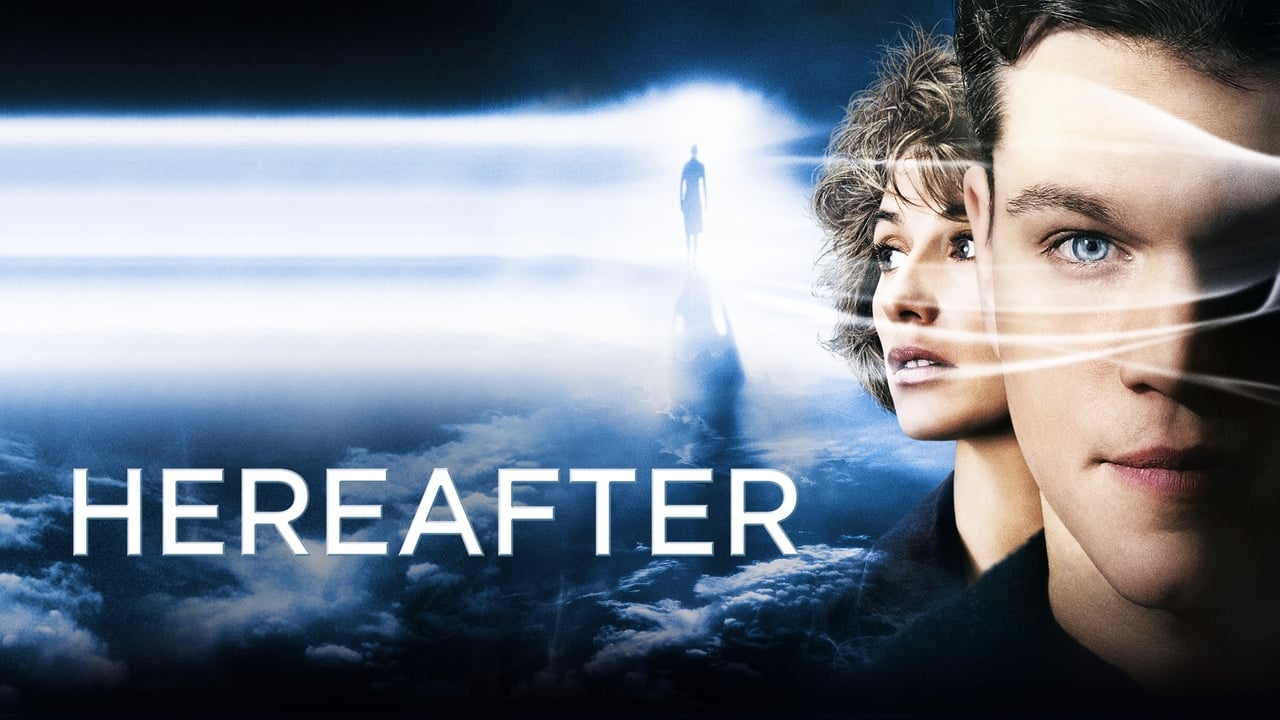
Looking back, Hereafter is a fascinating relic of that "In-Between" era of cinema. We were past the clunky, rubbery CGI of the late 90s, but we hadn’t quite reached the era where every single frame of a blockbuster is painted by a computer. The tsunami sequence, handled by Industrial Light & Magic, still looks incredible because it uses a mix of practical water and digital extension. It has a weight that contemporary Marvel movies often lack.
But the rest of the film is pure Tom Stern cinematography—muted, grey, and occasionally so dark you’d swear the projector bulb was dying. This was the peak of the "Desaturated Drama" era. It reflects a post-9/11 anxiety that lingered well into the late 2000s; the idea that tragedy is sudden, random, and leaves a permanent grey haze over everything.
The standout sequence isn't even the afterlife stuff—it’s a cooking class. Matt Damon and Bryce Dallas Howard share a scene where they taste-test ingredients while blindfolded. It’s the most life the movie has. Bryce Dallas Howard is fantastic here, playing a character who is clearly vibrating with her own secret damage. When George eventually uses his "gift" on her, it’s not a moment of spooky wonder; it’s a moment of devastating privacy invasion. It reminds me that Damon’s best superpower is playing a man who is exhausted by his own existence.
A Script That Didn't Change
There’s a piece of trivia that explains a lot about why Hereafter feels so disjointed: Clint Eastwood reportedly took Peter Morgan’s first draft and shot it exactly as it was. No rewrites. In Hollywood, that’s unheard of. Usually, a script like this would be "tightened" until the three stories collided in the second act. Instead, they don't meet until the very final minutes at a London book fair.
This lack of interference is both the film’s strength and its undoing. It feels like a genuine, unpolished thought. It doesn't try to "prove" the afterlife exists, nor does it debunk it. It just sits with the loneliness of the people left behind. However, it also means the pacing is glacially slow. If you aren't in the mood for a "look out the window at the rain" kind of movie, this will feel like a four-hour sentence.
It’s an ambitious swing from a director who was already in his 80s and clearly thinking about what comes next. Is it a masterpiece? No. It’s too scattered for that. But as a weird, quiet curiosity from the tail end of the DVD era, it’s worth a look. It’s a film about the moments after the world ends, whether that’s a global disaster or just losing the person who lived in the room next to you. It won't give you answers, but it might make you feel a little less alone in the dark.
Keep Exploring...
-
Flags of Our Fathers
2006
-
The Legend of Bagger Vance
2000
-
Lady in the Water
2006
-
Absolute Power
1997
-

Where the Wild Things Are
2009
-
Winter's Tale
2014
-
The Good Shepherd
2006
-
The Jacket
2005
-
Inland Empire
2006
-
Just My Luck
2006
-
Across the Universe
2007
-
Ghost Town
2008
-

16 Wishes
2010
-
J. Edgar
2011
-

Ruby Sparks
2012
-
The Odd Life of Timothy Green
2012
-
The Cobbler
2014
-

The Twilight Saga: Eclipse
2010
-
Soldier
1998
-
Dragonfly
2002